Deep Dive into Material Performance, Manufacturing Insights, and Procurement Considerations for NBR Acrylonitrile Butadiene Rubber, commonly known by its abbreviation NBR , is a copolymer widely recognized for its impressive resistance to oils, fuels,
Deep Dive into Material Performance, Manufacturing Insights, and Procurement Considerations for NBR
What Makes Acrylonitrile Butadiene Rubber (NBR) an Industrial Staple?
Acrylonitrile Butadiene Rubber, commonly known by its abbreviation NBR, is a copolymer widely recognized for its impressive resistance to oils, fuels, and other chemicals. This synthetic rubber has carved a firm niche in various industries, particularly automotive, aerospace, and industrial manufacturing, due to its balanced physical and chemical properties.
For procurement managers and technical engineers alike, understanding the intricate material characteristics of NBR is essential to optimize product performance and durability. NBR’s acrylonitrile content significantly impacts its oil resistance and temperature tolerance — typically ranging between 18% to 50% acrylonitrile. Higher acrylonitrile content enhances the chemical resistance but may reduce flexibility, a key tradeoff when selecting grades.
Its versatility extends to variations in hardness (measured in Shore A from 40 to 90) and can be tailored through compounding to meet specific environmental conditions, such as low-temperature flexibility or improved abrasion resistance. Distinctly, NBR is often chosen over other elastomers like EPDM or silicone rubber when oil resistance and mechanical robustness are non-negotiable for seals, gaskets, and hoses.
Importantly, NBR's microscopic polymer chain structure combines non-polar butadiene units with polar acrylonitrile segments. This molecular architecture endows the rubber with an excellent balance of resilience and impermeability. Industrial users often report operational lifespans extending beyond five years under typical mechanical stress and exposure to lubricants or fuels — although this can vary with compound quality and application specifics.
While NBR does not match the extreme temperature range of specialty rubbers like fluoroelastomers or silicones, it comfortably serves applications from -40°C to roughly 120°C. Procurement specialists should note that ambient conditions, media exposure, and mechanical loads directly influence suitable NBR grades and should engage material science experts when finalizing orders.
Acquiring NBR parts directly from seasoned OEM and ODM factories, like Guangdong Yingtai High Precision Technology Co., Ltd., helps ensure consistent quality and compliance with industry norms such as ISO 9001 and TS 16949. Their expertise in precision molding and compound development mitigates production setbacks often tied to material inconsistencies or delayed lead times.
This foundational knowledge sets the stage for exploring how NBR’s particular properties translate into industrial advantages and how end-users can navigate common procurement challenges.
Industry Pain Points & Procurement Risks in NBR Usage
Across sectors handling oil seals, fuel hoses, or industrial gaskets, several operational challenges surface during NBR product sourcing:
Variable Acrylonitrile Content: Suppliers sometimes label products ambiguously, impacting chemical resistance levels and leading to premature part failures.
Inconsistent Hardness & Elasticity: Hardness deviations can cause sealing failures or mechanical fatigue, especially under fluctuating pressure or temperature cycles.
Supply Chain Delays: NBR grade shortages or tooling complications disrupt production schedules, stressing cross-border logistics amid volatile international demands.
Suboptimal Mold Design: Inadequate understanding of thermal expansion and curing rates contributes to product deformation and flash defects.
Quality Certification Gaps: Entrusting suppliers lacking recognized certificates like CE or FDA could risk non-compliance in regulated markets.
An industrial engineer’s perspective: a well-designed production workflow coupled with transparent quality reports can often avoid costly product returns and reworking. Procurement directors are advised to inquire explicitly about compound formulas, batch traceability, and mechanical testing data before finalizing contracts.
Technical Properties & Performance Characteristics of Acrylonitrile Butadiene Rubber
Below is a detailed overview of critical NBR properties relevant for purchasing and engineering teams:
Note: Actual property ranges depend on compound formulation and vulcanization processes.
Manufacturing engineers recommend sourcing material data sheets upfront and requesting product samples for in-house testing when exact performance metrics are crucial.
NBR Application Scenarios: Where Performance Meets Demand
From the factory floor to finished products, NBR's adaptability finds utility in several critical industrial environments:
Automotive Industry: Fuel system seals, gaskets, O-rings, radiator hoses — dominant due to its resistance to petroleum-based fluids and moderate heat tolerance.
Oil & Gas Sector: Pump seals and valve seats exposed to mineral oils and synthetic lubricants.
Aerospace Components: Sealing elements where weight and oil exposure demand lightweight and reliable elastomers.
Industrial Machinery: Conveyor belts, coupling elements, anti-vibration mounts, particularly where oil resistance prolongs service intervals.
Consumer Goods: Protective seals and gaskets in home appliances and electronics requiring durable yet flexible sealing solutions.
Practical reminder: Installing NBR parts requires mindful torque settings to avoid overstretching. Excessive compression can accelerate compression set, reducing sealing efficiency over time.
Guangdong Yingtai's Factory Capabilities in NBR and Rubber Product Manufacturing
With more than two decades rooted in Dongguan’s Changan Town, Guangdong Yingtai High Precision Technology Co., Ltd. exemplifies industrial excellence in elastomers like NBR.
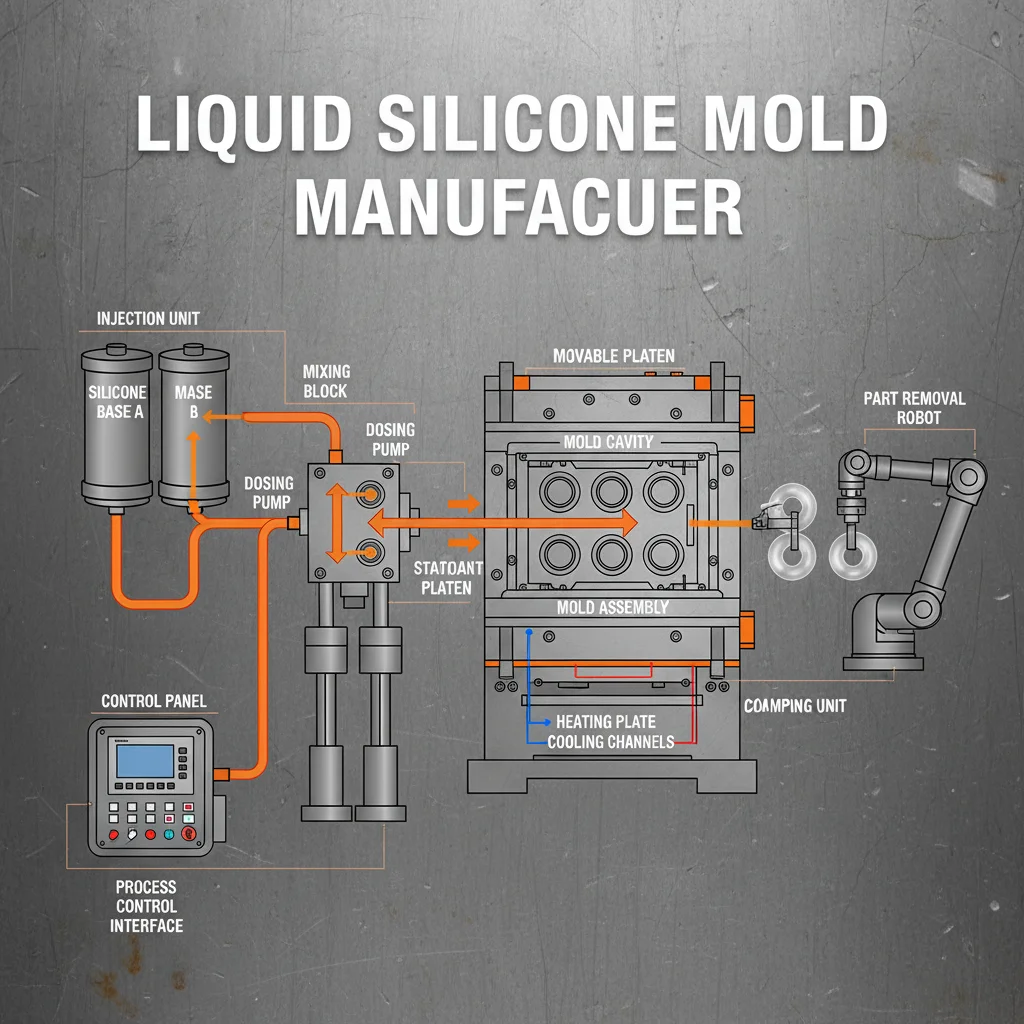
Operating a 35,000-square-meter modern industrial park, Yingtai boasts over 55 liquid silicone molding sets alongside machines adapted for NBR processing. Their fleet includes precision injection machines, hydraulic presses, and over 30 advanced testing instruments, ensuring tight manufacturing tolerances and consistent quality control.
Their full industry chain integrates mold design, development, and finished product manufacturing, allowing customization for OEM and ODM clients. Quality certifications such as:
ISO 9001:2015
CE Certification
underscore their commitment to compliance and industry standards.
Yingtai's experience in sectors ranging from new energy vehicles to household electronics means their NBR components meet demanding standards for endurance and precision, reducing batch variability common in smaller-scale operations.
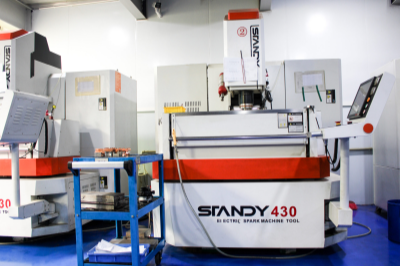
Yingtai’s modern industrial park with advanced molding equipment
Procurement Guide: Mitigating Risks & Selecting Your NBR Supplier Wisely
Selecting the right NBR supplier affects not only product quality but also cash flow, project timelines, and long-term reliability.
Confirm Material Specifications: Always request detailed compound breakdowns and performance certificates from suppliers. Confirm acrylonitrile content and hardness fulfill your application environment.
Verify Production Capabilities: Does the factory maintain equipment suitable for NBR injection or compression molding? Ask about batch testing standards and tooling stability.
Assess Lead Times & Inventory: Transparent manufacturers provide accurate lead times and buffer stock availability to avoid production interruptions.
Request Samples & Testing: Trial production and in-house testing are paramount. Evaluate physical properties like tensile strength and compression set before committing to large volumes.
Check for Certifications: ISO 9001, CE, and other relevant certifications imply process discipline and regulatory compliance. Non-certified suppliers might offer lower prices but can risk quality fluctuations.
Consider OEM/ODM Support: Partnering with manufacturers offering OEM/ODM services can reduce design and tooling costs and accelerate time to market.
Procurement Tip: Leverage your supplier’s R&D knowledge on NBR grades to adapt materials for evolving industry standards and reduce warranty claims.
Frequently Asked Questions About Acrylonitrile Butadiene Rubber Properties
Q1: How does acrylonitrile content affect the rubber’s performance?
Higher acrylonitrile concentrations increase oil and chemical resistance but can reduce flexibility and low-temperature performance. Typically, applications needing high durability in oil environments use 33–50% content, while more flexible uses opt for lower content.
Q2: Can NBR be used for outdoor applications?
NBR exhibits relatively modest resistance to weathering and UV radiation compared to EPDM or silicone rubber. For long-term outdoor exposure, consider protective additives or alternative materials.
Q3: What are the typical failure modes for NBR seals in operation?
Compression set, swelling due to incompatible fluids, and thermal degradation above specified temperature limits cause most failures. Proper grade selection and installation help mitigate these issues.
Q4: How should I store NBR components before use?
Store away from heat, direct sunlight, and ozone sources. Ideal conditions are cool, dark, and dry environments to extend shelf life and maintain vulcanized properties.
Q5: Are there eco-friendly alternatives to traditional NBR?
Bio-based nitrile rubbers and new synthetic elastomers are emerging, but conventional NBR remains preferred for cost-effective industrial-grade oil resistance.
Customer Reviews & Testimonials
Michael J., Procurement Director - Houston, TX
"We've been sourcing NBR gaskets from Guangdong Yingtai for over 3 years now. Their consistency in hardness and acrylonitrile content has noticeably reduced our rejection rate. The detailed QC reports help our engineers verify specifications easily."
Get in Touch
If you have any camping barbeque equipment inquiry, please feel free to contact us.