A practical guide for procurement managers, engineers, and decision-makers sourcing manufacturing solutions The decision between additive and subtractive manufacturing is more than a technical choice—it shapes product innovation, procurement strategy, and supply chain efficiency.
Product Details
Additive vs Subtractive Manufacturing: An Industrial Comparison
A practical guide for procurement managers, engineers, and decision-makers sourcing manufacturing solutions
Understanding Additive vs Subtractive Manufacturing: A Strategic Overview
The decision between additive and subtractive manufacturing is more than a technical choice—it shapes product innovation, procurement strategy, and supply chain efficiency. Both processes serve vital roles across industries, from automotive and aerospace to consumer electronics and medical devices. Yet their operational characteristics differ fundamentally, impacting cost, lead time, scalability, and material utilization.
Additive manufacturing, commonly known as 3D printing, builds parts layer-by-layer based on digital models. It excels in producing complex geometries, custom prototypes, and low-volume runs without the need for expensive tooling. This flexibility allows design freedom beyond the constraints of traditional machining.
Conversely, subtractive manufacturing involves removing material from a solid block through cutting, drilling, or milling. It is the conventional approach, well-established for producing precise, durable parts in mid to high volumes with reliable surface finishes.
Importantly, these processes are not mutually exclusive. Increasingly, OEMs adopt a hybrid strategy—leveraging additive methods for rapid prototyping and complex internals, while deploying subtractive techniques for final finishes and critical tolerances to meet stringent industry standards such as ISO 9001 and aerospace-grade certifications.
From a procurement perspective, understanding these manufacturing methods' capabilities and limitations ensures better supplier negotiations, realistic lead time expectations, and cost-efficient supply chain decisions. Operationally, manufacturers must weigh factors like material waste, tooling costs, machine availability, lead time variability, and post-processing complexity.
Over 2023–2030, the industrial adoption of additive manufacturing is growing fast in sectors requiring customization and reduced time-to-market, as supported by reports like Grandview Research’s Liquid Silicone Rubber Market Size Report, recognizing precision molding and 3D printing as complementary technologies in advanced manufacturing pipelines.
Common Pain Points in Manufacturing Choices
Long lead times: Traditional tooling delays in subtractive manufacturing can stall product launches.
Material waste: Subtractive methods often lead to 40%-70% raw material loss, impacting cost and sustainability.
Geometric complexity limitations: Some components require additive techniques to reduce assembly complexity.
Surface finish and mechanical properties: Additive parts often need extensive post-processing to meet finish or strength requirements.
Procurement risks: Overlooking supplier certifications or capacity can cause quality or delivery issues.
The real-world procurement conversations we encounter reveal a consistent theme: buyers want both technical excellence and reliable supply chains. Balancing these priorities requires not only understanding the technology but also recognizing the operational trade-offs inherent to additive and subtractive approaches.
Technical Comparison: Additive vs Subtractive Manufacturing Methods
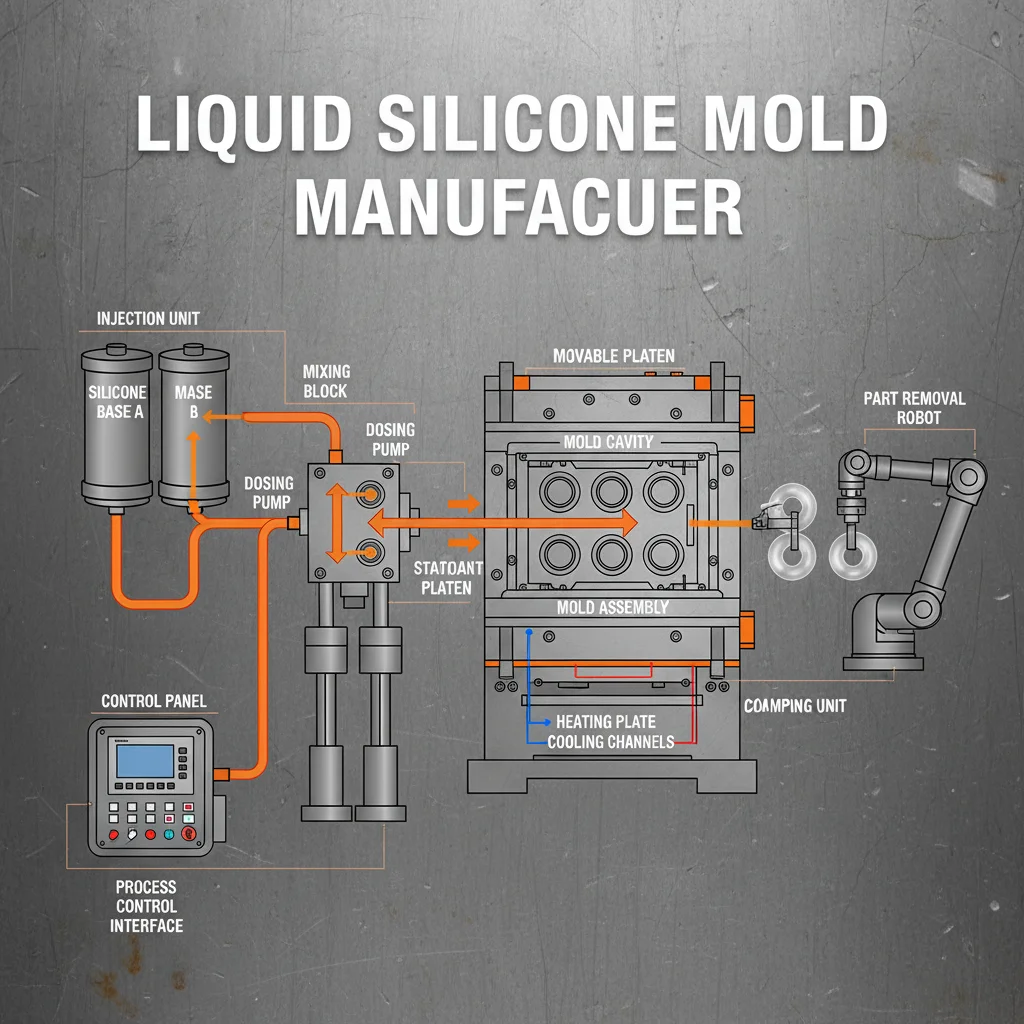
At a fundamental level, additive manufacturing constructs objects by adding material incrementally—commonly through fused deposition modeling (FDM), selective laser sintering (SLS), or stereolithography (SLA). Each method varies in applicable materials — thermoplastics, resins, metal powders, and even liquid silicone rubber.
Subtractive manufacturing removes material using CNC milling, turning, wire EDM, or laser cutting. It offers tighter tolerances—often in the micron range—and superior surface finishes straight off the machine, meeting ISO 9001 and aerospace standards like AS9100.
Feature
Additive Manufacturing
Subtractive Manufacturing
Material Waste
Minimal, typically less than 10%
High, can exceed 50%
Lead Times
Rapid for prototyping, slower for high volumes
Longer setup due to tooling, fast in production
Surface Finish & Accuracy
Often requires post-processing
High precision, minimal finishing needed
Design Complexity
Can produce complex internal geometries
Limited by tool access and geometry
Material Range
Growing: plastics, metals, LSR, composites
Extensive metals, plastics, composites
Cost Efficiency
Cost-effective for small batches & prototypes
Better for large volumes after tooling amortization
From our engineering desk, additive manufacturing offers unmatched flexibility, particularly beneficial for liquid silicone rubber (LSR) parts requiring intricate shapes that conventional injection molding struggles with. However, rigid production tolerances and mechanical strength requirements still heavily lean manufacturing toward subtractive or hybrid workflows.
Material and Process Selection: Operational Insights
Material compatibility is a decisive factor. For example, additive manufacturing of metals uses powders (e.g., stainless steel, titanium) while LSR and thermoplastics are largely injection molded or machined. Each material brings distinct handling and post-processing workflows impacting delivery speed and cost.
LSR injection molding demands precise temperature control and mold venting to avoid defects—see MDPI research detailing simulation accuracy’s dependence on material characterization.
Polyethylene and ABS parts benefit from CNC machining for high-strength components with certified finishes complying with FDA and RoHS.
Hybrid manufacturing combines additive for complex silicone parts with subtractive post-processing to enhance tolerance and surface finish in electronics sealing and wearable tech.
Reliable suppliers will present material certificates and process validations—especially for critical sectors like medical devices or automotive sealing. Procurement should seek vendors with strong testing capabilities, including CMM (coordinate measuring machine) inspections and accredited labs, helping manufacturers reduce costly inspection cycles.
Procurement Guidance: Selecting the Right Manufacturing Partner
Partner choice can make or break a project. Beyond technical specs, consider operational reliability, certifications, geographic location, and aftersales support.
Key Evaluation Criteria:
Certifications: ISO 9001:2015, CE, FDA for medical-grade materials, and industry-specific standards like AS9100 for aerospace.
Manufacturing capacity: Facilities capable of both additive and subtractive processes, ideally with integrated quality control to shorten supply cycles.
Lead time transparency: Vendors must offer realistic delivery schedules factoring in prototyping, tooling, and scale-up.
Logistics support: Ability to manage container loading optimization, customs compliance, and reliable inland transport.
OEM/ODM options: Flexibility in custom mold development and part design to scale alongside your product lifecycle.
For example, Guangdong Yingtai High Precision Technology Co., Ltd. in Dongguan integrates over 55 liquid silicone molding machines and advanced machining centers, supporting a full industry chain from mold development to finished products. Their blend of additive techniques with high-precision subtractive tooling exemplifies modern supplier strengths.
Case Study: Efficient Hybrid Manufacturing for Custom Silicone Seals
A USA-based OEM required liquid silicone rubber gaskets with complex sealing geometries for a consumer electronics line. Traditional subtractive manufacturing fell short due to difficult internal features and material waste.
Partnering with a supplier like Yingtai enabled a hybrid approach: additive rapid prototyping to validate functional shapes, followed by precision injection molding supported by subtractive mold polishing. The result:
- Reduced tooling development from 12 to 8 weeks
- Material waste cut by nearly 50%
- Enhanced sealing performance compliant with CE and FDA standards
This operational synergy accelerated the client’s go-to-market timetable while assuring quality—highlighting the procurement advantage of suppliers fluent in both technologies.
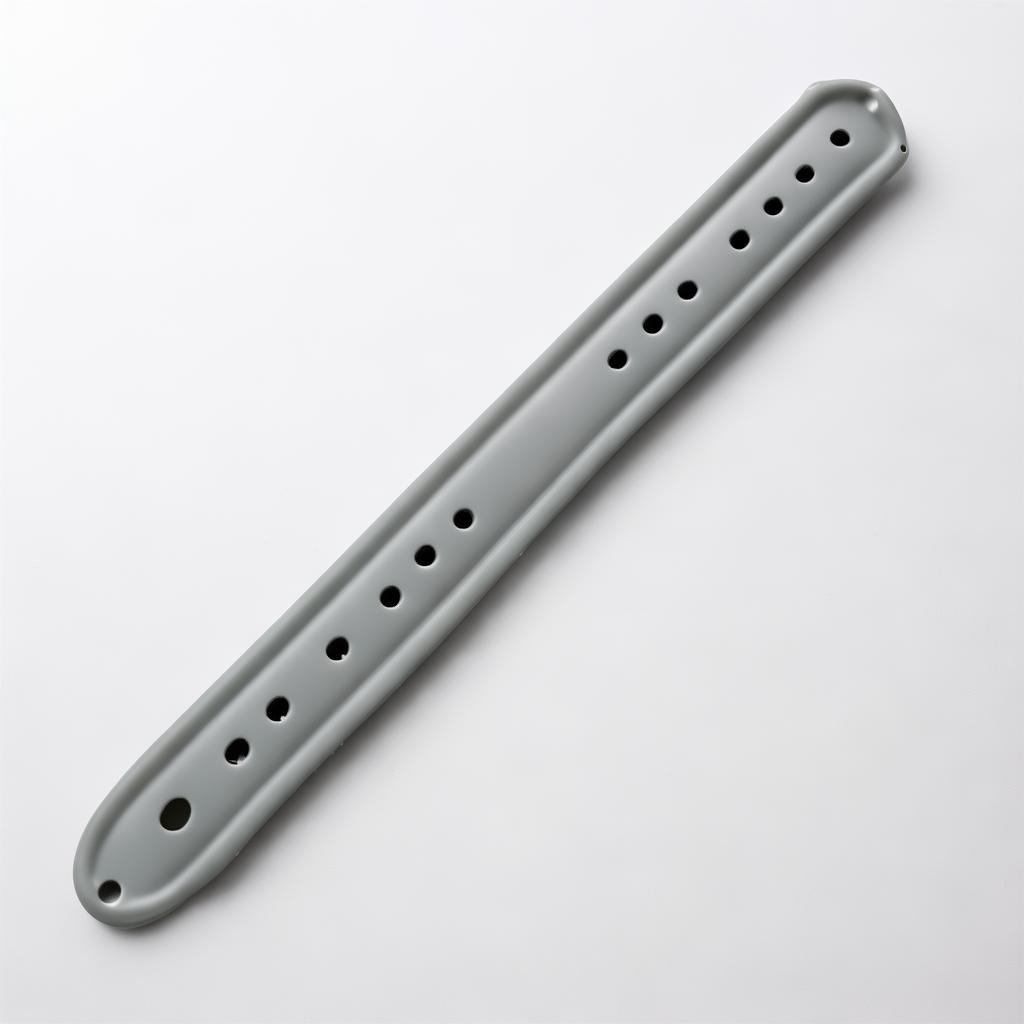
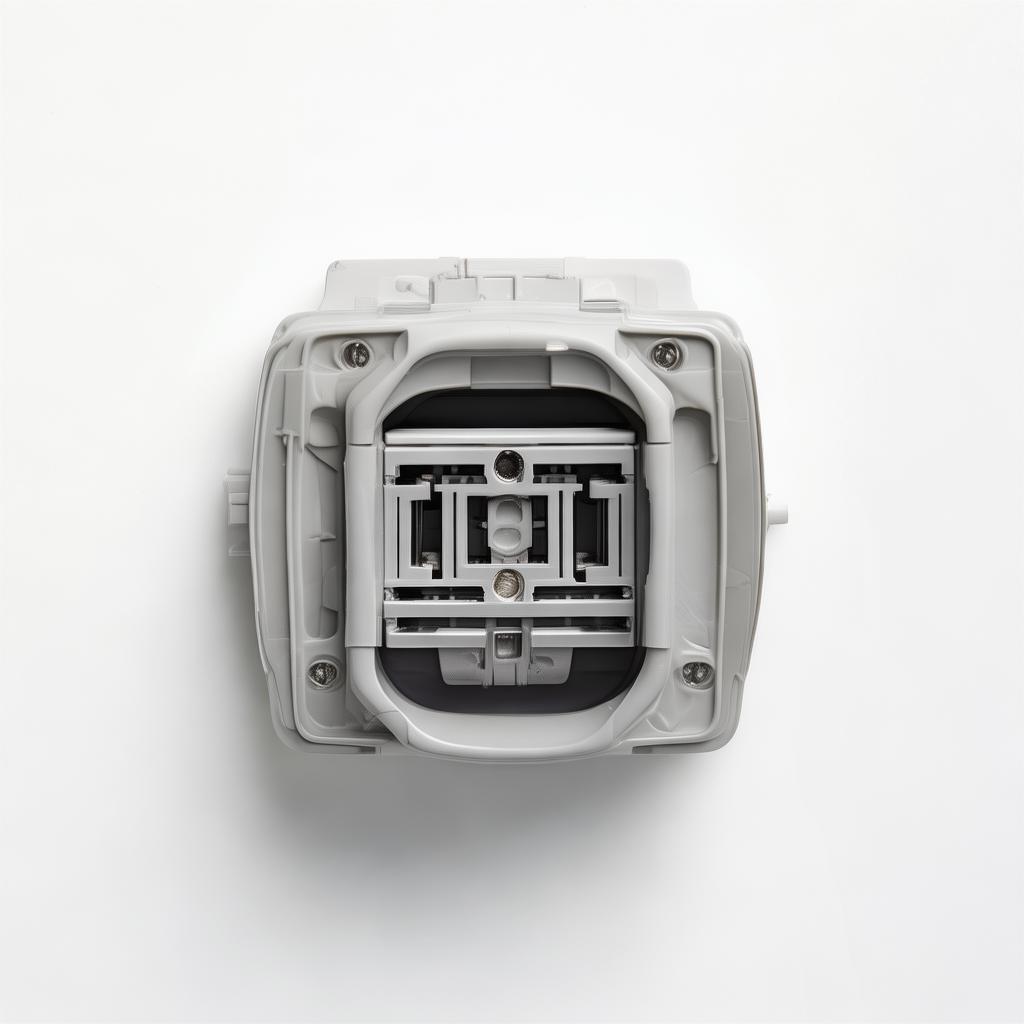
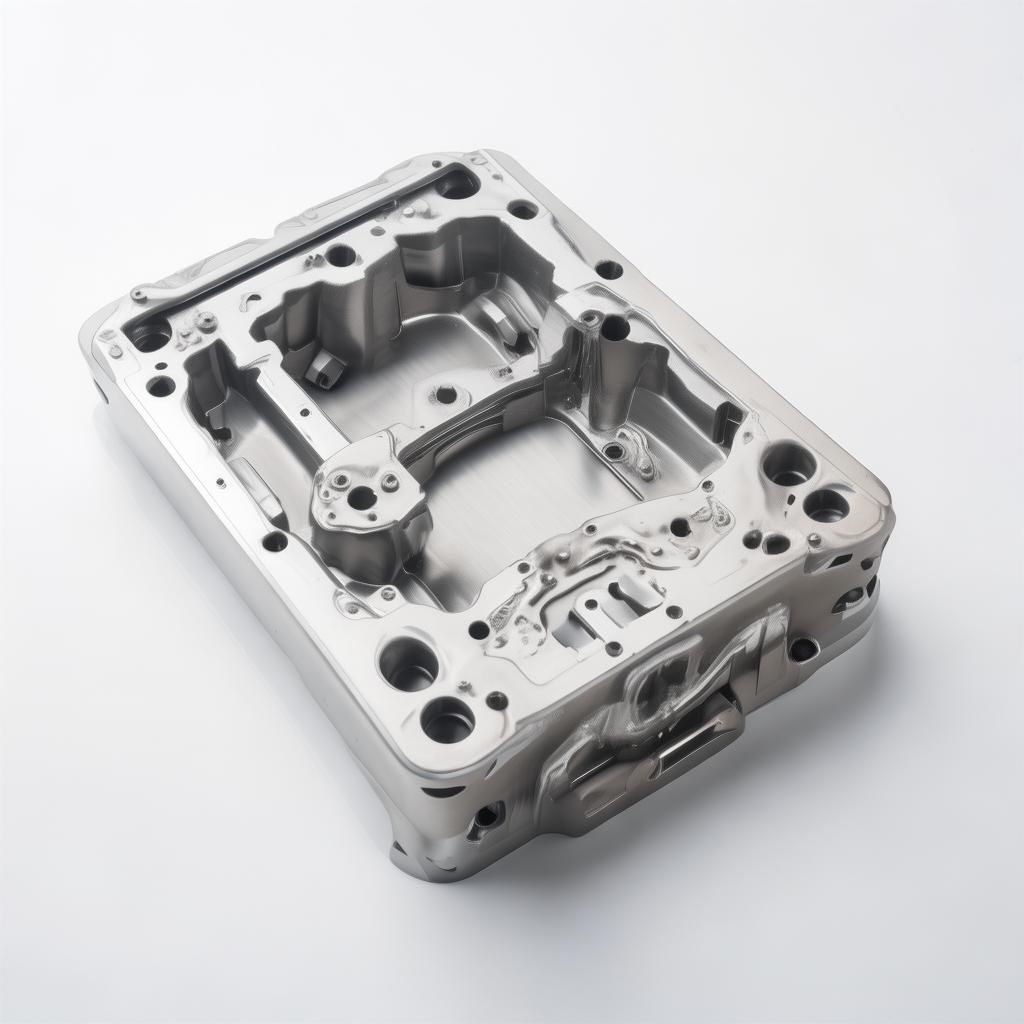
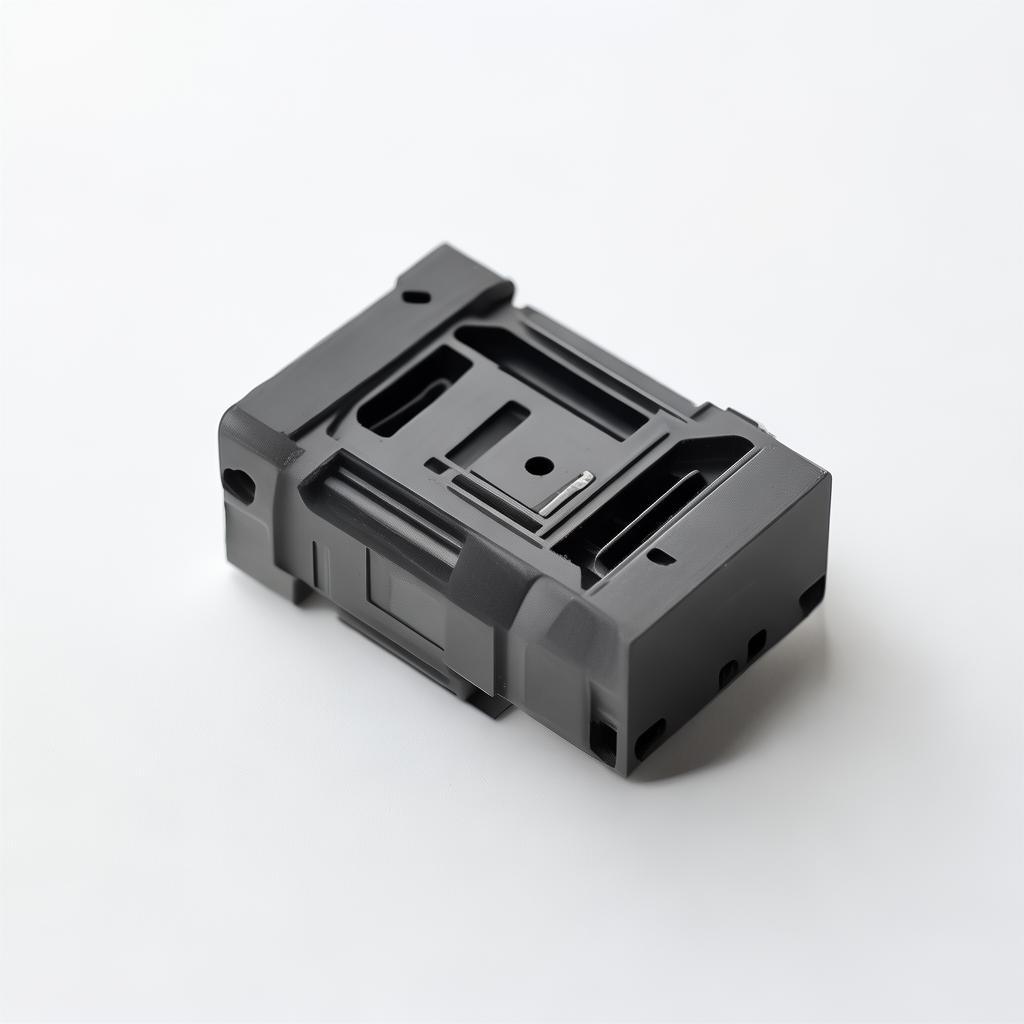
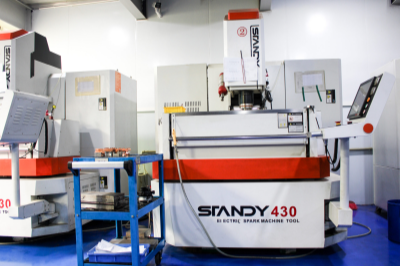
Precision silicone molding combined with subtractive finishing at a modern production facility.
Frequently Asked Questions
Q: When is additive manufacturing preferred over subtractive?
For complex geometries, rapid prototyping, low volume runs, or when tooling costs for subtractive methods are prohibitive.
Q: How do I assess supplier capability in these manufacturing processes?
Request process certifications, audit production capabilities, review quality reports, and verify material traceability before commitment.
Q: What are the cost implications of additive manufacturing?
Additive costs per unit are higher for large volumes but competitive for prototypes or complex designs avoiding assembly.
Q: Can additive and subtractive manufacturing be combined?
Yes—hybrid approaches are increasingly popular to capitalize on additive design and subtractive precision.
Q: How do logistics impact manufacturing choices?
Lead times, export controls, and container loading efficiency vary by method; additive parts typically ship faster with smaller packing volumes but may require special handling post-processing.
Ready to Optimize Your Manufacturing Supply Chain?
Talk with our manufacturing specialists today to explore how additive and subtractive solutions can fit your product goals. From mold design to shipment planning, we deliver practical, certified, and scalable manufacturing.
"Yingtai’s hybrid manufacturing solutions helped us cut our prototype lead times by 30%, making our sourcing nimble for evolving product specs. Highly recommended for companies balancing quality and schedule."
Get in Touch
If you have any camping barbeque equipment inquiry, please feel free to contact us.



 James E., Procurement Manager, Texas