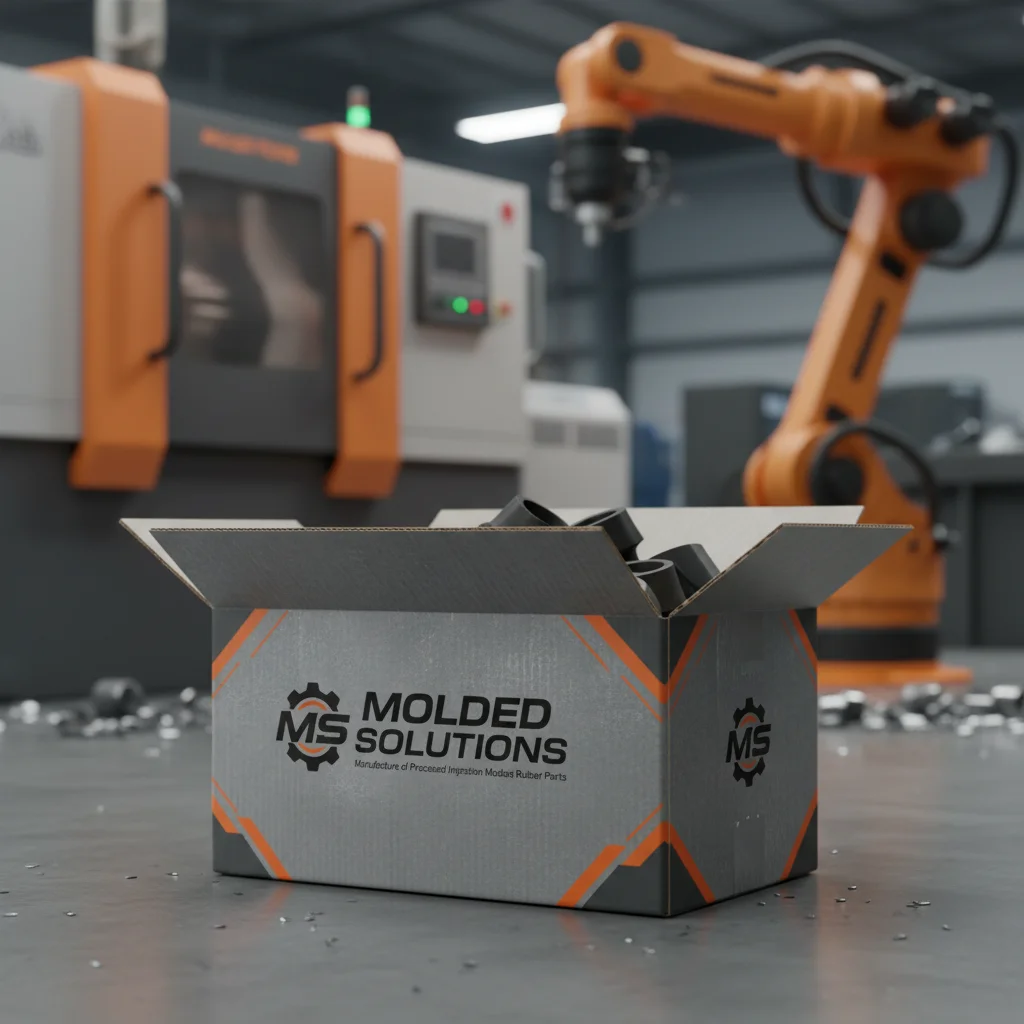
Introduction & Market Overview
In an increasingly demanding industrial plastics market, additives in plastics play a pivotal role in tailoring material properties to meet specific functional, aesthetic, and regulatory requirements. These additives, ranging from stabilizers, flame retardants, plasticizers to UV absorbers, serve to improve polymer performance beyond the base resin capabilities.
Understanding the nuances behind additive selection, compatibility, and processing challenges is critical for procurement directors, purchasing managers, and technical engineers aiming to optimize product lifecycle, durability, and compliance standards.
Historically, manufacturers have faced trade-offs between cost, performance, and sustainability. However, the ongoing evolution of additive chemistry combined with advancements in OEM manufacturing and international supply chain expertise has unlocked new horizons for producing plastics that resist degradation, improve mechanical strength, and meet stringent global regulations like ISO 9001 and RoHS.
According to multiple market reports, including the recent Liquid Silicone Rubber Market Size Report 2030 and Global Silicone Market Analysis 2035, additives compatible with silicone and thermoplastic elastomers demand increase in sectors such as automotive, consumer electronics, and medical devices. These industries require high-performance additives with excellent biocompatibility, heat resistance, and durability — attributes essential in modern plastic compounds.
Additives influence key material parameters: UV resistance to prevent environmental degradation outdoors, anti-slip backing compounds enhancing consumer safety, and flame retardants ensuring compliance with international fire safety norms. These technical considerations often dictate supplier evaluation and material choice during procurement.
Selecting the right additives goes beyond just specifications; it affects processing workflows, injection molding cycle times, and yield rates. Our operations team notes that improper additive combinations can cause issues such as gel formation or reduced mold flow, which harms production stability and increases scrap rates.
As a manufacturer with over 20 years’ experience and a robust R&D department, Guangdong Yingtai High Precision Technology Co., Ltd. understands the entire lifecycle—from formulation to logistics and end-use performance. We integrate process expertise, quality control, and global export know-how into delivering additives that seamlessly fit OEM/ODM manufacturing processes.
Staying ahead means embracing market trends like sustainable additive solutions, regulatory-driven innovation, and digital simulation for process optimization—ensuring your procurement decisions mitigate risk, enhance ROI, and meet complex industry requirements.
Technical Deep Dive on Plastic Additives
Plastics additives fall into several broad categories depending on their function and chemistry:
- Stabilizers: Prevent oxidative, thermal, and UV degradation. Common additives include hindered amine light stabilizers (HALS) and phosphites.
- Plasticizers: Enhance flexibility and impact resistance, chiefly phthalates or bio-based esters compatible with PVC and polyurethanes.
- Flame Retardants: Halogenated and non-halogenated options improve fire resistance for compliance with UL94 and other fire safety standards.
- Processing Aids: Lubricants and flow modifiers optimize melt behavior and reduce cycle times, benefiting large-volume injection molding runs.
- Fillers & Reinforcements: Minerals like talc, calcium carbonate, and glass fibers boost structural strength and dimensional stability.
- Colorants & Pigments: Provide durable and consistent coloration with compatibility across resin systems.
Each additive requires consideration of concentration, compatibility, and interaction effects. For example, incorporating UV stabilizers into polyethylene yarns for outdoor use must balance between protection efficiency and maintaining mechanical integrity.
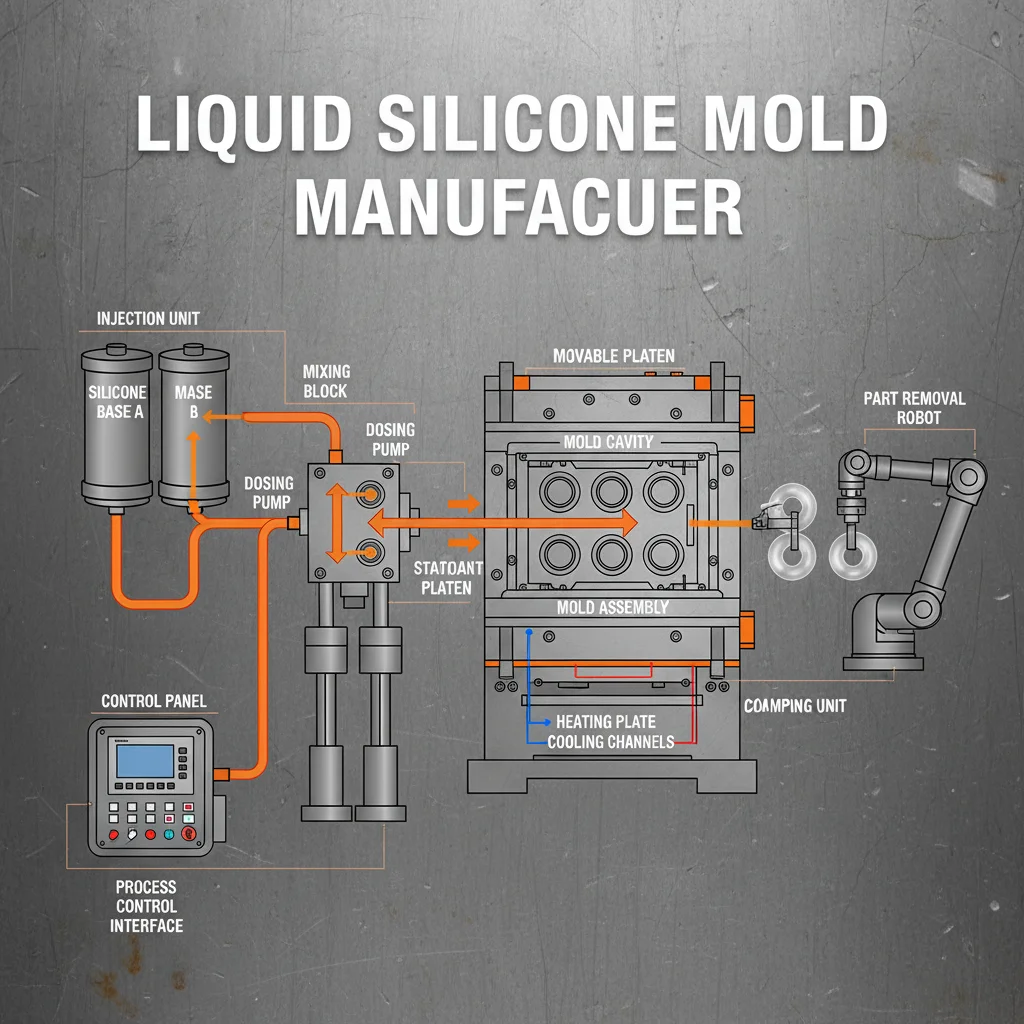
Technical highlight: Our proprietary additive blends for liquid silicone rubber (LSR) injection molding have been developed to optimize vulcanization rates and improve thermal stability, taking cues from advanced rheological studies (see MDPI injection molding simulations). These enhancements reduce cycle times by up to 10% and minimize molding defects during high-volume manufacturing.
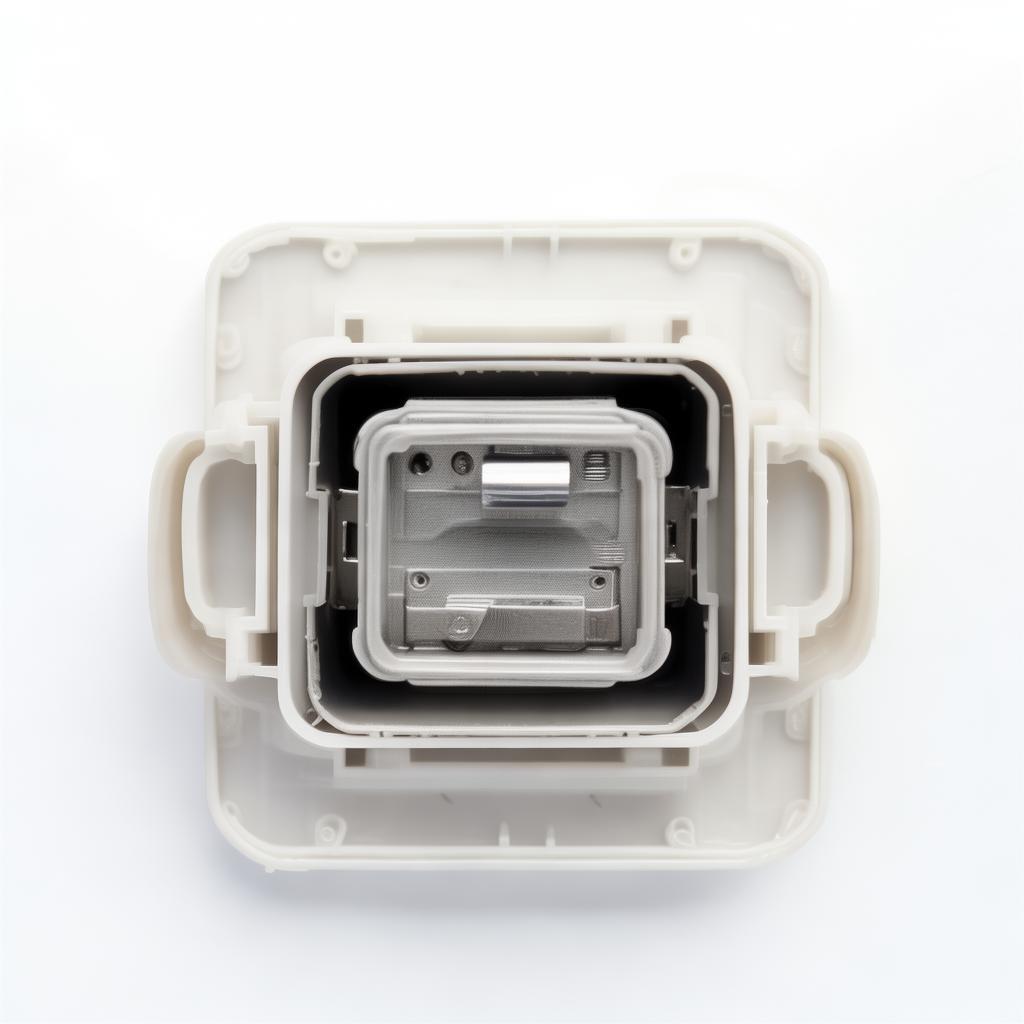
Our in-house testing instruments verify performance under ISO and ASTM testing regimes, ensuring batch-to-batch consistency and long-term product reliability.
Additive Technical Specification Summary
| Additive Type |
Typical Usage Level (%) |
Key Benefits |
Compatibility |
| UV Stabilizers |
0.1 - 1.5 |
Prevents polymer photodegradation, prolongs outdoor life |
Polyethylene, Polypropylene, TPU |
| Flame Retardants |
1 - 10 |
Achieves UL94 V-0 rating, reduces heat release |
ABS, PC, PA |
| Plasticizers |
5 - 50 |
Improves flexibility and reduces brittleness |
PVC, TPU |
| Processing Aids |
0.5 - 3 |
Enhances flow, reduces cycle time, mold deposit prevention |
All thermoplastics |
anti static additives for plastic engineering plastic products plastic engineering materials





 John M., Procurement Director, Ohio