By: Liu Chang — Export Director, Guangdong Yingtai High Precision Technology Co., Ltd. Adhesive silicone rubber occupies a pivotal role in modern manufacturing, particularly where performance and durability intersect with precision engineering. For purchasing
Product Details
Adhesive Silicone Rubber: Precision Sealants for High-Performance Industrial Applications
Adhesive silicone rubber occupies a pivotal role in modern manufacturing, particularly where performance and durability intersect with precision engineering. For purchasing managers and technical engineers sourcing sealing or bonding materials, understanding the distinctive qualities — and subtle complexities — of this specialized elastomer is crucial when aiming to reduce failures, shorten production cycles, and meet rigorous industry standards.
Unlike generic adhesives, silicone-based adhesives combine excellent thermal stability with chemical and environmental resistance, making them invaluable across automotive sealing systems, consumer electronics, medical devices, and wearable equipment. Their ability to maintain flexibility while delivering secure adhesion across dissimilar substrates distinguishes them from alternatives like polyurethane or epoxy.
That said, the raw material science and manufacturing processes behind adhesive silicone rubber are anything but straightforward. They demand expertise in rheology, curing kinetics, and injection molding protocols — factors which subtly impact end-product quality, lifecycle, and installation reliability. As highlighted by studies like those from Grandview Research and Market US, the global Liquid Silicone Rubber (LSR) market is expanding rapidly — expected to nearly double by 2030 — driving suppliers to optimize formulations and injection molding techniques continually.
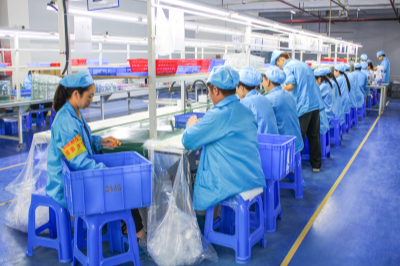
Our factory, located in Dongguan's industrial hub, blends over two decades of experience with advanced tooling, including 55 LSR molding machines and comprehensive industrial automation resources. Through this scale of operation, we manage to sustain consistent quality in both high-volume production and specialized custom OEM projects, while strictly adhering to ISO9001 and CE certification requirements.
Evaluating adhesive silicone rubber for your supply chain means factoring in not just material grades but also production nuances such as mold design, venting systems, raw material batches, and post-molding treatments. For example, air entrapment or incomplete curing can cause costly rejects or service failures — issues we have mitigated through vacuum molding processes and data-driven quality controls guided by AI and CAE simulations ([MDPI Paper][1], [Fraunhofer Research][4]).
This landing page is crafted specifically for discerning B2B buyers like procurement directors and technical experts located in the USA and English-speaking markets. It is designed to clarify complexities, highlight in-field operational experiences, and provide practical guidance — helping you make assured decisions without over-hyped claims or vague technicalities.
Ready to explore a robust, proven adhesive silicone solution that matches your industrial expectations? Scroll on to learn real-world nuances that seldom make it into glossy brochures but mean the difference between seamless production and costly downtime.
Industry Challenges in Silicone Adhesive Applications
In commercial procurement of adhesive silicone rubber, the most frequent stumbling blocks reflect real-world operational pressures and technical challenges:
Inconsistent adhesion performance under wide temperature ranges or exposure to chemicals, leading to premature bond failure.
Disparities in material batches causing variations in curing time and mechanical properties, which can hinder downstream assembly lines.
Mold tool wear and slip-ups in injection molding resulting in flash defects, material waste, and costly downtime.
Limited supplier transparency about product certification, traceability, and export compliance — critical when sourcing from overseas facilities.
Logistical challenges including lead time uncertainties and improper packaging damages, especially when shipping LSR materials sensitive to contamination.
Installation complexities — specifically around correct surface preparation and moisture control, where neglect can irreversibly reduce adhesive strength.
Additionally, the rise of complex multi-material assemblies necessitates adhesive silicones with precise bonding characteristics tailored to plastics, metals, or composites. Procurement officers often face difficulty navigating these performance variables without comprehensive supplier support.
Recognizing these pitfalls, technical engineers seek partnerships with manufacturers who offer not only robust product quality but seasoned advisory capabilities aligned with procurement risk management.
Adhesive silicone rubber formulations typically blend polydimethylsiloxane (PDMS) polymers with reactive crosslinkers catalyzing room temperature or heat-induced curing. The resulting elastomers reflect high elongation, low compression set, and excellent resistance to UV, ozone, and various chemicals—ideal for demanding sealants and bonding applications.
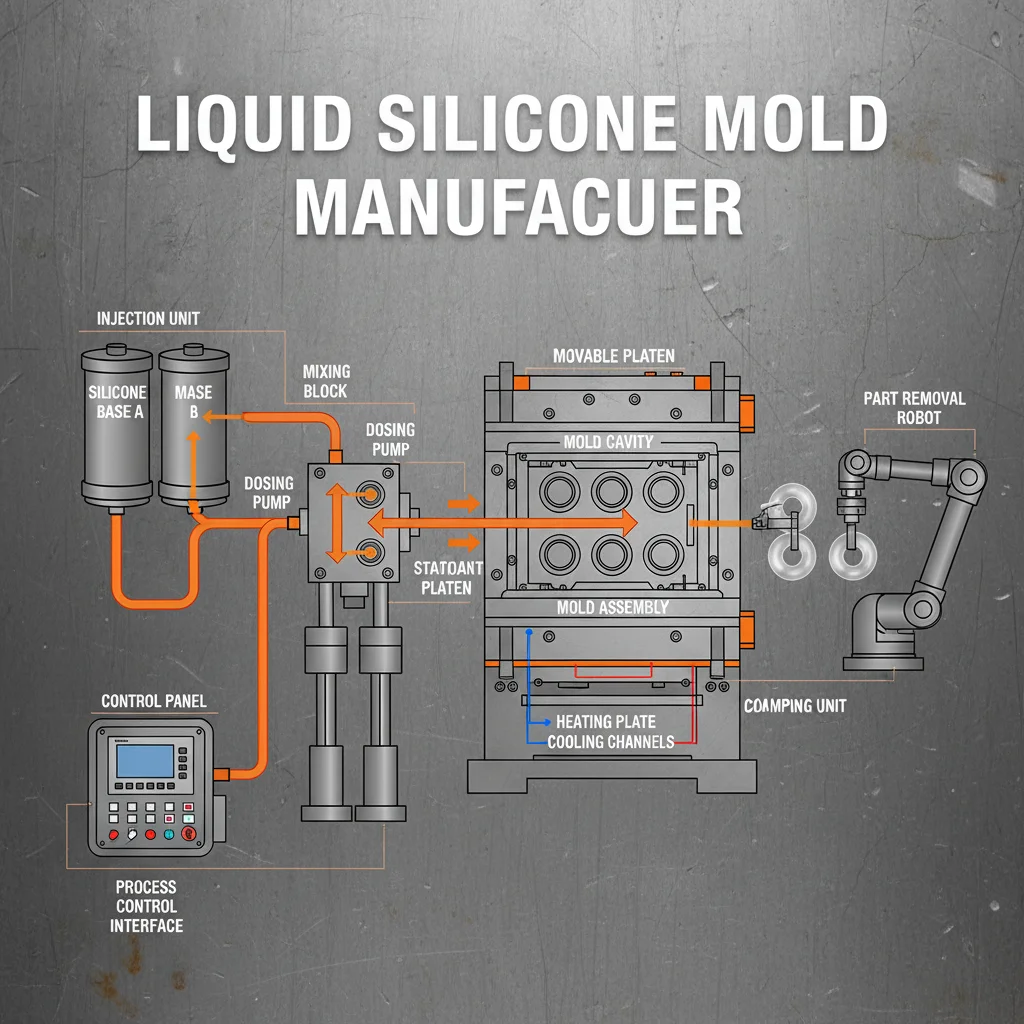
In manufacturing, the two main processing routes include liquid silicone rubber (LSR) injection molding and high consistency rubber (HCR) compression molding. Our production heavily favors LSR by virtue of its precision features — and Industry research documents its fast adoption due to shorter cycle times, reproducibility, and low waste ([Grandview Research][1], [Market US][3]).
Property
Typical Range
Significance
Shore A Hardness
25 – 70
Balancing flexibility with mechanical strength
Tensile Strength
4.5 – 10 MPa
Durability under strain and load
Elongation at Break
300 – 700%
Indicates high elasticity and fatigue resistance
Temperature Resistance
-60°C to +230°C
Maintains properties under thermal stress
Adhesion Strength
Varies by substrate: Typically 1.0–3.5 MPa
Crucial for bonding reliability on metals, plastics, glass
Our adhesive silicone rubber meets or exceeds relevant industry standards including ISO 10993 (biocompatibility for medical use), RoHS (restricted hazardous substances), and FDA 21 CFR 177.2600 for food contact safety. The products are also compliant with ASTM D816 for elastomeric seals.
Production control integrates rigorous material characterization protocols, including rheological accuracy and curing kinetics analysis ([MDPI][1], [ScienceDirect][9]). Detailed digital process simulation supports mold flow optimization to minimize defect rates they found correlate directly to raw silicone batch variation and mold design — a frequent concern echoed by industry practitioners ([Reddit Discussions][12], [14]).
Advantages of Our Adhesive Silicone Rubber Solutions
Exceptional Thermal Resistance: Maintains excellent adhesion between -60°C and +230°C without degradation, outperforming many polymer adhesives that become brittle or melt.
Superior Chemical Stability: Resists oils, solvents, UV radiation, and ozone, protecting seals and bonds in harsh environments common in automotive or electronics.
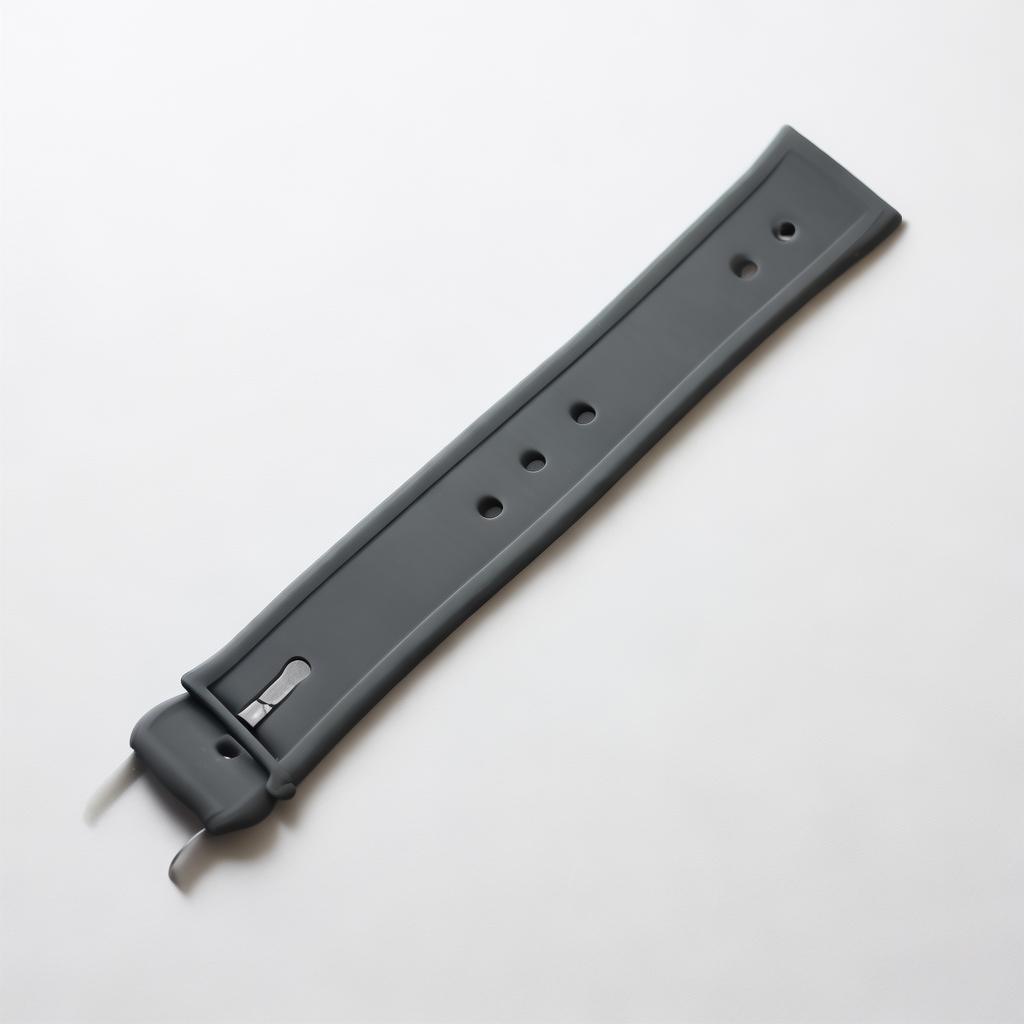
Flexibility for Dynamic Bonds: High elongation and fatigue resistance make it suitable for applications involving vibration or movement, e.g., wearable devices and automotive gaskets.
Industry Certification: Our adhesive silicone rubbers are certified to ISO 9001, CE, and FDA standards ensuring compliance for medical, food contact, and consumer electronics use cases.
Advanced Manufacturing: Leveraging liquid injection molding with precision CNC-milled molds and vacuum-assisted curing, we control dimensional accuracy and minimize flash or voids.
Customizable Formulations: OEM and ODM services allow tailoring hardness, cure times, and adhesion profiles to specific customer needs and substrate requirements.
Complete Supply Chain Solutions: From mold design and development to logistics and export, we streamline procurement timelines with transparent lead times and packaging designed to avoid contamination.
"Having worked with several silicone adhesive providers, Guangdong Yingtai's attention to tooling precision and material consistency really stands out. Our production downtime dropped by weeks thanks to their supply chain responsiveness and technical support." - Mark Stevenson, Procurement Manager, US Electronics Supplier
Key Application Scenarios
Adhesive silicone rubbers have carved out a niche in various industries requiring:
Automotive Sealing & Bonding: Used in engine compartments, HVAC seals, and electrical connectors due to vibration damping and temperature endurance.
Consumer Electronics: For waterproof seals and flexible bonding in smartphones, wearables, and household devices.
Medical & Healthcare: Biocompatible grades serve in surgical instruments, wearable sensors, and implantable devices, following ISO 10993 standards.
Industrial Machinery: Seals and insulators exposed to chemicals, oils, and thermal cycles.
Food Processing Equipment: Food-grade adhesives capable of safe, durable seals on surfaces subject to frequent washing and temperature changes.
Recognizing subtle installation challenges in these sectors, proper surface treatment and moisture control during application can often be the difference between lasting bond integrity and premature failure. Our technical engineers work closely with clients on instruction manuals and onsite training — ensuring end-use success and maintenance ease.
Industrial adhesive silicone rubber procurement requires a sharp eye on several factors beyond cost alone:
Verify Complete Certification: Insist on valid ISO 9001, CE, RoHS, and FDA documentation. Certifications reduce compliance risks especially for regulated sectors.
Sample Testing: Request free or low-cost samples for in-house quality validation. Test adhesion strength on your substrates and under expected environmental conditions.
Understand Mold Tooling: Ask about mold life expectancy, cavity balancing, and defect rates. Suppliers investing in advanced tooling often deliver more consistent results ([Fraunhofer][4]).
Lead Time Transparency: Drill down on realistic shipping timelines including buffer for customs clearance and unexpected production delays — critical for synchronized production planning.
OEM/ODM Capabilities: Partner with manufacturers open to formulation tweaks and custom tooling solutions to future-proof your supply chain.
After-Sales Technical Support: Access to engineering consultation for process optimization or troubleshooting can save costly product recalls or field failures.
Avoid sole-source or low-priced suppliers that lack traceability and reliable quality control systems—these often lead to inconsistent performance and volatile lead times. Instead, seek those with extensive export experience and transparent quality KPIs. At Guangdong Yingtai, we maintain batch traceability from raw material intake through finished goods, ensuring accountability at every stage.
Frequently Asked Questions
What surfaces does adhesive silicone rubber bond best to?
It adheres well to metals such as aluminum and stainless steel, most plastics like ABS and polycarbonate, and glass. Surface cleaning and mild plasma or primer treatment enhance adhesion performance.
How long is the typical lead time for orders?
Standard orders usually ship within 25-35 days, including mold development if required. OEM customization may require 40-55 days depending on tooling complexity.
How is the adhesive silicone rubber packaged to avoid contamination?
Materials are packaged in sealed, moisture-proof bags inside rigid boxes. We use clean room handling during packing to prevent dust or moisture ingress, preserving material integrity.
Are there temperature limits for adhesive curing?
Most formulations cure effectively at room temperature within 24 hours; accelerated curing is possible with heat (up to 150°C). However, excessive heat during application may affect bond strength.
Is OEM/ODM service available for custom adhesive formulation?
Yes, our technical team collaborates with customers on customized silicone formulations meeting specific hardness, adhesion, and curing requirements, supported by prototype sampling and testing.
Customer Reviews & Real-World Feedback
John M., Operations Manager, California
“Switching to Yingtai’s adhesive silicone rubber reduced our sealing failures by over 30% compared to prior suppliers. Their engineering team helped optimize our mold design and curing schedules, which was a big operational win.”
Get in Touch
If you have any camping barbeque equipment inquiry, please feel free to contact us.



 John M., Operations Manager, California