

Advantages of Rapid Prototyping: Accelerating Industrial Innovation and Procurement Efficiency
Guangdong Yingtai High Precision Technology Co., Ltd. | Export Director: Miss Zhang | Contact Us
Why Rapid Prototyping Has Become Critical in Industrial Manufacturing
Over the past decade, the momentum behind rapid prototyping has surged as manufacturing industries pivot toward agility, precision, and cost optimization. In sectors ranging from consumer electronics to automotive components, the demand for accelerated product development cycles can’t be overstated. Traditional prototyping typically involves time-intensive methods — delays that cumulatively impact market entry, stakeholder confidence, and capital efficiency.
Industry leaders—especially procurement directors and production engineers—face increasingly complex challenges:
- Extended lead times: Conventional tooling and fabrication could add weeks or months before a physical prototype is available.
- High iteration costs: Each design revision traditionally requires retooling or new molds, pushing budgets over planned thresholds.
- Material & dimensional fidelity: Early prototypes often fall short on representing final product properties, adding risks during validation phases.
- Coordination complexity: Cross-border supply chains and multiple vendors increase risk of misalignment, quality deviations, and logistic inefficiencies.
These factors combine into a procurement headache for sourcing managers, leading to missed deadlines and suboptimal production ramp-ups. The upshot is clear: lean, precise, and fast prototype development methods not only improve operational efficiency but also safeguard commercial viability in competitive global markets.
Rapid prototyping answers these challenges head-on. By leveraging advanced additive manufacturing, CNC machining, and quick tooling techniques, it enables condensed iteration cycles and early performance assessments. This is especially relevant in OEM/ODM partnerships where product customization and time-to-market dominate procurement criteria.
At Guangdong Yingtai High Precision Technology, with over 20 years of industrial moulding and customization expertise, we've seen firsthand how rapid prototyping transforms procurement workflows and product roadmaps—ensuring minimal value leakage throughout development stages. From our perspective as a leading manufacturer in Dongguan’s bustling industrial landscape, the blend of technology, experience, and industry insight unlocks tangible advantages.
Understanding the Technical Framework of Rapid Prototyping
Fundamentally, rapid prototyping encompasses techniques that translate digital designs into tangible components quickly, without the prolonged steps customary in traditional manufacturing. The prevalent methods include:
- 3D Printing (Additive Manufacturing): Including technologies like Stereolithography (SLA), Selective Laser Sintering (SLS), and Fused Deposition Modeling (FDM). These allow layer-by-layer creation of intricate shapes using polymers, resins, or composites.
- CNC Machining: Subtractive manufacturing where computer-controlled cutting tools shape prototypes from solid blocks of metal or plastic, essential when material properties mimic production-grade components.
- Vacuum Casting: Producing limited-volume parts by creating silicone molds from master patterns, suitable for testing form, fit, and function.
- Rapid Tooling: Fast fabrication of injection molds or die-cast tools using softer metals or plastics, enabling short production runs and pre-production validation.
The choice among these depends on factors such as:
- Intended prototype function—appearance vs mechanical testing
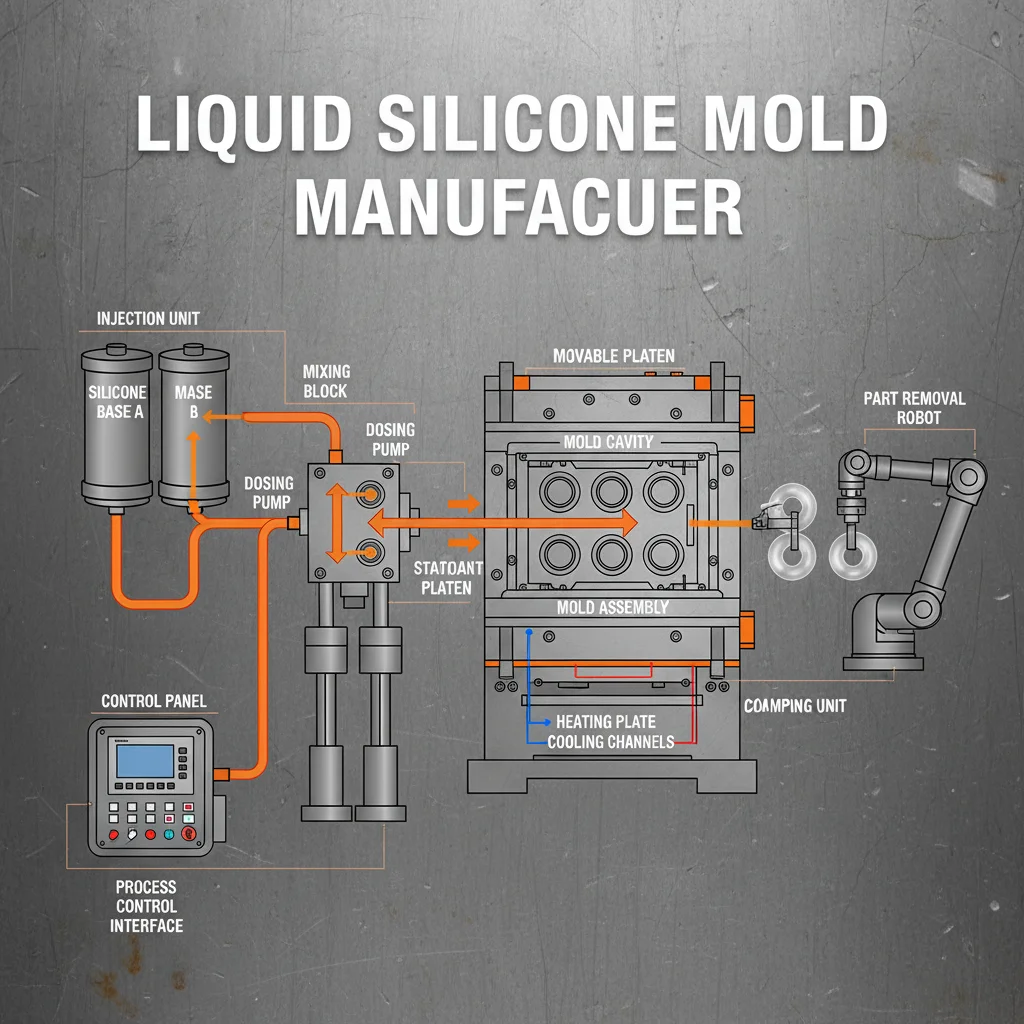
- Material requirements aligned to eventual production materials (e.g., liquid silicone rubber for seals and flexible components)
- Dimensional tolerance needs that affect fitment and assembly assessment
- Volume expectations and budget constraints
Technical engineers highlight that enabling accurate material simulation—such as matching the rheology of liquid silicone rubber (LSR) used in injection molding—can drastically reduce the iteration gap between prototype and final mass production. Advanced studies show that incorrect prototype materials or insufficient mold accuracy lead to costly design changes and rework ([MDPI][1], [ScienceDirect][9]).
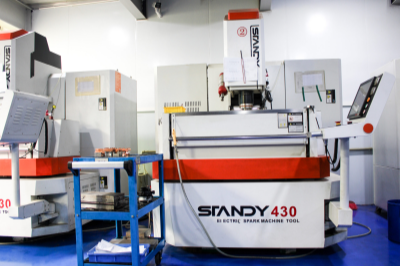
Modern digital manufacturing systems increasingly integrate AI-assisted process optimization, such as machine learning models for injection parameters, improving prototype cycle time and dimensional stability simultaneously ([arXiv][10],[11]). These developments enhance how prototypes reflect production realities, supporting smarter procurement decisions.
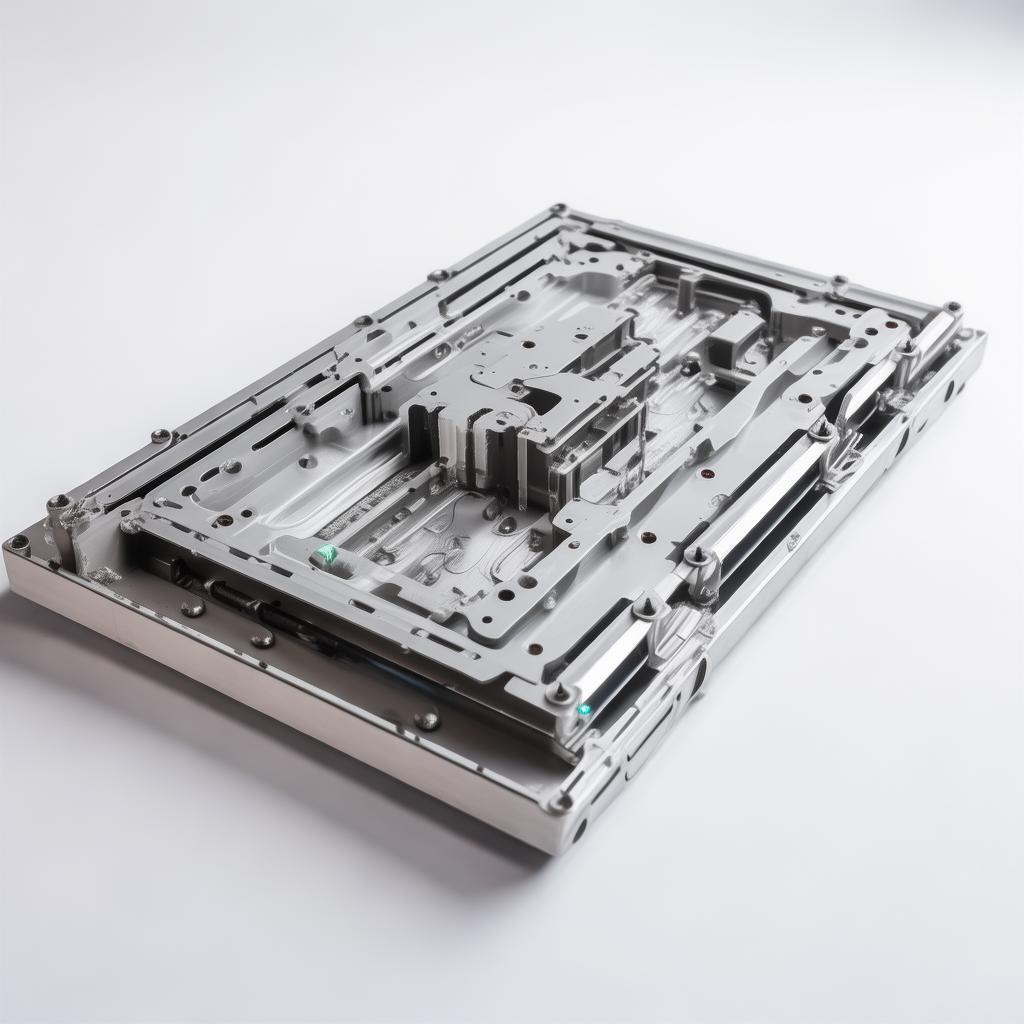
Core Advantages of Rapid Prototyping in Industrial Export and Manufacturing
- Reduced Time-to-Market: Rapid prototyping can shrink prototype delivery from months to mere days or weeks, enabling quicker design iterations and validation cycles. This agility is invaluable in industries with tight launch windows.
- Cost Efficiency in Early Stages: Avoiding expensive hard tooling at early validation phases lowers risk of sunk costs. Rapid methods facilitate multiple trials without extensive capital investment.
- Higher Design Freedom & Complexity: Additive manufacturing lets engineers realize intricate geometries and internal structures impossible with traditional machining; critical for components such as cooling channels or flexible seals.
- Improved Communication & Decision-Making: Physical prototypes aid procurement managers and engineers equally, providing tangible reference points that reduce misunderstandings and iterative back-and-forth with suppliers.
- Early Risk Identification: Bringing physical parts into hands faster exposes design flaws, material incompatibilities, or assembly issues well before tooling investment, minimizing costly course corrections later in the production line.
- Enhanced Customization & OEM/ODM Flexibility: Small-batch prototype runs allow suppliers and clients to test specific custom features and meet niche market demands, supporting just-in-time manufacturing strategies.
Application Scenarios: Where Rapid Prototyping Makes the Most Impact
Rapid prototyping serves a strong role across various industry verticals and manufacturing stages:
- Consumer Electronics: Fast iteration in housings, flexible silicone seals, and snap-fit components reduces time from design to shelf-ready products.
- Automotive and New Energy Vehicles: Prototyping precision gaskets, clips, and connectors for rigorous environment tests shortens development cycles.
- Medical Devices: Custom-fit parts, overmolded silicone components, and small-batch flexible prototypes ensure compliance and ergonomics before scale production.
- Industrial Equipment: Functional prototypes enable real-world stress tests for seals, bushings, and assembly tools, mitigating warranty risks.
- OEM/ODM Factories: Provide clients with quick mock-ups to confirm design specs and logistics feasibility, smoothing cross-border procurement.
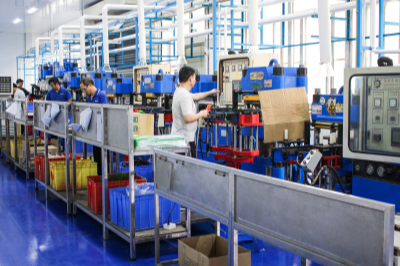
Each use case demands careful alignment of prototyping techniques with specific production process requirements. For example, LSR prototypes for medical wearables must replicate final injection molding material properties precisely, as noted in recent research ([Fictiv][7], [Reddit][14]). This precise mirroring prevents surprises in scale-up phases.
Procurement Best Practices: Selecting a Supplier for Rapid Prototyping Services
Choosing the right manufacturer or service partner for rapid prototyping is critical to realization of the aforementioned advantages. Here are key considerations for procurement teams evaluating suppliers:
- Technical Capability: Does the supplier possess a range of prototyping technologies (SLA, CNC, Rapid Tooling)? Confirm equipment age, precision specifications, and in-house testing equipment.
- Material Expertise: Relevant experience with your target production materials (e.g., LSR, ABS, TPU). Vendors should source industrial-grade polymers or silicones matching final production.
- Project Turnaround Times: Verify typical cycle times, minimum order volumes, and flexibility to handle iteration-heavy projects.
- Certifications and Compliance: ISO 9001, CE certification, and industry-specific standards relevant to your sector enhance trustworthiness.
- Documentation and Communication: Clarity on quotes, design feedback cycles, sample logistics, and tooling options.
- OEM/ODM Collaboration Experience: Proven capability to handle end-to-end prototype-to-production transitions.
Suppliers like Guangdong Yingtai, equipped with 55 LSR molding machines and advanced precision tooling equipment, excel in synchronizing these factors, ensuring you reduce risk across the supply chain.
| Criteria | Yingtai | Competitor A | Competitor B |
|---|---|---|---|
| Equipment Diversity & Modernity | 55 LSR machines, 30+ precision tools | Limited CNC, 20+ injection | Aged equipment, no LSR injection |
| Material Expertise (Silicone, Plastic) | Extensive, multi-industry experience | Plastic focus, limited silicone | Primarily thermoplastics |
| Typical Lead Time | 10-15 days for most prototypes | 20+ days | 30+ days |
| Certifications | ISO 9001, CE, RoHS | ISO 9001 | No major certifications |
large part prototyping fast prototyping service engineering & prototyping
For specialized rapid prototyping needs, sourcing from manufacturers who integrate design feedback with mass-production molding insights provides smoother commercial outcomes and fewer costly redesigns downstream.
Frequently Asked Questions from Procurement and Engineering Teams
- Q1: How closely do prototypes replicate final production materials?
- Material fidelity varies by prototyping technology. For example, rapid tooling with liquid silicone rubber (LSR) injection molding closely matches production properties, whereas basic 3D printing of resins or plastics may only simulate geometry. Nailing material characteristics early avoids surprises at scale.
- Q2: What is the typical lead time for rapid prototyping?
- Depending on complexity and technology, prototype delivery can range from 7 to 21 days. Rapid tooling tends toward the longer end but yields higher fidelity parts. Our export and manufacturing teams often recommend planning a 2-week buffer for design iterations.
- Q3: Are there volume limitations for rapid prototyping?
- Yes. Rapid prototyping is ideal for low-to-mid volume runs. Beyond hundreds or thousands of parts, hard tooling injection molding becomes more cost-effective and consistent.
- Q4: Can rapid prototypes be used for functional testing?
- Many rapid prototyping methods produce parts suitable for functional tests such as fit, assembly, and form validation. However, high-stress or long-term durability tests require materials and processing that simulate production exactly — this is where rapid tooling with production tooling materials shines.
- Q5: How do logistics impact prototype delivery in international procurement?
- Efficient communication and collaboration can reduce delays caused by customs clearance and shipping. Early engagement with suppliers about transit options like express courier (DHL/FedEx) versus sea freight informs lead time expectations. Our export team often prepares sample logistics plans aligned with client timelines.
Customer Feedback: Genuine Insights from Procurement and Engineering Experts

“Leveraging rapid prototyping with Yingtai allowed us to cut pre-production cycles by nearly two-thirds. Their expertise in LSR and quick tooling meant we caught design flaws way earlier, which saved potential costly tool reworks down the road."

“The Yingtai team’s integration of prototype feedback into final tooling design truly demonstrated their industry knowledge. We appreciated the transparency during rapid iterations and found their ISO certified processes indispensable for our medical device components.”

“From an operations perspective, having physical prototypes early helped our assembly line planners reduce surprises. Knowing the exact tolerances upfront meant smoother ramp-up in production and fewer downtime incidents.”
What Our Clients Are Saying (Live Chats)



Ready to Accelerate Your Product Development?
Reach out to Guangdong Yingtai High Precision Technology now to discuss your rapid prototyping needs. Benefit from experienced industrial OEM/ODM service, cutting-edge tooling capabilities, and streamlined communication tailored for global buyers.
Talk With Our EngineerPhone: +86 17722437688 (Miss Zhang) | Email: zmm@yingtai168.com