

AISI D2 Tool Steel – Precision & Durability for Your Industrial Needs
Expert insights from Guangdong Yingtai High Precision Technology Co., Ltd. – Trusted international supplier specializing in high-grade tool steel for OEM and ODM manufacturing.
Understanding AISI D2: Overview and Industry Context
When it comes to high-performance tool steels, AISI D2 stands out as a stalwart. Renowned for its excellent wear resistance and toughness, AISI D2 has been a mainstay in die and mold manufacturing, cold work tooling, and precision industrial components for decades.
Classified as a high-carbon, high-chromium air-hardening tool steel, D2 balances a hard, wear-resistant matrix with a relatively good degree of toughness compared to other high-hardness tool steels. Its chemical composition features approximately 1.5–1.6% carbon and 11–13% chromium, resulting in a microstructure rich in chromium carbides that impart superior abrasion resistance.
Within sectors such as automotive, aerospace, heavy machinery, and general manufacturing, AISI D2 often serves as the backbone material for applications demanding high lifespan under abrasive wear and cyclic stress. Equipment manufacturers rely heavily on its dual capacity for precision machining and long-lasting performance.
However, sourcing the right grade, ensuring compliant heat treatment, and matching delivery schedules to production planning often trip up purchasing teams. This page aims to provide a thorough look at AISI D2 from a practical sourcing and technical perspective that decision-makers and engineers can trust.
Whether you’re selecting material for a new stamping die, planning a maintenance inventory, or evaluating overseas suppliers, understanding the nuances of AISI D2’s properties and manufacturing context is critical.
Industry Pain Points in Tool Steel Procurement
Buying AISI D2 tool steel in bulk is far from straightforward—lots of pitfalls lurk in the details, especially for importing or OEM-distribution. A few operational challenges we regularly see include:
- Composition consistency risks: Inconsistent carbon or chromium levels can cause performance degradation or heat treatment failures. Not every mill abides fully by ASTM A681-22 standards, so material certification scrutiny is essential.
- Heat treatment unpredictability: Improper hardening or tempering cycles often cause part brittleness or dimensional instability, upsetting industrial production schedules.
- Lead time mismatch: Tool steel production can take upwards of 30-45 days for larger lots, sometimes longer with certifications needed. This can delay tooling projects when procurement plans are tight.
- Logistics complexity: Tool steels are heavy, and shipping costs vary widely based on volume, packaging standards, and container loading efficiencies.
- Supplier trust and after-sales support: Technical support after shipment—especially when overseas—is key for picking suppliers who truly understand the tool-making ecosystem and competitive manufacturing pressures.
Keeping these pain points in mind enables you to mitigate sourcing risks proactively rather than reacting to costly manufacturing delays or tooling failures down the line.
Why AISI D2 Tool Steel Shines: Key Advantages
Understanding what sets AISI D2 apart can shape your procurement strategy. Here are its pivotal product strengths contextualized for industrial buyers:
- High wear resistance: Thanks to high chromium content and abundant carbides, AISI D2 withstands abrasive environments—critical in blanking, cutting, and forming tooling.
- Good toughness for cold work steel: While not as tough as some low-alloy steels, D2 balances hardness and toughness well enough for durable die components.
- Dimensional stability post heat treatment: Air-hardening characteristics reduce distortion risks during hardening, supporting tighter tolerances.
- Corrosion resistance advantage: Chromium’s presence improves rust resistance, useful in humid or mildly corrosive factory settings.
- Machinability and grindability: Though hard, D2 is reasonably machinable and can be precision ground to final dimensions, reducing secondary operations.
- Cost-effectiveness: Compared with high-alloy tool steels, D2 offers a practical performance/cost ratio, especially with assured supplier quality.
All advantages depend on proper specification adherence and handling; thus, choosing a capable OEM/ODM supplier is non-negotiable.
AISI D2 Technical Specifications at a Glance
| Chemical Composition (%) | Range |
|---|---|
| Carbon (C) | 1.40 – 1.60 |
| Chromium (Cr) | 11.0 – 13.0 |
| Molybdenum (Mo) | 0.70 – 1.20 |
| Vanadium (V) | 0.80 – 1.20 |
| Nickel (Ni) | ≤ 0.30 |
| Mechanical Properties (Typical) | Value |
|---|---|
| Hardness (HRC, post heat treatment) | 58-62 |
| Tensile Strength (MPa) | 1900 – 2100 |
| Yield Strength (MPa) | 1500 – 1700 |
| Elongation (%) | 8 – 12 |
| Impact Toughness (J) | 12 – 20 (varies with treatment) |
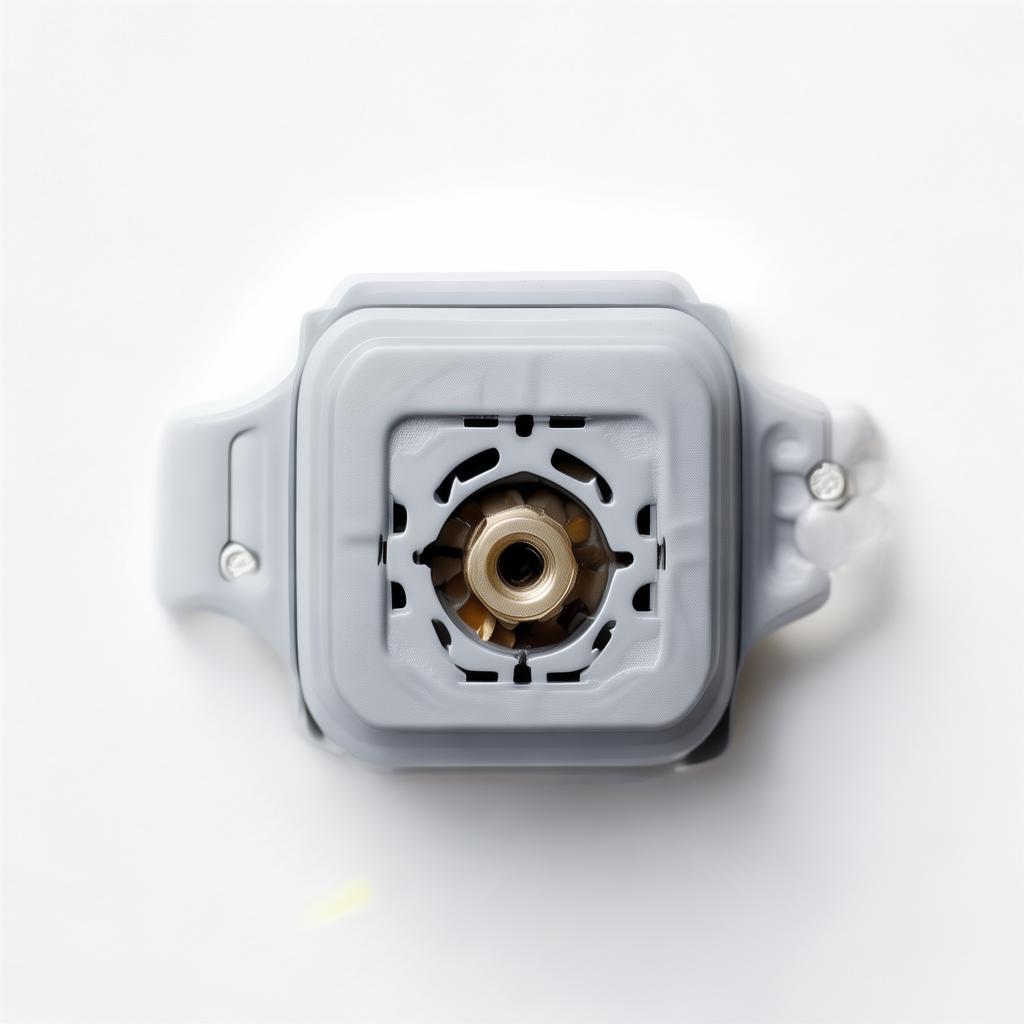
zamak 2 abs esd7 epdm grommets
Standards Referenced: ASTM A681-22, ISO 4957:2020
Where AISI D2 Fits: Typical Industrial Applications
AISI D2 is widely used across industries requiring tooling and components that endure abrasive contact, cyclic loading, and dimensional precision. Primary application environments include:
- Cutting and forming dies: Cold heading, blanking, and trimming tools benefit from D2’s wear resistance and hardness.
- Rolls and slides: Components in heavy machinery exposed to abrasive wear.
- Shearing blades: Industrial and automotive shears demand steels combining hardness with toughness.
- Wear plates and punches: Applications where surface durability is essential for operational uptime.
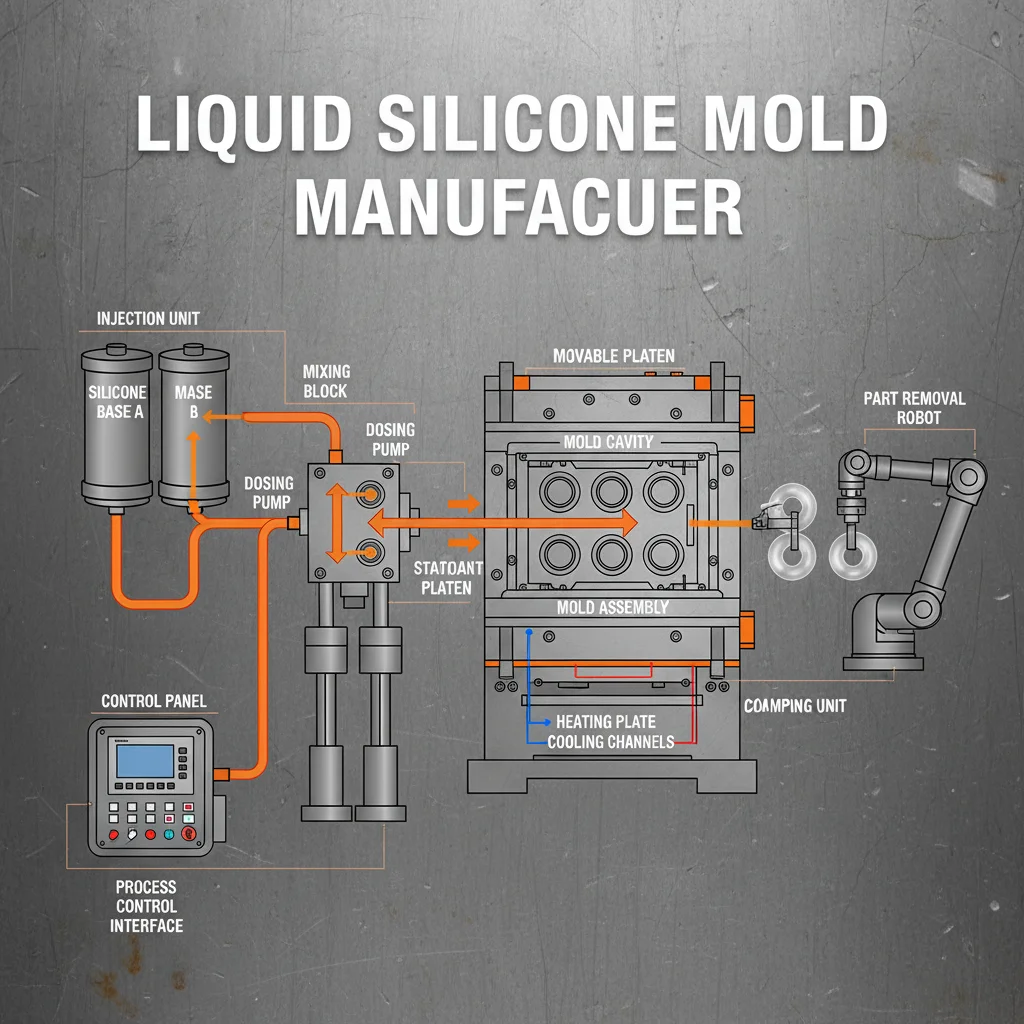
- Mold manufacturing: For plastics and rubber molding where dimensional stability after heat treatment is critical.
Additional considerations include the operating temperature range (generally up to ~300°C) and impact load conditions to ensure D2 matches the component’s stress profile.
Procurement Advice and Supplier Evaluation
Smart purchasing decisions start long before contracts are signed. For buyers of AISI D2, a technical and operational checklist helps prevent common sourcing mistakes:
- Material certification: Require full mill test reports (MTRs) compliant with ASTM/ISO standards, verifying chemical composition and mechanical properties.
- Heat treatment traceability: Suppliers should provide process documentation—hardening and tempering parameters consistent with batch testing.
- Prototype sampling: Request samples for machining trials and microstructure evaluation before bulk procurement.
- OEM/ODM capabilities: Favor suppliers who offer tailored sizes, custom heat treatment, and value-added processing such as surface finishing or machining.
- Lead times and MOQ awareness: Confirm production schedules early and align logistics with project timetables to avoid costly downtime.
- Logistics expertise: Choose partners experienced in international shipping, container optimization, and customs clearance for tool steels.
- After-sales technical support: Strong engineering collaboration post-sale aids in resolving installation or performance issues efficiently.
Buyers should also benchmark pricing against global indices while balancing quality imperatives. Inadequate upfront scrutiny often leads to waste through rejected batches or reworks.
Frequently Asked Questions
What is the typical heat treatment process for AISI D2?
AISI D2 usually undergoes preheating at 650-850°C to relieve stresses, followed by air quenching from 1020-1050°C to achieve the required hardness. Final tempering occurs around 150-370°C to reduce brittleness while maintaining hardness.
How does AISI D2 compare to AISI O1 and AISI M2?
Compared to oil-hardening AISI O1, D2 provides better wear resistance and corrosion resistance due to higher chromium content. Against AISI M2 high-speed steel, D2 offers superior abrasion resistance but lower high-temperature hardness—making it better suited for cold work applications.
What are common challenges when machining AISI D2?
D2 is quite hard and abrasive, causing faster tool wear. Use carbide tooling with proper coolant and feed rates. Rough machining before hardening is recommended when possible to extend tool life.
Can Guangdong Yingtai supply custom sizes or Machined AISI D2 parts?
Yes, Yingtai offers OEM and ODM services including custom bar sizes, precision surface grinding, and post-processing according to client specifications with full quality control.
What Our Customers Say

Ordering AISI D2 bars from Yingtai was straightforward. Their material certification was beyond expectations, and shipping met our tight deadlines. The steel quality enabled us to improve tool longevity on the stamping lines, saving maintenance costs.

We needed consistent heat treatment and dimensional stability for precision tools. Yingtai’s team advised on batch testing and customization options which made the process smooth. Their technical support helped optimize our production parameters too.

There’s risk in importing heavy tool steel, but Yingtai’s handling of customs, packaging, and shipping saved us headaches. The D2 billets performed reliably in our cold forging dies. The OEM service cut turnaround times significantly.
Get In Touch – Qingdao Yingtai’s AISI D2 Solutions
Based in Dongguan’s industrial hub, Guangdong Yingtai High Precision Technology Co., Ltd. combines 35,000m² of modern manufacturing capability with a 500-strong team experienced in advanced tooling materials and precision production.
Equipped with state-of-the-art testing instruments and strict quality management systems, Yingtai specializes in delivering high-grade AISI D2 tool steel bars, blanks, and custom-machined parts with full traceability.
Reach out today to:
- Request detailed AISI D2 product specifications
- Discuss custom OEM/ODM machining or heat treatment options
- Obtain factory pricing quotations and sample orders
- Plan logistics & shipping schedules tailored for your project
Supporting Visual Interactions