Understanding AISI Grades of Steel: Essential Guide for Industrial Buyers and Procurement Specialists
Technical insights, material comparisons, and best practices from Guangdong Yingtai High Precision Technology Co., Ltd.
Introduction to AISI Steel Grades
In the expansive world of industrial manufacturing, the AISI (American Iron and Steel Institute) grades of steel stand as a fundamental classification system relied upon by engineers, procurement managers, and operations directors worldwide. Their usage spans industries—from automotive and aerospace to construction and heavy machinery—where selecting the correct steel grade can substantially influence quality, cost-efficiency, and project success.
At its core, the AISI grades categorize steel primarily by chemical composition and mechanical properties, distinguishing between carbon steels, stainless steels, and alloy steels. This classification supports material consistency and performance predictability across supply chains, particularly critical in international B2B commerce and OEM manufacturing.
Manufacturing procurement is frequently challenged by the diversity of AISI grades—designations like AISI 1018, 304, 4140, 316L, and others each serve unique operating environments. Understanding these nuances is the first step toward making informed decisions that reduce risks associated with material failure, excessive processing costs, or supply delays.
For example, the ubiquitous AISI 1018 is recognized for its excellent machinability and reasonable strength, often chosen for components requiring moderate mechanical properties without extreme corrosion resistance. Conversely, AISI 304 and 316L stainless steels cater to applications demanding superior corrosion resistance or chemical stability, like food processing equipment or marine hardware.
Beyond just labels, AISI grades intersect with other international standards including ASTM, SAE, and ISO norms. When selecting steel grades for export or cross-border supply, understanding these overlaps ensures compliance with destination country regulations and technical requirements.
Operational experience underscores some recurring observations:
- Specifying the correct AISI grade at the design stage expedites sourcing by aligning expectations with suppliers’ catalog inventories.
- Misalignment between AISI grade and application environment accounts for many premature failures—especially where temperature or chemical exposure is underestimated.
- Lead times can vary significantly by steel grade due to production complexity, alloy availability, and standard certification processes.
Our goal in this guide is to clarify these complexities, providing procurement professionals and engineers with a clear lens on AISI grades, complemented by sourcing insights and technical guidance essential for savvy purchasing decisions.
Common Industry Challenges in Steel Grade Selection
Industrial buyers routinely confront a spectrum of challenges when navigating AISI steel grades in bulk procurement. The stakes are high—not merely financial but operational and reputational.
- Ambiguity in Grade Specifications: Misinterpretation of AISI grade characteristics leads to ordering mismatches, causing delays or costly substitutions.
- Supply Chain Variability: Not all suppliers maintain consistent stock of specialized grades like high-carbon or low-alloy steels, impacting lead times unpredictably.
- Certification and Compliance Issues: Confusion between AISI and other standards (e.g., ASTM A36 vs. AISI 1018) can create compliance risks in regulated sectors.
- Material Performance Under Specific Conditions: Selecting a grade without full appreciation of operating temperature, wear, or corrosion factors results in premature equipment downtime.
- Pricing Fluctuations: Fluctuating alloying element costs and global steel market instability affect budgeting processes significantly.
Buyers who navigate these pain points effectively leverage deep technical understanding and supplier collaboration. Operational logistics also play a role; for instance, international freight optimization requires anticipating packaging and container loading schemes based on steel size, weight, and handling requirements.
Technical Classification and Standards Overview
AISI steel grades are structured into categories that facilitate material identification and standardization during production and procurement:
| Category | Typical Grades | Key Characteristics | Applications |
|---|---|---|---|
| Carbon Steels | AISI 1018, 1020, 1045 | Good weldability, machinability; moderate strength | Structural parts, shafts, gears |
| Alloy Steels | AISI 4140, 4340 | Higher strength, hardness; improved toughness | Automotive components, heavy machinery, tooling |
| Stainless Steels | AISI 304, 316, 316L | Corrosion resistance, chemical stability | Food processing, chemical plants, marine equipment |
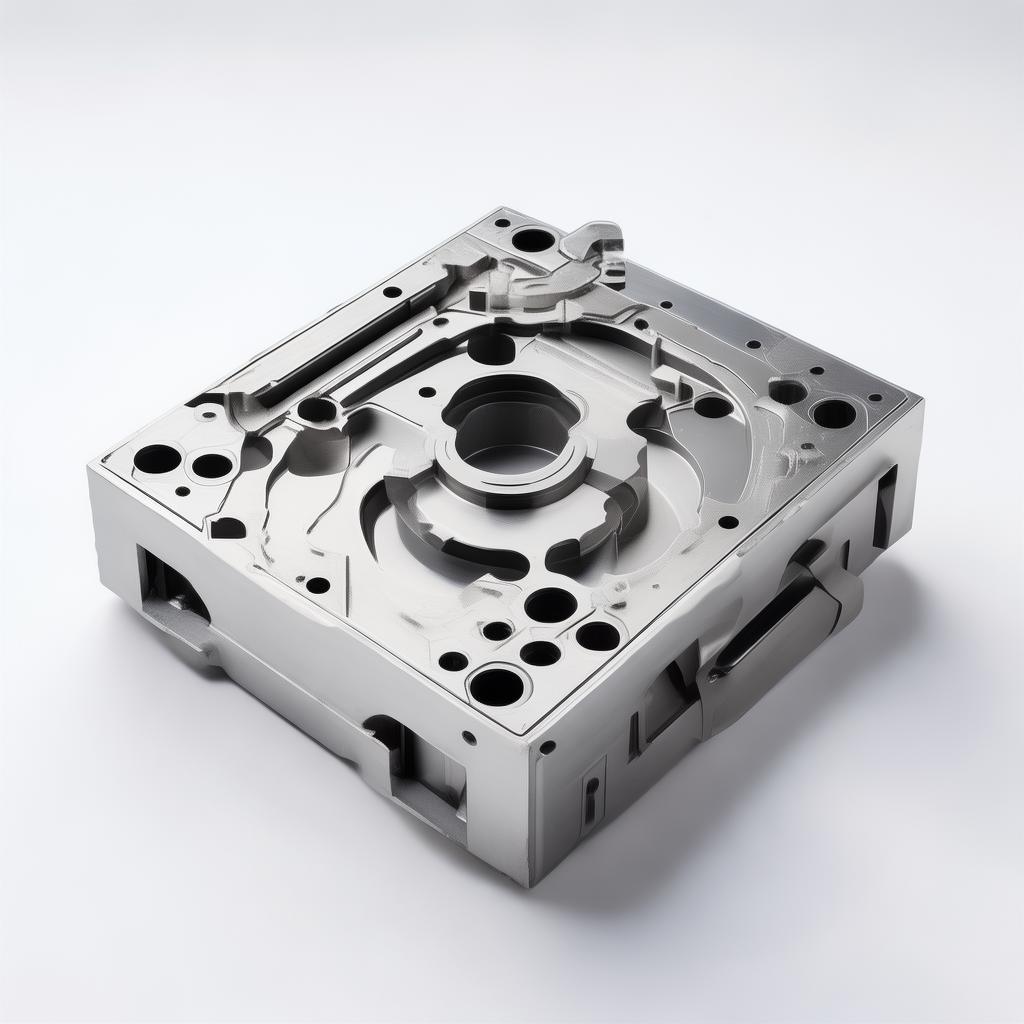
annealing steel a2 tool steel alloy steel products
The AISI nomenclature often coincides or overlaps with SAE (Society of Automotive Engineers) numbers, notably in the alloy steel sector. For procurement precision, cross-referencing grades with ASTM standards (e.g., ASTM A276 for stainless steel) is advisable, especially when certifications form part of contract requirements.
Example: AISI 4140 alloy steel is frequently demanded for its balance of strength and ductility, backed by heat treatment processes conforming to well-defined ASTM protocols to ensure mechanical properties.
Material Comparison & Product Advantages
Choosing between AISI steel grades requires matching project requirements with the mechanical properties, chemical resistance, and price-performance ratio of each grade. Below is a concise comparison essential for buyer guidance:
| Grade | Tensile Strength (MPa) | Corrosion Resistance | Machinability & Weldability | Typical Cost Range |
|---|---|---|---|---|
| AISI 1018 | 440 - 550 | Low | High | $ - $$ |
| AISI 4140 | 655 - 850 | Moderate | Moderate | $$ - $$$ |
| AISI 304 Stainless | 515 - 720 | Excellent | Good | $$$ |
| AISI 316L Stainless | 485 - 620 | Superior (marine grade) | Fair | $$$$ |
Note: Pricing and mechanical values vary by source and heat treatment processes. Stainless steels often command higher prices but provide essential longevity and reliability in corrosive environments.
From an operational viewpoint, consider these practical insights:
- Carbon steels like AISI 1018 are favored where cost sensitivity outweighs corrosion needs. They excel in applications such as agricultural implements and basic machine parts.
- Alloy steels
- Stainless steels (304, 316L) require close collaboration with suppliers to verify certification adherence (e.g., ASTM A240) and assure traceability for critical applications like food equipment and medical instruments.
Procurement Guidance and Supplier Evaluation
Global sourcing of AISI steel grades comes with nuance; factories range from OEM leaders to wholesale exporters, each differing in capabilities, quality control, and compliance certification. Here are key considerations when selecting suppliers:
- Certification Checks: Prioritize suppliers with ISO 9001 quality management certification and product-specific standards such as ASTM or EN. For stainless steel, look for 3.1 or 3.2 material test certificates.
- Production Capacity: Evaluate factory equipment and throughput—modern heat treatment lines and precision rolling mills indicate better material consistency.
- OEM/ODM Capability: Suppliers with OEM experience can offer customization opportunities, a critical aspect for complex components or unique alloy prescriptions.
- Inspection and Testing: Confirm availability of in-house mechanical testing (tensile, hardness, impact) and non-destructive examination to guarantee batch integrity.
- Logistics Experience: International shipments require streamlined container loading expertise and export compliance knowledge to minimize lead time and unforeseen customs delays.
- Sample and Catalog Availability: Request product samples and detailed spec sheets upfront—this transparency aids internal technical validation and reduces costly back-and-forth.
At Guangdong Yingtai High Precision Technology Co., Ltd., while our main focus is on liquid silicone and precision molding, we maintain a robust supplier network for quality AISI steel grades tailored for component manufacturing, more importantly facilitating streamlined integration with liquid silicone overmolding where steel inserts are common.
Experience-based tip: Engage suppliers who communicate clearly about variations in heat treatment and batch consistency. Procurement teams report that such transparency significantly lowers risk in subsequent fabrication stages such as CNC machining and welding.
If you are evaluating suppliers for AISI steel grades and need a dependable partner or guidance on technical specs, reach out to our export director Miss Zhang directly for tailored consultation and factory pricing.
Frequently Asked Questions
- What distinguishes AISI carbon steel from alloy steel?
- Carbon steel contains primarily iron with carbon as the main alloying element, with limited amounts of other elements. Alloy steels include additional metals like chromium, nickel, or molybdenum to enhance strength, hardness, or corrosion resistance.
- How do I verify the quality of AISI stainless steel shipments?
- Insist on certified mill test reports (MTRs) confirming compliance to ASTM or EN standards, chemical composition analysis, and comprehensive mechanical test results from a reputable lab.
- Are AISI grades internationally accepted?
- AISI is primarily a North American classification system but overlaps extensively with SAE and ASTM standards widely used globally. It’s important to cross-reference with destination country standards to avoid compliance issues.
- What are common procurement mistakes when ordering AISI steel?
- Misunderstanding grade specifications, ignoring heat treatment details, bypassing certification verification, and neglecting logistics factors such as packaging and delivery timelines often cause supply chain headaches.
- Can AISI steel grades be used directly for complex parts?
- Most often, steel requires secondary processes like machining, welding, plating, or coating. OEM collaboration helps optimize material choice early to reduce production bottlenecks and maintain cost control.
Customer Reviews and Testimonials

"Ordering AISI 4140 steel plates from Guangdong Yingtai has streamlined our automotive assembly line manufacturing. Their adherence to ASTM standards and prompt delivery helped us reduce downtime and scrap rates."

"Their expertise in working with AISI 316L stainless steel tailored for marine parts was critical. The quality consistency and testing documents supported our ISO 14001 certification requirements."

"The consultation on selecting the proper AISI grade saved us from a potential costly error. Their technical staff walked us through the characteristics of 1018 vs 1045 steel, which steered the project toward success."
Contact & Next Steps
Ready to source your next batch of AISI steel grades with confidence? Explore our factory-direct pricing, OEM capabilities, and comprehensive documentation support.
Contact Miss Zhang, Export Director
Phone/WhatsApp: +86 17722437688
Email: zmm@yingtai168.com
Fax: +86 0769-83666863
Address: No. 359 Chang'an Bubugao Road, Chang'an Town, Dongguan City, Guangdong Province, China
Request Product Specs or Get Factory Pricing