All-Electric Injection Molding Machines: Precision, Efficiency & Sustainability for Modern Manufacturing
Guangdong Yingtai High Precision Technology Co., Ltd. — Expert Solutions in Advanced Molding Technology
Introduction: The Industrial Shift Toward All-Electric Injection Molding
In today’s competitive manufacturing landscape, all-electric injection molding machines are rapidly becoming the backbone of precision plastic and silicone production. Especially in sectors like automotive components, medical devices, consumer electronics, and advanced silicone sealing systems, the demand for environmentally friendly, energy-efficient, and highly repeatable molding technology is no longer optional — it’s imperative.
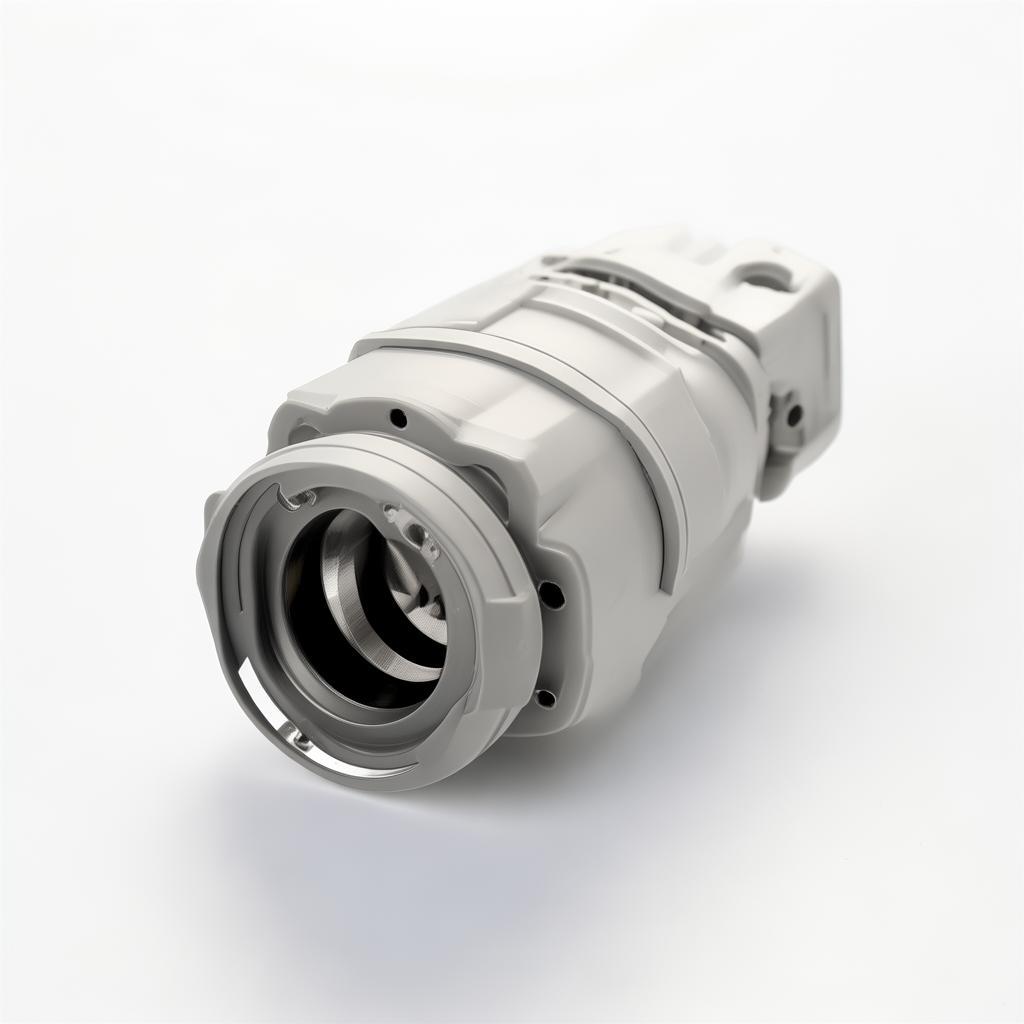
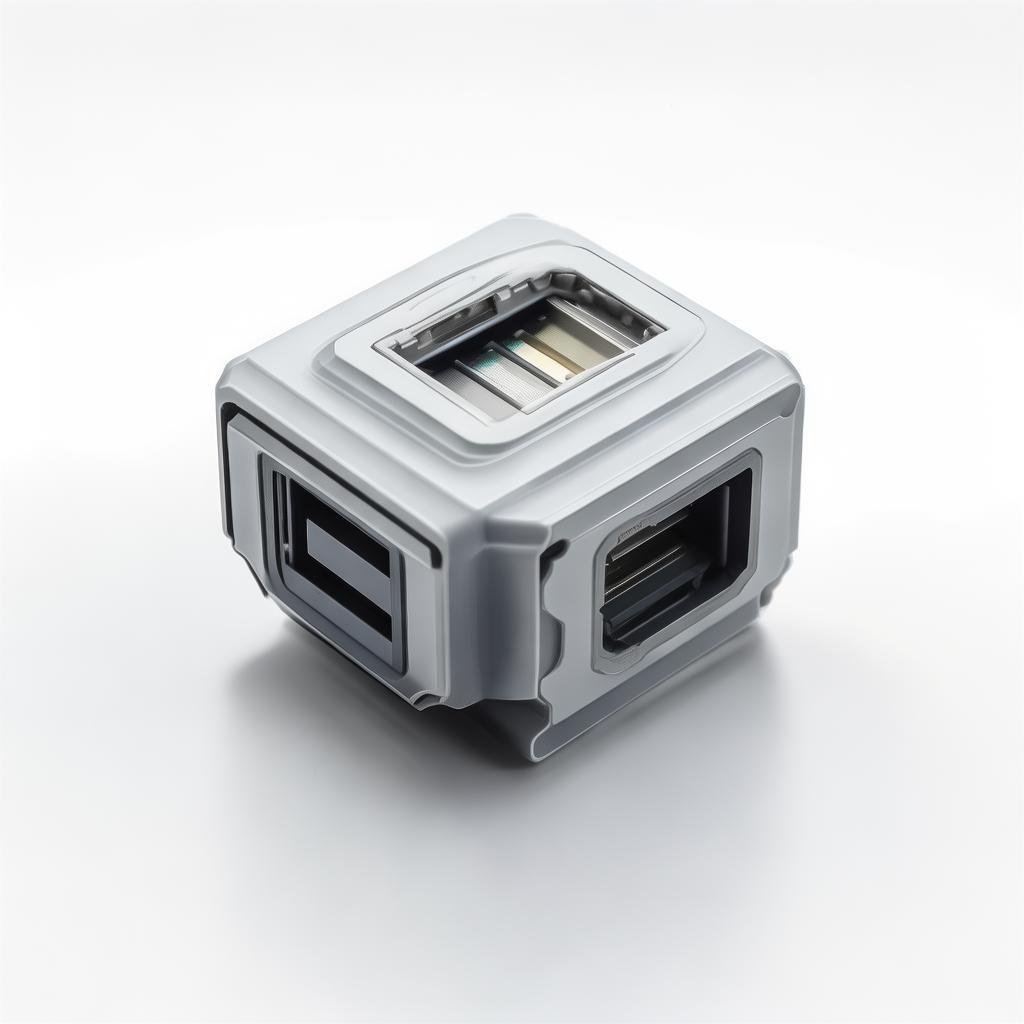
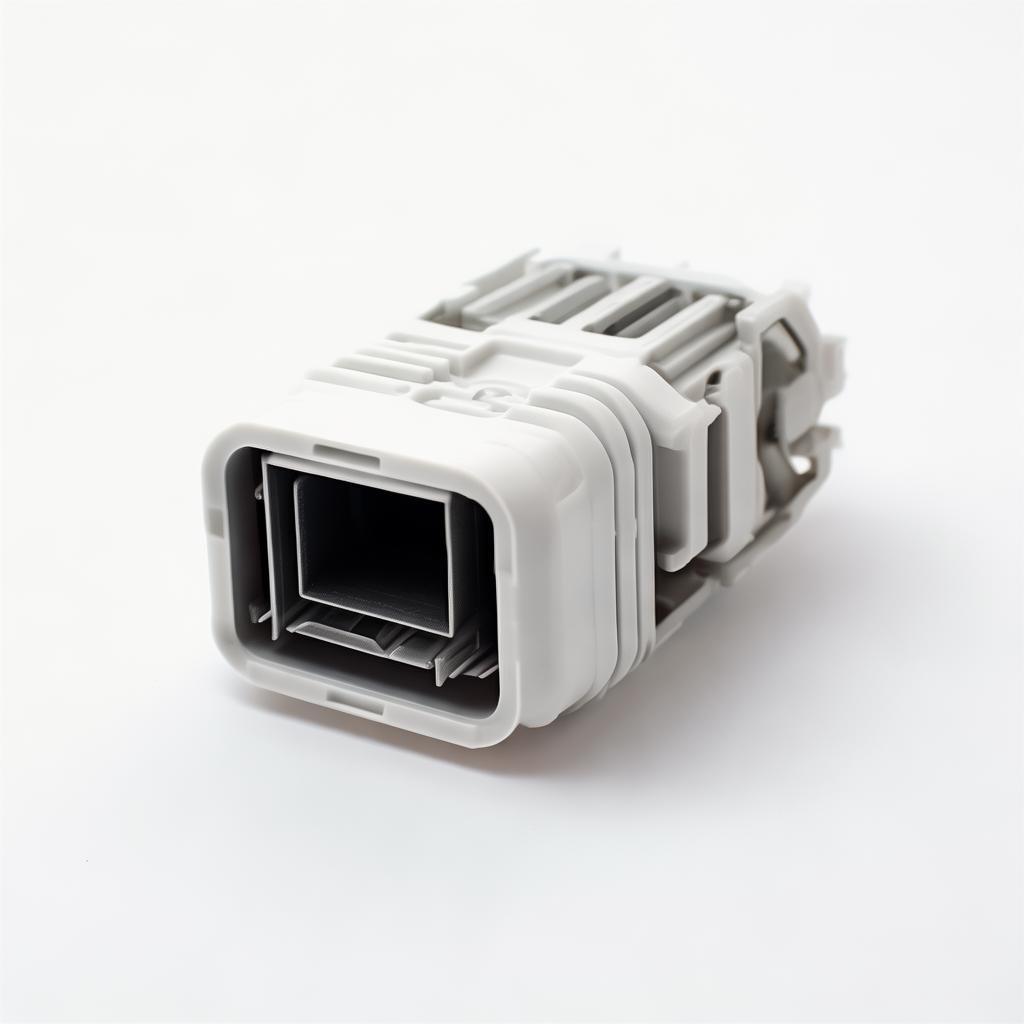
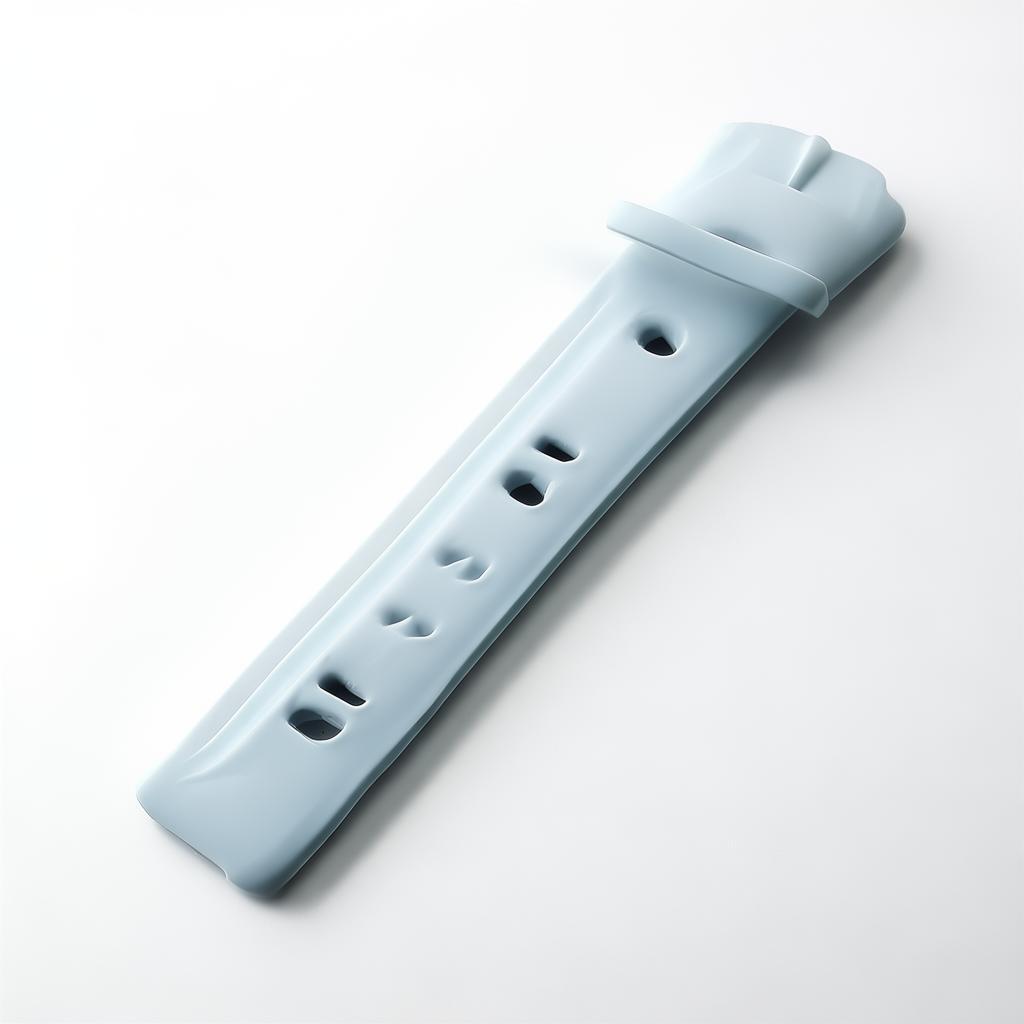
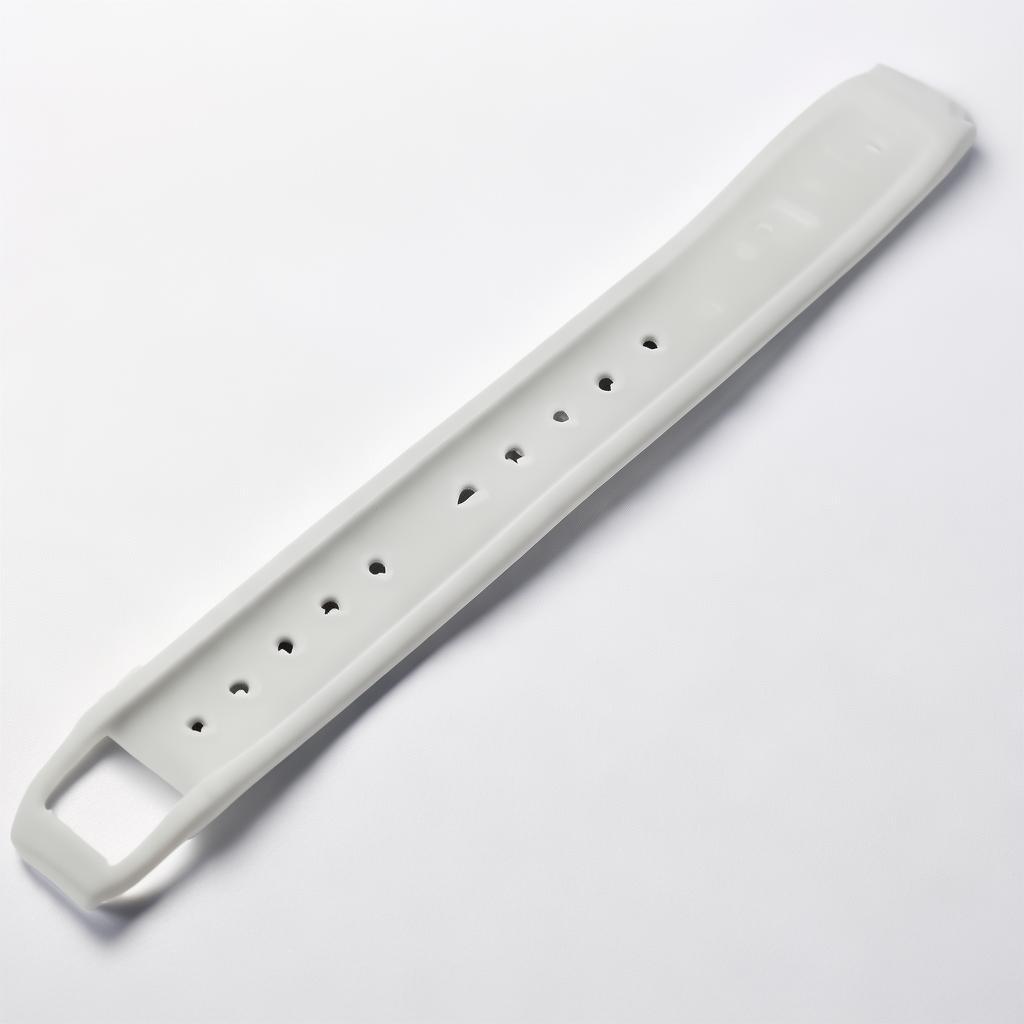
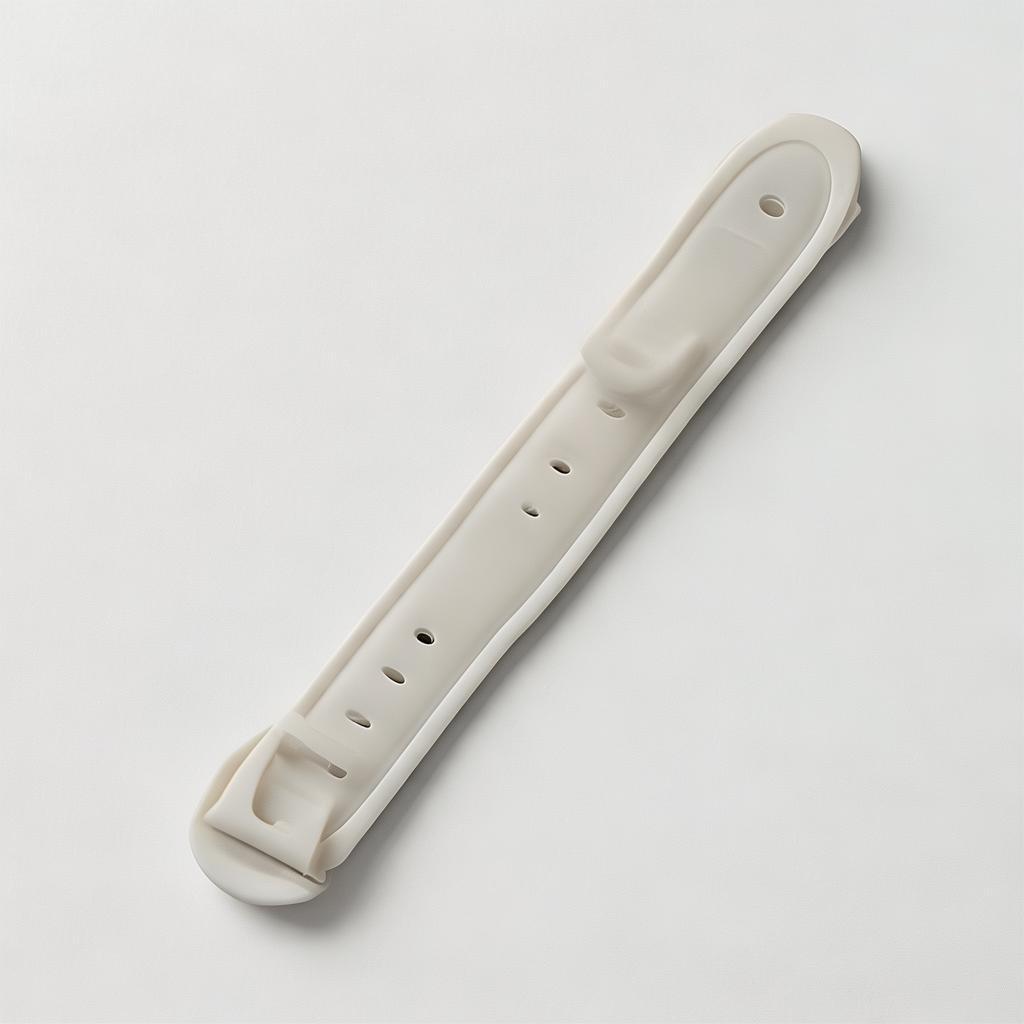
Customized injection molding factory electronics injection molding OEM ppe injection molding
Unlike traditional hydraulic or hybrid injection systems, all-electric machines use servo motor-driven technology to control every critical phase of the molding process. This shift not only improves precision but also cuts energy consumption significantly—down to one-third the usage of hydraulic counterparts in many cases. The result: notable reductions in operational costs and carbon footprint.
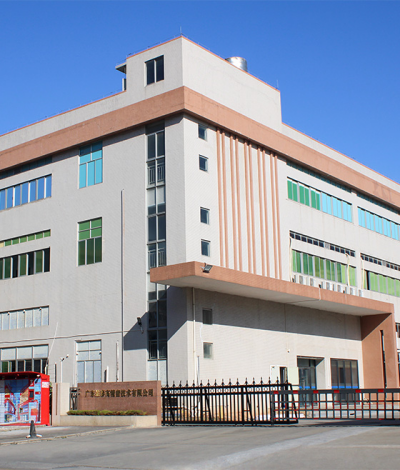
Manufacturers like Guangdong Yingtai High Precision Technology Co., Ltd., rooted in Dongguan, China’s manufacturing hub, have leveraged over 20 years of operational insight to evolve injection molding systems that prioritize both performance and sustainability. Our factory combines advanced all-electric machines with specialized mold development to cater to demanding fields such as liquid silicone injection molding (LSR), industrial-grade plastic components, and waterproof electronic seals.
For procurement managers and technical engineers evaluating equipment upgrades, understanding the nuances of all-electric systems—such as their servo-driven clamping, high-resolution motion control, and variable-speed injection—is critical for selecting solutions that align with production goals and product quality standards.
Moreover, the increasing popularity of materials like Liquid Silicone Rubber (LSR) and thermoplastics in applications requiring delicate detail, long-term durability, and biocompatibility intensifies the need for machines capable of delivering consistent dosing and thermal stability. According to multiple authoritative market reports, the LSR market alone is set to grow at a compound annual growth rate (CAGR) of approximately 8–9% through 2030, driven largely by innovations in precision injection molding technologies.
Choosing an all-electric injection molding machine with adaptive control and multi-axis precision directly translates into reduced scrap rates, faster cycle times, and enhanced product consistency—essential components in highly competitive export and OEM markets. Our clients often note shorter setup time and more straightforward maintenance workflows than with hydraulic models, translating into less downtime and faster order fulfillment.
In short, the evolution of all-electric injection molding machines denotes a convergence of environmental responsibility with uncompromising production standards — a win-win for manufacturers serving global markets. For a nuanced discussion on technology, operational challenges, and strategic procurement, continue reading below.
Industry Challenges and Operational Pain Points
Challenges abound in plastic and silicone component manufacturing, especially when dealing with traditional hydraulic injection molding machines. Many USA-based facilities report issues such as:
- Energy inefficiency: Hydraulic systems consume considerable power continuously, even during idle cycles.
- Inconsistent precision: Variations in hydraulic pressure and thermal fluctuations can lead to dimensional deviations impacting product quality.
- Maintenance overhead: Frequent hydraulic oil changes, seal replacements, and potential leaks cause unexpected downtime and increased operating costs.
- Environmental impact: Hydraulic fluid disposal and spillage risks complicate compliance efforts in strict regulatory environments.
- Complex control systems: Hybrid machines often require additional training for operators and pose integration challenges with Industry 4.0 systems.
Additionally, procurement teams face difficulty navigating the landscape of injection molding OEMs and suppliers, with concerns about:
- Variability in machine reliability and after-sales service
- Hidden costs in logistics, customs clearance, and installation
- Long lead times jeopardizing production ramp-ups
- Compatibility with specialized materials like liquid silicone rubber and medical-grade plastics
For manufacturers catering to sectors like new energy vehicles, wearable tech, or precision consumer electronics, these issues can significantly impact margins and delivery schedules.
Technical Insights: How All-Electric Machines Work
At the heart of all-electric injection molding technology lies the use of servo motors and precision ball screws to control the injection, clamping, and ejector units. This direct-drive mechanism eliminates the need for hydraulic fluid, reducing mechanical energy loss and enhancing repeatability.
Key technical elements include:
- Servo-driven clamping unit: Precise positioning and force management lead to uniform mold closures, reducing flash defects and variance.
- Electric injection unit: Variable speed and pressure profiles enable optimized filling for complex geometries and multi-shot molding.
- Advanced temperature control: Integrated thermal modules ensure stable barrel and mold conditions—critical for heat-sensitive materials like LSR.
- Intelligent control system: CNC-like programming interfaces allow real-time parameter adjustments and data logging for quality assurance and traceability.
- Energy recovery systems: Regenerative drives recapture braking energy from servo motors, improving overall plant efficiency.
These features translate into tighter dimensional tolerances, improved surface finishes, and consistent curing behavior — particularly important when processing silicone materials meeting certifications such as FDA-compliant grades or ISO 13485 medical standards.
Operational engineers also appreciate the quieter operation, cleaner work environments (no hydraulic oil mist or leaks), and simplified troubleshooting enabled by modular components and digital diagnostics.
Key Advantages for Procurement and Operations
When evaluating all-electric injection molding machines, buyers should weigh tangible benefits that impact ROI and supply chain resilience:
- Energy efficiency: Typically 30%-50% less electricity consumption versus hydraulic machines, contributing to major cost savings and green manufacturing credentials.
- Significantly reduced maintenance: No hydraulic fluids or pumps reduces downtime and consumable costs.
- Stable, repeatable production: Precise servo motion controls improve part consistency, lowering scrap rates — crucial in tight-tolerance applications.
- Improved safety and cleanliness: No hydraulic leaks or toxicity risks supports factory safety and environmental compliance.
- Smaller footprint and installation flexibility: Electric units generally require less space and can be installed closer to the production line.
- Fast cycle times: Rapid acceleration/deceleration profiles help manufacturers achieve higher outputs without sacrificing quality.
- Seamless integration: All-electric machines often come with IoT-ready interfaces for Industry 4.0 readiness, enabling predictive maintenance and data-driven production planning.
From a procurement standpoint, selecting reliable all-electric machines also means negotiating factors around lead times, OEM customization options, certifications, and after-sales support — especially important in the context of fluctuating global supply chains.
Technical Specifications and OEM/ODM Customization
Guangdong Yingtai's all-electric injection molding machines are engineered for versatility and high repeatability, adaptable for various materials, including thermoplastics and LSR.
| Model | Clamping Force | Injection Capacity | Electric Power | Precision Control |
|---|---|---|---|---|
| YEIM-E300 | 300 tons | 120g | 38 kW | ±0.01 mm |
| YEIM-E500 | 500 tons | 220g | 54 kW | ±0.008 mm |
| YEIM-E800 | 800 tons | 430g | 75 kW | ±0.005 mm |
OEM/ODM Capabilities: Our production park includes over 80 injection molding units, including 55 liquid silicone machines, enabling seamless multi-material overmolding and integrated molding solutions. Customization options allow adaptation for specific application requirements — including multi-shot molding with ABS or polycarbonate, advanced thermal zoning, and IoT-enabled smart control panels for integration with client MES systems.
All machines comply with CE and ISO 9001:2015 standards, backed by documented quality control procedures and environmental certifications to meet stringent export market regulations.
Frequently Asked Questions
- Q1: How do all-electric machines compare with hydraulic in terms of maintenance?
-
The absence of hydraulic fluids and related components greatly reduces maintenance complexity. Servos and ball screws require lubrication but do not involve oil changes or leak management, cutting downtime substantially.
- Q2: Are these machines suitable for liquid silicone rubber molding?
-
Absolutely. Our machines are optimized for LSR processing, featuring precise temperature control and stable injection speed necessary for material curing consistency, aligning with global medical and industrial silicone standards.
- Q3: What about energy consumption?
-
All-electric models typically consume significantly less electricity than hydraulic ones — some studies and supplier feedback suggest savings of 30-50% or more, depending on production volume and cycle frequency.
- Q4: Can you customize machines for specific OEM projects?
-
Yes. We provide tailored machine builds, including multi-component injection molding capabilities, proprietary control software, and integration with third-party automation or quality inspection systems as per client requirements.
- Q5: What are typical lead times for shipping?
-
Depending on customization level and production schedules, factory lead times range from 4 to 10 weeks. We also assist with container loading, customs documentation, and logistics planning to ensure smooth delivery.
Customer Reviews & Procurement Insights

"Our facility switched to Yingtai’s all-electric machines last year. The improvement in cycle time consistency and tooling downtime is tangible. Plus, our energy bills dropped noticeably. This supplier listens closely to our needs and adapts machines to our production lines seamlessly."
John M., Operations Manager, Michigan

"The precision of these machines was critical for our medical silicone seals. Yingtai’s team helped us specify customized injection profiles to meet ISO 13485 standards. Their after-sales service with remote diagnostics further convinced us over competitors."
María G., Procurement Consultant, Texas

"We appreciated the detailed shipping and installation planning Yingtai provided — no surprises at customs or factory ramp-up. The machines operate smoothly, and maintenance routines are straightforward. Definitely a step up from our old hydraulics."
Dimitri P., Manufacturing Engineer, California
Ready to Enhance Your Production Line?
Contact Guangdong Yingtai High Precision Technology Co., Ltd. to discuss your all-electric injection molding machine requirements.
Request Factory Pricing & Specificationsor call Miss Zhang directly: +86 17722437688
Contact Information & Factory Overview
Guangdong Yingtai High Precision Technology Co., Ltd.
No. 359 Chang'an Bubugao Road,Chang'an Town, Dongguan City,
Guangdong Province, China
Phone: (Miss Zhang) +86 17722437688
Fax: +86 0769-83666863
Email: zmm@yingtai168.com, lh@yingtai168.com
WhatsApp: +86 17722437688
Real-Time Customer Engagement