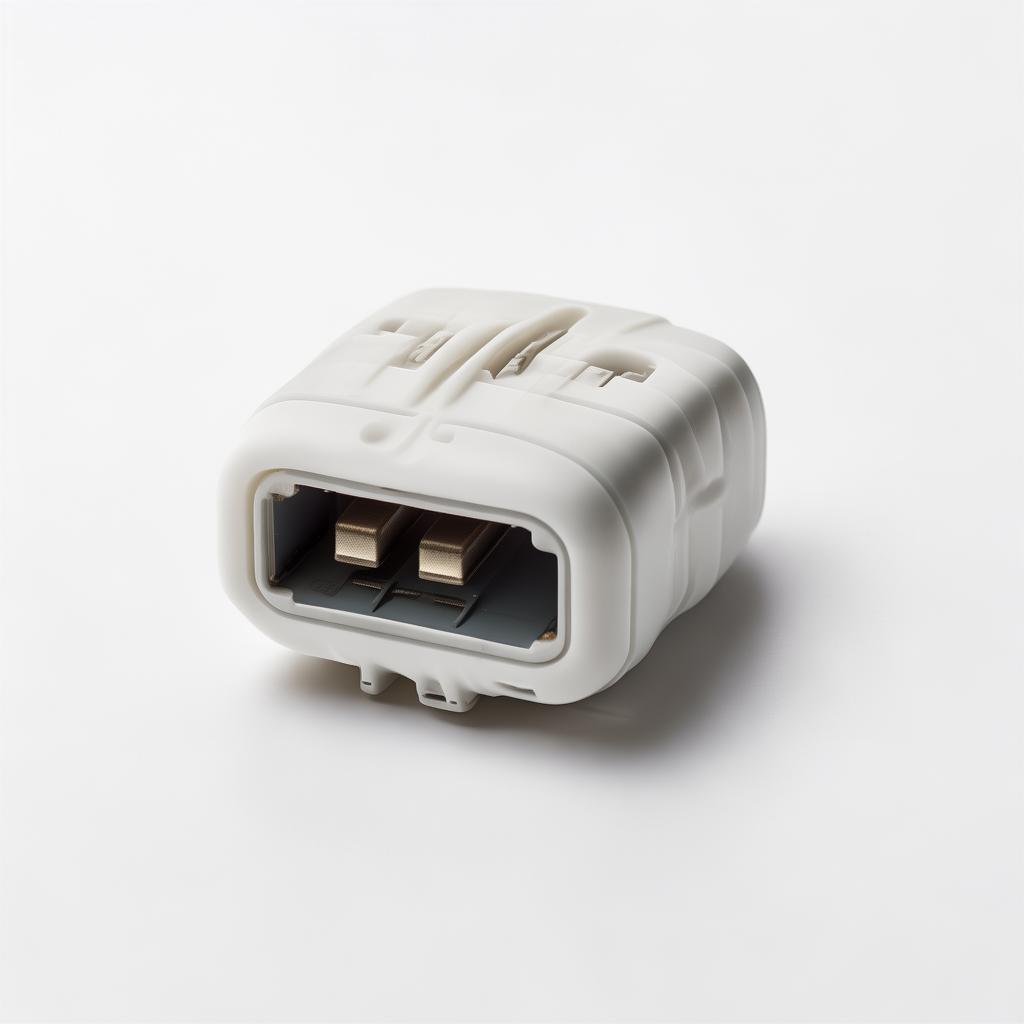
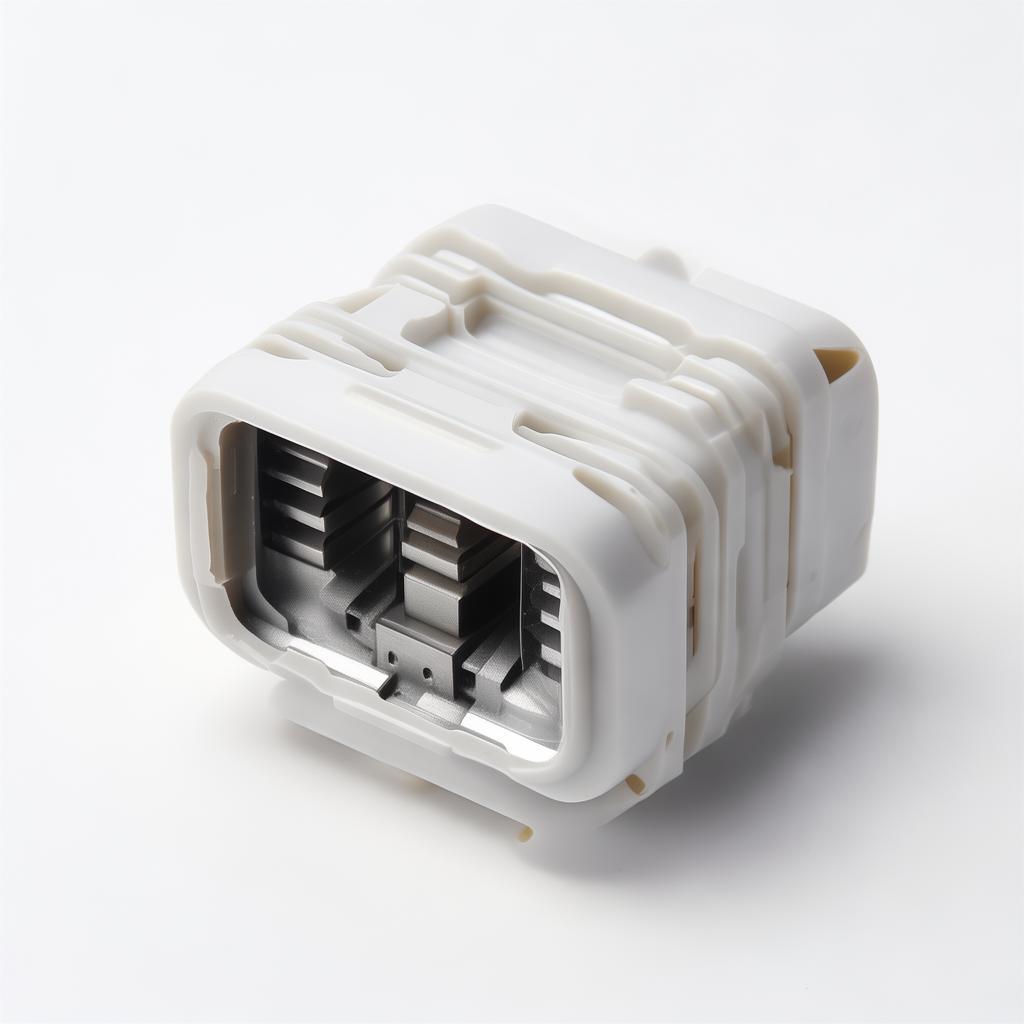
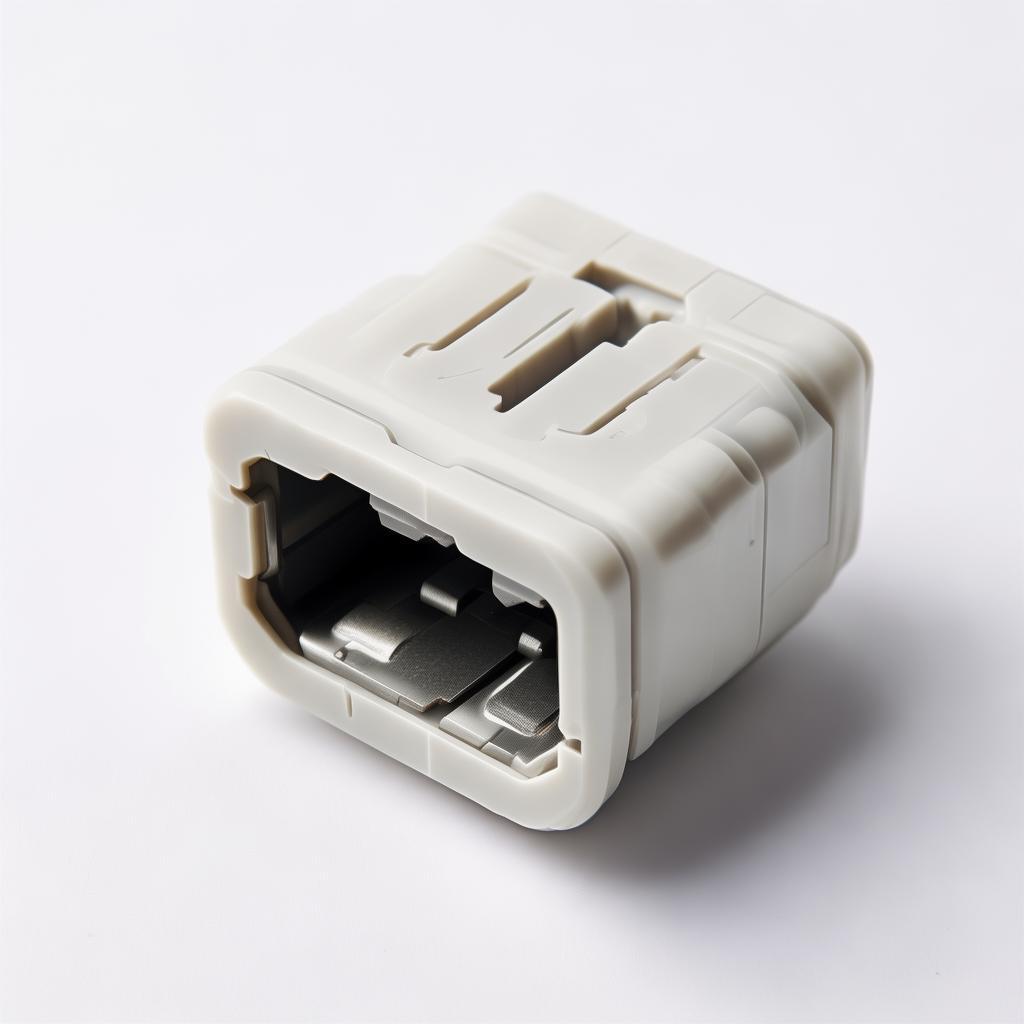
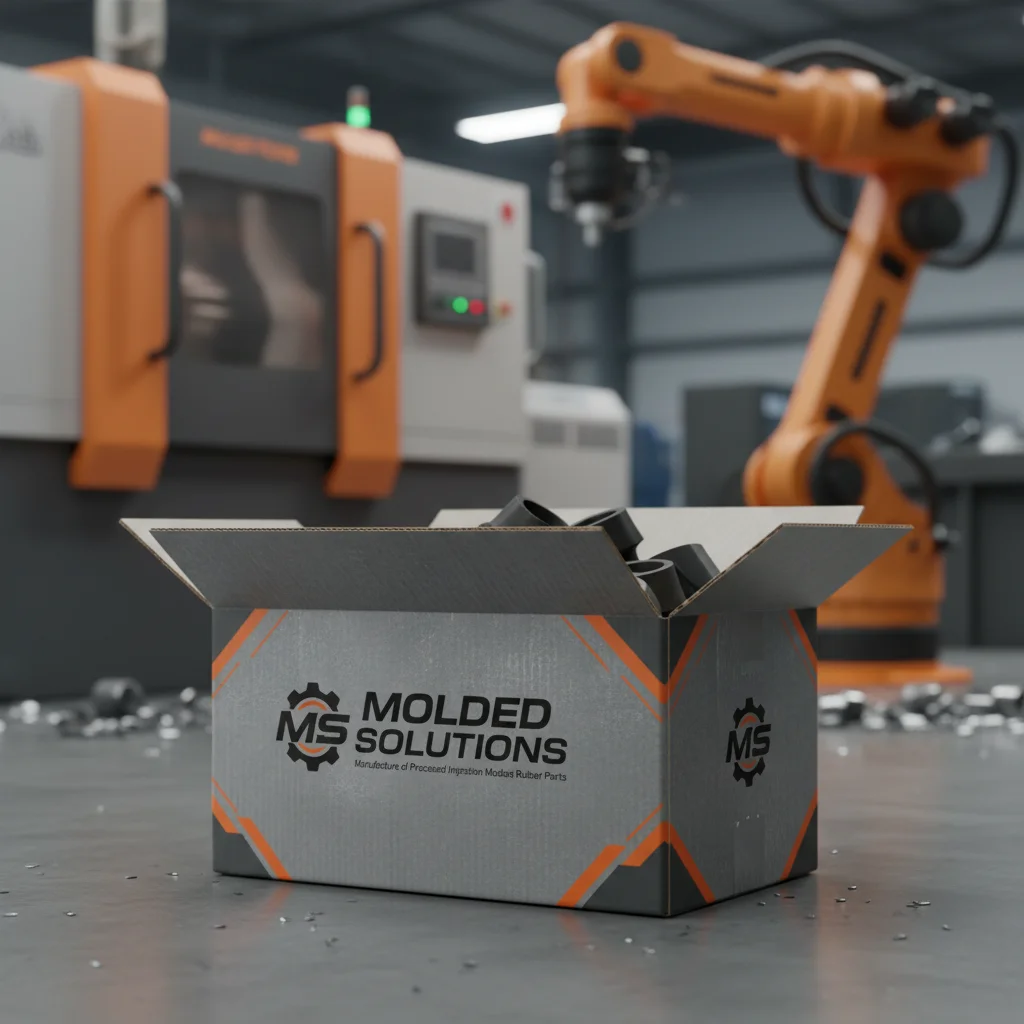
Guangdong Yingtai High Precision Technology Co., Ltd. brings over two decades of mastery in surface finishing with Allodine applications, offering precision, corrosion resistance, and superior paint adhesion for aluminum and metal parts. Explore how
Product Details
Allodine: Advanced Surface Treatment for Reliable Industrial Finishes
Guangdong Yingtai High Precision Technology Co., Ltd. brings over two decades of mastery in surface finishing with Allodine applications, offering precision, corrosion resistance, and superior paint adhesion for aluminum and metal parts. Explore how professional-grade Allodine coatings optimize performance and longevity in your industrial supply chain.
Industry Pain Points in Metal Finishing
Manufacturing operations involving aluminum and other metals face persistent challenges that can impact product durability and market competitiveness. These challenges often include:
Corrosion vulnerability in harsh environments leading to premature product failure
Inconsistent chemical conversion coatings causing uneven paint adhesion and finish imperfections
High rework rates due to inadequate surface preparation impacting assembly efficiency
Regulatory pressures to meet environmental compliance with hexavalent chromium restrictions
Demand for scalable solutions balancing quality and cost-effectiveness in fast-paced production lines
From procurement managers to design engineers, these industry realities push for coatings that not only protect but add measurable value to the product life cycle.
Technical Overview of Allodine Coating
Allodine, also known as chemical conversion coating or chromate conversion coating, is an established surface treatment process primarily for aluminum and its alloys. It forms an ultra-thin, protective layer that improves corrosion resistance and enhances paint adhesion without adding significant thickness or altering substrate dimensions.
Key technical aspects include:
Composition: Typically a hexavalent or trivalent chromium-based solution, with trivalent chromium gaining preference due to environmental regulation compliance such as RoHS and REACH.
Process: Immersion or spray application where metal surfaces undergo controlled chemical reaction forming a stable oxide layer.
Thickness: Generally less than 0.1 micron—imperceptible but highly effective.
Standards Compliance: Often tested to meet MIL-DTL-5541 military standards or equivalent industrial certifications.
Provides a characteristic iridescent cosmetic finish helpful for quality inspection.
Advanced manufacturing has integrated Allodine treatments seamlessly inside assembly lines, achieving repeatable results with minimal tank maintenance and shorter cycle times compared with older chromate methods.
Key Advantages of Allodine Treatment
Operational experience shows that incorporating Allodine coating yields multiple benefits across functional and economic dimensions:
Superior corrosion resistance protecting against oxidation and environmental wear
Enhanced paint and adhesive bonding critical for durable final assembly finishes
Lightweight and environmentally friendlier alternative to traditional anodizing or plating
Highly uniform coating minimizing variability and reducing rework rates
Compatibility with automated and manual spray or immersion application methods
Adjustable formulations supporting both military spec and commercial use cases
Note: While Allodine improves corrosion layers, it is not a standalone paint substitute; topcoating with compatible paints or sealants is necessary for external durability.
Practical Application Scenarios
Industries relying on precision metal finishing widely utilize Allodine coatings in applications including:
Consumer electronics: Casings and internal chassis for improved paint adhesion and EMI shielding support
Automotive: Aluminum engine parts, housings, and connectors requiring corrosion protection
Aerospace: Meeting stringent MIL-DTL-5541 or equivalent requirements for aerospace structural parts
Electrical enclosures: Sealed housings with anti-corrosion performance for outdoor or harsh conditions
Industrial equipment: Long-lasting finishes on metal components in machinery and instrumentation
Operational Insight:
Factory managers note that rinse water purity and tight bath chemistry control play crucial roles in delivering uniform coatings — deviations cause defects like discoloration and poor adhesion spots.
Installation & Logistics Insights
Implementing Allodine coating in manufacturing workflows requires careful coordination of several operational factors:
Tank management and chemistry monitoring: Consistent replenishment and pH adjustment maintain coating integrity
Parts preparation: Pre-cleaning with alkaline degreasers and deoxidizers to ensure surface purity
Environmental controls: Temperature stabilization around 20-25°C helps reduce process variation
Note: These values are industry standards; precise adjustments recommended per alloy and final use environment.
Procurement and Supplier Evaluation
For procurement managers and purchasing directors, selecting an Allodine supplier involves critical criteria beyond price to ensure operational continuity and product quality:
Certifications and standards compliance: Look for ISO 9001 quality management, RoHS/REACH compliance, and alignment with MIL-DTL-5541 where applicable
Process transparency and batch traceability: Enables defect tracking and improves long-term supplier cooperation
Technical support and OEM/ODM capabilities: Flexibility to customize coating formulations or incorporate into your supply chain
Capacity and delivery reliability: Factory scale, production lead times, and ability to ramp volume on demand
Environmental compliance and sustainability practices: Particularly concerning hexavalent chromium use and waste management
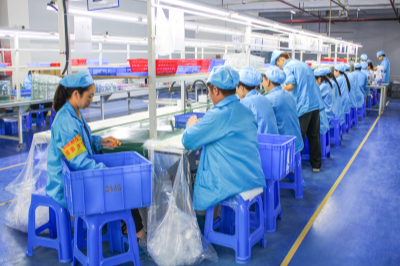
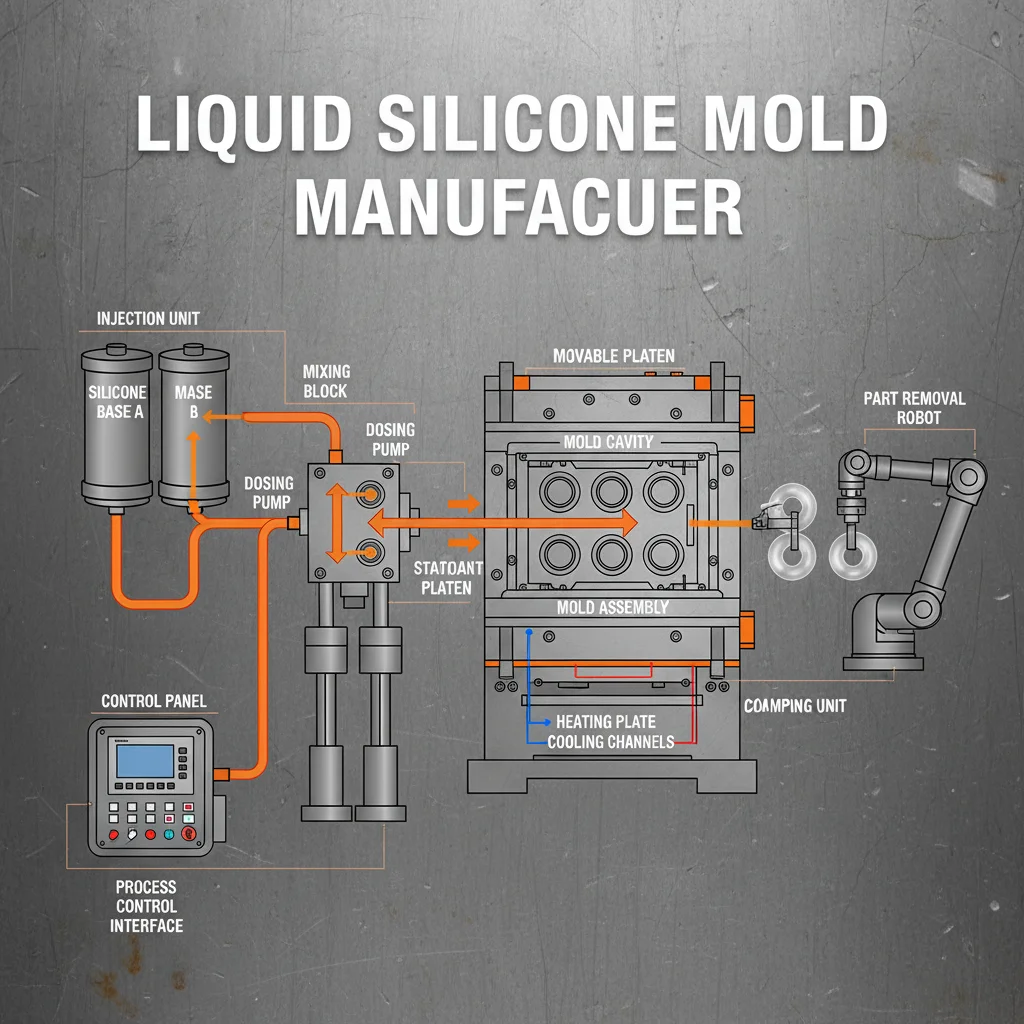
Guangdong Yingtai High Precision Technology Co., Ltd. combines expansive production (55 LSR molding machines, 80 injection machines), advanced testing instruments, and a deep understanding of industrial coatings. Our 20+ years’ experience backs tailored Allodine solutions for high-growth sectors including new energy, consumer electronics, and automotive components.
Frequently Asked Questions
What metals are suitable for Allodine treatment?
Primarily aluminum and its alloys. Some Allodine processes adapt for magnesium or zinc die-cast parts but require specific bath chemistries.
How does Allodine compare to anodizing?
Unlike anodizing which thickens the oxide layer, Allodine creates a very thin chemical conversion coating that excels in enhancing paint adhesion and corrosion resistance without metal buildup or dimensional change.
Are trivalent chromium Allodine solutions as effective as hexavalent chromium?
Trivalent chromium formulations meet environmental compliance and provide similar corrosion protection on aluminum parts. Industry adoption is growing due to regulatory restrictions on hexavalent chromium usage.
What are the common challenges during Allodine application?
Maintaining bath chemistry, avoiding contamination, and ensuring consistent surface cleanliness are key. Inadequate control leads to patchy coatings, poor paint adhesion, or accelerated corrosion.
What post-treatments are needed after Allodine coating?
Rinse with deionized water to remove residual chemicals, then thoroughly dry parts before painting or assembly. Some applications may add sealants or topcoats for enhanced protection.
Customer Reviews & Case Studies
John M., Procurement Manager, Automotive Parts Co.
“Switching to Yingtai’s Allodine treatment reduced corrosion complaints in our aluminum housings by nearly 40% over two years. Their batch traceability and responsive technical support help us stay ahead of compliance and quality goals.”
Get in Touch
If you have any camping barbeque equipment inquiry, please feel free to contact us.