Introduction & Industry Context
Injection molding remains a cornerstone for high-volume plastic manufacturing, powering industries from automotive parts assembly to consumer electronics. Yet, as purchasing managers and technical engineers know all too well, it’s not always the optimal choice. Factors such as tooling expense, lead time constraints, and material limitations create tangible bottlenecks in many production pipelines.
Understanding alternatives to injection molding means exploring diverse manufacturing methods capable of addressing these challenges while balancing cost, precision, and scalability. This article unpacks viable substitute technologies and materials, aiming to empower procurement directors and operations managers with practical, experience-backed insights tailored for today’s fast-paced supplier landscapes.
For instance, while injection molding generally delivers competitive unit costs in volumes exceeding 10,000 pieces, low-to-mid volume production often struggles with upfront mold investments that can exceed tens of thousands of USD. Moreover, cycle times and complexity limits sometimes hinder development agility, especially for products demanding multiple material integrations or intricate geometries.
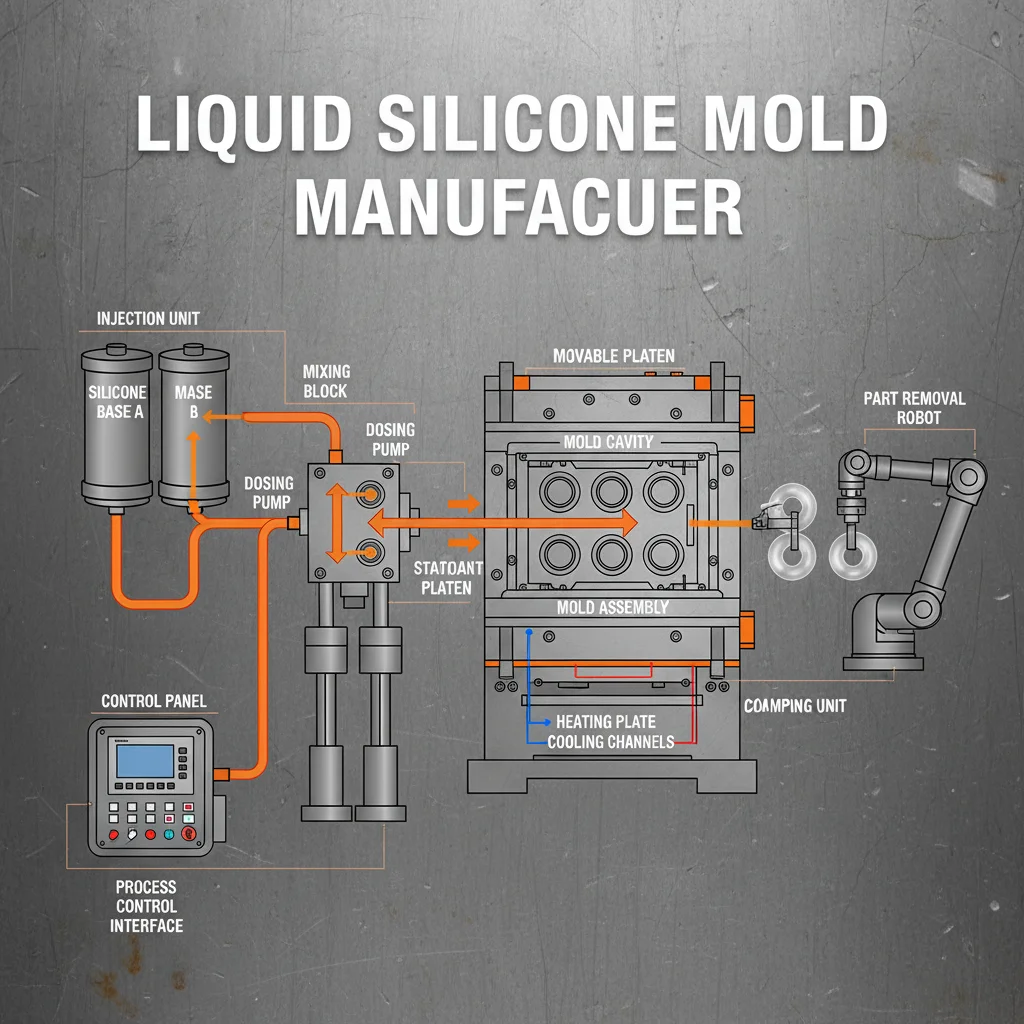
Recent market reports highlight the growth of alternative molding materials such as Liquid Silicone Rubber (LSR), which offer exceptional thermal stability and biocompatibility — a boon for medical and automotive OEM applications. Additionally, technologies like 3D printing (additive manufacturing) and compression molding have matured into credible contenders, offering faster prototyping and flexible manufacturing options respectively.
Balancing production efficiency against supply chain constraints is another front line where alternative methods shine. Lead time reduction, tooling adaptability, and geographic sourcing options bring direct impacts to procurement risk management. This evolving landscape calls for a nuanced approach—one that weighs tactile operational experiences alongside evolving industrial standards (ISO 9001, CE certifications, RoHS compliance) and logistics realities such as container loading optimization.
In the following sections, we distill critical operational observations, supplier evaluation tips, and technical considerations from over two decades of manufacturing expertise at Guangdong Yingtai High Precision Technology Co., Ltd., rooted firmly in Dongguan’s industrial ecosystem. Strategically curated for purchasers, engineers, and distributors, this article aims to reduce guesswork while increasing conversion-ready intelligence for international sourcing and OEM partnerships.
Procurement Considerations & Risk Mitigation
For purchasing managers and procurement directors, navigating alternatives to injection molding demands a methodical approach:
- Supplier Vetting: Prioritize suppliers with ISO 9001 certification and demonstrable experience handling your target materials and processes. Guangdong Yingtai offers over 20 years of mold development expertise, backed by CE and RoHS compliance on silicone and plastic products.
- Lead Time Planning: Factor in tooling times, sample testing cycles, and installation complexities. Our LSR molds typically require 4-6 weeks for prototype tooling, with volume production lead times of around 3-5 weeks after approval.
- Material Data Sheets: Ask for rheological and thermal data (e.g., viscosity, cure kinetics) to assess production consistency. Advanced simulation data helps reduce defects and speeds up product launch, as highlighted in [MDPI research on LSR molding simulations](https://www.mdpi.com/2073-4360/17/22/3086).
- Quality Controls: Verify availability of in-house testing: dimensional measurement, tensile strength verification, and UV resistance tests are critical for silicone parts.
- Logistics and Packaging: Confirm container loading plans especially for large molds or bulky parts. Yingtai provides optimized packaging solutions to reduce freight damage and maximize container capacity for overseas shipments.
- OEM/ODM Capabilities: Consider turnkey partners who can handle mold design, process optimization, and post-production finishing. This eases supply chain complexity and reduces hidden costs.
Operational realities also caution against underestimating post-installation maintenance. Elastomer parts, for example, require periodic inspection for UV degradation and compression set. Be clear on application environment before final selection.
For decision-makers evaluating alternatives, engaging directly with engineering consultants or export managers can surface tailored production insights and mitigate blind spots. Our team is available for detailed process consultations and sample requests.



 John Miller
Procurement Director, Midwest Automotive
John Miller
Procurement Director, Midwest Automotive