Aluminium Anodizing Process: Enhancing Durability and Performance for Industrial Applications
Comprehensive insights from seasoned manufacturing specialists on optimizing aluminium anodizing for high-volume OEM and export production.
Industry Procurement Challenges in Aluminium Surface Finishing
For U.S. manufacturers and importers sourcing anodized aluminium, maintaining consistency in coating thickness, adhesion, and surface properties often emerges as a persistent challenge. Irregular anodic layers can lead to premature corrosion, inconsistent electrical insulation, or issues in bonding with secondary processes like painting or printing.
Many procurement teams report variations between batches when working with overseas anodizing vendors lacking ISO anodizing standards certification or process transparency. This instability risks costly reworks, delayed project timelines, and elevated customer complaints — especially critical in aerospace, automotive, and electronics sectors.
“We experienced adhesion issues on stock panels due to skipped pretreatment steps, impacting product durability and warranty claims,” shares a U.S.-based operations manager in precision electronics manufacturing.
Apart from quality, logistical efficiency in packaging, container loading optimization, and lead time predictability remain daily concerns. Coordinating just-in-time delivery of anodized components while managing customs clearance with hazardous chemical process residues can complicate supply chain operations.
Note to buyers: Choosing a vendor with proven in-house anodizing capabilities, process controls aligned to MIL-A-8625 or ISO 7599 standards, and robust quality documentation reduces risk exposure significantly.
Technical Overview of the Aluminium Anodizing Process
Aluminium anodizing is an electrochemical surface treatment that converts the metal's surface into a durable, corrosion-resistant oxide layer. The process occurs in electrolyte baths, commonly sulfuric acid solutions, where aluminium acts as the anode. When electrical current is applied, controlled oxidation forms a porous, yet hard oxide layer typical 3 to 25 microns thick, though thickness varies with application.
Crucial steps include:
- Pre-treatment: Thorough degreasing, cleaning, and etching to ensure contaminant-free surfaces and uniform oxide growth.
- Anodizing: Bath temperature, current density, and timing precisely controlled — high-quality facilities maintain constant parameters to meet MIL-A-8625 or ISO 7599 class II or III specs.
- Sealing: Post anodizing sealing, often with hot water or nickel fluoride, fills pores to improve corrosion resistance and dye retention.
Common variants include:
| Anodizing Type | Typical Thickness | Applications | Key Benefits |
|---|---|---|---|
| Sulfuric Acid Anodizing | 8-25 μm | Structural components, housings | Durability, corrosion resistance |
| Hard Anodizing (Type III) | 25-100 μm | Wear parts, tooling | Abrasion resistance, enhanced hardness |
| Chromic Acid Anodizing | 0.1-1 μm | Aerospace, thin film applications | Thin, corrosion resistant film |
Throughout industrial practice, maintaining rigorous process controls – including bath chemistry monitoring, DC current regulation, and temperature stability – directly impacts output quality and product lifespan.
Core Advantages of Anodized Aluminium in Industrial Use
- Enhanced Corrosion Resistance: The anodic oxide resists oxidation far better than untreated aluminium, critical for outdoor or marine environments.
- Improved Surface Hardness: Anodized layers substantially increase wear resistance, extending component life in high-friction applications.
- Electrical Insulation: The oxide layer acts as a dielectric barrier, advantageous for electrical and electronic components.
- Color Stability & Aesthetic Options: Anodizing allows dyeing for color customization with strong UV resistance and fade tolerance, meeting architectural and branding needs.
- Environmental Compliance: The process is more environmentally friendly compared to organic coatings, and many factories are certified to meet RoHS and REACH standards.
Operational teams often observe significantly reduced maintenance cycles with anodized surfaces, translating to lower lifecycle costs compared to painted or coated metals. But remember, improper sealing or handling post-anodizing may negate these benefits.
Application Scenarios and Case Insights
The diversity of suitable applications for anodized aluminium keeps growing alongside advancements in OEM and ODM factory capabilities. Typical industries leveraging anodizing include:
- Consumer Electronics: Lightweight, corrosion-resistant housing for laptops, smartphones, and wearable devices.
- Automotive & Aerospace: Structural panels and decorative trims where weight savings and durability intersect.
- Architectural Components: Facade panels, window frames, and curtain walls requiring long-term weather resistance with aesthetic flexibility.
- Industrial Machinery: Tooling surfaces and housings requiring high abrasion resistance and electrical insulation.
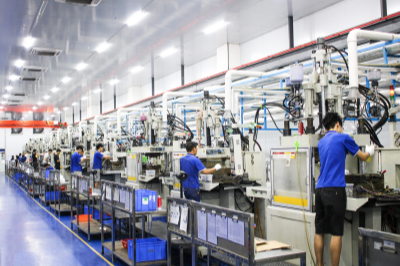
Case Insight: A precision electronics firm in California switched to anodized aluminium housings from painted alternatives, reporting a 15% reduction in product returns due to surface wear within the first year of use. Their procurement director credits partnering with a certified supplier who implemented in-line quality checks aligned with ISO 9001 process controls.
Technical Specifications and Quality Standards
Ensuring compliance with recognized standards governs the commercial viability and reliability of anodized aluminium goods. Key specifications include:
- MIL-A-8625F: U.S. military specification defining anodizing types (I, II, III) and class details by sealing methods and thickness.
- ISO 7599: International standard detailing requirements for anodic oxidation coatings of aluminium and alloys.
- AA Standards (Aluminium Association): Provide summarizations of anodizing practices for varying aluminium alloys.
- RoHS & REACH Compliance: Essential for shipments to North America and Europe to restrict hazardous substances within anodizing chemicals.
A typical technical specification table for sulfuric anodizing may look like this:
| Parameter | Requirement | Typical Measured Value |
|---|---|---|
| Layer Thickness | 8–15 μm | 10 μm |
| Hardness (Vickers) | 150–200 HV | 180 HV |
| Salt Spray Resistance | > 1000 hours | 1200 hours |
| Electrical Breakdown Voltage | > 50 V/μm | 55 V/μm |
Precise laboratory testing, including anodic layer thickness measurement using eddy-current instruments and corrosion testing per ASTM B117, are recommended during supplier qualification.
Procurement Guidance and Supplier Evaluation
anodising aluminium process aluminum anodizing process steps anodized aluminum
For purchasing managers, vetting an anodizing supplier is more than just price negotiation. Here are some practical considerations:
- Factory Qualification: Confirming in-house anodizing lines with real-time process control, bath chemistry logs, and temperature calibration.
- Certifications: Request ISO9001, MIL-A-8625 compliance certificates, and environmental filings such as RoHS adherence.
- OEM/ODM Capability: Ability to tailor anodizing parameters, sealing types, and coloration aspects as per project requirements.
- Quality Assurance Procedures: On-site visual inspections, random destructive testing, and batch traceability should be standard practice.
- Logistics & Packaging: Proper anti-corrosion packaging, palletizing methods suitable for container loading, and documentation to streamline customs clearance.
- Lead Times & Scalability: Align production capacity with your order volumes and enquire about flexibility in rush orders or scale-up.
Buyer Insight: Request sample panels for testing prior to full purchase and review references from past clients in similar industries.
At Guangdong Yingtai High Precision Technology, our ongoing investment in equipment — including precision plating baths and environmental monitoring devices — underpins our consistent output. Our clients appreciate our open communication and willingness to adapt process parameters to their exact specifications.
Frequently Asked Questions
- Q1: What alloys of aluminium are best suited for anodizing?
- Most aluminium alloys can be anodized, but those with high purity such as 6061 and 6063 are preferred for an even oxide layer and better corrosion resistance. Some alloys with higher copper content may yield uneven finishes.
- Q2: Can anodized aluminium be dyed different colors?
- Yes, the porous anodic layer allows for dye absorption, enabling a wide range of colors while retaining the underlying corrosion protection and wear resistance.
- Q3: How does anodizing compare with powder coating?
- Anodizing imparts a thin, integral oxide layer that is harder and more wear-resistant than paint layers. It also offers better UV resistance and electrical insulation but provides less color variety and impact resistance than powder coating.
- Q4: What are typical lead times for anodized aluminium parts?
- Depending on order volume and treatment complexity, lead times range from 7 to 21 days. Factory location and customs clearance may add additional days, so plan with some flexibility.
- Q5: Are there maintenance requirements for anodized aluminium?
- Maintenance is minimal; periodic cleaning with mild detergents preserves finish integrity. Avoid abrasive cleaners or harsh chemicals which may erode the oxide layer.
What Our Customers Say

John Mills – Procurement Director, Chicago
“Yingtai’s strict adherence to MIL-A-8625 specs and their transparent QC reports streamlined our offshore sourcing. Their team facilitated tight lead times, and the anodizing quality held up perfectly in our outdoor lighting fixtures.”

Sarah Lee – Operations Manager, Seattle
“The anodized parts from Yingtai reduced surface defects compared to previous vendors. Their on-site inspections and regular bath parameter updates made a difference in consistency. A reliable partner for high-volume electronics applications.”

Michael Rodriguez – Technical Engineer, Atlanta
“Yingtai’s capacity to provide OEM custom surface finishes on aluminium allowed us to meet demanding aerospace specs without extra finishing steps. Their documentation and batch traceability are invaluable for compliance.”
Ready to boost your product quality with expert aluminium anodizing?
Talk directly with our engineer or request a customized quote today for your specialized production needs.
Contact Miss Zhang via EmailPhone/WhatsApp: +86 17722437688