Streamlining procurement with proven manufacturing expertise from Guangdong Yingtai High Precision Technology Co., Ltd., your trusted partner for durable, cost-effective aluminium die casting components optimized for North American and international markets. Sourcing high-quality aluminium
Product Details
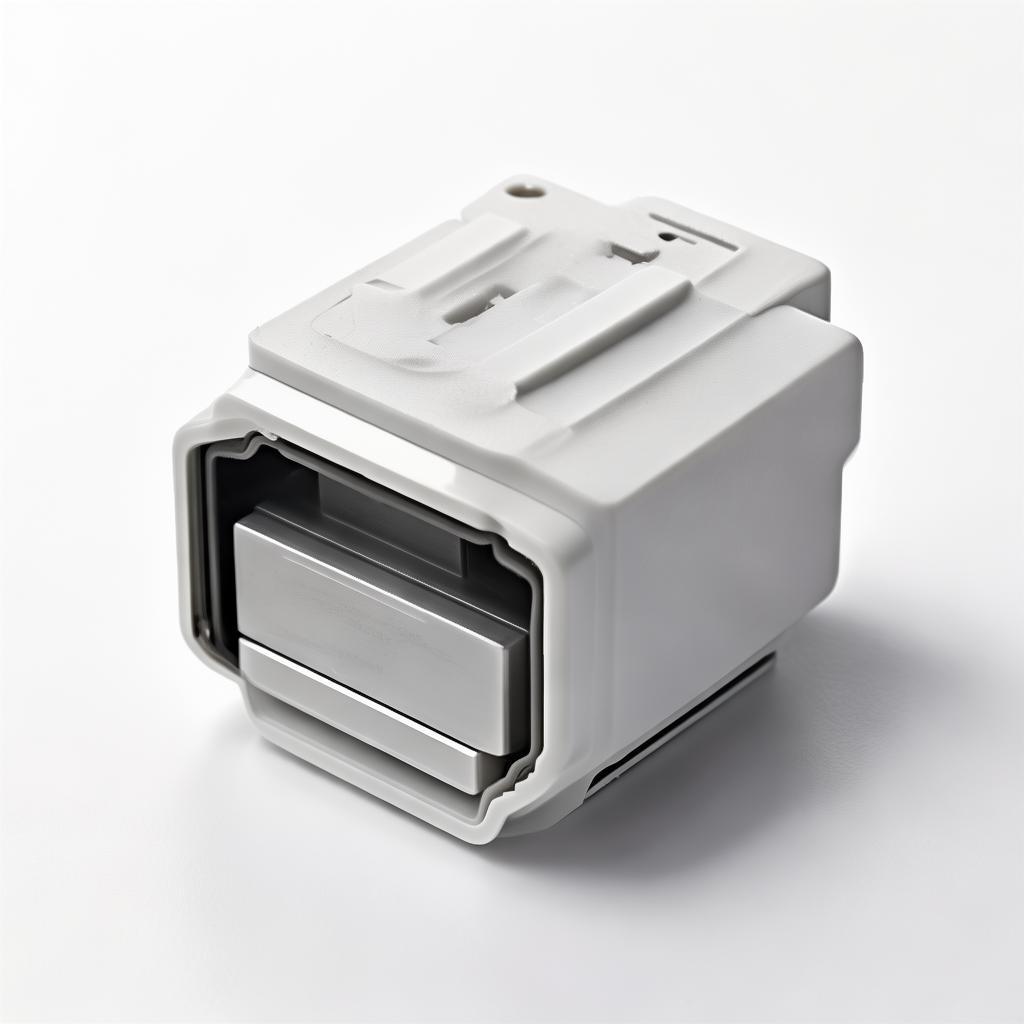
Precision Aluminium Die Casting Parts for Industrial Excellence
Streamlining procurement with proven manufacturing expertise from Guangdong Yingtai High Precision Technology Co., Ltd., your trusted partner for durable, cost-effective aluminium die casting components optimized for North American and international markets.
Addressing Key Challenges in Aluminium Die Casting Procurement
Sourcing high-quality aluminium die casting parts today is anything but straightforward. Purchasing managers and procurement directors routinely face headaches such as:
Inconsistent dimensional accuracy: Many suppliers struggle with mold precision, causing rework and assembly issues downstream.
Material variability: Aluminium alloys delivered with improper chemical composition or porosity reduce component strength and lifespan.
Extended lead times: Overseas manufacturing often involves unclear logistics and production delays affecting assembly schedules.
Lack of transparency in certifications: Unclear compliance with ISO 9001, RoHS, or relevant mechanical standards creates risk in regulated industries.
Hidden costs: Frequent quality defects lead to increased inspection and scrap, inflating total cost of ownership.
A typical operations manager remarks, "We’ve experienced shipment delays and dimensional deviations that jeopardized our project deadlines." These operational realities require suppliers who integrate process control, robust quality assurance, and transparent communication tailored to commercial industrial needs.
Guangdong Yingtai's Manufacturing Expertise and Factory Capabilities
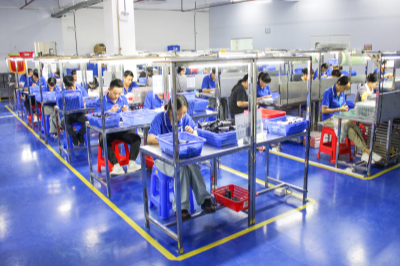
Situated in the heart of Dongguan, Guangdong Province, Guangdong Yingtai High Precision Technology Co., Ltd. leverages over two decades in industrial manufacturing to serve global B2B partners. Our 35,000 m2 industrial park hosts:
More than 55 injection molding machines specialized in high-precision aluminium die casting processes with automated temperature controls
Advanced CNC machining centers and mold processing equipment ensuring tight tolerances and complex geometries
An in-house quality control lab with optical measurement devices and mechanical testing instruments to verify compliance with international standards
A highly skilled workforce over 500 strong, experienced in both OEM and ODM production runs with batch sizes ranging from prototyping through to mass production
Our vertically integrated system covers everything from mold design to final machining, assembly, and packaging — minimizing handoff delays and preserving traceability. With export experience across North America, Europe, and Asia-Pacific, we understand the precision requirements and logistics chain nuances crucial to supply industrial-grade aluminium die castings.
Technical Overview and Material Insights
Aluminium die casting stands out as a versatile manufacturing method involving high-pressure injection of molten aluminium alloy into steel molds. This process demands precise thermal management and mold craftsmanship to control cooling rates, ensuring minimal porosity and mechanical integrity.
Common alloys we deploy include:
Aluminium Alloy A360: Excellent corrosion resistance and mechanical strength suitable for automotive housings and structural parts.
Aluminium Alloy ADC12: Widely used for cost-sensitive applications with good castability and machinability.
Aluminium Alloy A380: Balanced strength and ductility for complex geometries in electronics enclosures and hardware components.
Our tooling fabricates parts maintaining dimensional tolerances within ±0.1mm depending on the component size — critical for assemblies requiring high consistency. Surface treatments range from anodizing to powder coating per customer requirements.
Typical Mechanical Properties of Aluminium Die Casting Alloys
Like many experienced engineers note, "Material selection upfront reduces costly rework and ensures component longevity, especially in harsh operating environments." Our facility adheres strictly to ISO 9001 standards, validating consistent material quality and process control.
Practical Application Scenarios of Aluminium Die Casting Parts
Our aluminium die casting components find robust use in sectors demanding precision, durability, and weight savings. Key industries served include:
Automotive: Engine housings, transmission cases, structural brackets, and electrical enclosures subject to high thermal and mechanical stresses.
Consumer Electronics: Heat sinks, chassis, connectors, and metal frames requiring tight dimensional stability and aesthetic finishes.
Telecommunications: Components for base stations and antenna housings combining corrosion resistance and precise machining.
Industrial Machinery: Gearbox covers, valve bodies, and pump housings optimized for repeatable fit and mechanical endurance.
Aerospace: Non-structural parts benefiting from aluminium's strength-to-weight ratio and anti-corrosion features.
The complexity of part geometry can vary greatly, but our engineering team assists buyers in early-stage design optimization to ensure manufacturability and cost efficiency from small batch prototypes to large volume orders.
Smart Procurement: Risk Reduction and Supplier Evaluation Tips
Procuring aluminium die casting parts requires more than price negotiation. The following operational insights can help mitigate common procurement risks:
Verify manufacturing capabilities: Ensure the supplier has modern die casting equipment with CNC finishing and quality inspection stations.
Request material certification: Confirm alloys comply with international standards such as ASTM B85 or EN AC-Al standards for aluminium die casting.
Sample evaluation: Obtain prototype parts for dimensional metrology reports and mechanical testing before committing to volume orders.
Shipping and logistics readiness: Discuss lead times, container loading, packaging materials, and customs documentation upfront to avoid delays.
Warranty and after-sales support: Consider suppliers offering comprehensive warranties and proactive defect resolution policies.
Remember, the lowest bid can often mask hidden costs such as scrap rates, assembly complications, or delayed project milestones. Collaborative supplier relationships that emphasize transparency and continuous improvement deliver tangible ROI and production peace of mind.
Pro-Tip: Engage your supplier in early design for manufacturability (DFM) discussions to optimize tooling complexity and cycle times, potentially saving weeks in your project timeline.
Frequently Asked Questions (FAQs)
Q1: What is the typical lead time for producing aluminium die casting parts?
Standard lead times usually range between 4 to 8 weeks, depending on mold complexity and batch size. Rapid prototyping may be expedited with additional cost.
Q2: Can the surface finish be customized according to application requirements?
Absolutely. Options such as sandblasting, anodizing, powder coating, or chrome plating are available to enhance corrosion resistance, aesthetics, or electrical conductivity.
Q3: What quality inspection standards do you follow?
Our QA employs coordinate measuring machines (CMM), X-ray porosity analysis, and mechanical tensile tests. We comply with ISO 9001 and provide certificates of conformity.
Q4: Is OEM manufacturing or ODM design service available?
Yes. We partner with clients from concept to volume production, offering CAD design optimization, rapid tooling, and prototype iterations to meet customized requirements.
Q5: How are parts typically packaged for export?
Parts are cleaned, rust-preventive coated if needed, and packed in foam-padded boxes with moisture absorbers, then palletized or containerized per customer instructions.
What Our Clients Say
John M. – Automotive Production Manager, Ohio
“We’ve partnered with Yingtai for over 3 years, and their aluminium die casting parts consistently meet our strict quality criteria. Their technical support helped solve past dimensional issues, saving us costly downtime.”
Get in Touch
If you have any camping barbeque equipment inquiry, please feel free to contact us.



 John M. – Automotive Production Manager, Ohio