David M., Operations Manager, Chicago, IL
"Yingtai's technical consultation helped us rework our extrusion profiles to cut down secondary machining by nearly 20%, shortening assembly cycles and lowering overall costs."



Practical insights from a seasoned Export Director at Guangdong Yingtai High Precision Technology Co., Ltd.
In today's competitive industrial landscape, the aluminium extrusion process has cemented its role as a vital manufacturing method for producing lightweight, durable, and custom-profiled metal parts. For procurement managers and technical engineers, understanding the nuances of aluminium extrusion design is not merely an academic exercise but an operational necessity that directly impacts project timelines, production costs, and ultimately, product performance.
At Guangdong Yingtai High Precision Technology Co., Ltd., we have observed over two decades how thoughtful extrusion design directly reduces machining secondary operations, trims material waste, and optimizes cross-sectional integrity. These operational efficiencies translate into smoother supply chain management and lower logistical burdens, especially for export-import scenarios involving lengthy lead times and container consolidation.
Aluminium extrusion starts with pushing heated aluminium billets through a precisely machined die, which imprints the desired cross-section onto the material. The design of this die and the associated profile must carefully balance manufacturability, mechanical requirements, and end-use environmental conditions. For instance, considerations like UV resistance, salt spray tolerance for marine environments, or thermal conductivity for heat sinks must guide the section's geometry and alloy selection.
It’s worth noting some overlooked but critical practical insights from our manufacturing experience:
Moreover, international standards such as ISO 6362 for aluminium and aluminium alloy extruded rods/bars, tubes, and profiles, or ASTM B221 in North America, underline the mechanical and testing prerequisites that should steer profile design and material selection. Buyers unfamiliar with these regulatory specifics often face quality or compliance hurdles upon product receipt.
Designing for downstream processes like anodizing, powder coating, or mechanical finishing must also be factored in. Profiles designed with surface treatment in mind typically feature optimized geometries that reduce masking complications and ensure uniform coating thickness.
In summary, the aluminium extrusion design guide presented here is tailored for purchasing executives, engineers, and import/export specialists seeking a thorough yet pragmatic understanding of extrusion design fundamentals, production realities, and sourcing considerations. Our aim is to bridge the gap between conceptual profiles and their real-world manufacturability, enabling smarter buying decisions and tighter cooperation with your extrusion suppliers.
Despite its many benefits, the aluminium extrusion industry presents several challenges that frequently impact supply chain performance and product quality. Understanding these pain points early allows procurement and engineering teams to mitigate risks.
For example, a recent customer based in California reported receiving anodized aluminium profiles with inconsistent coating thickness and minor surface corrosion. Upon investigation, the root cause was traced back to improper packaging and delayed transit times exacerbating humidity exposure in transit. This serves as a practical warning to all purchasers to coordinate closely with manufacturers on packaging standards and shipping documentation.
Aluminium extrusion offers a host of design and operational benefits that distinguish it from alternative manufacturing processes:
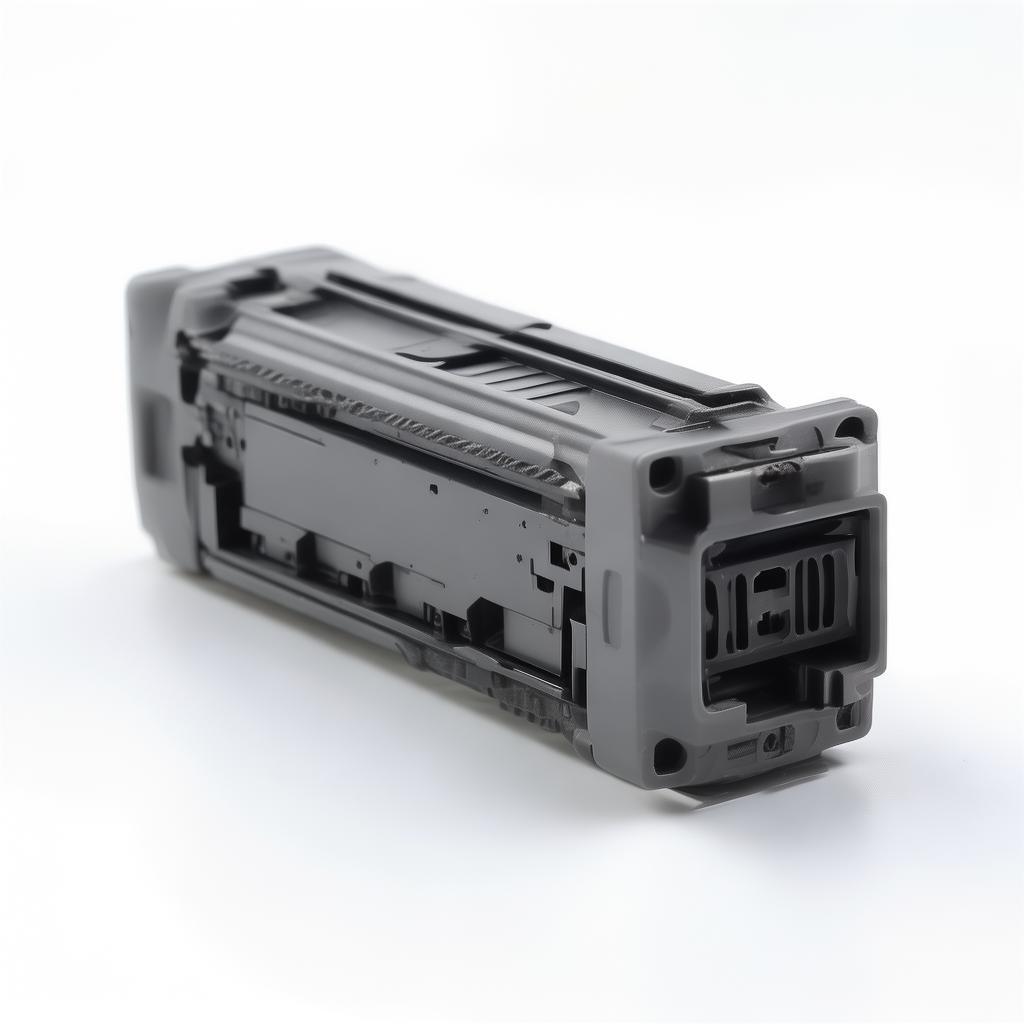
One operational insight our factory production manager emphasizes: optimizing the extrusion profile can reduce scrap by up to 10% on certain part designs due to better material flow and dimensional stability, which also lowers overall project costs.
When approaching aluminium extrusion design, it is critical to align your drawing specifications with industry capabilities and standards. Below is a high-level summary of key specifications based on 6063-T5 alloy, commonly used in architectural and structural applications:
| Parameter | Specification | Notes |
|---|---|---|
| Minimum Wall Thickness | 1.5 mm | Depending on profile complexity |
| Maximum Wall Thickness | 12 mm | Variable but thick sections may require slower extrusion speeds |
| Tolerance (Width & Height) | ±0.2 mm | For profiles below 100 mm width |
| Surface Finish | Mill finish, anodized, powder coated | Custom finishes available, lead times vary |
| Strength (Yield) | ≥ 160 MPa (6063-T5) | Depends on temper and alloy |
aluminium extrusion technology extruded aluminum process aluminum material specifications
Technical insight: It is practical to accompany all extrusion drawings with clear notes about the material temper, alloy grade, and finish to avoid costly modification requests during production.
Aluminium extrusions find versatility in a wide spectrum of industrial and commercial sectors. Some typical application domains include:
Interestingly, we noticed several importers in North America increasingly requesting UV-stabilized anodized finishes for extrusions intended for harsh outdoor use. Such tailored surface processes extend lifecycle and minimize maintenance frequency.
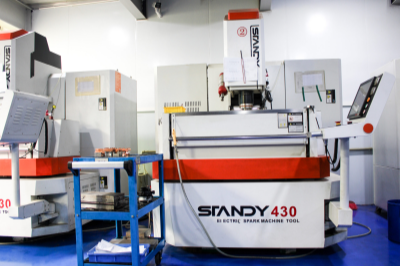
Securing quality aluminium extrusions internationally elevates beyond price negotiation. Below are actionable strategies refined through our export management expertise:
These practices contribute significantly to reducing procurement risks and preventing costly delays or quality issues.
David M., Operations Manager, Chicago, IL
"Yingtai's technical consultation helped us rework our extrusion profiles to cut down secondary machining by nearly 20%, shortening assembly cycles and lowering overall costs."