Advanced Aluminium Extrusion Technology
Delivering precision-engineered aluminium extrusions for industrial, architectural, and commercial use worldwide — your trusted source for durable, customizable aluminium profiles manufactured with cutting-edge technology.
Deep Dive: Aluminium Extrusion Technology Fundamentals
Aluminium extrusion is a shaping process critical to diverse industries from aerospace to construction and automotive manufacturing. It involves heating an aluminium billet until malleable, then forcing it through a precisely engineered steel die — creating continuous profiles with complex cross-sections. These profiles can be further processed to deliver lightweight structural components that maintain high strength and corrosion resistance.
What differentiates extrusion technology from other metal forming methods are its flexibility in design and exceptional efficiency. The ability to tailor the die shape enables manufacturers to produce highly specialized extrusions optimized for specific mechanical, thermal, or aesthetic requirements. That said, achieving consistent quality demands sophisticated machinery, accurate die manufacturing, and meticulous process control.
The right extrusion technique impacts not only material performance but also downstream logistics and assembly efficiency. For example, extrusions offering integral channels and mounting features can streamline installation onsite, ultimately trimming labor and project timelines.
Moreover, advancements such as precision trim cutting, surface anodizing, and powder coating extend the functionality and lifespan of aluminium extrusions — including UV resistance and wear durability that matter in environments ranging from coastal facilities to industrial complexes.
Aluminium alloys often used in extrusion vary by application focus: 6000 series alloys like 6063 or 6106 provide a balance of strength, corrosion resistance, and surface finish, while 7000 series (such as 7075) are selected for high-strength aerospace parts. Knowledge of alloy selection is crucial to meet mechanical specifications and regulatory standards like ASTM B221 or ISO 6362.
We’ve noticed a rising demand for extrusions designed to meet LEED certification compliance and lightweight OEM components demonstrating energy efficiency. Smart integration with industrial automation has also pushed tolerances tighter, with CNC-controlled extrusion presses and real-time process analytics becoming industry norms.
To sum up, aluminium extrusion technology isn't simply about pushing metal through a die — it blends material science, precision engineering, and manufacturing discipline to ensure parts perform reliably over their service life while keeping costs and environmental impact in check.
Below, we tackle common industry challenges and explain how our comprehensive extrusion capabilities align with your operational and commercial goals.
Facing Aluminium Extrusion Challenges?
- Material Inconsistency: Scrap rates spike when alloy batches vary or thermal treatment steps are improperly executed, impacting strength and finish.
- Production Bottlenecks: Suboptimal die design and inefficient press settings can cause frequent tooling wear and longer cycle times.
- Surface Defects: Common issues such as surface blisters, scratches, and oxidation layers complicate coating adhesion and aesthetic standards.
- Logistics Hurdles: Aluminium’s lightweight nature offers shipping advantages, but extrusions must be carefully packaged and stowed to prevent warping or damage.
- Compliance Risks: Failure to meet certifications like RoHS, REACH, or regional building codes delays projects and increases returns.
- Supplier Reliability: Long lead times, inconsistent order fulfillment, or lack of technical support often frustrate sourcing teams.
Pragmatic tip: Plan tooling design iterations with your supplier’s engineering team to balance product complexity against delivery feasibility. Early collaboration prevents costly delays.
What Sets Our Aluminium Extrusions Apart
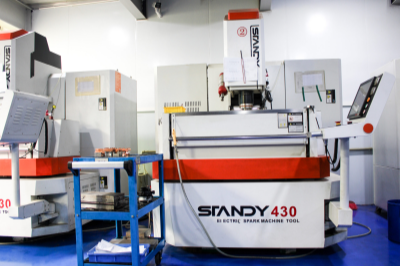
At Guangdong Yingtai High Precision Technology Co., Ltd., we leverage over two decades of extrusion know-how, marrying traditional techniques with modern automation and quality systems. Our manufacturing processes emphasize repeatability and traceability, crucial for industrial-grade aluminium parts.
Key advantages:
- Custom Die Engineering: Advanced CAD/CAM software designs dies for optimal metal flow, reducing stress concentrations and material waste.
- State-of-the-Art Equipment: High-tonnage extrusion presses ensure tight dimensional control across high-volume orders.
- Comprehensive Alloy Selection: From 6000 to 7000 series, calibrated to application environments demanding UV resistance, thermal conductivity, or enhanced mechanical strength.
- Secondary Processing: Fully integrated anodizing, painting, and precision machining services streamline supply chain complexity.
- Certifications & Compliance: ISO 9001 quality management, RoHS, and REACH certifications to facilitate your regulatory trust—backed by rigorous lab testing and quality audits.
- Logistics Expertise: Experienced in container optimization and export regulations ensuring timely, damage-free deliveries to North America and Europe.
- OEM/ODM Customization: Flexible contract manufacturing capabilities with attentive technical support from prototyping to mass production.
These factors combined directly contribute to shorter lead times, enhanced product lifespan, and better cost control—elements that savvy procurement managers seek in today's competitive industrial landscape.
Technical Specifications & Material Profiles
| Attribute | Standard Range | Typical Value | Notes |
|---|---|---|---|
| Alloy Series | 6000, 7000 | 6063, 6061, 7075 | Selection based on mechanical & corrosion requirements |
| Tensile Strength (MPa) | 150 - 570 | 230 - 310 (6063-T5) | Varies by alloy and temper |
| Yield Strength (MPa) | 75 - 540 | 210 - 275 (6061-T6) | Engineering critical for structural applications |
| Elongation at Break (%) | 8 - 20 | 10 - 12 standard | Reflects ductility and fatigue tolerance |
| Surface Finish | Mill Finish, Anodized, Powder Coated | Custom thicknesses, UV resistant coatings | Tailored to environmental exposure & aesthetics |
| Max Profile Length (m) | Up to 6 | Standard extrusion length | Longer lengths available on request |
| Compliance | ASTM B221, ISO 6362, RoHS, REACH | All certified | Documentation provided with shipments |
aluminium extrusion design guide extruded aluminum process aluminium injection moulding
Precision control over chemical composition and temper treatments ensure profile consistency, an essential factor for applications in transportation or architectural assemblies.
Applications & Real-World Usage
Aluminium extrusions have become indispensable across multiple sectors. Here are just a few scenarios where our products make a tangible difference:
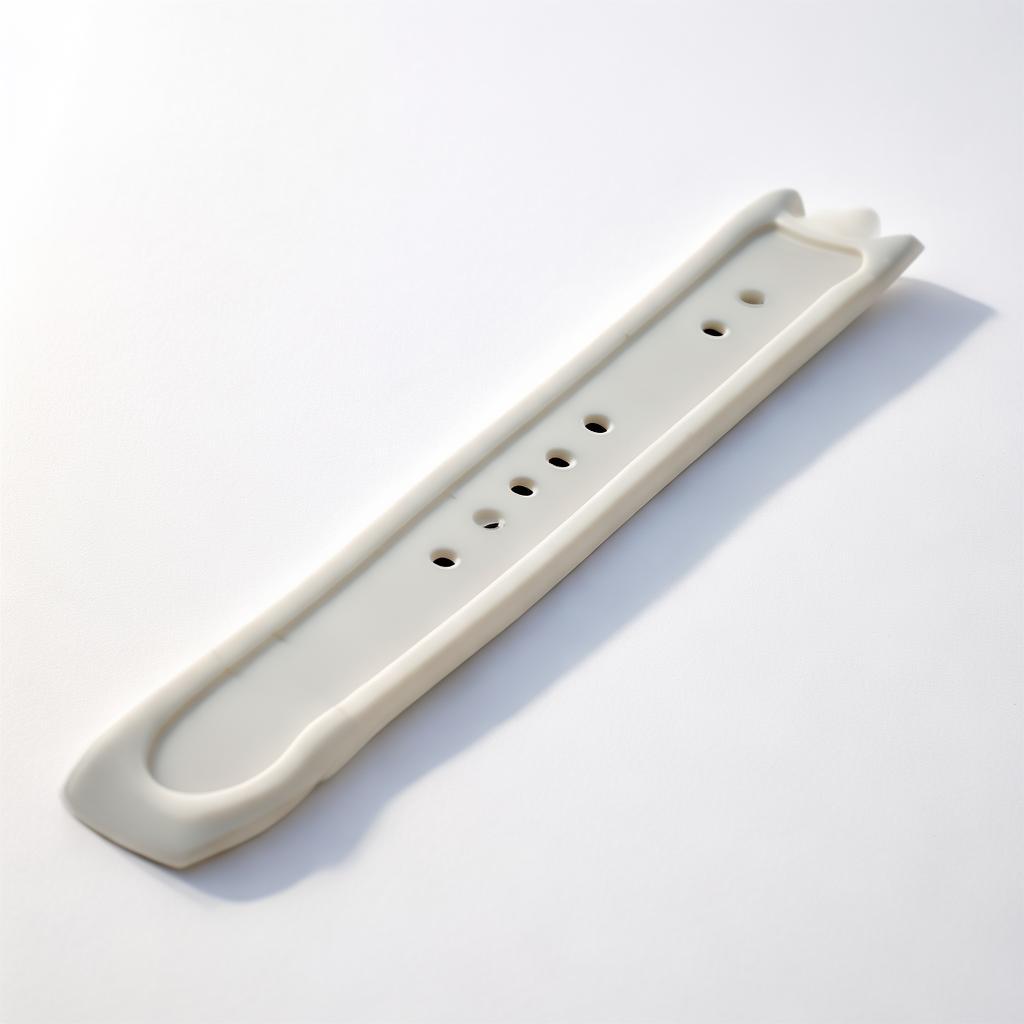
- Architectural Systems: Window and door frames, curtain walls, daylighting systems with enhanced thermal barriers and aesthetic coatings.
- Automotive & Transportation: Lightweight chassis components, heat exchangers, and trims that balance strength with fuel efficiency goals.
- Solar Energy: Aluminium frames and mounting rails optimized for corrosion resistance in outdoor environments.
- Electronics Housings: Heat sinks and structural parts with tight tolerance extrusions for effective thermal management.
- Industrial Machinery: Conveyor components, machine frames where rigidity and modularity speed maintenance cycles.
- Consumer Goods: Durable aluminium profiles for furniture, sports equipment, and appliance casings.
Procurement Insights & Avoiding Common Pitfalls
When sourcing aluminium extrusions overseas, precise vendor evaluation can save costly rework and project delays. Consider these points from practical procurement experience:
- Request Detailed Product Specs: Confirm alloy grades, temper designations, dimensional tolerances, and finish quality before committing.
- Factory Audit & Certifications: Verify ISO 9001/QS compliance, export licenses, and evidence of following international standards.
- Lead Time Transparency: Confirm realistic production & shipping schedules. Inquire about contingency planning for tool wear and material shortages.
- OEM/ODM Experience: Prefer suppliers with strong R&D and engineering teams capable of supporting custom die modifications or design optimization.
- Packaging & Shipping Strategy: Aluminium extrusions require careful bundling, corrosion inhibitors, and secured container stowage to avoid dents or oxidation in transit.
- Sampling & Inspection: Request initial inspection reports, material certificates, and first article samples to minimize surprises.
- Post-Sale Support: Look for vendors providing technical assistance after delivery, including installation guidance and troubleshooting.
Note: Always budget some time for tooling trials on specialized profiles – haste here often results in inconsistent part quality and increased scrap rates.
Need expert help analyzing your aluminium profiles? Talk with our engineer for tailored procurement strategy.
Frequently Asked Questions
- What aluminium alloys do you typically use for extrusion?
- Our primary alloys are from the 6000 series, especially 6063 and 6061, known for excellent corrosion resistance and machinability. For applications requiring higher strength, we also use 7000 series alloys like 7075.
- What are typical lead times for custom profiles?
- Standard extrusions with existing dies usually ship in 2 to 4 weeks. Custom tooling will add 6 to 10 weeks depending on complexity and tooling load.
- Can you provide anodizing and surface finishing services?
- Yes, we offer multiple post-extrusion finishes including anodizing (Type II & III), powder coating, and custom color matching for architectural or industrial requirements.
- How is quality controlled during production?
- Every batch undergoes dimensional inspection using laser micrometers, mechanical testing per ASTM standards, and surface finish evaluation. We document each shipment with certificates of compliance and inspection reports.
- What packaging measures prevent extrusion damage during transport?
- Profiles are bundled with protective corner guards, shrink wrapped, and palletized with moisture barriers to prevent oxidation. We custom-design packing per client logistics requirements.
Voices from Procurement & Engineering — Real Customer Feedback

Mark Davies – Procurement Manager, Chicago
“We found Yingtai’s extrusion consistency impressive. Their engineering team helped optimize our 6061-T6 aluminum heat sinks for better thermal dissipation, which shortened assembly time on the line. Shipping was well-organized — our orders always arrive intact.”

Jennifer Lee – Project Engineer, Seattle
“Their knowledge of extrusion alloys saved us from a costly mistake — they recommended switching to 6063 for exterior framing to reduce corrosion risks in a marine environment. The surface finishes met architectural specs and sped up onsite finishing.”

Thomas Nguyen – Operations Director, New York
“We appreciate the technical support offered throughout production runs. The tooling tolerance adherence is tight, minimizing downstream machining. Also, their packaging ensured zero dings during ocean freight, which historically has been a big headache.”
Want to Discuss Your Aluminium Extrusion Project?
Chat with Our Team
Author: Kevin Li, Industrial Engineer and Export Director