Aluminium High Pressure Die Casting: Precision Meets Performance for Industrial Innovation
The cornerstone technology for durable, complex, and high-volume aluminium components in global manufacturing
Industry Pain Points in Aluminium Casting
Across automotive, aerospace, electronics, and consumer goods sectors, demand for aluminium high pressure die casting (HPDC) components has soared — yet challenges abound. Many manufacturers confront operational bottlenecks and quality inconsistencies that stem from obsolete tooling, unpredictable lead times, and high scrap rates. Sourcing reliable suppliers capable of delivering precision, repeatability, and compliance with ISO and CE standards remains a persistent obstacle for procurement teams who must balance cost, quality, and speed.
From a production engineering perspective, managing die wear, thermal stress, and porosity defects are day-to-day headaches. Many projects face delays from inadequate die maintenance and inconsistent alloy selection that affect final product soundness. On the logistics end, shipping bulky aluminium castings requires careful container loading strategies and packaging solutions to prevent damage and minimize freight costs.
For USA-based enterprises sourcing aluminium components from Asia, understanding the supplier's manufacturing depth and compliance footprint is critical to mitigate risks and ensure on-time delivery.
Technical Deep Dive: High Pressure Die Casting Process
Aluminium HPDC involves injecting molten aluminium alloys under high pressure into robust steel dies, facilitating the production of complex, thin-walled, and dimensionally precise components at scale. The process typically utilizes alloys such as ADC12, A360, and A413, valued for their strength, corrosion resistance, and thermal properties. Maintaining optimized injection speeds and melt temperatures — usually between 650–700°C — is key to reducing turbulence and gas entrapment, which can otherwise compromise casting integrity.
Precision tooling design is fundamental. Modern practices integrate CAE simulation tools to predict flow patterns, solidification behavior, and shrinkage, critical to avoiding defects like cold shuts and porosity. Manufacturers with advanced injection presses of 1000–3000 tons clamping force offer flexibility for a wide range of casting sizes and wall thicknesses.
- Cycle Time Management: Typical cycle times average 20–40 seconds per shot, varying by complexity and casting size.
- Die Temperature Control: Maintaining die temperature (~200°C) enhances metal flow and reduces thermal shock.
- Post-Casting Operations: Include trimming, deburring, heat treatment, and surface finishing to meet specifications.
Many leading suppliers adopt automated die maintenance regimes informed by sensor data and AI analytics to prolong tool life and ensure consistent output quality — a vital practice to counteract common operational risks in HPDC production.
Advantages of Aluminium in High Pressure Die Casting
Selecting aluminium for HPDC offers compelling benefits that align with procurement priorities focused on ROI and product reliability:
- Weight Reduction: Compared with steel, aluminium's density is roughly one-third, contributing significantly to reduced product weight.
- Thermal Conductivity: Superior heat dissipation improves part performance in applications like automotive engine components.
- Corrosion Resistance: Naturally forms an oxide layer, extending service life in harsh environments.
- High Machinability: Facilitates post-casting finishing and assembly processes.
- Recyclability: Aluminium casting scrap is recyclable without quality loss, supporting sustainable manufacturing.
However, buyers should be mindful of aluminium alloy grades carefully. For instance, A380 alloy is popular for its balance of castability and mechanical properties but requires consideration for fatigue resistance in dynamic applications. It’s prudent to involve material scientists early in the design conversations.
Typical Applications Across Industries
Aluminium high pressure die casting is a backbone technology underpinning a variety of sectors, thanks to its cost effectiveness and precision:
| Industry | Typical Components | Key Requirements |
|---|---|---|
| Automotive | Engine blocks, transmission cases, brackets, housings | Weight reduction, thermal performance, fatigue resistance |
| Consumer Electronics | Heat sinks, enclosures, structural frames | Precision detail, surface finish, EMI shielding |
| Aerospace | Brackets, electrical connectors, housings | Lightweight, strength-to-weight ratio, regulatory compliance |
| Industrial Machinery | Pump bodies, valve housings, gear casings | Durability, corrosion resistance, dimensional accuracy |
In emerging tech, aluminium die cast parts enable innovation in electric vehicles and renewable energy equipment, where heat dissipation and weight are increasingly pivotal.
Procurement Guidance & Supplier Evaluation
Navigating international sourcing of aluminium high pressure die castings demands attention to several operational and commercial factors:
- Certifications: Verify supplier compliance with ISO 9001, IATF 16949 (automotive), and CE marking standards to ensure quality and export readiness.
- Factory Capabilities: Assess machinery specs — number of presses (tonnage range), tooling design, and testing facilities such as X-ray and ultrasonic inspection equipment.
- OEM/ODM Collaboration: Confirm technical support for tooling design, rapid prototyping, and iterative sampling to optimize first-article inspection.
- Lead Times & Flexibility: Discuss realistic production schedules and supplier flexibility for volume fluctuations or design updates.
- Logistics & Shipping: Understand supplier’s container loading experience and packaging methods designed to prevent deformation and surface damage during transit.
- Risk Reduction Promises: Negotiate warranty terms covering dimensional deviations, porosity, and mechanical integrity to reduce procurement risk.
Buyer’s comment: “Due diligence on die casting expertise and past project portfolios helped us avoid costly delays on our EV supply chain.” — Procurement Director, Midwest USA
Technical Specifications Table
| Specification | Typical Range / Value | Notes |
|---|---|---|
| Alloy Types | ADC12, A360, A380, A413 | Standard alloys for automotive & electronics |
| Die Casting Pressure | 600 – 1800 Bar | Depends on casting size and wall thickness |
| Melt Temperature | 650 – 700 °C | Critical for flow and porosity control |
| Injection Speed | Fast shot with controlled velocity profile | Optimized per alloy and casting design |
| Typical Wall Thickness | 1.5 mm – 8 mm | Allows for lightweight designs |
| Casting Weight Range | 10 g – 10 kg | Applicable for small to medium-large components |
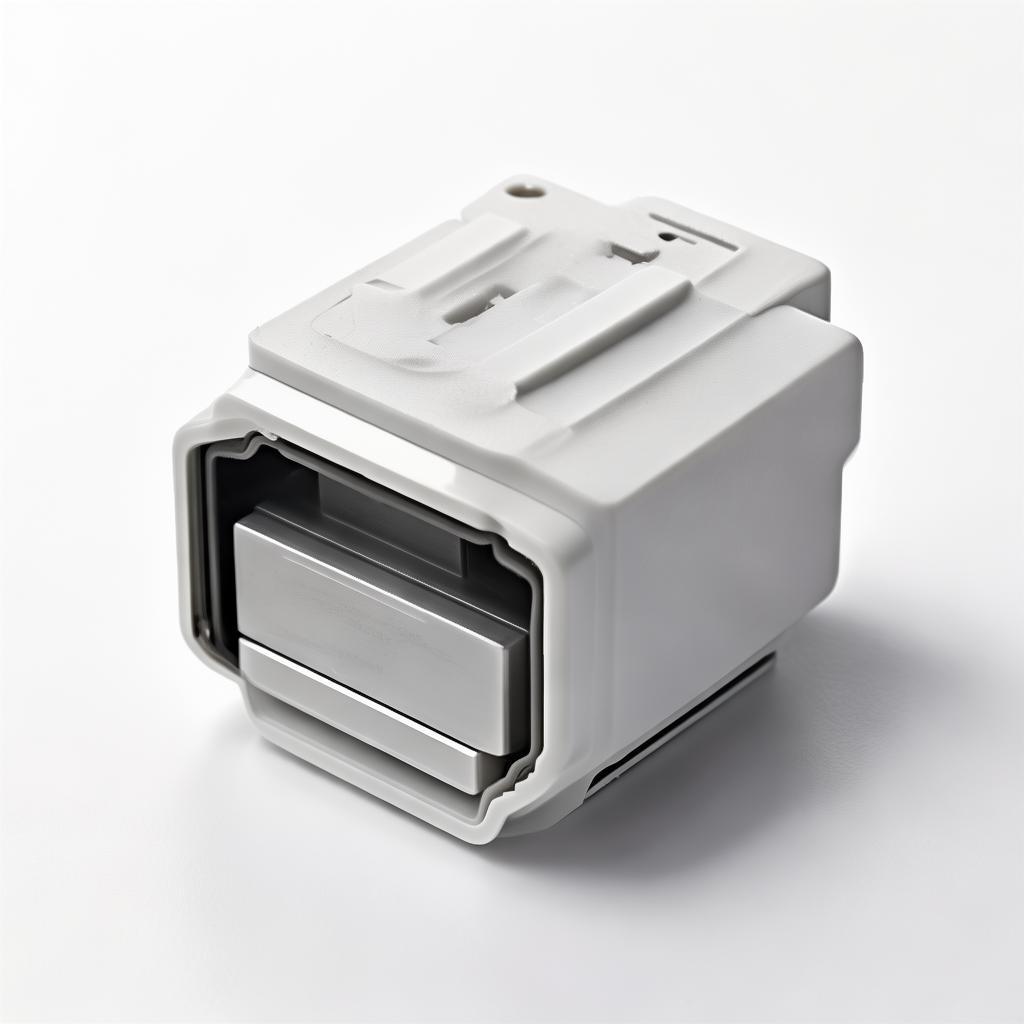
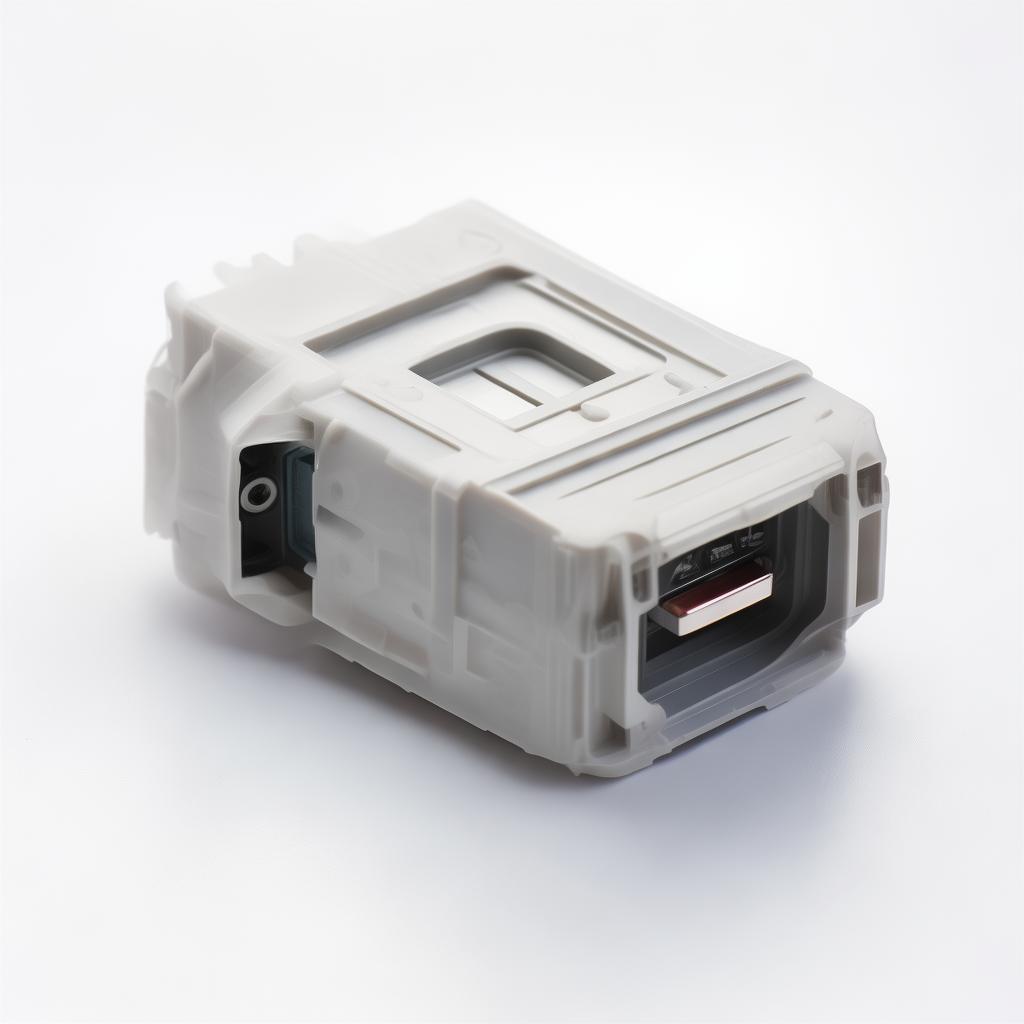
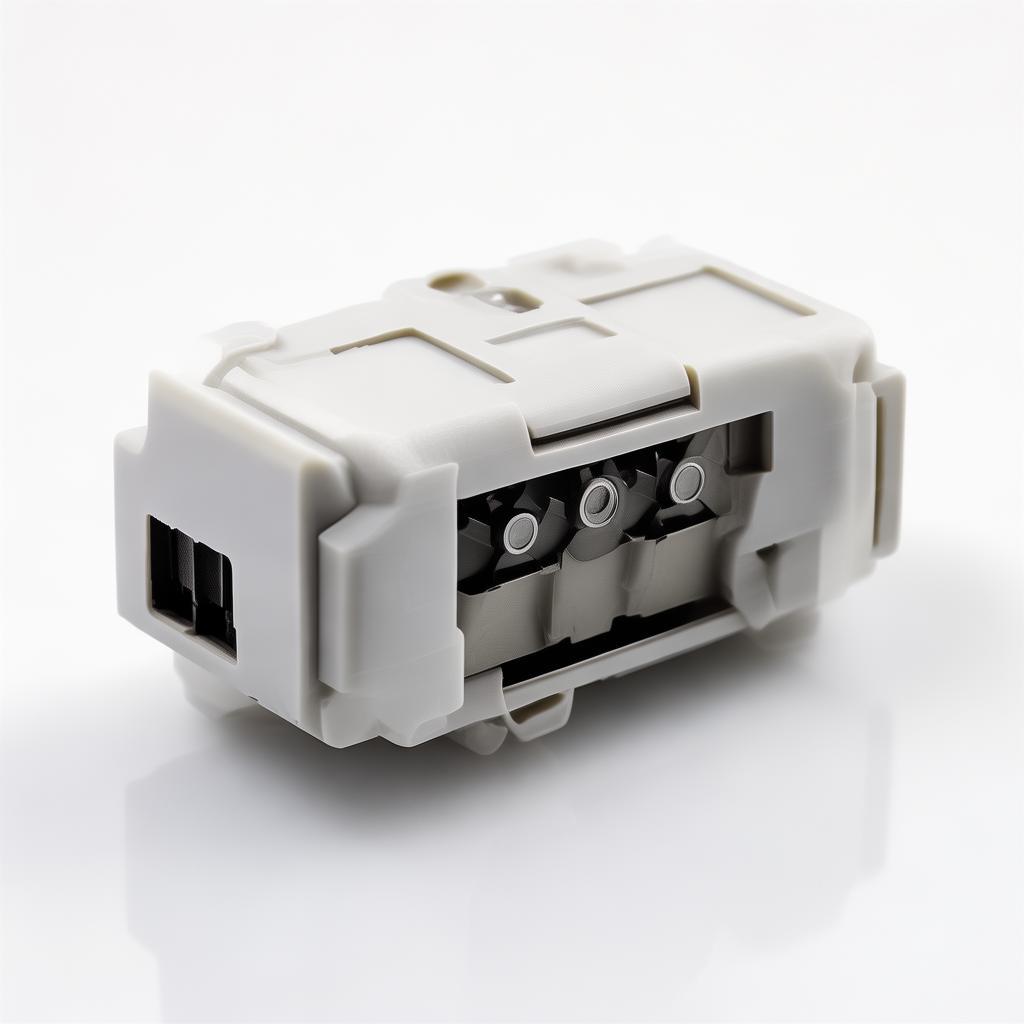
aluminium pressure die casting products high pressure die casting products aluminium die casting products
Logistics, Installation & Maintenance Considerations
Transporting aluminium castings internationally involves particular care. Components are susceptible to surface wear and damage, especially for thin walls or complex geometry. Standard precautions include:
- Protective Packaging: Use foam inserts, anti-corrosion coatings, and custom crates compatible with container load optimization.
- Load Planning: Coordinate with freight forwarders experienced in heavy or irregular shipments to ensure balanced container loading and reduce shift risks.
- Regulatory Compliance: Adhere to customs declarations for aluminium alloys and ensure relevant export permits are up to date for US importation.
On installation, parts may require deburring and minor dimensional adjustments. Buyers should plan tolerance allowances and collaborate closely with suppliers for pre-delivery quality inspections.
Regarding maintenance, inspection cycles for die casting tools are critical. Tool wear often leads to dimensional drift or surface imperfections requiring planned reground or Polishing operations. Operations managers should ensure:
- Regular die inspection schedules aligned with press shot counts.
- Storage under controlled humidity to prevent corrosion of moulds.
- Detailed record-keeping of production parameters to quickly identify quality variances.
Frequently Asked Questions
- What is the typical lead time for aluminium high pressure die casting?
- Lead times average 6 to 10 weeks, depending on tooling complexity, batch size, and post-processing requirements.
- Can aluminium HPDC parts be heat treated?
- Yes, heat treatment such as T6 tempering enhances mechanical strength and wear resistance for specific alloys.
- What are common defects and how are they mitigated?
- Porosity, cold shuts, and warpage are typical issues. Sophisticated mold design, optimized process parameters, and thorough inspection reduce occurrences.
- Do you support OEM or ODM services?
- Yes. Guangdong Yingtai offers end-to-end OEM/ODM collaborations, from tooling design to volume production with tailored solutions.
- What certifications do your products comply with?
- Our processes adhere to ISO 9001 quality management standards and IATF 16949 for automotive components, with CE marking where applicable.
Customer Reviews & Testimonials
“Partnering with Yingtai has substantially improved our part consistency and on-time delivery rates. Their engineering team’s expertise in die design helped us avoid costly reworks.”
- Mark Davidson, Procurement Manager, Midwest Automotive Supplier
“The aluminum casings we sourced from Yingtai met stringent aerospace standards and enabled us to reduce assembly weight by 20%. Communication throughout was transparent and responsive.”
- Lisa Chen, Operations Director, Precision Aerospace Parts, California
“Their willingness to collaborate on tooling iterations and support our design adjustments mid-project was impressive. It saved us weeks in development time.”
- George Reynolds, Senior Design Engineer, Consumer Electronics OEM, Texas