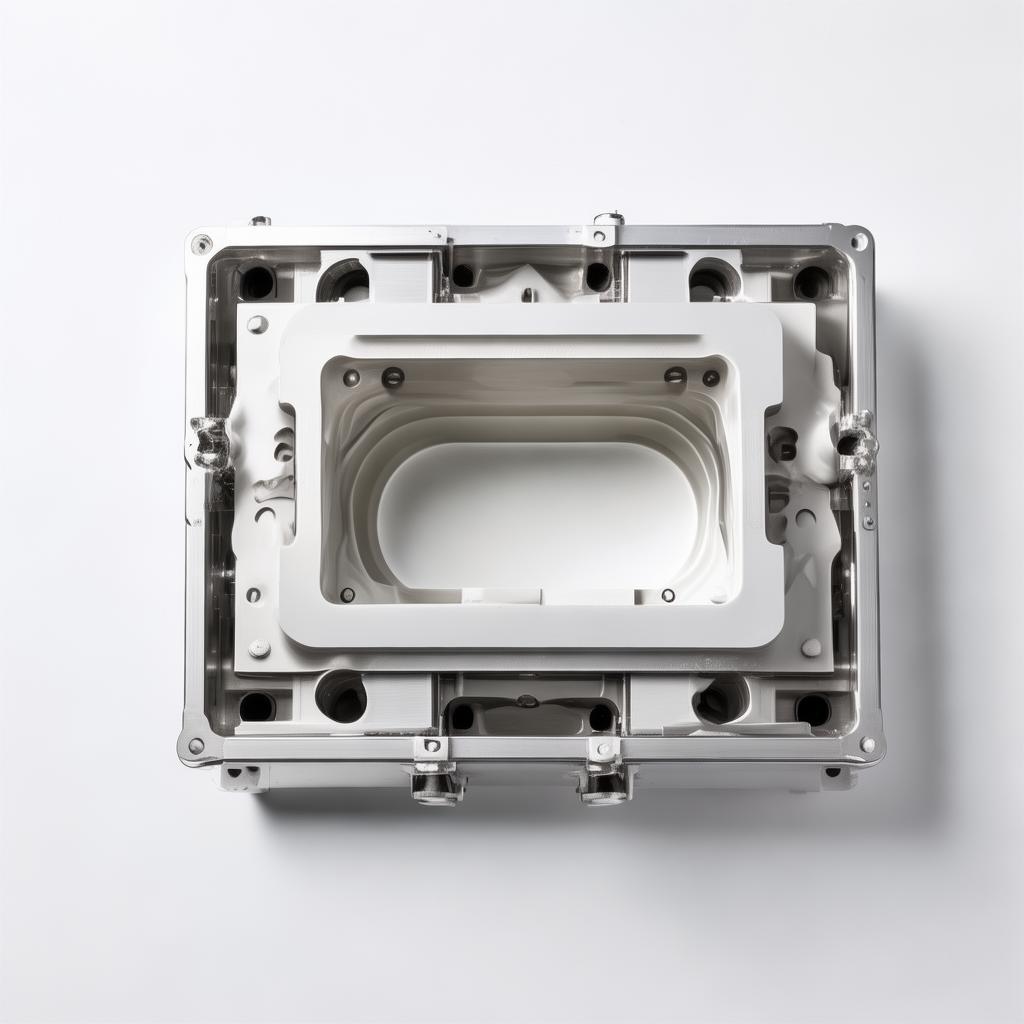
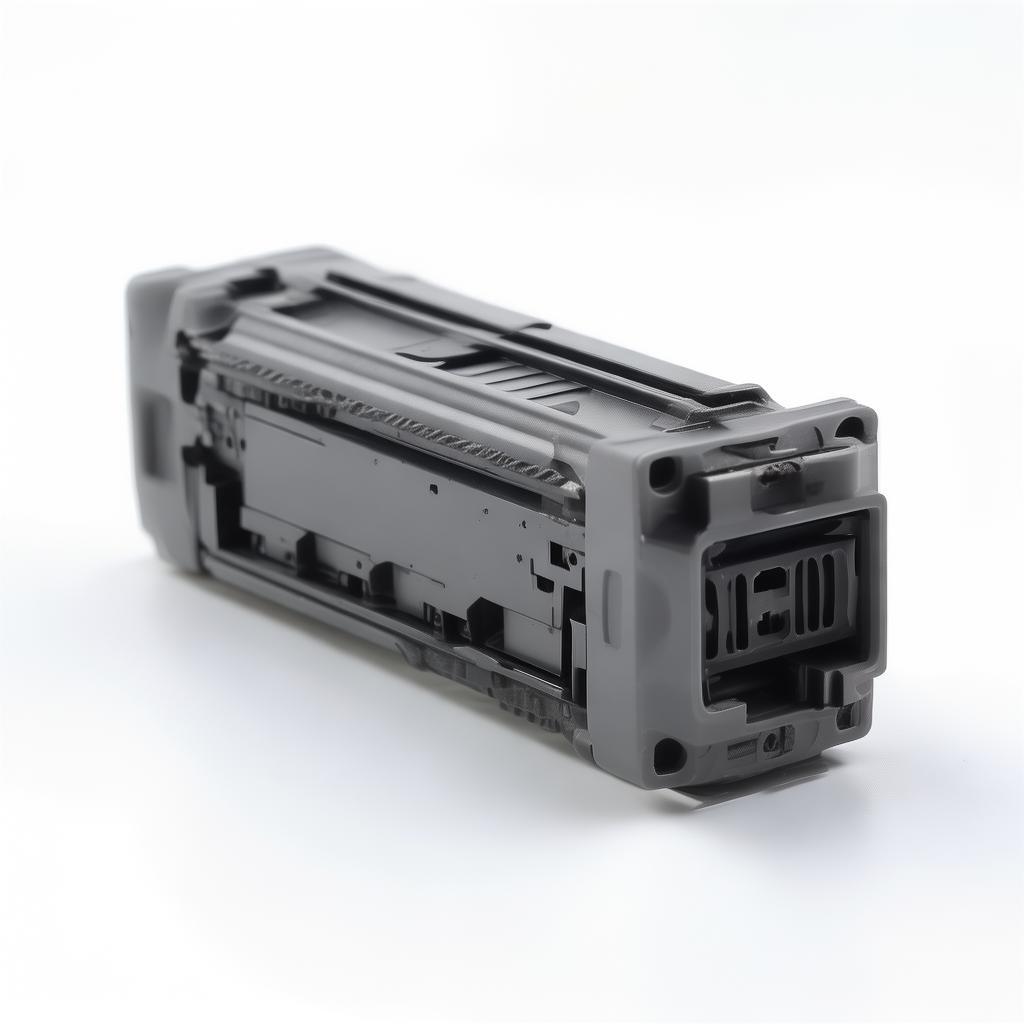
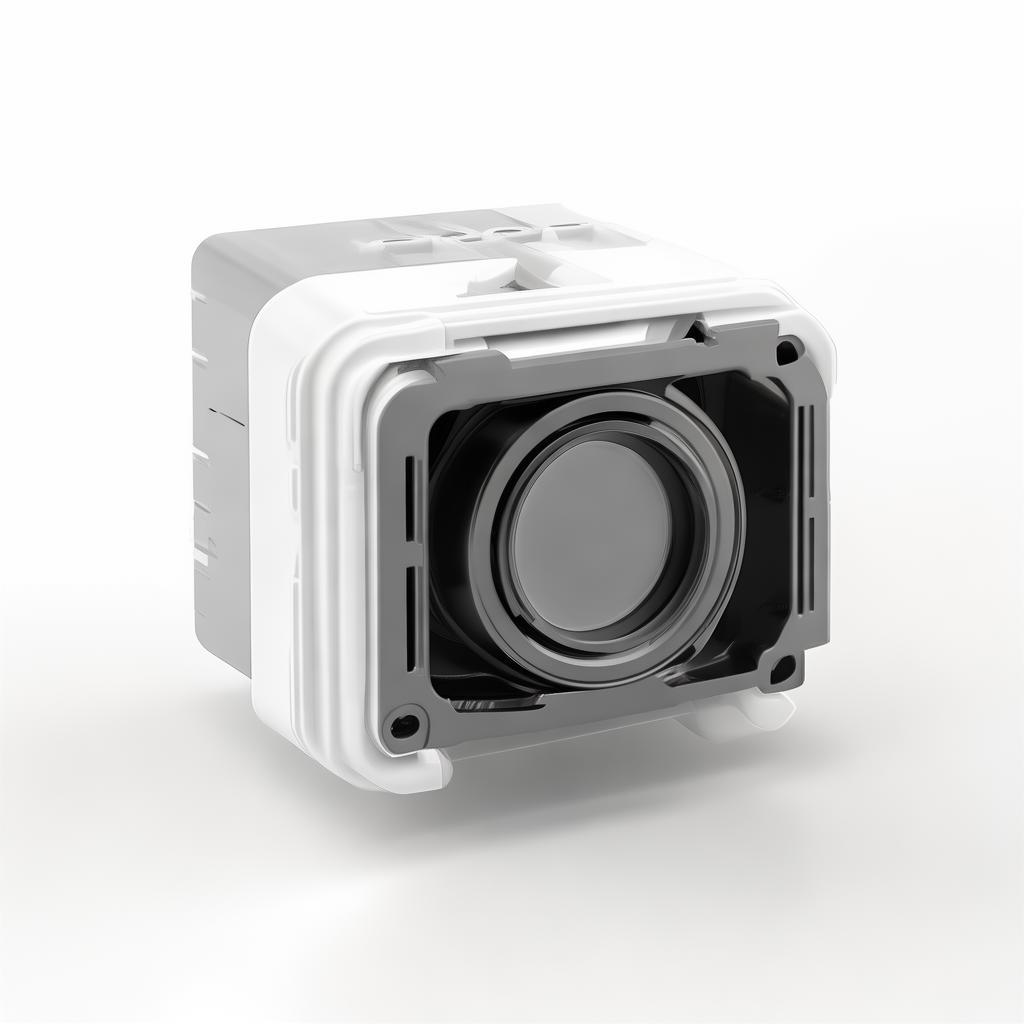
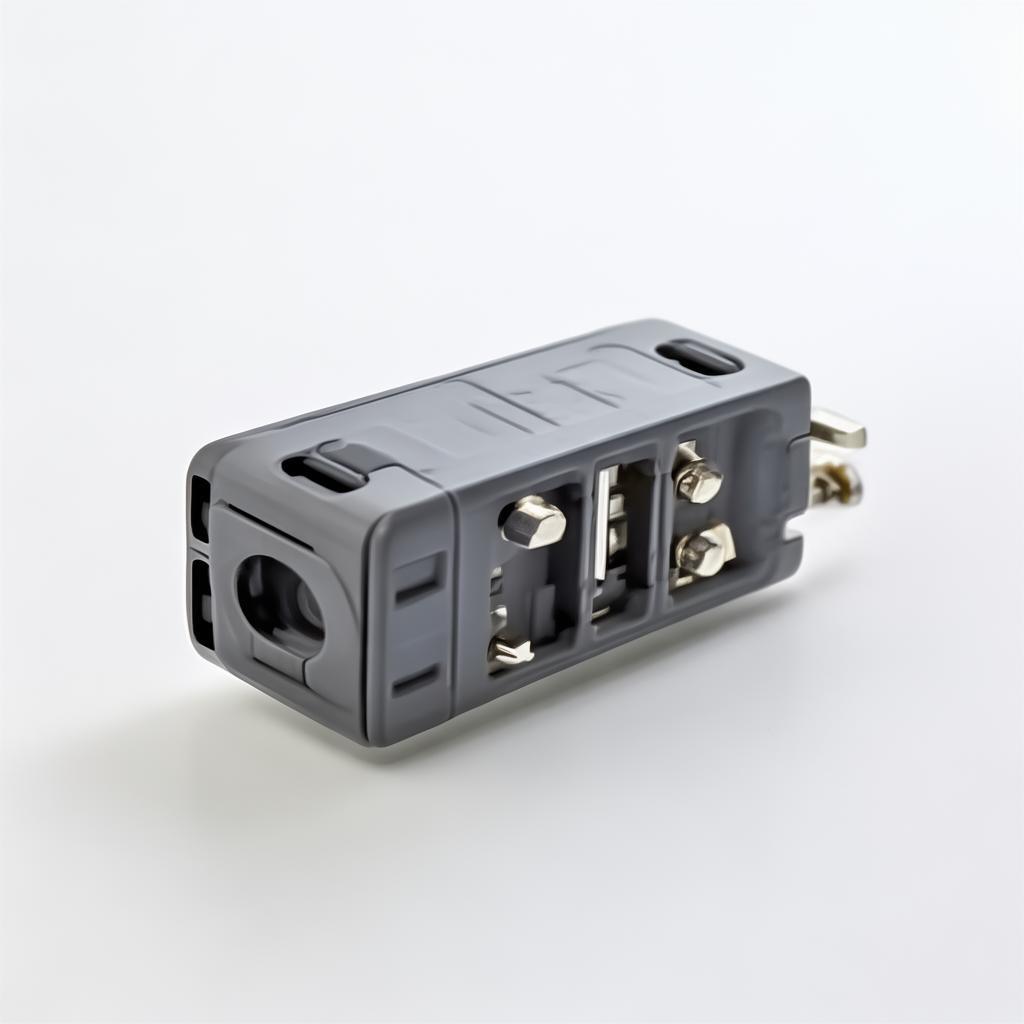
Guangdong Yingtai High Precision Technology Co., Ltd. – Industry Leaders in Advanced Aluminium Injection Moulding Solutions Aluminium injection moulding has emerged as a powerful manufacturing technology tailored to industries demanding precision, repeatability, and robust
Product Details
Aluminium Injection Moulding: Precision Manufacturing for Industrial Excellence
Guangdong Yingtai High Precision Technology Co., Ltd. – Industry Leaders in Advanced Aluminium Injection Moulding Solutions
Introduction to Aluminium Injection Moulding
Aluminium injection moulding has emerged as a powerful manufacturing technology tailored to industries demanding precision, repeatability, and robust performance. It blends the best of injection moulding dynamics with aluminium’s prized mechanical and thermal properties. While plastic injection moulding dominates consumer products, aluminium injection moulding — technically known as metal injection moulding (MIM) when involving fine metal powders — offers unmatched strength-to-weight ratios and superior heat resistance, critical for industrial applications.
Unlike traditional die casting, which involves molten aluminium poured into dies under gravity or low pressure, aluminium injection moulding atomizes aluminium into a fine powder mixed with a binder, injected into mould cavities with high accuracy, then undergoes debinding and sintering processes. This method allows manufacturing of complex geometries with tight tolerances and exceptional surface finishes. Production runs from small prototype batches to high-volume parts while maintaining dimensional consistency and mechanical integrity.
Material Benefits: Lightweight aluminium alloys deliver corrosion resistance, electrical conductivity, and thermal dissipation unmatched by most plastics.
Complexity & Precision: Enables integration of intricate internal structures and fine features without expensive secondary machining.
Production Efficiency: Reduced cycle times and scrap rates compared to machining or casting routes.
This technique suits components ranging from heat sinks and electrical connectors to aerospace brackets and automotive fuel system parts. The global push for lightweight, high-strength parts especially in electric vehicles and aerospace is spurring interest in aluminium injection moulding. According to industry studies on metal injection moulding technology, manufacturers can expect lifecycle cost benefits by reducing tooling adaptation and material waste. (Note: While aluminium injection moulding is still niche compared to plastic or conventional aluminium casting, advancements in powder metallurgy and additive manufacturing are converging to make it more accessible and cost-efficient.)
Common Industry Challenges
Working with aluminium injection moulded parts doesn't come without its share of operational hurdles. Here are some persistent pain points observed in production and procurement:
Longer Lead Times: Compared to plastic injection moulding, the debinding and sintering stages extend cycle time considerably.
Tooling Costs: Moulds require high-precision steel fabrication and strong wear resistance to withstand powder injection abrasion.
Material Porosity: Improper sintering can leave microscopic pores reducing mechanical strength and potentially causing leaks or cracks in load-bearing applications.
Complex Process Control: Fine control of temperature profiles and binder burnout is critical but demands specialized expertise and equipment.
Quality Variation: Small deviations in powder particle size distribution or binder ratio can cause shrinkage or warpage.
On the procurement side, buyers often face difficulties in evaluating suppliers’ technical capabilities. Not all factories claiming aluminium injection moulding experience have sufficient process maturity or ISO-certified quality control systems. Getting quotes that reflect actual production realities without hidden costs is also a common issue.
Advantages of Aluminium Injection Moulding
Despite challenges, aluminium injection moulding offers unique benefits that make it a compelling solution in multiple industrial domains:
Benefit
Operational Impact
High Strength-to-Weight Ratio
Ideal for aerospace and automotive parts seeking lightweight durability and fatigue resistance.
Design Flexibility
Allows complex internal cooling channels and undercuts without secondary machining.
Improved Thermal Conductivity
Supports heat dissipation in electronics housings or LED fixtures better than plastics.
Corrosion Resistance
Aluminium alloys resist environmental degradation when anodized, extending product life.
Scalable Production
From prototypes to mass production runs, the workflow accommodates volume flexibility.
Practical insight: Many clients shifting from traditional CNC milling have seen notable reductions in material waste using injection moulded aluminium components, lowering their overall per-piece cost despite a slightly higher upfront tooling budget. Moreover, injection moulded parts typically exhibit superior surface finish, requiring less post-processing.
Technical Specifications & Processes
Aluminium injection moulding blends powder metallurgy with injection moulding principles. Below is a summary of key technical parameters and process steps your procurement or R&D team should consider:
Parameter
Typical Range / Value
Implication
Aluminium Powder Particle Size
10-45 microns
Finer powders improve sintering uniformity but increase cost; affects density & strength.
Injection Pressure
80–150 MPa
High-pressure injection ensures mould filling and feature fidelity.
Sintering Temperature
550–620 °C (depending on alloy)
Crucial for densification; improper control leads to porosity and weak spots.
Cycle Time
Several minutes to hours (including debinding & sintering)
Longer than plastic injection; plan accordingly for production scheduling.
Typical Tolerances
±0.05 to ±0.1 mm depending on size
High accuracy achievable with quality tooling; preferred for precise mechanical parts.
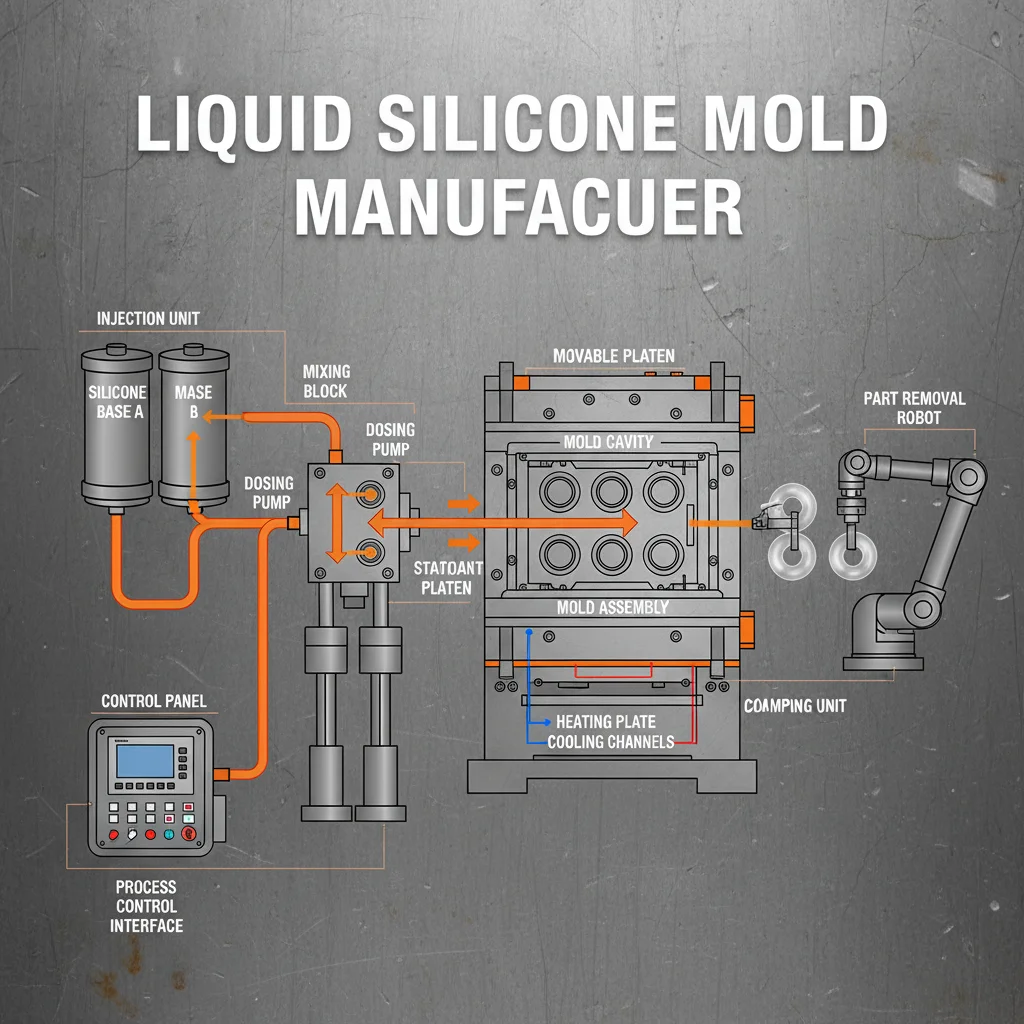
Blending aluminium powder with organic binders to form feedstock slurry.
Injecting feedstock into precision steel mould cavities under high pressure.
Cooling and solidification of the “green” injected parts.
Debinding stage where binders are thermally or chemically removed.
Sintering at elevated temperatures to densify the metal and fuse particles.
Post-processing such as machining, finishing, or heat treatment for specific applications.
Manufacturing efficiency hinges on optimized mold design, including vent channels and cavity layout. Accurate thermal profiling during debinding reduces defects like cracking or distortion. Advanced CAE simulation tools increasingly assist engineers in modeling flow, cooling, and shrinkage effects during the aluminium injection moulding cycle (See: MDPI Polymer Study on Material Characterization).
Applications Across Industries
Aluminium injection moulding is becoming a strategic choice for various sectors that prioritize precision, light weight, and high-performance components:
Aerospace: Structural brackets, bushings, and heat dissipation components requiring tight tolerances and corrosion resistance.
Automotive & EVs: Fuel system parts, electronic housings, and thermal management modules benefiting from low weight and strength.
Consumer Electronics: Compact cases, connectors, and heat sinks for smartphones, tablets, and smart wearables.
Medical Devices: Surgical tool components and precision instrument housings where aluminium’s biocompatibility and sterilization are prized.
Industrial Machinery: High-wear parts and customized fittings requiring fine finish and dimensional stability.
The ability to package multiple functions within a single moulded component — reducing assembly and enhancing reliability — is particularly valued. Feedback from clients highlights how aluminium moulded parts often outperform machined equivalents in durability while streamlining their supply chain.
Procurement Guidance & Supplier Evaluation
When sourcing aluminium injection moulded parts internationally, especially for high-stakes projects with tight cost and quality expectations, thoughtful supplier selection is non-negotiable:
Certifications: Request ISO 9001 and ISO/TS 16949 (automotive) or ISO 13485 (medical) certifications. These standards indicate robust quality management systems.
Technical Capability: Confirm the supplier has advanced powder metallurgy equipment, sintering furnaces, and automated injection presses designed for aluminium alloys.
Sample & Prototyping: Ask for pre-production samples and prototype runs to verify dimensional accuracy and surface finish.
Lead Time Transparency: Aluminium injection moulding cycles are longer than plastics; get clear timelines covering debinding and sintering durations.
Material Traceability: Ensure the alloy composition complies with ASTM, EN, or JIS standards; traceability supports product safety and regulatory compliance.
OEM & ODM Experience: Check if the factory supports custom designs and iterative development, crucial for high-complexity applications.
Note: Guangdong Yingtai High Precision Technology leverages 20+ years of industrial moulding expertise and full-scale manufacturing systems. Our 35,000 sqm modern park and 500-strong team ensure capability from mold development to final assembly. This depth reduces risk and unlocks efficient volume scalability.
Frequently Asked Questions
Q1: How does aluminium injection moulding differ from die casting?
Unlike die casting which injects molten aluminium, injection moulding uses aluminium powder mixed with binders that is shaped and then sintered. This allows finer features and better material utilization but requires longer processing times.
Q2: What alloys are commonly used?
Aluminium alloys such as Al 6061 and Al 7075 powders are common, chosen for strength, corrosion resistance, and thermal properties.
Q3: Can aluminium injection moulded parts be anodized?
Yes, post-sintering anodizing is typical for corrosion resistance and surface finish enhancements.
Q4: What typical part size limits exist?
Generally, up to 150 grams per part by mass is easy to manage; larger parts may require hybrid manufacturing or alternate methods.
Q5: How to reduce porosity risks?
Strict control of powder quality, sintering atmosphere, and temperatures is vital. Partnering with suppliers employing advanced process controls reduces defect incidence.
Customer Reviews
Michael Sanders, Purchasing Manager, Michigan Industrial Components
(Reviewed March 2024)
“Switching to Guangdong Yingtai’s aluminium injection moulded parts brought us consistent quality and saved about 15% on material waste compared to our old CNC-machined parts. Lead time transparency was appreciated – no hidden delays. Their engineering team helped tweak our design for better sintering yield.”
Get in Touch
If you have any camping barbeque equipment inquiry, please feel free to contact us.



 Michael Sanders, Purchasing Manager, Michigan Industrial Components