Aluminium Surface Treatments: Essential Solutions for Industrial Longevity and Performance
Industrial-grade aluminium surface treatments tailored for procurement managers, technical engineers, and global trade professionals seeking durable, high-performance finishes for export and OEM manufacturing.
Navigating Key Industry Challenges in Aluminium Surface Treatments
From procurement to final installation, aluminium surface treatments present a unique set of operational hurdles that can impact product lifecycle and ROI. Understanding these challenges is crucial for buyers and specification engineers alike.
- Corrosion resistance under diverse environmental stress: Marine exposure, industrial pollution, and UV radiation demand treatments that balance protection and longevity.
- Surface uniformity and adhesion: Ensuring coatings and anodic layers adhere firmly without defects is paramount for OEM and assembly line consistency.
- Compatibility with secondary processes: Treatments must remain stable under machining, welding, and assembly protocols to avoid costly reworks.
- Regulatory compliance and environmental impact: Modern surface treatments face stringent VOC regulations and increasingly favor eco-friendly chemistries.
- Lead times and supply chain logistics: Precision surface treatments can extend production cycles. Efficient coordination with manufacturers ensures timely delivery and quality assurance.
Importers and technical buyers often face the tedious task of balancing performance and cost while navigating these risks. From personal experience managing complex supply chains for aerospace-grade aluminium components, I advise emphasizing transparent supplier capabilities and process certifications early in vendor evaluation.
Technical Overview: Core Aluminium Surface Treatment Methods
Several well-established methods dominate aluminium surface finishing in industrial applications. These include but are not limited to:
- Anodizing: Electrochemical oxidation creating durable oxide layers ranging from thin Type II (sulfuric acid anodizing) to thicker, wear-resistant Type III hard anodizing. Offers excellent corrosion and abrasion protection.
- Powder Coating: Thermosetting polymer powders electrically sprayed and cured, delivering thick, uniform finishes ideal for outdoor and architectural components.
- Chromate Conversion Coatings: Treatment with hexavalent or trivalent chromium solutions improves corrosion resistance and paint adhesion. The industry trend favors trivalent chromium due to environmental regulations like RoHS and REACH.
- Mechanical Finishing: Processes such as shot blasting, brushing, and polishing optimize surface roughness before coating or anodizing.
- Electrophoretic Deposition (EPD): Offers an even coating layer with excellent adherence and is used widely in automotive and electronics housing manufacturing.
The choice depends heavily on application specifics: mechanical load, environmental exposure, aesthetic requirements, and budget constraints. Our engineering consultancy frequently stresses the importance of matching treatment type not just to short-term tests but to multi-year operational realities.
Comparative Analysis: Surface Treatment Methods
| Treatment Method | Corrosion Resistance | Mechanical Durability | Environmental Compliance | Typical Lead Time | Cost Consideration |
|---|---|---|---|---|---|
| Anodizing (Type II & III) | High to Very High | Medium to High | RoHS & REACH Compliant | 7-14 days | Moderate |
| Powder Coating | High | Very High | Eco-friendly, Low VOC | 10-21 days | Higher |
| Chromate Conversion | Moderate to High | Low to Medium | Trivalent Preferred for Compliance | 5-12 days | Low |
| Electrophoretic Deposition (EPD) | Very High | High | RoHS Compliant | 12-18 days | Moderate to High |
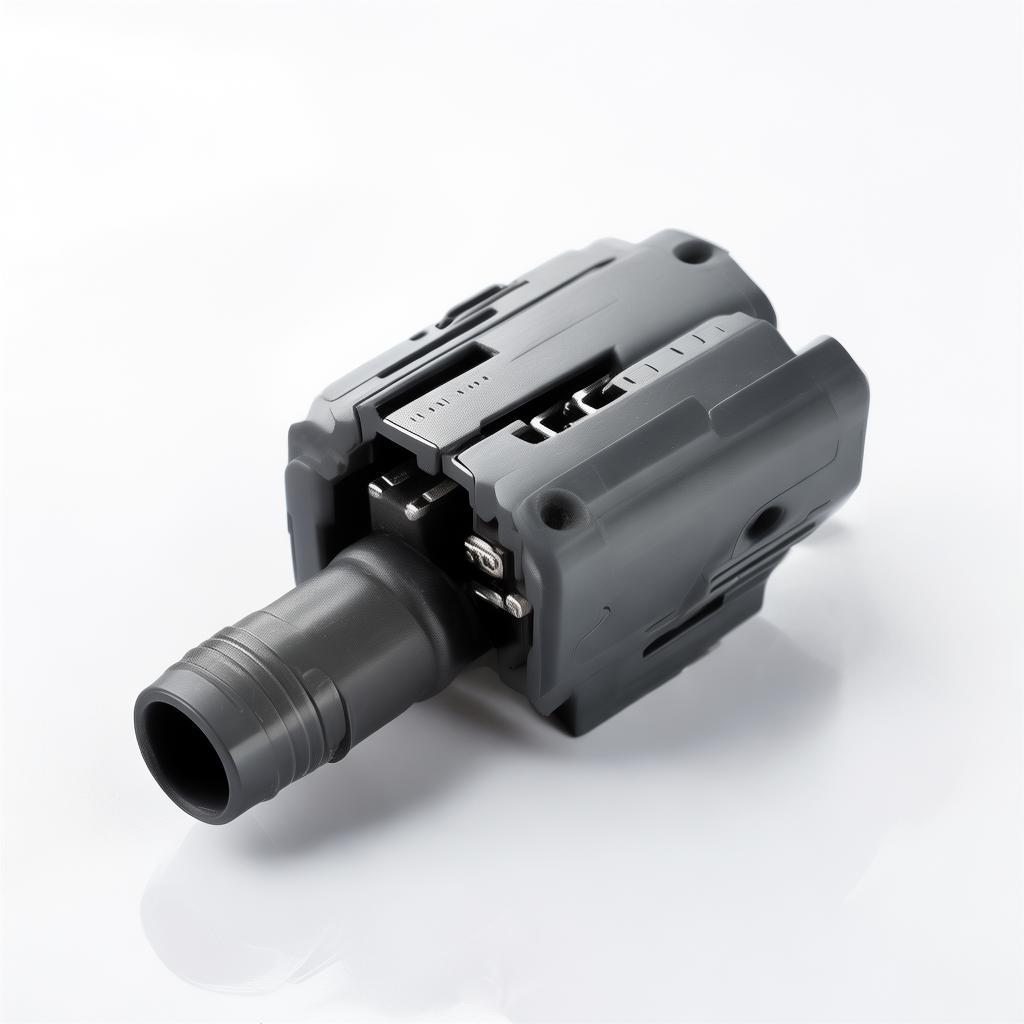
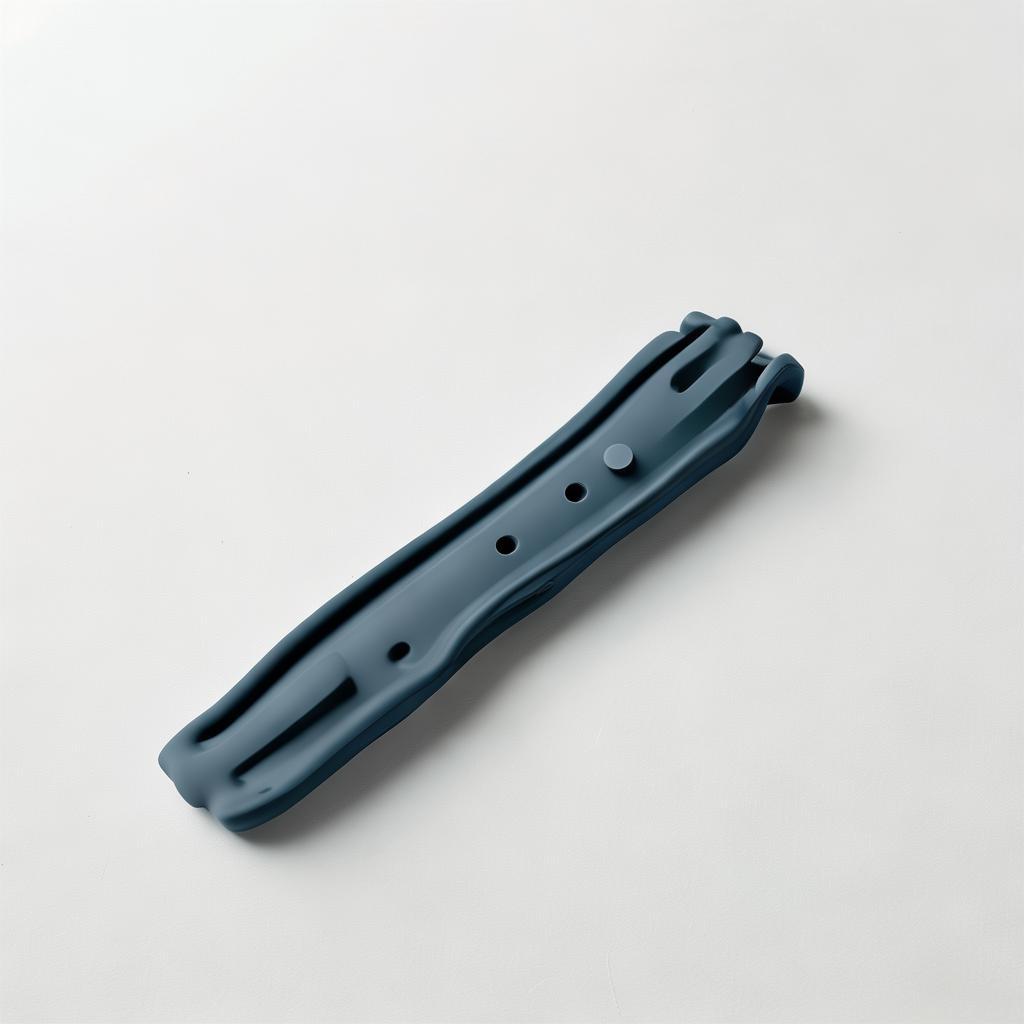
aluminum surface treatment anodised aluminium aluminium die casting products
Note: Lead times may vary depending on batch size, technical complexity, and supplier proximity. Always align treatment specifications with production planning to avoid costly delays.
Application Scenarios for Treated Aluminium Components
Aluminium surface treatments find use in a wide range of sectors, each demanding precise performance characteristics. Practical examples we've encountered include:
- Aerospace Frames and Structural Parts: Require hard anodizing (Type III) for high abrasion resistance and fatigue protection under extreme conditions.
- Consumer Electronics Casings: Often treated with fine anodizing or EPD to achieve scratch resistance and aesthetic appeal.
- Automotive Components: Use a combination of powder coating and chromate conversion to meet corrosion resistance and regulatory standards.
- Architectural Panels: Benefit from weather-resistant polyester powder coating with UV inhibitors.
- Marine Equipment: Demand specialized sealing anodic layers to withstand saline corrosion and harsh environments.
- Industrial Machinery: May require functional coatings, including lubricious layers or anti-slip finishes for operational safety.
When specifying treatments for OEM or ODM projects, keep the end-use environment and mechanical stresses top-of-mind. Surface treatment isn’t just cosmetic; it’s a major factor in maintenance intervals and lifecycle costs.
Procurement Guidance & Risk Management
From my firsthand experience as an export director for precision aluminium components, key procurement red flags to watch for include:
- Unclear process specifications or lack of detailed treatment certificates.
- Suppliers without ISO 9001 or ISO 14001 certifications, signaling inadequate quality and environmental standards.
- Poor communication on lead times or shipment logistics, especially for cross-border trade.
- Lack of traceability in batch control and inconsistent surface uniformity.
- Pricing anomalies that seem too low, often indicative of substandard chemical formulations or rushed processes.
Mitigation strategies that we recommend involve:
- Requesting detailed process documentation and sample approvals upfront.
- Demanding factory audits or virtual tours focusing on treatment equipment and environmental controls.
- Clarifying compliance with specific US and international standards like ASTM B580 (Anodic Oxide Films), MIL-A-8625 (Military Specification), or ISO 7599.
- Aligning logistics planning with supplier capacity, factoring shipping lead time and customs clearance.
- Evaluating OEM and ODM capabilities for customization and volume scaling.
Clients save significant cost and time by conducting early-stage technical factory visits or remote video inspections to verify equipment sophistication, production environment, and workforce expertise.
Certifications & Industry Standards You Should Expect
Quality and compliance underpin trust in aluminium surface treatment sourcing. Reliable suppliers provide validated certifications such as:
- ISO 9001: For quality management systems ensuring consistent product standards.
- ISO 14001: Environmental management compliance aligned with sustainable manufacturing practices.
- RoHS & REACH Certification: Guaranteeing use of environmentally-friendly materials and processes without hazardous substances.
- ASTM and MIL Standards: Particularly ASTM B580 (anodic films) and MIL-A-8625 for aerospace applications.
- CE Marking: For aluminium components destined for EU markets, confirming conformity with safety and environmental directives.
These certifications are not mere formalities; they reflect a supplier’s operational discipline and enable smoother customs clearance, regulatory acceptance, and ultimately, end-customer confidence.

Frequently Asked Questions
Q1: How do I determine the right surface treatment for my aluminium products?
Answer: Start by analyzing the end-use environment, mechanical demands, and aesthetic considerations. Consult with your supplier’s technical team and request treatment samples followed by exposure or abrasion tests when possible.
Q2: What typical turnaround times can I expect for bulk surface treatments?
Answer: Treatment times vary by method and batch size; anodizing is generally 7-14 days, powder coating around 10-21 days. Plan procurement and production schedules accordingly to avoid rush fees.
Q3: Are there special considerations for exporting treated aluminium parts?
Answer: Absolutely. Surface treatments can influence packing methods, risk of damage during transit, and customs inspections. Work closely with your supplier to guarantee packaging protects finishes and confirm compliance with destination country regulations.
Q4: Can surface treatments be customized to match branding or color requirements?
Answer: Yes, powder coating and anodizing can be tailored with a wide range of colors and textures. Collaborate with factories offering OEM/ODM services to ensure color consistency and finish quality for your brand specification.
Get Specialized Aluminium Surface Treatment Solutions
At Guangdong Yingtai High Precision Technology Co., Ltd., we combine advanced industrial park capabilities in Dongguan with 20+ years of expertise in precision custom manufacturing. Whether you require anodizing, powder coating, or complex multi-layer treatments, our integrated facilities with 55+ molding machines, precision machining, and quality control systems ensure scalable, compliant, and competitive output.
Talk to our engineering team:
- 📞 Miss Zhang (Export Manager): +86 17722437688
- ✉️ Email: zmm@yingtai168.com / lh@yingtai168.com
- 🌐 Contact Us for Samples & Pricing
- 📦 Supplier experience in container loading and logistics for USA-bound shipments ensures your supply chain runs smoothly.
Supporting Visual Evidence: Client Communication Snapshots