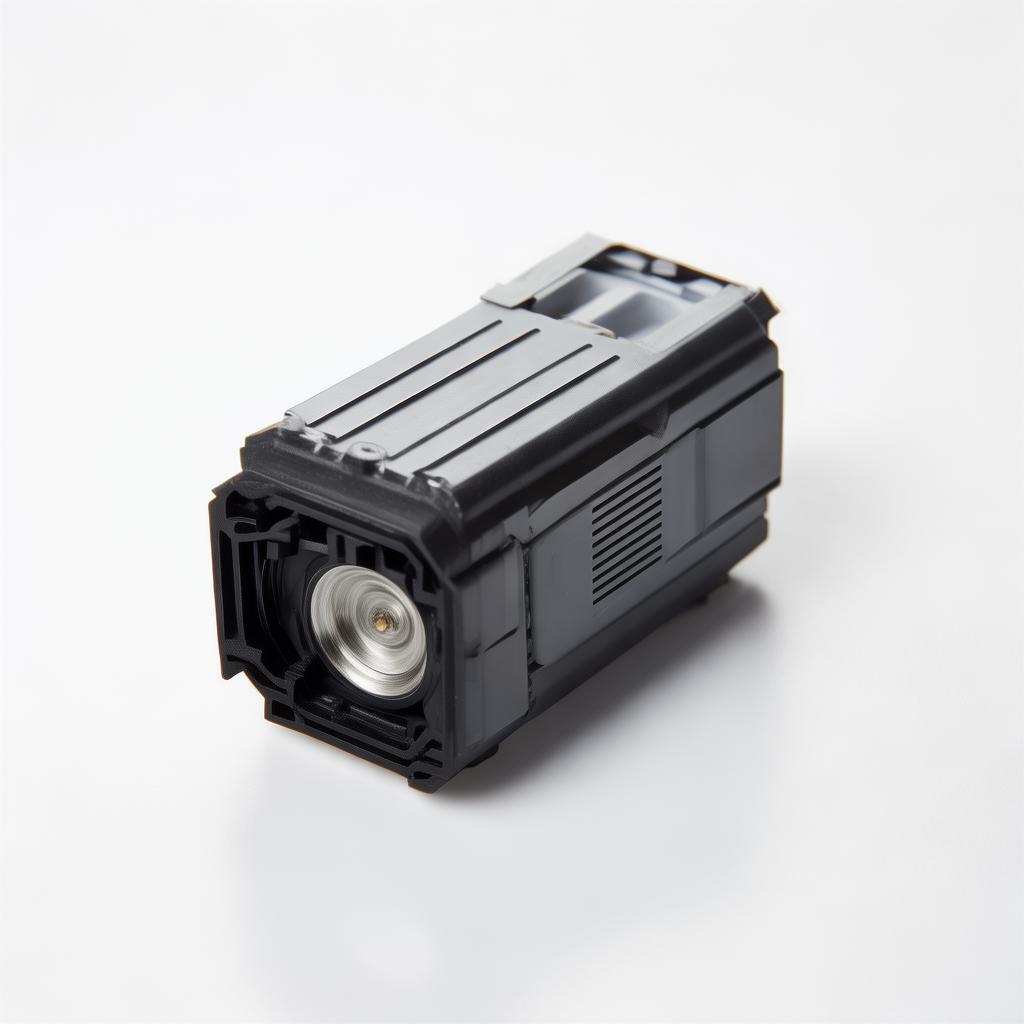
Informed insights from an export director with 20+ years in OEM precision tooling The aluminum die casting mould is a cornerstone element in high-volume manufacturing, indispensable for producing intricate, lightweight, yet robust metal components.
Product Details
Aluminum Die Casting Mould: Precision Engineering for High-Performance Manufacturing
Informed insights from an export director with 20+ years in OEM precision tooling
Understanding Aluminum Die Casting Moulds
The aluminum die casting mould is a cornerstone element in high-volume manufacturing, indispensable for producing intricate, lightweight, yet robust metal components. Responsible for shaping molten aluminum with precision and repeatability, these moulds are key to advancing industries like automotive, aerospace, electronics, and consumer appliances across global markets.
From a procurement standpoint, selecting the right aluminum die casting mould isn’t merely about cost but understanding the nuanced balance between thermal conductivity, wear resistance, and production cycle times. Unlike conventional steel moulds, aluminum moulds offer superior heat dissipation, enabling quicker cooling phases and thus shorter cycle times — a critical lever in lean manufacturing setups.
Yet, deploying aluminum die casting moulds comes with operational caveats. For instance, aluminum's mechanical properties necessitate specific alloy choices and heat treatments to maintain dimensional stability under repeated thermal stress. This makes diligent material characterization and expert mould design paramount to avoid premature wear or warping — problems that can otherwise inflate tooling downtime and impact overall production yield.
Given these realities, industry professionals emphasize investment not only in mould manufacturing but also in upfront technical consultations and prototype testing phases. This ensures moulds meet ISO 8062 tolerance standards for die castings and comply with specific application requirements, whether it’s the stringent demands of aerospace grade housings or automotive structural parts exposed to harsh environmental loads.
At Guangdong Yingtai High Precision Technology Co., Ltd., with over two decades in mold processing and customization based in Dongguan's industrial hub, we bring a comprehensive methodology. Leveraging 55 liquid silicone molding machines and a suite of advanced injection molding equipment, our in-house tooling systems provide turnkey solutions from design through finished components — that’s a certainty in quality and consistency, guaranteed by our robust factory test protocols.
For importers and operations managers, understanding these technical details informs smarter sourcing decisions — avoiding common pitfalls like inferior alloy molds or underestimating lead times for custom molds. Transparent communication between supplier and buyer around specifications, tolerances, and process optimizations translates directly into cost savings and production reliability.
This page serves as a detailed guide, grounded in real-world applications and industry-leading practices, to enhance your procurement effectiveness and reduce risks inherent in precision aluminum die casting tooling acquisitions.
Industry Pain Points: What Buyers Often Face
Tool wear and heat fatigue: Aluminum moulds have excellent heat conductivity but can suffer wear quicker than hardened steel, leading to frequent maintenance and replacement needs.
Cycle time miscalculations: Inadequate understanding of thermal properties can cause over- or underestimation of casting cycle times, impacting delivery schedules.
Dimensional stability challenges: Without precise alloy specification and heat treatments, moulds deform, causing quality defects in cast products.
Supplier inconsistency: Lack of transparency in mould design processes often leads to mismatched expectations and quality issues, especially in cross-border trade.
Long lead times: Custom moulds require detailed prototyping phases; underestimating this timeline results in project delays.
Logistics and packaging concerns: Improper handling can cause mould damage during shipping, affecting installation and increasing costs.
Operational insight: Many purchasers inadvertently accept the lowest-cost moulds without sufficient technical vetting, only to face early tool failure. It's often more economical to invest in detailed material analysis and factory audits upfront.
Technical Deep Dive: Materials, Design & Manufacturing Workflow
Aluminum die casting moulds typically employ high-grade aluminum alloys such as 7075-T6 or 2024, prized for their tensile strength, corrosion resistance, and machinability. Our in-house engineering teams apply advanced CAD/CAM software paired with FEA (Finite Element Analysis) and thermal simulations to optimize mould flow, cooling channels, and ventilation design.
Implementing ISO 8062 Class 4 (Medium Tolerance) or better ensures molding accuracy that supports tolerances down to ±0.02 mm on critical features. Combined with stringent heat treatment cycles — solutionizing followed by artificial aging — these processes significantly extend the service life of molds despite thermal cycling during production runs.
In tooling, the integration of conformal cooling channels fabricated via CNC or additive manufacturing is transforming cycle efficiency. Such channels aid in uniform heat removal, dramatically reducing warpage and porosity risks in aluminum castings. However, this technique demands precision and can upsurge initial tooling costs, which experts recommend budgeting within the procurement phase.
Comparison Table: Aluminum vs. Steel Die Casting Mould Parameters
Note: Aluminum molds often serve prototyping and medium-volume runs best, while steel moulds are preferred for ultra-high-volume production due to their endurance.
Applications: Where Aluminum Die Casting Moulds Excel
Industrially, aluminum die casting moulds find their niche in sectors that demand quality balanced with flexible production runs:
Automotive industry: Components such as transmission housings, pump covers, and engine brackets where lightweight and thermal performance are critical.
Consumer electronics: Housing and chassis parts requiring tight tolerances and smoother surface finishes for aesthetic appeal.
Aerospace prototyping: Small batch manufacturing of complex components, enabling faster design iterations with aluminum tooling.
Telecommunications equipment: Die-cast enclosures benefitting from reduced weight and effective heat dissipation.
Renewable energy hardware: Precision molds producing durable components for solar inverters or wind turbine parts.
Beyond these, Aluminum die casting moulds increasingly support OEM and ODM manufacturers fulfilling bespoke product demand with agile, responsive tooling systems. When paired with advanced LSR (Liquid Silicone Rubber) overmolding techniques, aluminum moulds enable multi-material solutions favored in medical devices and wearable technology assemblies.
Procurement Guidance & Risk Management
From a procurement perspective, the marketplace for aluminum die casting moulds is layered and requires strategic approaches to minimize risks and maximize ROI. Below are practical considerations distilled from years of international trade experience:
1. Supplier Qualification
Assess supplier certifications such as ISO 9001 for quality management and ISO 14001 for environmental standards.
Request factory audit reports focusing on equipment age, maintenance schedules, and skilled workforce availability.
Evaluate case studies and existing client reviews for references in your industry vertical.
2. Technical Specification Alignment
Clarify dimensional tolerances, surface finish requirements, and expected tool life upfront.
Confirm material traceability for aluminum alloys and heat treatment processes.
Insist on samples and trial runs under actual production conditions to validate mould performance.
3. Lead Time Management
Factor in at least 8-12 weeks for tooling design, machining, and initial commissioning.
Plan buffer periods for prototype approval iterations and potential mold modifications.
Align shipping logistics: heavy molds require suitable packing to prevent damage and clear customs smoothly.
4. Contract & Warranty Terms
Include clauses for post-delivery servicing, warranty on defect remediation, and tooling maintenance support.
Validate OEM/ODM customization support with clear IP protections and tooling ownership terms.
Missing these checks can lead to common procurement mistakes: tool incompatibility with production lines, unforeseen wear issues, or regulatory compliance gaps that stall market entry. Proactive engagement with your tooling partner throughout the design-to-delivery chain mitigates these issues and fosters a dependable supply relationship.
Factory Capabilities & Certifications at Guangdong Yingtai High Precision Technology
Based in Dongguan’s industrial zone, Guangdong Yingtai brings over 20 years specializing in precision mould processing, supported by an expansive 35,000 sqm industrial park housing:
55 liquid silicone molding machines
80 automatic plastic injection molding machines
20 solid silicone hydraulic presses
Over 30 precision mold processing equipment
More than 20 advanced testing instruments
Our vertical integration spans from mould design, rapid prototyping, precision machining to finished product molding, enabling tight process control and swift iteration cycles.
Certifications brought to bear include:
These accreditations underpin our commitment to consistent quality, environmental responsibility, and compliance with international standards. Case studies with industry leaders have demonstrated tooling solutions with a defect rate below 0.5% under sustained, high-volume operations.
Logistics and shipping: Our team customizes packaging to mitigate mechanical shocks and humidity exposure during sea or air freight. We partner with seasoned freight forwarders to effectively manage customs clearance and delivery tracking, minimizing risk of production interruptions.
Customer Reviews and Practical Insights
Aaron Miller, Procurement Director, Automotive Sector, Michigan USA
"Working with Yingtai was a breakthrough for our component development pipeline. Their aluminum moulds enabled our validation batches with precise tolerances and faster cooling than previous steel loops. Initial tooling feedback and the factory’s transparent communication helped us avoid common pitfalls, cutting prototype wait times nearly in half."
Get in Touch
If you have any camping barbeque equipment inquiry, please feel free to contact us.