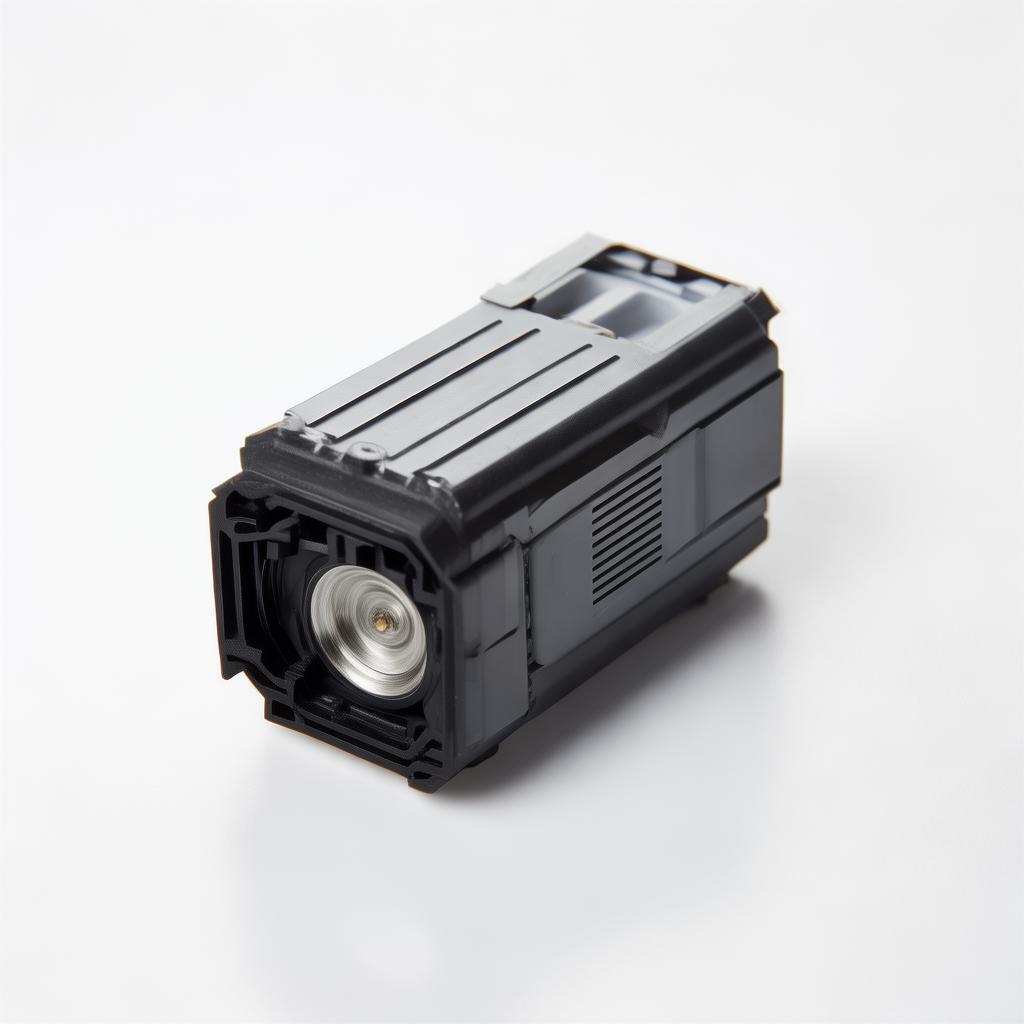
Precision-engineered aluminum die casting parts designed for demanding industrial applications, blending durability, dimensional accuracy, and cost-effectiveness — vital components for today's manufacturing supply chains. Across multiple industries—automotive, aerospace, electronics, and consumer goods— aluminum die
Product Details
Aluminum Die Casting Parts
Precision-engineered aluminum die casting parts designed for demanding industrial applications, blending durability, dimensional accuracy, and cost-effectiveness — vital components for today's manufacturing supply chains.
Introduction: Why Aluminum Die Casting Parts Matter
Across multiple industries—automotive, aerospace, electronics, and consumer goods—aluminum die casting parts have become essential for assembling components that demand tight tolerances, high structural integrity, and superior surface finishes. The die casting process enables manufacturers to efficiently produce complex shapes with minimal machining, all while maintaining consistent material properties.
Aluminum’s intrinsic qualities—lightweight yet strong, corrosion-resistant, and thermally conductive—make it the material of choice for thousands of suppliers and end-users worldwide. Precise temperature control and alloy selection in modern die casting machines ensure components meet ISO 9001 and other international standards—critical for OEMs pursuing reliability and durability in their supply chains.
Yet, understanding the subtle interplay between mold design, casting parameters, and post-processing treatments is key to unlocking the full potential of aluminum die casting parts. For procurement directors and engineers sourcing these parts, attention must be paid to factors like porosity control, surface finish options, and dimensional stability under operational loads.
Oversights in specifying casting tolerances or neglecting secondary finishing stages can lead to increased scrap rates or assembly challenges downstream. These challenges underscore why partnering with a supplier experienced in both the metallurgy and manufacturing workflow is indispensable.
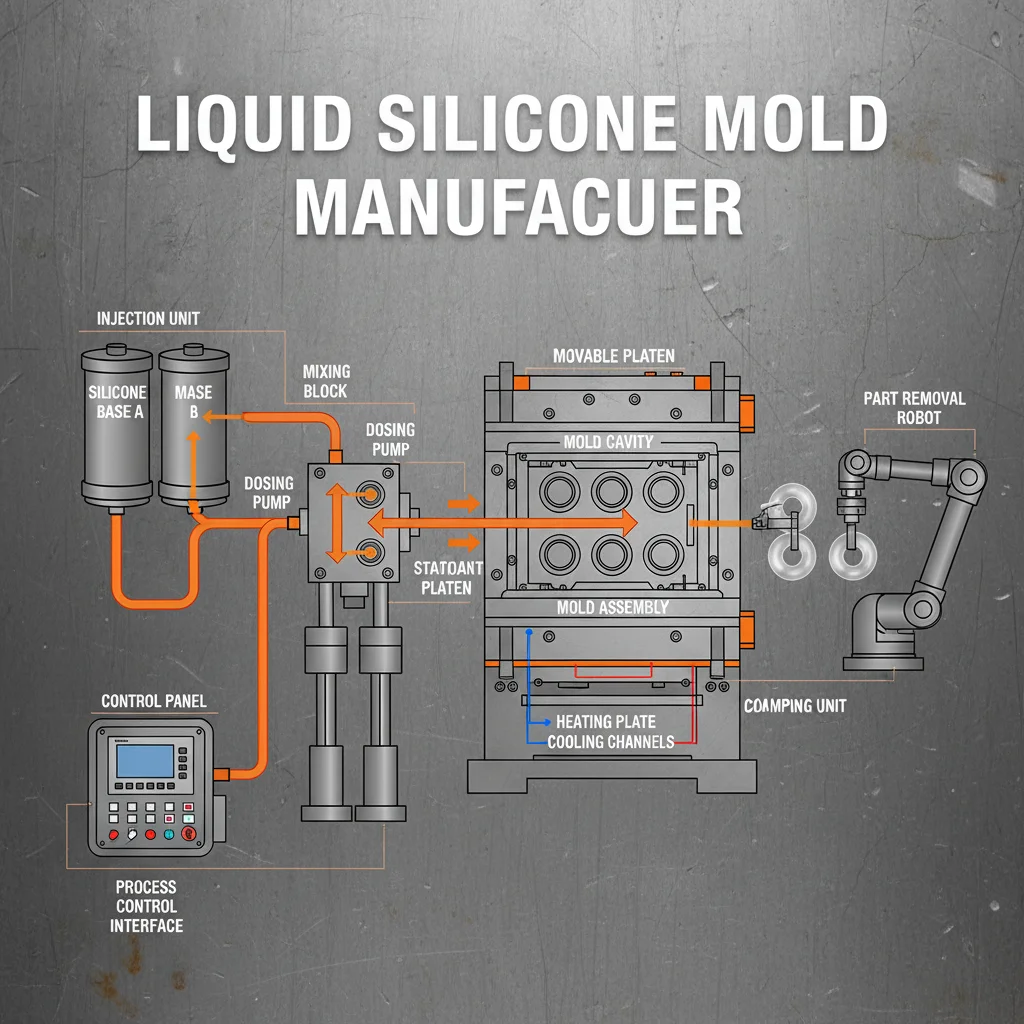
Guangdong Yingtai High Precision Technology Co., Ltd., centrally located in Dongguan’s industrial hub, has over 20 years of expertise serving global customers with custom die casting solutions integrating liquid silicone and plastic injection molding expertise for hybrid assemblies. Their comprehensive approach, from mold design through to ISO-certified production and logistics planning, helps reduce lead time and improve overall supply chain efficiency.
For purchasing managers evaluating vendors, the decision must weigh production consistency, certifications (such as CE and RoHS), and export readiness alongside price. It’s a balancing act: procuring high-quality aluminum die casting parts that align with product lifecycle demands, cost constraints, and compliance mandates.
Common Industry Challenges
Material porosity and shrinkage: Inconsistent cooling or improper alloy mixtures introduce structural defects, impacting mechanical strength.
Dimensional inaccuracies: Complex shapes often suffer from warping or gating issues, causing assembly misfits and production delays.
Lead time unpredictability: Offshore suppliers sometimes underestimate tooling complexity, prolonging delivery and pushing back project schedules.
Secondary processing variability: Machining, heat treatment, and coating inconsistencies influence final product performance and aesthetics.
Certification and testing gaps: Absence of thorough QC documentation (e.g., RoHS, ISO/TS16949) risks non-compliance and market rejection.
Logistics inefficiencies: Poor container loading or inadequate packaging increases damage risk and shipping costs, especially for high-volume orders.
It’s common for procurement teams to discover these issues only after initial production runs—but addressing them early saves valuable time and resources.
Technical Overview & Production Insights
Aluminum die casting typically uses alloys such as A380, ADC12, or 6061, selected based on performance criteria like mechanical strength, corrosion resistance, or electrical conductivity. The process involves forcing molten aluminum into steel molds under high pressure, producing detailed parts with dimensional precision often down to tenths of a millimeter.
Modern equipment includes cold chamber or hot chamber machines with clamping forces ranging from 500 to over 5000 tons, enabling production from tiny connector housings to large automotive brackets.
A key operational insight: mold design heavily influences defect rates. Factors like venting channels, gate location, and cooling circuit layout are often adjusted following initial pilot runs. This tuning phase can shave weeks off lead time for serial production.
Post-casting processes—such as shot blasting, heat treatment for improved tensile strength, and anodizing or powder coating for corrosion protection—add layers of complexity and cost. Experienced suppliers integrate these steps under strict QC protocols, often leveraging ISO 14001 and IATF 16949 compliance to meet customer demands.
Typical Applications & Use Cases
The versatility of aluminum die casting parts allows them to serve across diverse sectors. Procurement advisors and engineers should closely match component specifications to end-use environments:
Automotive Industry: Engine blocks, transmission housings, valve covers, suspension systems, brackets, and intricate connectors where weight reduction without compromising strength saves fuel and improves performance.
Electronics: Heat sinks, housings for consumer devices and industrial equipment, requiring tight tolerance and high thermal dissipation.
Industrial Machinery: Gearbox casings, pumps, compressor parts, where dimensional stability under vibration and heat is critical.
Household Appliances: Parts for washing machines, vacuum cleaners needing corrosion-resistant parts with fine surface finishes for aesthetics.
Knowing the end environment helps inform alloy choice, processing routes, and surface treatment decisions — factors often overlooked during initial procurement but can affect lifecycle performance significantly.
Procurement Best Practices
Selecting a supplier for aluminum die casting parts goes beyond quoting price. Operational experience teaches that the cheapest offer often hides substantial risks in quality and delivery reliability. Here are practical recommendations from 20+ years of export management:
Verify certifications – ISO 9001, IATF 16949, RoHS, CE as applicable to your market and product needs.
Audit production capabilities – Confirm number and tonnage of die casting machines, mold-making capacity, and secondary processing facilities.
Request detailed quality control procedures – Including porosity testing, dimensional measurement reports, and coating adhesion tests.
Assess supply chain transparency – Lead times, tooling maintenance schedules, and contingency plans for peak demand.
Negotiate on shipping & packaging – Optimized container loading, protective packaging that minimizes damage in transit, especially for delicate components.
Sample evaluation – Early physical samples to verify tolerances and surface finish before committing to production runs.
Clarify OEM/ODM options – For part design adjustments and co-development, ensuring your supplier can contribute engineering input.
Investing time upfront in supplier vetting often saves intensive troubleshooting during production ramps or after delivery.
Factory Capabilities & Quality Certifications
Guangdong Yingtai High Precision Technology Co., Ltd. boasts:
35,000 sqm advanced industrial park in Dongguan.
55 advanced die casting and molding machines with precise temperature & pressure control.
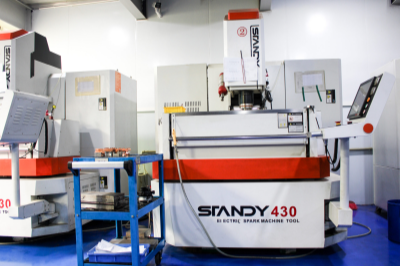
20+ sets of precision CNC and molding equipment capable of producing complex alloy parts.
Comprehensive certification portfolio: ISO 9001, CE, RoHS
Their end-to-end mold development to finished casting system ensures streamlined workflows and rapid response to engineering changes.
These capabilities reaffirm their position as a trusted exporter focused on meeting the precise demands of USA and European manufacturers.
Logistics & Shipping Considerations
For bulk procurement of aluminum die casting parts, efficient logistics planning is crucial. Considerations include:
Container loading optimization: Parts packed to minimize space while preventing abrasion or deformation.
Packaging materials: Use of corrosion inhibitors, anti-rust paper, and shock-absorbing padding for sensitive surfaces.
Lead time forecasting: Transparent production scheduling aligned to shipping windows, factoring in customs clearance challenges.
Shipping mode selection: Sea freight standard for heavy/bulky batches, with air transport options for urgent or high-value products.
Documentation accuracy: CSI import codes, certificates of origin, and quality inspection reports included to ease customs processing.
Advanced suppliers provide customized logistics routes and post-delivery support, helping purchasers manage inventory and avoid production interruptions.
Frequently Asked Questions
What tolerances can the aluminum die casting parts typically achieve?
Standard tolerances range from ±0.1mm to ±0.3mm, depending on the part size and complexity. Critical features can be machined post-casting to tighter specs.
Which aluminum alloys are most suitable for high-strength applications?
A380 and A390 alloys offer excellent strength and corrosion resistance, while 6061 (cast-grade) is preferred for aerospace-grade structural components.
How is porosity controlled in the die casting process?
Optimized gating systems, vacuum die casting, and controlled solidification rates help minimize porosity defects. Our experienced engineers perform X-ray inspections to ensure integrity.
Can custom surface finishes be applied?
Yes, finishes include anodizing, powder coating, painting, and polishing — customized as per client specifications for both aesthetics and corrosion resistance.
What is the typical lead time for a new die casting part production?
Initial tooling may take 4-6 weeks. After mold approval, production runs can start within 2-3 weeks. We emphasize transparent scheduling to support your procurement planning.
Do you support OEM and ODM projects?
Absolutely. Our engineering and design team collaborates closely on OEM/ODM development—from prototyping and mold design to final production validation.
Customer Reviews & Testimonials
David H., Procurement Manager, Midwest Automotive Parts
“Yingtai’s aluminum die casting parts met every tolerance on our first batch, critical for our assembly efficiency. Their QC documentation was comprehensive and helped us meet strict automotive standards. Delivery was spot on.”
Get in Touch
If you have any camping barbeque equipment inquiry, please feel free to contact us.



 ISO 9001,
 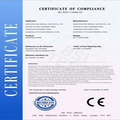 CE,
CE,  RoHS
RoHS David H., Procurement Manager, Midwest Automotive Parts