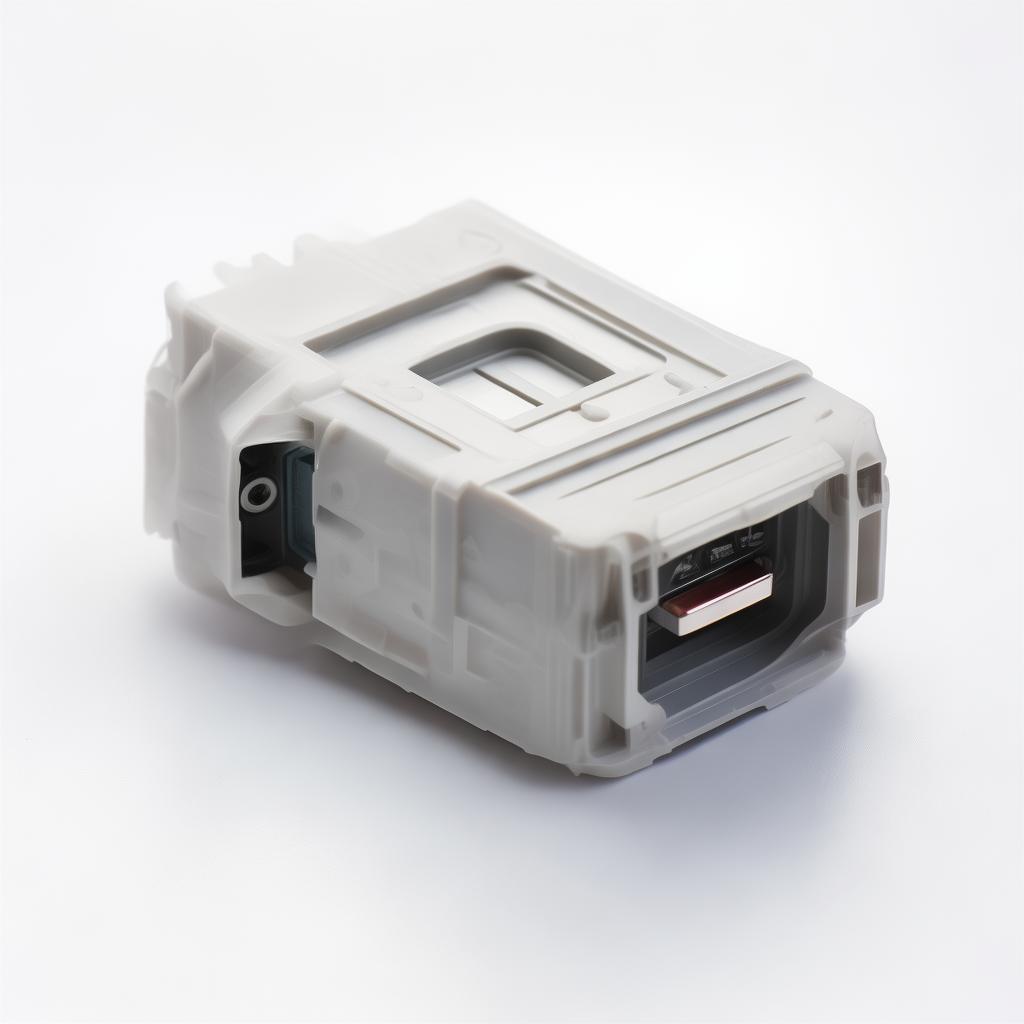
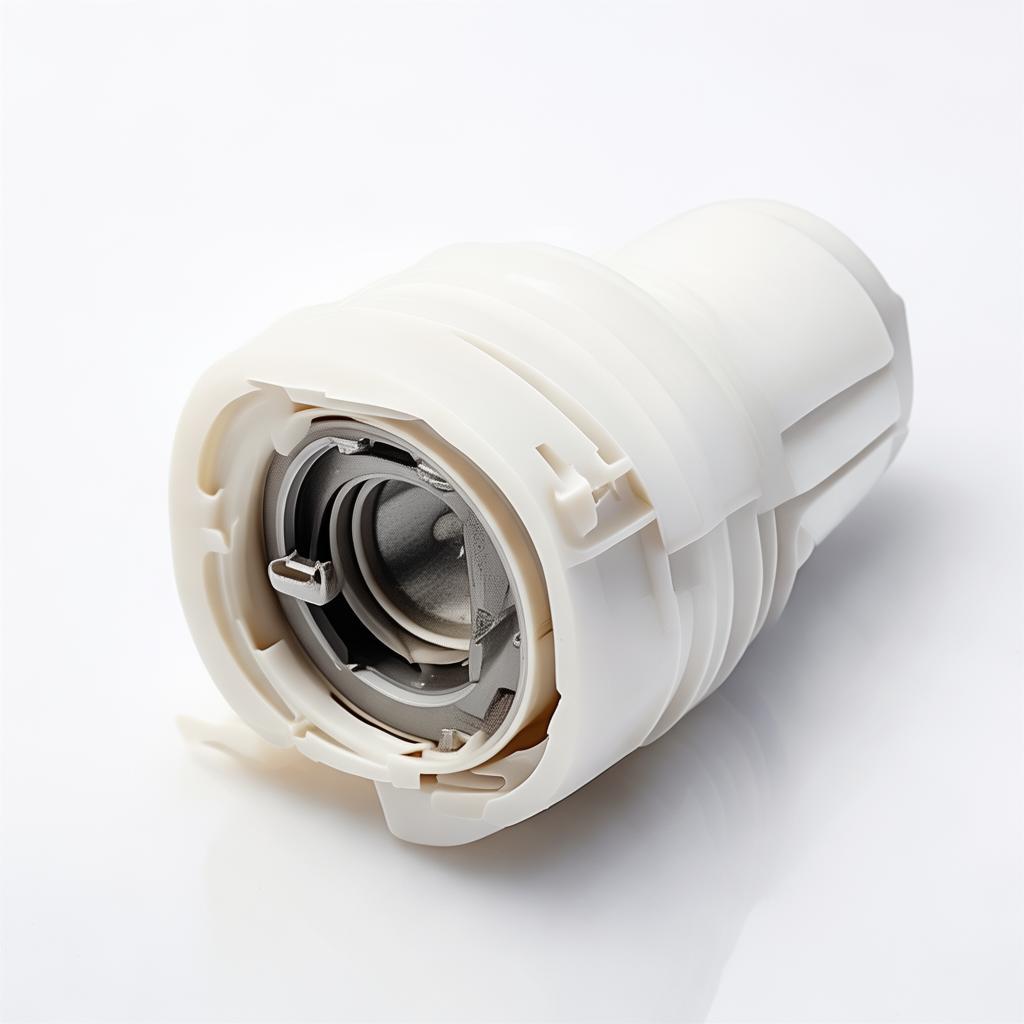
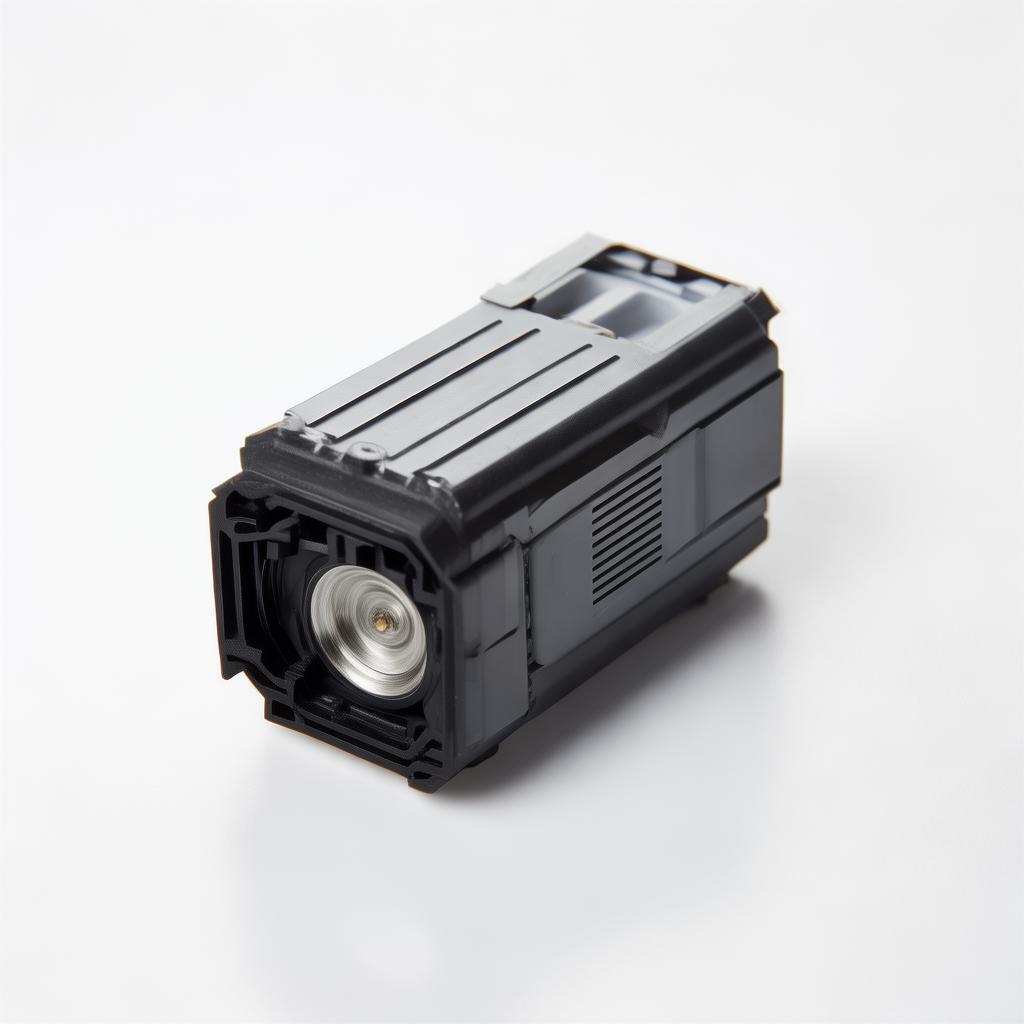
Insightful guide for purchasing professionals, engineers, and international buyers seeking reliable, high-quality aluminum die casting solutions Aluminum die casting stands as a cornerstone manufacturing method for producing precise, complex metal components at scale across
Product Details
Aluminum Die Casting Process: Precision Manufacturing for Industrial Excellence
Insightful guide for purchasing professionals, engineers, and international buyers seeking reliable, high-quality aluminum die casting solutions
Understanding the Aluminum Die Casting Process: A Comprehensive Introduction
Aluminum die casting stands as a cornerstone manufacturing method for producing precise, complex metal components at scale across diverse industries. From automotive assemblies to aerospace parts and consumer electronics enclosures, the process delivers consistent dimensional accuracy, superior mechanical properties, and excellent surface finishes. Its relevance continues to grow amid the ongoing drive for lightweight materials and cost-efficient production methods.
At its core, the aluminum die casting process involves injecting molten aluminum alloy under high pressure into steel molds — known as dies — designed with precision-engineered cavities. The rapid solidification achieved inside the die ensures the repeatability of intricate features with tight tolerances, which are often impractical for conventional machining or sand casting.
Key factors influencing the outcome include mold material quality, injection pressure, temperature control, and cooling cycle management. Industry standards such as ISO 9001 and certifications like CE and RoHS often apply, demonstrating the process’s alignment with quality and environmental benchmarks.
Buyers should be aware that the choice of alloy — commonly A380, ADC12, or A360 aluminum grades — directly impacts strength, corrosion resistance, and machinability. Selecting a reputable supplier with proven expertise in die design, automated casting systems, and post-casting treatments can significantly reduce defects like porosity, warping, or surface blemishes.
Note: Die casting is distinct from other metal forming processes such as sand casting or permanent mold casting, mainly due to its use of pressure injection and rapid cycle times, enabling higher volume outputs and finer details.
For purchasing managers and procurement directors evaluating suppliers for aluminum die casting parts, understanding these technical nuances is crucial. The process’s advantages in scalability, design flexibility, and material efficiency can drive ROI when integrated properly in supply chains—particularly for exports requiring robust packaging and reliable lead times.
This article delves deeper into the manufacturing realities of aluminum die casting, addressing procurement challenges, process advantages, factory strengths, and logistics insights—to empower well-informed sourcing decisions.
Navigating Procurement Challenges in Aluminum Die Casting
Procurement professionals often face operational hurdles sourcing die cast components internationally. Common pain points include:
Inconsistent Quality: Variations in die maintenance or casting parameters can lead to dimensional drift or part rejection, spelling costly delays.
Extended Lead Times: Complex tooling and mold setup require 4-8 weeks typically, which buyers must factor into project timelines.
Communication Barriers: Technical jargon, time zone differences, and sparse production data complicate vendor alignment.
Inspection Challenges: Without reliable third-party inspection, defect tracking and QA become burdensome.
Logistical Constraints: Shipping bulky, heavy components demand optimized container loading plans and compliance with export regulations.
Insight from industry insiders suggests starting supplier conversations early, requesting pilot runs, and prioritizing factory visits when possible. Opting for OEM partners with integrated mold development capabilities greatly shortens production ramp-up.
Technical Deep Dive: The Aluminum Die Casting Workflow
The aluminum die casting process subdivides into critical phases, each demanding precise controls:
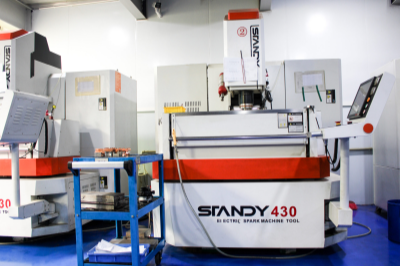
Die Design & Fabrication: Tool steel or hardened alloys are meticulously machined to the client's component specifications, often utilizing CNC machining and EDM to guarantee tolerances.
Melting & Alloying: Aluminum billets are melted in furnace systems, with alloy additives like silicon and copper blended to achieve target properties.
Injection: Molten metal is injected at high pressure (800-1500 bar) into dies; rapid filling minimizes oxide inclusion.
Cooling & Solidification: The molten aluminum solidifies swiftly, assisted by carefully controlled die cooling channels to reduce cycle time and thermal stress.
Ejection: The part is extracted via automatic ejector pins; quick cycle times as low as 15-30 seconds are possible.
Trimming & Finishing: Excess flash and runners are removed mechanically, followed by deburring or surface treatment as necessary (e.g., anodizing, painting).
Technical specifications such as dimensional tolerances (±0.1mm typical), surface roughness (Ra 0.8–3.2 μm), and mechanical strengths (tensile strength ~220-330 MPa depending on alloy) are industry-standard benchmarks. ASTM B85 and ISO 8062 guidelines often govern quality protocols.
Parameter
Typical Range
Standard
Injection Pressure
800 – 1500 bar
ISO 9001:2015
Cycle Time
15 – 30 sec
Internal Benchmark
Dimensional Tolerance
±0.1 mm (typical)
ISO 8062-3
Surface Finish (Ra)
0.8 – 3.2 μm
ASTM B85
Tensile Strength
220 – 330 MPa
ASTM B85 / ISO 2106
Why Choose Aluminum Die Casting? Key Advantages
Aluminum die casting offers numerous benefits that appeal directly to operational and procurement goals:
High Precision & Repeatability: Automation and fine die machining mean each casting matches exact specs, reducing scrap rates.
Lightweight & High Strength: Aluminum alloys combine excellent mechanical properties with weight savings—critical in automotive and aerospace sectors.
Cost Efficiency at Volume: Although initial tooling costs are high, unit costs drop significantly from mid- to high-volume runs, improving ROI.
Excellent Surface Finish: Die surfaces yield fine textures or glossy finishes, minimizing secondary machining or finishing work.
Design Complexity: Intricate designs, thin walls, and multiple undercuts are feasible, offering designers flexibility.
Thermal & Corrosion Resistance: Aluminum’s natural oxide layer plus alloying provides durability in varied environments.
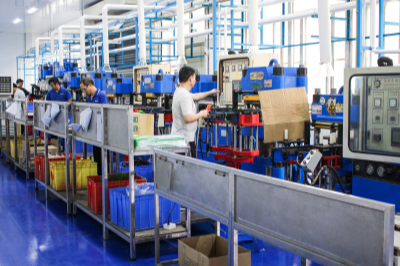
Our Dongguan factory’s state-of-the-art die casting cells ensure consistent production of complex geometries.
It is critical to understand that while aluminum die casting reduces finishing and rework, certain limitations exist. Porosity control remains a challenge requiring skilled mold venting and quality melt preparation. Too aggressive design specifications or overly thin cross-sections can result in defects or mold wear.
Procurement Tip: Focus on suppliers who incorporate advanced process controls like vacuum-assisted chambers or real-time injection parameter monitoring. These help mitigate inherent risks and improve end-product reliability.
Material & Process Comparison: Die Casting vs Alternatives
Purchasing decisions often hinge on weighing aluminum die casting against other metal forming methods such as:
Operational Note: For projects emphasizing rapid turnaround and tight tolerances, die casting typically outperforms sand casting or permanent mold techniques. However, tooling lead times and upfront costs should be evaluated against production volume and part complexity.
Guangdong Yingtai High Precision: Factory Strengths & Certifications
Located at the manufacturing hub of Dongguan, our facility boasts 35,000 square meters of cutting-edge industrial park dedicated to OEM manufacturing excellence. Our capabilities span:
Design & fabrication of precision die casting molds optimized through CAD/CAM and CNC machining, leveraging over 30 sets of processing machines.
Advanced casting cells equipped with fully automated injection systems featuring stringent temperature & pressure controls.
State-of-the-art quality labs outfitted with CMM (coordinate measuring machines), optical comparators, and metallurgical analyzers.
ISO 9001:2015 certified quality management ensuring rigorous process control from mold development through final inspection.
Environmentally compliant production aligning with RoHS and CE standards.
Our dedicated production lines integrate tooling, casting, and finishing for seamless manufacturing.
With a professional team exceeding 500 members and 20+ years of technical experience, we specialize in aluminum die casting parts tailored primarily for automotive, consumer electronics, and industrial equipment sectors.
Our export-ready operations support international B2B clients with OEM and ODM solutions, precise batching, and flexible shipment scheduling to facilitate smooth overseas logistics.
Logistics & Shipping: Practical Considerations
Aluminum die cast parts, while lightweight relative to steel alternatives, still require careful logistics planning. Large-scale deliveries necessitate:
Container Loading Optimization: Maximizing cubic utilization while avoiding damage due to metal-to-metal contact or stacking pressures.
Protective Packaging: Use of anti-slip backing, cushioning materials, and corrosion inhibitors to maintain surface integrity during transit.
Export Documentation: Compliance with INCOTERMS, customs declarations, and material certifications streamline customs clearance and decrease lead times.
Lead Time Transparency: Realistic shipment timelines factor in mold development, casting cycles, quality checks, and freight duration.
We recommend early coordination with logistics partners and inclusion of freight experts during contract negotiation to anticipate port-specific handling or regulatory constraints.
Frequently Asked Questions
What is the typical lead time for aluminum die cast parts production?
Usually 4-8 weeks from mold design approval to initial production run, depending on complexity and order volumes.
What alloys do you recommend for corrosion resistance?
A380 alloy with appropriate surface treatments (e.g., anodizing) offers balanced corrosion resistance and mechanical properties.
Can you support multi-cavity molds for higher volumes?
Yes, our tool shop specializes in multi-cavity molds up to 8 cavities, boosting throughput and cost-effectiveness.
Is secondary machining available?
We provide post-casting CNC machining, tapping, and surface finishing to meet precise customer specifications.
What certifications do you hold for export quality assurance?
Our facility is ISO 9001:2015 certified and complies with CE and RoHS directives; full material traceability and inspection reports accompany every shipment.
Customer Feedback: Real Voices From Our Partners
John Miller, Purchasing Manager, Midwest Automotive Group
“Yingtai delivered high-volume aluminum die cast housings with consistent dimensional accuracy. Their responsiveness and detailed reports helped us reduce inspection times significantly. Lead times aligned precisely with our production schedules.”
Get in Touch
If you have any camping barbeque equipment inquiry, please feel free to contact us.