Unlocking the potential of durable, lightweight, and complex metal components for your manufacturing and procurement needs. Aluminum die casting stands as one of the backbone manufacturing processes for producing precise, lightweight, and durable metal
Product Details
Aluminum Die Casting Products: Industrial Precision Meets High-Performance Manufacturing
Unlocking the potential of durable, lightweight, and complex metal components for your manufacturing and procurement needs.
Understanding Aluminum Die Casting Products
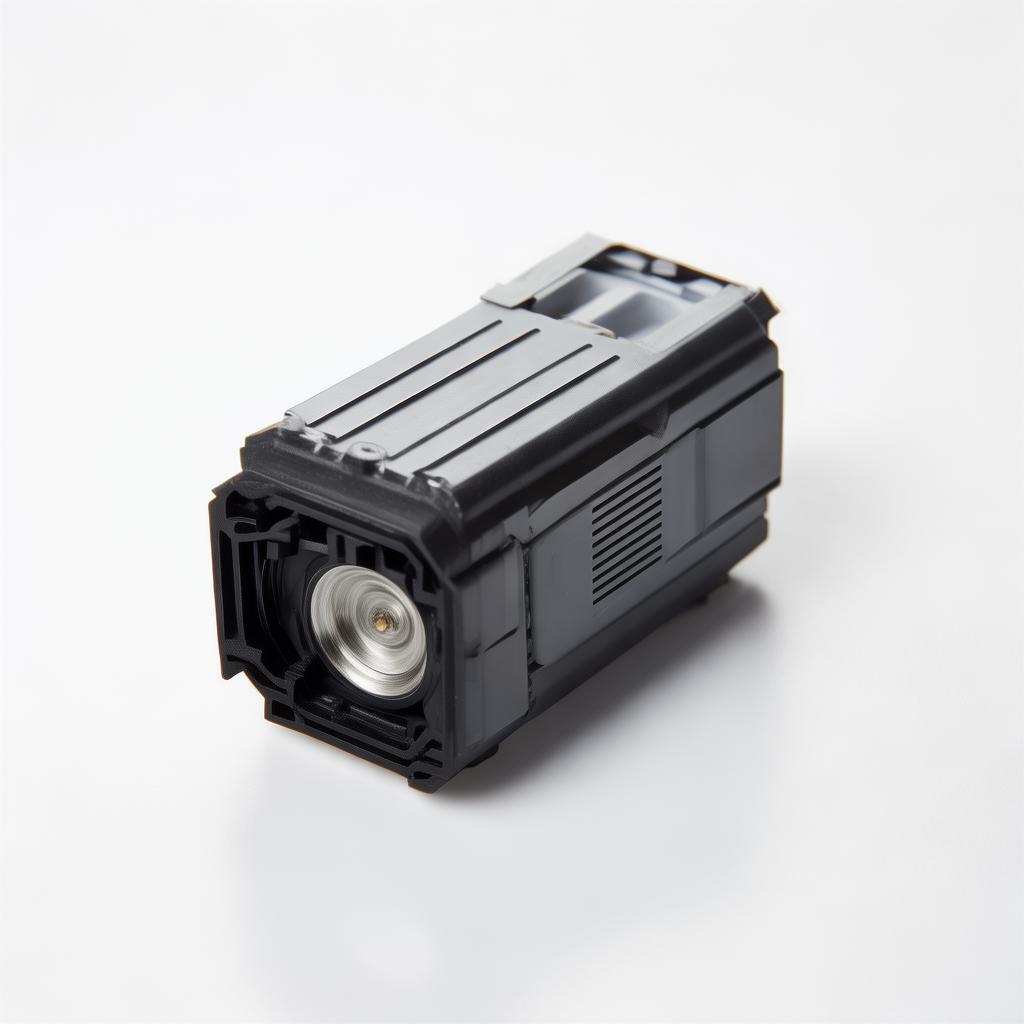
Aluminum die casting stands as one of the backbone manufacturing processes for producing precise, lightweight, and durable metal parts on a large scale. Unlike other casting techniques, die casting injects molten aluminum at high pressure into precisely engineered steel molds, enabling complex geometries with tight dimensional tolerances and fine surface finishes. This process meets evolving industrial demands where strength-to-weight ratio, corrosion resistance, and cost-efficiency balance are critical.
The global import and procurement scene for aluminum die casting products has matured significantly, especially across automotive components, aerospace assemblies, electronic housings, and various industrial machine parts. These products leverage aluminum alloys—typically the A380, A360, or ADC12 grades—and adhere to strict international manufacturing standards like ISO 9001, ISO/TS 16949 in automotive, and sometimes RoHS for electronic-grade parts.
Throughout over two decades of working with international buyers, technical engineers, and OEM/ODM suppliers, operational experience reveals a few recurring notes: precise mold design is non-negotiable for high yield; shipment logistics require accommodations for oxidation prevention and container loading optimization; and buyers often underestimate secondary processing steps — including deburring and heat treatment — that influence final product quality.
Understanding the intrinsic properties of aluminum die casting products is fundamental to aligning your supply chain with realistic expectations. While benefits such as excellent thermal conductivity, lightweight profiles, and inherent corrosion resistance position aluminum die cast parts in premium segments, sourcing from factories equipped with modern high-pressure die casting machines and continuous quality control through **CMM inspection** and **X-ray testing** remains essential.
Furthermore, many large-scale producers now integrate mechanical processing capabilities like CNC milling and surface treatments (anodizing, painting, or powder coating), which reduce lead times and foster just-in-time delivery models favored by procurement directors aiming to minimize inventory holding.
If you’ve wrestled with long lead times, inconsistent dimensions, or supply uncertainty when seeking quality aluminum die castings for your production line, you’re far from alone. With this landing page, we aim to clarify the technical know-how, share market insights, and present operationally practical solutions to help your procurement team avoid common pitfalls and streamline sourcing from verified suppliers.
Key Industry Pain Points in Aluminum Die Casting Procurement
Dimensional Variability: Poor mold maintenance or improperly calibrated die casting machines often result in batch inconsistency. This can cascade into assembly line rejections or customer complaints.
Surface Imperfections: Common issues include porosity, cold shuts, and incomplete fills which compromise cosmetic and mechanical standards and potentially cause premature failure in performance-critical parts.
Material Quality Fluctuation: Without rigorous alloy sourcing and testing regimes—such as spectrometer analysis—subpar raw aluminum leads to diminished corrosion resistance or mechanical strength, endangering product durability.
Extended Lead Times & Logistics Delays: Disconnected communication, container bottlenecks, and inadequate packing can disrupt production schedules. Overseas factories without optimized container loading plans may increase freight costs or risk damage.
Compliance & Certification Gaps: Suppliers lacking proper CE, RoHS, or automotive-related certifications create import hurdles, especially for regulated markets in North America and the EU.
Procurement Oversights: Choosing suppliers based only on price rather than technical capabilities or equipment capacity increases risk of defects. Lack of factory visits or product sample verification can prove costly.
Advantages & Value Propositions of Aluminum Die Casting Products
With proper sourcing and manufacturing control, aluminum die casting offers benefits unmatched by other metal-forming processes. Here are essential operational advantages:
High Dimensional Accuracy: Die casting molds, crafted using hardened tool steel, afford tolerances as tight as ±0.1mm, reducing the need for post-machining and cutting down production cycles.
Complex and Thin-Walled Structures: The high-pressure injection allows for intricate shapes, integrated ribs, and thin wall sections as light as 0.8mm without sacrificing strength.
Superior Mechanical Properties: Aluminum alloys used boast good tensile strength (up to 260 MPa), excellent corrosion resistance, and good thermal/electrical conductivity suitable for electronics housings.
Lightweight & Cost-Effective: Compared to steel castings, aluminum parts reduce overall assembly weight—critical in automotive and aerospace sectors—while enabling cost savings through decreased raw material and secondary processing.
Recyclability & Sustainability: Aluminum’s recyclability aligns with growing ESG goals. Efficient scrap recovery programs at die casting factories contribute to lower environmental impact.
Surface Finish Options: Die casting surfaces can be treated post-production with anodizing, powder coating, or plating to meet aesthetic and wear resistance requirements demanded by industrial design.
Each of these qualities stems from technical mastery at the factory level and industry knowledge acquired through rigorous trial, error, and optimization—favoring suppliers with continuous process improvement and certifications.
Technical Specifications & Industry Standards
Specification
Typical Values / Details
Notes
Alloy Grades
A380, A360, ADC12, LM6, Silafont-36
Most common alloys for strength, corrosion resistance & castability
Tensile Strength
190–260 MPa (27,500–38,000 psi)
Varies by alloy & heat treatment status
Yield Strength
110–150 MPa
Critical for load-bearing components
Surface Finish
0.4–1.6 µm Ra (as-cast), anodized, coated
Depends on secondary processes & mold maintenance
Wall Thickness
0.8–6 mm
Minimum wall thickness possible depends on design complexity
Dimensional Tolerance
±0.1 to ±0.3 mm
Highly dependent on mold design & process control
Certifications
ISO 9001, IATF 16949, RoHS, CE
Critical for automotive, electronics, and export compliance
Procurement specialists and engineers consistently consider aluminum die castings for the following sectors due to performance and cost alignment:
Automotive Industry: Engine blocks, transmission cases, structural chassis components, intake manifolds, and heat sinks where resistance to vibration and heat is crucial.
Consumer Electronics: Housings for laptops, smartphones, and peripherals requiring electromagnetic shielding combined with lightweight design.
Aerospace & Defense: Intricate parts for aircraft interiors, drones, and UAV components emphasizing strength to weight optimization.
Industrial Machinery: Gearboxes, pumps, valves, and covers demanding high strength and corrosion resistance under continuous operation.
Electrical & Lighting Equipment: Heat dissipation components and complex fixtures benefiting from aluminum’s conductivity and finish adaptability.
Renewable Energy: Components for solar trackers, wind turbines, and EV charging stations favoring durable and low-maintenance materials.
These end-use scenarios demand deep collaboration between buyers and suppliers to customize alloys, design mold features, and plan process steps that assure functional performance across product lifecycles.
Procurement Guidance & Mitigating Risks in Sourcing Aluminum Die Castings
For international procurement managers and purchasing directors targeting reliable aluminum die casting suppliers, several operational tips can markedly reduce downstream issues:
Request detailed process capability data: Understand the supplier's machine tonnage range, mold maintenance schedule, and quality control protocols before engaging.
Review sample parts and CAD-verified molds: Insisting on prototypes or pilot batches helps verify dimensional accuracy and surface quality before full-scale production.
Communicate logistics requirements early: Discuss packaging methods, oxidation prevention (such as sealing with inert atmospheres or anti-corrosion coatings), and container load arrangements to minimize freight damage.
Clarify certifications and compliance documentation: Verify supplier’s certifications align with your target market regulations (e.g., IATF 16949 for automotive, RoHS for electronics).
Negotiate lead times with buffer margins: Factor in tooling development, mold validation, and quality inspection intervals realistically—avoid pushing unrealistic delivery expectations.
Establish on-site or virtual factory audits: Engaging experienced third-party or in-house technical inspections mitigates risks connected to unfamiliar suppliers.
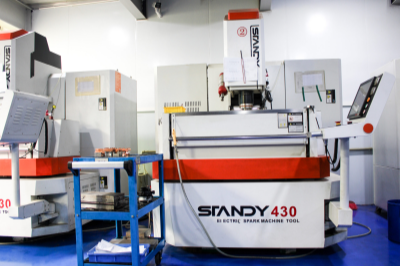
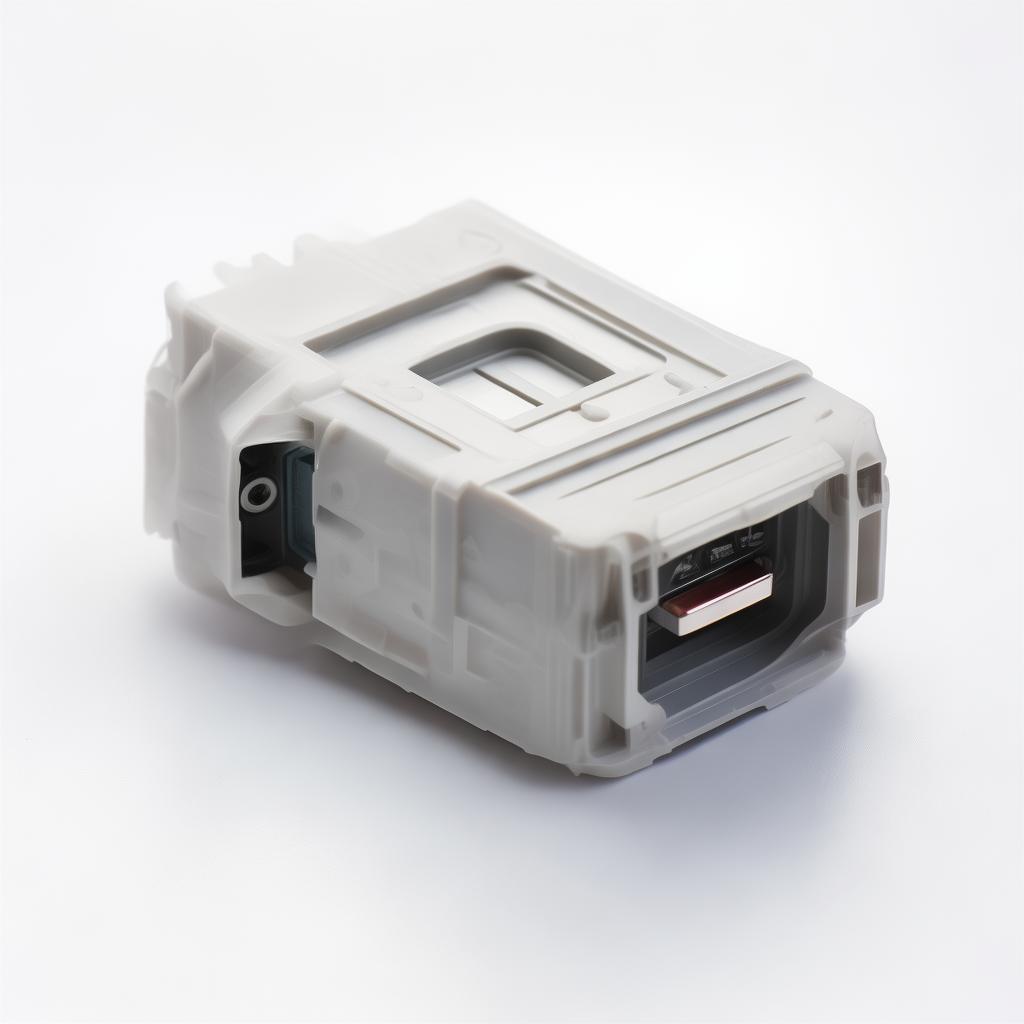
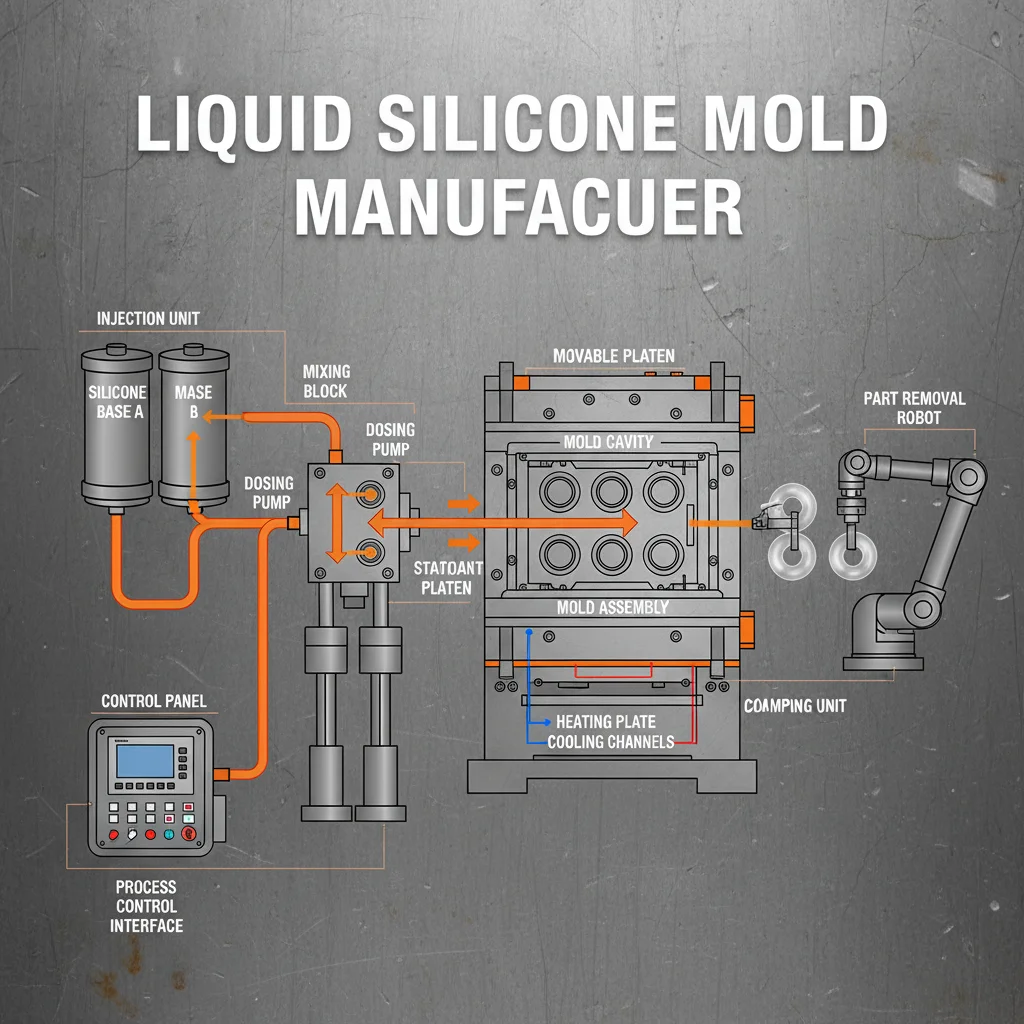
Guangdong Yingtai High Precision Technology Co., Ltd. operates from Dongguan — China's manufacturing heartland — with a modern 35,000-square-meter industrial park. Our expertise spans over 20 years in precision molding, including aluminum die casting combined with liquid silicone and plastic injection molding. We integrate mold development, production, and post-processing under one roof, applying advanced tooling technology and automatic die casting machinery.
Fully automated die casting machines ensuring consistent high quality
Equipped with 55 sets of liquid silicone molding machines and a comprehensive array of CNC and precision machining centers, we ensure each cast part meets dimensional and surface criteria. Our process controls engage CMM machines for precise inspection and X-ray testing for porosity detection, supplemented by advanced heat treatment facilities.
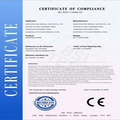
We've achieved ISO 9001 and IATF 16949 certifications to guarantee automotive quality management standards. Our strict adherence to sustainability includes efficient material recovery systems and waste reduction protocols, aligning with customer environmental requirements.
Our international export experience spans North America, Europe, and Southeast Asia. We prioritize transparent communication, flexible OEM/ODM capabilities, and technical collaboration to reduce time-to-market and control product costs.
Buyer FAQs on Aluminum Die Casting Products
What alloys are best suited for automotive aluminum die casting parts?
The A380 alloy is widely favored for automotive components because of its excellent casting characteristics and balanced mechanical properties. However, alloys like ADC12 or LM6 may be preferred depending on thermal or corrosion resistance needs.
How do you ensure dimensional accuracy throughout large production batches?
Maintaining mold temperature stability, machine tonnage calibration, and ongoing tool maintenance are critical. Additionally, employing in-line CMM and real-time process monitoring helps detect deviations early.
What surface treatments are commonly applied after die casting?
Anodizing, powder coating, plating, and painting are common. Anodizing improves corrosion resistance and enhances wear properties — frequently requested in aerospace and consumer electronics parts.
What packaging methods are recommended for overseas shipping?
Parts should be cleaned, coated with anti-corrosion oils or packed in sealed plastic bags with desiccants. When container-loaded, metal parts must be secured with vibration-absorbing materials, and strict humidity control during shipping is advantageous.
Can you provide OEM and ODM manufacturing for niche aluminum die casting projects?
Yes, we work closely with clients to develop custom molds, optimize material formulations, and deliver tailored production approaches while maintaining cost competitiveness and quality consistency.
Customer Reviews & Procurement Experiences
James Mitchell - Procurement Manager, AutoParts Co.
“Sourcing from Guangdong Yingtai made a decisive difference in meeting our tight automotive production timelines. Their consistent quality and timely updates removed headaches we'd faced with earlier suppliers. The technical team's readiness to troubleshoot design adjustments was invaluable.”
Get in Touch
If you have any camping barbeque equipment inquiry, please feel free to contact us.