Expert Solutions from Guangdong Yingtai High Precision Technology Co., Ltd. When it comes to precision aluminum injection molding, manufacturing defects, inconsistent material flow, and long lead times remain top concerns for procurement and operations
Product Details
Precision Aluminum Injection Molding for Industrial Applications
Expert Solutions from Guangdong Yingtai High Precision Technology Co., Ltd.
Navigating Industry Pain Points in Aluminum Injection Molding
When it comes to precision aluminum injection molding, manufacturing defects, inconsistent material flow, and long lead times remain top concerns for procurement and operations teams. The complexity of producing parts with sharp detail and consistent mechanical properties challenges many suppliers — particularly when clients demand tight tolerances for automotive, aerospace, or electronic components.
Another frequent headache involves tool wear and mold maintenance costs, which can balloon unexpectedly due to aluminum’s abrasive properties and thermal conductivity. Incorrect process parameters also increase the risk of porosity, cracking, and surface imperfections — all affecting part performance and end use.
From a procurement perspective, sourcing reliable OEMs with robust quality controls, strict adherence to ISO 9001, and a proven export track record often narrows options. Supply chain disruptions and inflated freight costs weigh heavily on budgeting forecasts. Smart buyers also worry about transparent terms, container optimization, and custom packaging for complex assemblies.
Practical insight: Many buyers have learned the hard way that cheap upfront pricing often sacrifices consistency. Tackling these risks means examining a supplier’s technical expertise and transparency early in the RFQ stage.
Why Choose Aluminum Injection Molding?
The aluminum injection molding process combines the strength and lightweight qualities of aluminum with the versatility of injection molding, delivering parts capable of withstanding high mechanical stress at reduced weight. This makes it ideal for industries pushing durability without overburdening weight targets.
High dimensional precision: Aluminum molds allow for intricate geometries and sharp edges with tolerances as tight as ±0.05 mm.
Excellent thermal conductivity: Aluminum parts dissipate heat rapidly, making them suitable for heat sinks, housings, and automotive components.
Weight savings: Aluminum offers a strength-to-weight ratio unmatched by steels or plastics, supporting lighter final product designs.
Corrosion resistance: Anodizing and surface treatments enhance lifespan in harsh environments.
Faster cycle times: Due to aluminum’s thermal conductivity, molds cool quicker, reducing time per shot and improving throughput.
Cost effective for volumes: While tooling investment is significant, injection molding lowers per-piece costs in medium to high volumes relative to CNC or casting.
Note: The technology demands precise mold design and high-grade aluminum alloys such as ADC12 or A380 to optimize mechanical and thermal properties.
Technical Deep Dive: Aluminum Injection Molding Process & Specs
Aluminum injection molding starts with melting high-purity aluminum alloys at temperatures around 650°C. The molten metal is injected under high pressure into precision-machined steel molds engineered for rapid cooling and minimal shrinkage.
Key factors influencing quality include:
Mold Material & Design: High-quality H13 tool steel with conformal cooling channels to manage thermal distortions.
Injection Pressure: Ranges from 800 to 1600 bar depending on alloy and part complexity.
Cooling Rate: Precision control to avoid warpage and internal stresses.
Alloy Composition: Common alloys are ADC12 for general use and A360 for higher structural requirements.
Cycle Time: Typically 20–40 seconds, affected by part size and mold thermal management.
Typical Aluminum Injection Molding Specifications
Specification
Details
Material Grade
ADC12, A380, or custom alloys on demand
Injection Pressure
800–1600 bar
Mold Steel
H13 with PVD coating options
Tolerance
±0.05 mm (depending on part size)
Max Part Size
Up to 300mm in length/width (customizable)
Typical Cycle Time
20–40 seconds
Operational consideration: Early buyer-stage discussions about expected mechanical load, surface finish, and coating requirements can save costly mold redesigns.
Applications & Real-World Use Cases
Aluminum injection molding thrives in sectors demanding a blend of light weight and high mechanical performance:
Consumer electronics: Durable casings, cooling fins, or brackets
Industrial machinery: Precision gears, levers, and heat dissipating parts
Medical devices: Sterilizable frames and components requiring corrosion resistance
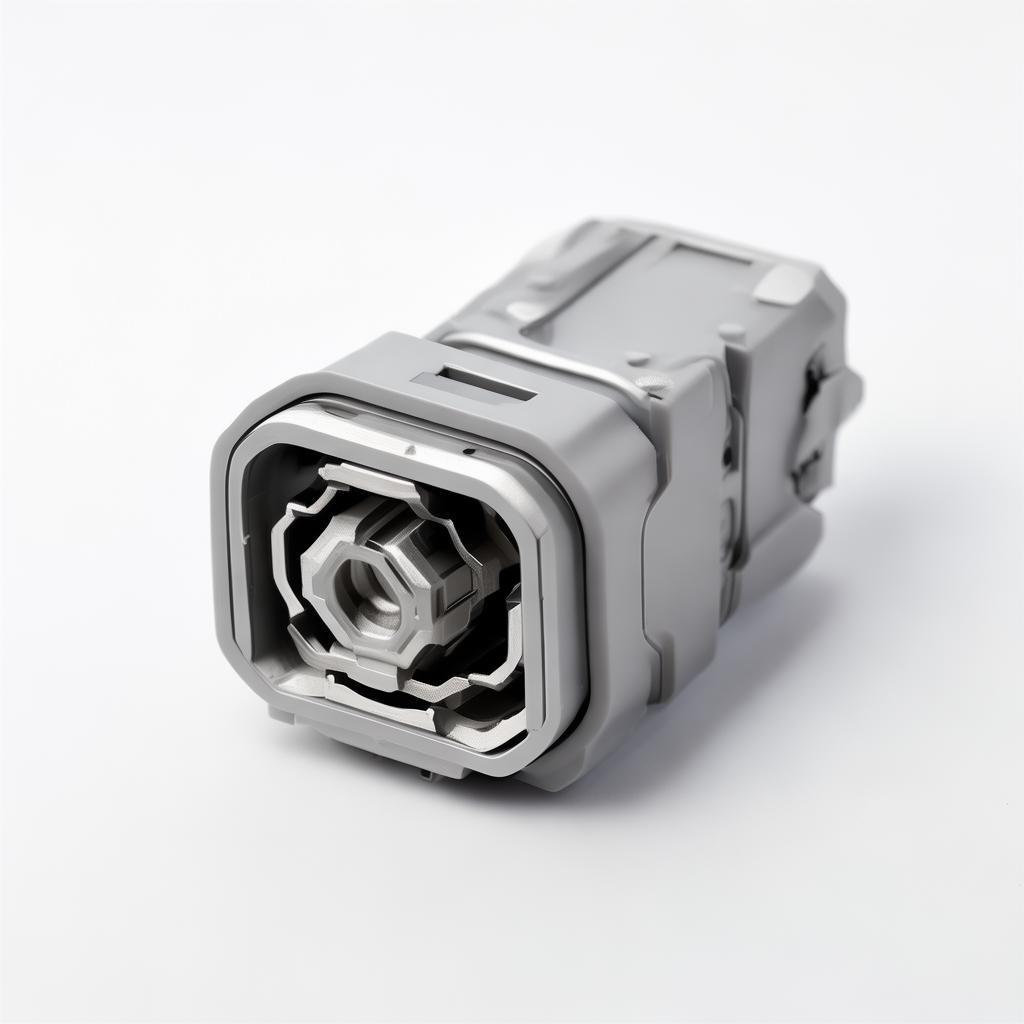
At Guangdong Yingtai, we have successfully supplied complex machined injection molded aluminum parts to OEMs specializing in UAV drones, where weight-sensitive structural parts must meet strict strength benchmarks and fine surface finishes for aerodynamic efficiency.
Our expertise extends to overmolded assemblies combining aluminum with polymers or silicone seals, expanding design options for modern hybrid products demanding multi-material properties.
Procurement Insights & Supplier Evaluation Tips
Buying aluminum injection molded parts involves more than price comparisons. We recommend evaluating your suppliers across several operational vectors:
Certifications: ISO 9001, IATF 16949 (automotive), and environmental compliance
Mold Capabilities: Access to advanced mold-making equipment and mold maintenance routines
Material Traceability: Ability to provide alloy source documentation and batch testing
Production Scale: Capacity to handle your required volume, with lead time transparency
Export Experience: Proven logistics coordination, container loading optimization, and compliance with US import regulations
Red flag alert: Avoid suppliers lacking open communication on tooling lifecycle and post-production support, as these often lead to unexpected downtime and quality issues.
At Yingtai, our extensive tooling portfolio, combined with data-driven QA protocols, enables us to support OEM clients with customized process documentation and risk mitigation throughout the manufacturing lifecycle.
Frequently Asked Questions About Aluminum Injection Molding
Q1: What alloys are typically used in aluminum injection molding?
ADC12 is widely used for general parts due to its excellent fluidity and mechanical properties. A380 is preferred where higher strength and corrosion resistance are required.
Q2: How does aluminum injection molding compare to die casting?
Injection molding offers superior surface finishes and dimensional accuracy with less porosity but requires higher tooling investment. It excels in smaller high-precision parts.
Q3: What are typical lead times for production runs?
Depending on mold complexity and volume, lead times can range from 4 to 8 weeks. Prototypes can often be delivered faster by CNC machining.
Q4: Can you combine aluminum injection molding with overmolding?
Yes. Co-molding aluminum with silicone seals or plastic components is possible, providing hybrid functionality.
Q5: How do you ensure quality consistency?
We employ statistical process control, material batch verification, and periodic mold inspections alongside dimensional checks with CMM tools.
What Our Clients Say
Mark Newman, Procurement Manager, Chicago, IL
"Partnering with Yingtai on aluminum injection molded housings transformed our assembly efficiency. Their mold precision and on-time delivery kept us on track through a tough ramp-up. Material consistency is rock solid."
Get in Touch
If you have any camping barbeque equipment inquiry, please feel free to contact us.