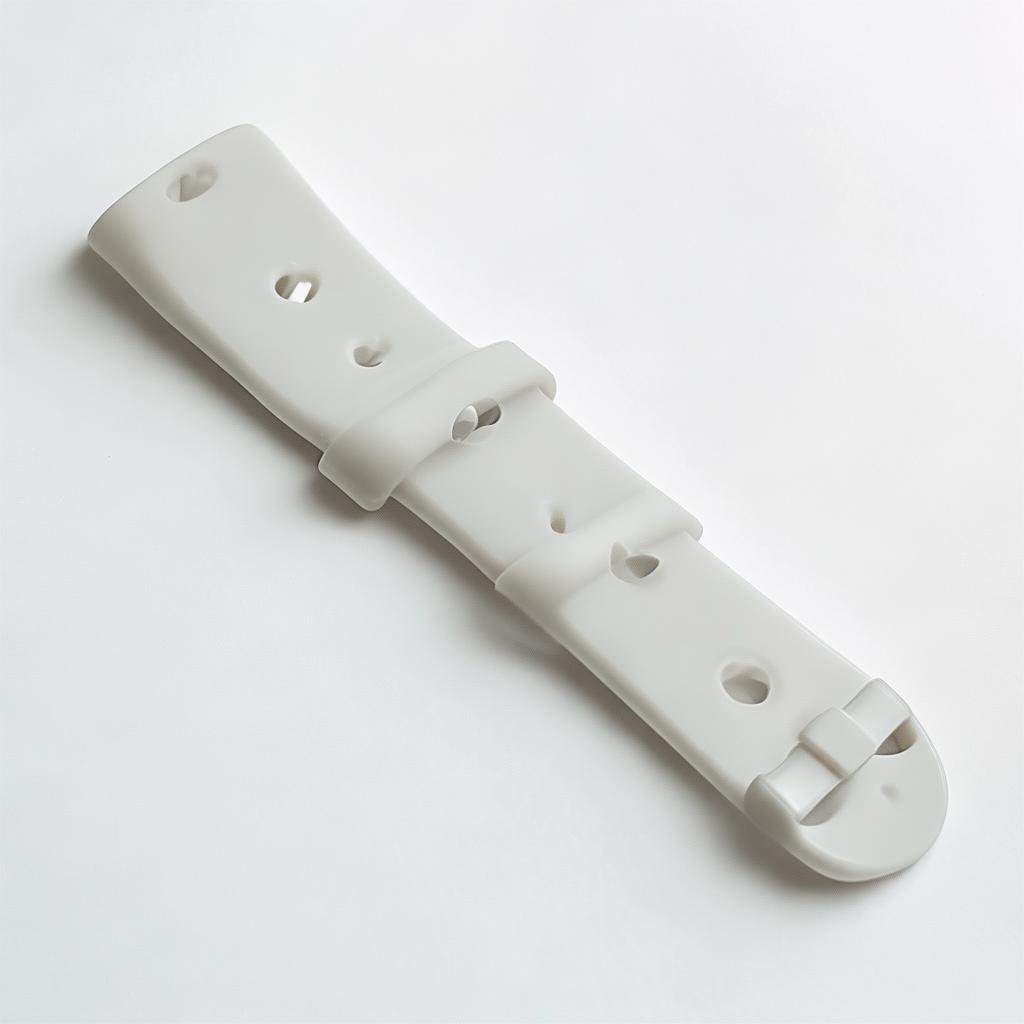
Aluminum Mold for Plastic Injection: Precision Tooling for High-Volume Production
By Michael Carver, Export Director 
Introduction & Market Insight
Understanding the role of aluminum molds in plastic injection is essential for manufacturers aiming to optimize production speed, product quality, and cost efficiency. Aluminum molds, prized for their lightweight yet durable nature, have gained significant traction in the plastic injection sector due to their faster machining times and thermal conductivity advantages compared to traditional steel molds.
Widely recognized in industries such as consumer electronics, automotive components, medical devices, and household appliances, aluminum molds deliver rapid tooling turnaround—shortening lead times from design to production by weeks in some cases. This advantage becomes especially critical for businesses facing aggressive time-to-market deadlines and prototype development cycles.
Though aluminum molds might not match the prolonged lifecycle of hardened steel molds, their cost-to-speed ratio often justifies their use in low to medium volume production runs, pilot programs, or market testing phases. It's not uncommon for procurement managers to leverage aluminum molds for projects requiring up to 30,000 parts effectively before considering steel alternatives.
Manufacturing workflows have increasingly integrated high-precision CNC machining, combined with advanced polishing and surface treatment processes, to improve mold longevity and part finish quality. This technical maturity parallels market growth trends; reports from Grand View Research forecast the injection molding market to grow consistently into 2033, driven by demand for precise and efficient molding solutions like aluminum tooling.
Importers and operations managers should consider:
- Material thermal conductivity: aluminum molds allow for quicker cooling cycles—reducing cycle times significantly.
- Cost and machining speed: aluminum tooling reduces upfront investment and shortens production startup.
- Volume expectations: suitable primarily for low-medium production, depending on material and part complexity.
- Surface finish capabilities to meet product aesthetic and functional requirements.
From a procurement perspective, selecting a quality aluminum mold supplier specialized in plastic injection molding is a strategic decision that demands technical scrutiny and real-world production insight. The improved energy efficiency, tooling flexibility, and lower capital outlay position aluminum molds as an increasingly favored option in plastic manufacturing across North America.
Industry Pain Points
Despite their advantages, aluminum molds also bring challenges that can affect manufacturing outcomes if not anticipated.
- Limited durability: Aluminum wears faster than steel, which may lead to mold degradation in high-cavity or abrasive resin conditions.
- Thermal expansion: Aluminum’s higher thermal expansion coefficient can cause dimensional deviations if mold design or process parameters are not optimized.
- Surface finish maintenance: Aluminum molds require routine polishing and care to prevent premature surface roughening that impacts part quality.
- Compatibility limitations: Certain resins with abrasive fillers or extremely high melting points may lead to accelerated mold wear.
- Procurement risk: Underestimating production volume needs may cause premature transition costs to steel molds that could have been avoided.
From talking with several operations managers across sectors, a familiar operational hiccup appears around contractor inconsistencies and underdocumented mold capabilities. For example, vendors that tout aluminum mold speed but omit clear specification on heat treatment or anodizing processes could leave your supply chain with usability challenges down the road.
Technical Deep Dive: Why Aluminum Mold?
Aluminum tooling in injection molding involves in-depth process and material considerations:
- Material grades: Predominantly 7075 and 6082 alloys are used, offering a balance of strength and machinability. 7075 aluminum, for instance, provides higher tensile strength but is more expensive.
- Machining processes: High-speed CNC milling followed by precision grinding and polishing ensure cavity quality down to microns tolerance.
- Heat treatment & surface coating: Anodizing and nitriding extend mold life by improving hardness and corrosion resistance.
- Cooling efficiency: Aluminum’s superior thermal conductivity (>3× iron/steel) drastically reduces mold cooling time, enhancing cycle efficiency.
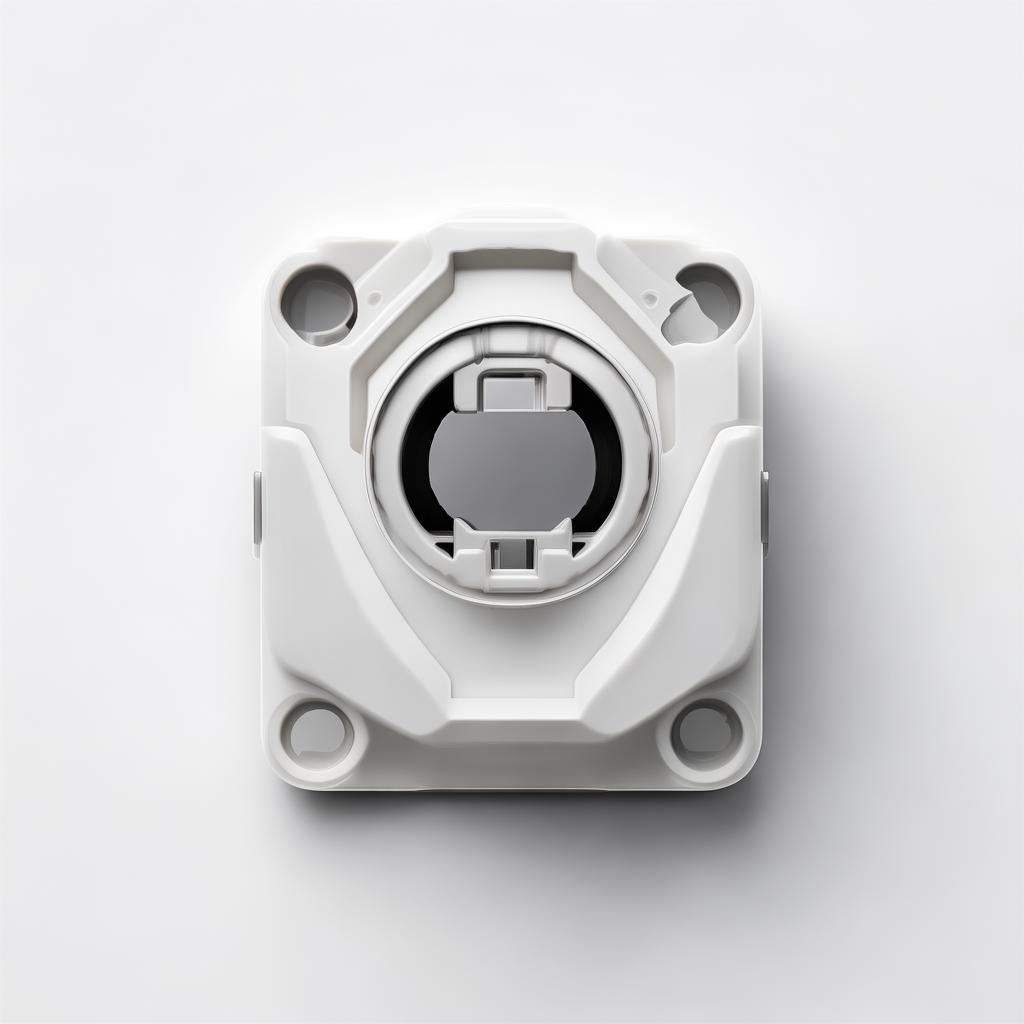
Here is a comparison table highlighting properties critical to mold selection:
| Property | Aluminum Alloy | Hardened Steel |
|---|---|---|
| Thermal Conductivity (W/m·K) | 130-150 | 20-40 |
| Hardness (HB) | 150-180 | 600-700 |
| Typical Life Cycle (parts) | 10,000-50,000 | 500,000+ |
| Machining Time | 3-4 weeks | 6-8 weeks+ |
| Cost Factor | Lower upfront cost | Higher investment |
aluminum injection mold aluminum molds for injection molding aluminum injection molding
Note: The lifecycle depends heavily on resin type, part complexity, and maintenance. Manufacturing professionals recommend regular surface inspections to schedule timely mold refurbishing.
Applications & Use Cases
Due to their favorable properties, aluminum molds are widely used in sectors including:
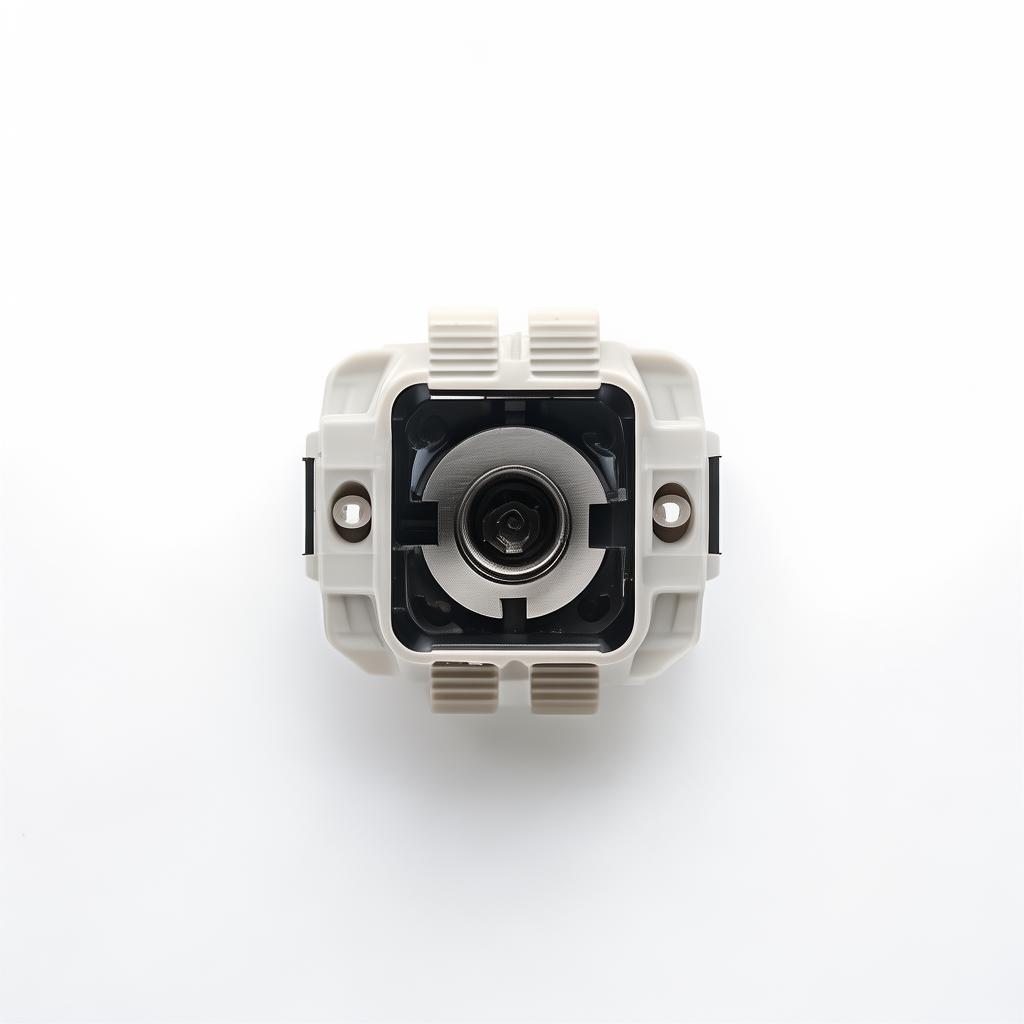
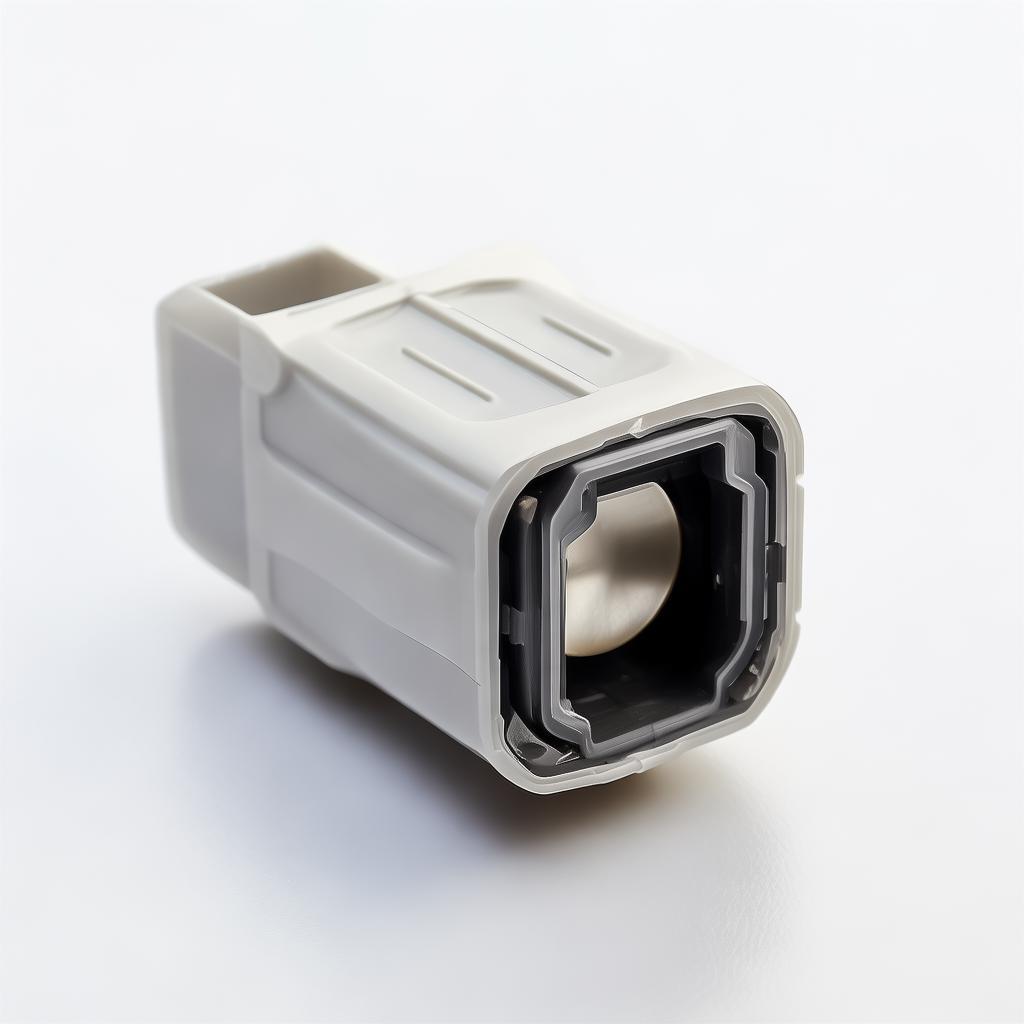
- Consumer Electronics: High-precision housings, connectors, and internal components that require quick iteration cycles.
- Automotive: Interior trims, clips, and non-structural parts that benefit from lightweight tooling and good cooling rates.
- Medical Devices: Low to medium-volume injection molding of biocompatible plastics, prototypes, and trial runs.
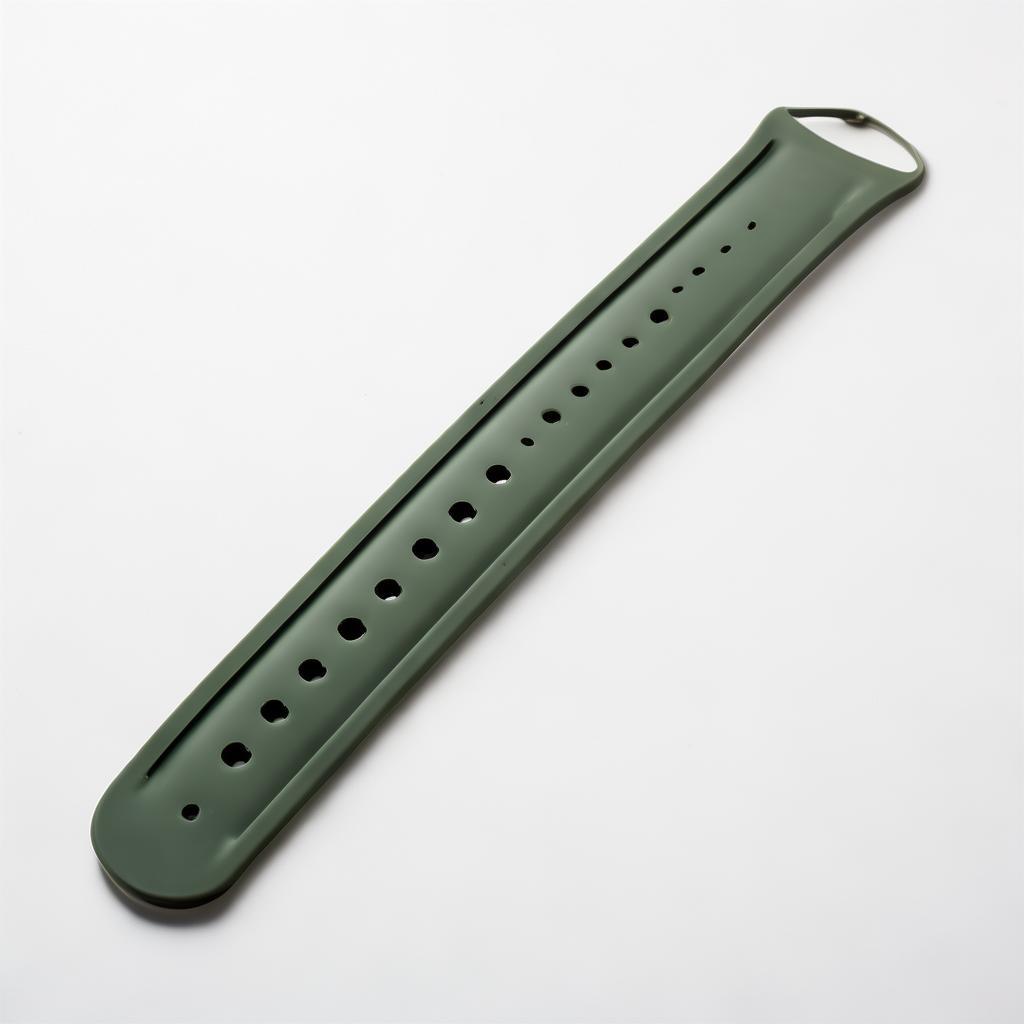
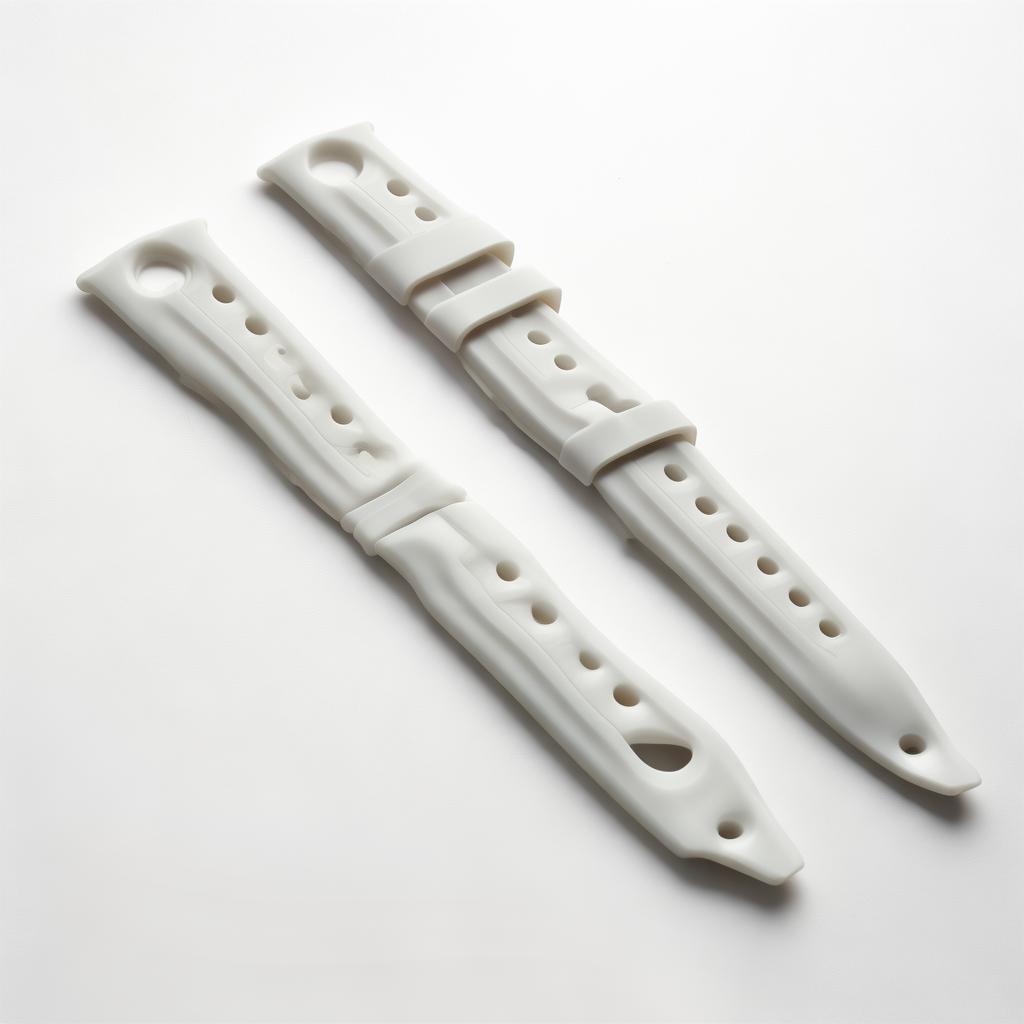
- Home Appliances: Components such as buttons, covers, and handles needing quick turnaround during product launches.
- Pilot Production & Prototyping: Aluminum molds shorten testing phases to adapt designs rapidly before committing to steel tooling.
Important to highlight: In medical-grade applications, aluminum molds can be anodized to improve corrosion resistance and surface cleanliness to meet regulatory standards such as ISO 13485.
Here are some operational insights from recent projects:
"On a recent job for a consumer electronics OEM, switching to aluminum molds saved approximately 15 days in tooling lead time, enabling the launch window to be met with sufficient molding quality and no increase in scrap rate." – Production Manager, Chicago.
Nonetheless, close coordination with your molding partner and upfront engineering reviews on cooling channel design and thermal simulation can help prevent common pitfalls like warpage and sink marks.
Procurement Guidance: What to Look for in an Aluminum Mold Supplier
The decision to invest in aluminum molds for plastic injection needs more than cost comparison. Here’s a practical checklist based on over 15 years of sourcing experience:
- Industry Certifications: ISO 9001, CE, and if applicable, FDA-compliant production lines for medical parts.
- Material Quality: Confirm the grade of aluminum alloy and inquire about post-machining treatments like anodizing or nitriding.
- Experience With Your Industry: Specialist manufacturers who understand your resin material and part specifications reduce trial-and-error cycles.
- Tooling Capabilities: Number and precision of CNC machines, polishing equipment, and availability of finite element analysis (FEA) or mold flow simulation.
- Logistics & Lead Times: Evaluate capabilities in container loading optimization, packaging quality, and export compliance.
- After-Sales Support: Technical support, mold repair services, and advice on mold maintenance.
Avoid common traps:
- Choosing suppliers solely on price without verifying production capacity or certification.
- Insufficient communication about design transfer files leading to tooling errors.
- Ignoring the impact of shipping method on mold integrity and lead time.
If you want reliable international sourcing, look no further than Guangdong Yingtai High Precision Technology Co., Ltd. Located in Dongguan with a 35,000 sqm modern park and over 20 years’ experience, they offer high-grade aluminum molds crafted with tight tolerances and rapid turnaround.
Frequently Asked Questions
- Q1: How does the lifetime of an aluminum mold compare to a steel mold?
- Typically, aluminum molds last for 10,000 to 50,000 parts depending on resin type and part complexity, whereas steel molds can exceed 500,000 parts. Aluminum is best suited for low to medium volume runs.
- Q2: Can aluminum molds be used for high-precision parts?
- Yes, aluminum molds can deliver high precision especially with advanced CNC machining and surface treatments. For extremely tight tolerances or prolonged use, steel molds may be preferable.
- Q3: What are the typical lead times for aluminum mold manufacturing?
- Depends on design complexity but usually between 3-4 weeks. This is shorter compared to 6-8 weeks or longer for steel molds.
- Q4: Are aluminum molds compatible with all plastic materials?
- Aluminum molds work well with most thermoplastics but are less ideal for abrasive or high-melting-point resins, as they wear molds faster compared to steel.
- Q5: How should I maintain an aluminum mold?
- Regular cleaning, polishing, and checking for wear are essential. Using mold release agents suited for aluminum reduces sticking. Also, inspect cooling channels and repair surface defects promptly.
Customer Reviews