Delivering high-quality, durable aluminum molds engineered for optimized injection molding production cycles. Designed to support rapid prototyping, medium-to-high volume runs, and complex part geometries across diverse industries. Injection molding remains a cornerstone of industrial
Product Details
Aluminum Molds for Injection Molding: Precision Engineering for Industrial Excellence
Delivering high-quality, durable aluminum molds engineered for optimized injection molding production cycles. Designed to support rapid prototyping, medium-to-high volume runs, and complex part geometries across diverse industries.
Tackling Industry Pain Points in Injection Molding Tooling
Injection molding remains a cornerstone of industrial manufacturing, but tooling — especially mold-making — often spells the difference between efficient production and constant bottlenecks. Aluminum molds have emerged as a pragmatic answer to several persistent challenges faced by manufacturers and procurement teams alike:
Long lead times: Steel molds can take months; aluminum molds accelerate prototype-to-production cycles by up to 30–50%, shortening time-to-market.
High upfront tooling costs: Initial steel mold fabrication can exhaust budgets for startups and SMEs; aluminum molds offer cost-effective alternatives by reducing machining hours.
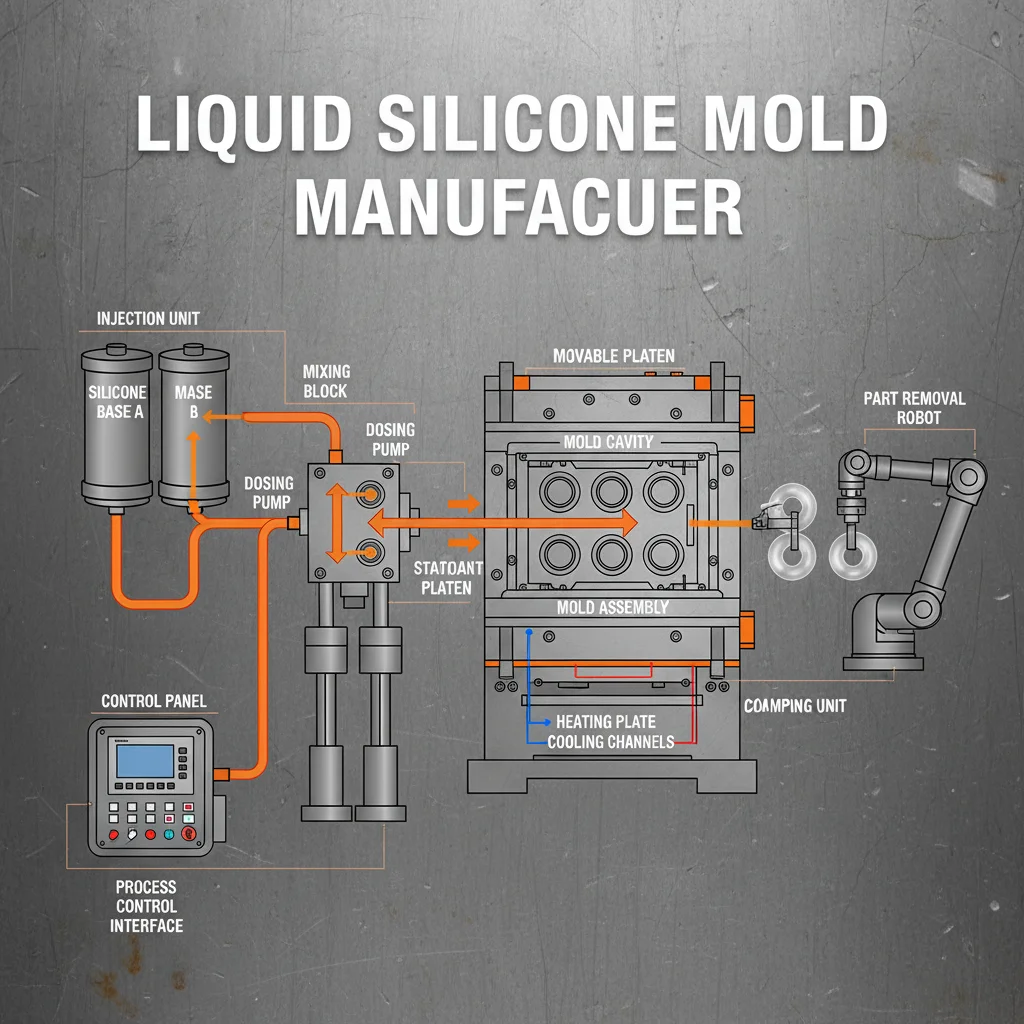
Material compatibility issues: Certain polymers require specialized mold surfaces; aluminum molds with anodized or durable coatings expand compatibility with engineering plastics, liquid silicone rubbers (LSR), and thermoplastic elastomers (TPE).
Wear and maintenance: High-volume runs degrade mold precision; aluminum molds must balance machinability with durability to avoid rapid tool wear.
Thermal management: Poor heat conduction leads to longer cooling phases, increasing cycle times and risking dimensional inconsistencies.
Manufacturers report logistics complications, too — container loading efficiency impacted by mold size and weight, customs delays tied to export certification gaps, and indirect losses caused by tooling misalignment. Procurement managers frequently highlight the risks of lower-quality molds resulting in costly production defects, scrap rates, and retooling demands. Notably, demands for OEM/ODM flexibility and rapid iteration cycles across consumer electronics, automotive parts, and medical devices have ratcheted tooling expectations higher.
Technical Deep Dive: Why Aluminum Molds Stand Out
Aluminum molds specialize in balancing precision machining with production flexibility. Their lightweight structure and excellent thermal conductivity make them ideal for short-to-medium production runs, complex geometries, and rapid prototyping. Here’s a close look at the technical benefits:
High thermal conductivity (up to 205 W/m·K): Aluminum dissipates heat faster than tool steel (≈ 65 W/m·K), reducing cooling time and cycle duration by 10–20%, directly impacting throughput.
Machinability: Easier CNC milling and EDM compared to hardened steel; supports intricate cavity depths, micro-features, and fine surface finishes required for LSR injection molding.
Surface treatments: Hard anodizing or nickel plating extend mold life, enhance wear resistance, and improve chemical compatibility for corrosive or abrasive polymers.
Reduced wear at moderate volumes: Aluminum molds reliably sustain 30,000 to 100,000 shots, suitable for many industrial applications before refurbishing or replacement.
Dimensional accuracy: CAD/CAM and CNC integration ensure tolerances down to ±0.01 mm, critical for tight-fitting automotive seals, electronic housing inserts, and medical-grade silicone parts.
However, it’s important to emphasize that aluminum molds are not universally superior to steel. They are less suited for ultra-high-volume production exceeding 500,000 cycles, where hardened steel molds excel with enhanced fatigue resistance and longevity. In addition, aluminum molds require precise thermal control during injection cycles to prevent distortion.
Typical Thermal Conductivity and Durability Comparison of Injection Molding Mold Materials
Material
Thermal Conductivity (W/m·K)
Approximate Maximum Shots
Typical Applications
Aluminum (7075 alloy)
160 - 205
30,000 - 100,000
Prototyping, medium runs, LSR molds
Hardened Steel (P20/ H13)
20 - 65
500,000+
High-volume manufacturing
Beryllium Copper (with aluminum base)
106 - 120
50,000 - 200,000
Localized cooling, high thermal conductivity zones
Aluminum molds have proven indispensable across sectors requiring fast turnaround and detailed mold features. Yingtai’s customers find aluminum tooling ideal for:
Liquid Silicone Rubber (LSR) Injection Molding: Preferred for producing biocompatible seals for medical devices, automotive gaskets, and consumer electronics with complex geometry and tight tolerances.
Thermoplastics: Engineering-grade polymers including ABS, PC, and POM benefit from aluminum mold superior heat transfer enabling quick cycle times during prototyping.
Multi-Component Overmolding: Aluminum molds equipped with advanced venting enable hybrid injection setups combining rubber and plastic substrates with robust interfacial bonding.
Wearable Devices and Consumer Electronics: Small, intricate mold cavities with embedded inserts are crafted efficiently in aluminum, helping brands optimize electronics housings and flexible seals.
Automotive & Industrial Seals: OEM suppliers utilize customized aluminum tooling for durable, high-precision rubber seals that must comply with ISO 9001 and automotive quality system standards.
These molds also integrate well with leading injection machine platforms offering precision temperature control and automation compatibility. However, end-users must account for mold maintenance cycles — frequent inspections and refurbishing efforts can prolong mold life beyond initial shot estimates. Factors such as polymer abrasiveness, mold surface coatings, and injection pressures critically affect maintenance schedules.
Procurement Guide: Choosing Aluminum Molds and Mitigating Risks
Selecting a reliable aluminum mold manufacturer is much more than ticking off technical specs. Procurement directors often grapple with balancing cost, quality, lead time, and after-sale support.
Evaluate Material Quality: Insist on high-grade aluminum alloys like 7075-T6 with traceable material certificates. Ask about hardness after treatment and strict compliance with ASTM B209 or equivalent.
Surface Treatment: Confirm anodizing thickness or coating types. A hardened anodized layer improves wear resistance & corrosion protection, vastly extending tool lifespan in LSR or abrasive plastic applications.
Precision Machining Records: Request detailed CNC process documentation and inspection reports (including CMM data). This transparency reduces risk of mold warpage and feature defects.
Thermal/Cooling Design Expertise: Effective channel layouts and conformal cooling are vital to achieve cycle time efficiency and part consistency.
OEM/ODM Capabilities: Does the supplier offer mold design iteration, rapid tooling through master-less or rapid tooling tech, and scalable production options?
Lead Time and Logistics: Clarify realistic cycle times from initial order to delivery including customs clearance, packaging to minimize damage, and options for container loading optimization.
After-Sales Service: Clarify support structure for maintenance, mold repair, and localized troubleshooting whether factory-based or remote.
Purchase managers should avoid factory hubs without international ISO 9001, CE certification, or documented experience shipping to North American and European markets. Operational nuances like mold cooling channel alignment and parting line protections often separate successful yields from costly downtime.
Established in Dongguan’s industrial hub, Guangdong Yingtai High Precision Technology Co., Ltd. boasts 35,000m² of modern facilities, equipped with:
55 liquid silicone molding machines
80 automatic plastic injection molding machines
20 solid silicone hydraulic presses
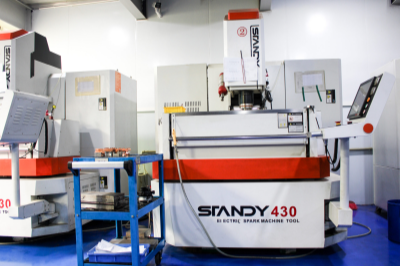
Over 30 precision mold processing units including CNC, EDM, and polishing stations
20+ advanced testing instruments ensuring dimensional accuracy and material certification
Our end-to-end system integrates design validation, mold development, prototyping, injection molding, and finishing — minimizing handoffs and communication losses common with multi-tier suppliers. The production teams leverage ISO 9001-compliant quality control procedures and hold CE and RoHS certifications relevant to injection mold safety and environmental compliance.
Frequently Asked Questions
Q: How do aluminum molds compare cost-wise with steel molds?
Aluminum molds generally cost 40–60% less than comparable steel molds due to reduced machining time and material costs. This makes them ideal for prototyping and short production runs where upfront investment must be minimized.
Q: What is the typical lifespan of an aluminum injection mold?
Depending on material, design complexity, and maintenance, aluminum molds last approximately 30,000 to 100,000 cycles before significant wear. Proper surface treatments such as anodizing can extend this range.
Q: Are aluminum molds suitable for LSR injection molding?
Absolutely. Aluminum molds, when appropriately surface treated and designed with precise venting and cooling channels, excel at LSR molding — delivering fine detail and biocompatibility necessary for medical and consumer silicone products.
Q: What logistical considerations should buyers keep in mind?
Mold weight and size impact shipping costs and container loading strategies. Aluminum’s lighter weight often reduces freight charges. Also, document completeness (certifications, customs clearance paperwork) accelerates border processing.
Q: Can Yingtai provide custom OEM/ODM mold solutions?
Yes, our in-house design and tooling teams specialize in OEM and ODM development, incorporating rapid tooling technologies and iterative prototyping to meet precise client specifications.
Customer Reviews & Real-World Insights
Ethan R., Purchasing Manager, Medical Device Manufacturer, CA
“We transitioned from steel molds to aluminum tooling for some of our LSR components; the faster cycle times reduced our prototyping by nearly two weeks. The mold quality from Yingtai was comprehensive — tight tolerances and great surface finish. Maintenance guidance was practical and saved us a headache during scale-up.”
Get in Touch
If you have any camping barbeque equipment inquiry, please feel free to contact us.






 Ethan R., Purchasing Manager, Medical Device Manufacturer, CA