Unlocking Efficient Prototyping and Short-Run Production for Modern Industrial Supply Chains Purchasing managers and production engineers know the challenges well: long lead times for conventional steel tooling can stall product development cycles, and high
Product Details
Aluminum Rapid Tooling: Accelerating Precision Manufacturing with Agility
Unlocking Efficient Prototyping and Short-Run Production for Modern Industrial Supply Chains
Industry Pain Points in Tooling & Prototyping
Purchasing managers and production engineers know the challenges well: long lead times for conventional steel tooling can stall product development cycles, and high costs often make small batch runs uneconomical. The traditional mold fabrication process, especially in hardened steel, demands weeks to months, delaying time-to-market.
Furthermore, changes during the prototyping phase become costly and cumbersome, as every design iteration forces tooling rework or complete rebuilds — producing wastage in both time and budget.
For global importers and cross-border distributors, the stakes rise higher. Shipping bulky molds overseas adds to shipment complexity and escalation of inventory holding costs. Most find themselves caught between the need for precision and operational agility.
Common pain points include:
Extended tooling manufacturing lead times compromising project schedules.
High startup costs impeding small-to-medium batch runs and prototyping.
Complex logistics around heavy, bulky tooling shipment and customs clearance.
Limited flexibility to modify molds rapidly without incurring significant costs.
Potential quality inconsistency linked to rushed tooling or low-grade materials.
Understanding these challenges lays the groundwork to explore alternatives — where aluminum rapid tooling emerges as a practical solution bridging speed and precision.
Technical Insights of Aluminum Rapid Tooling
Aluminum rapid tooling (ART) leverages the thermal and machinability advantages of aluminum alloys to dramatically reduce mold fabrication times — typically to a few days or weeks compared to traditional steel molds.
Unlike hardened steel, aluminum's lower melting point and machinability allow high-speed CNC milling, EDM, and surface treatments specific to precision injection molding of plastics and silicone. This combination results in tools suitable for medium-volume production and intricate prototype runs.
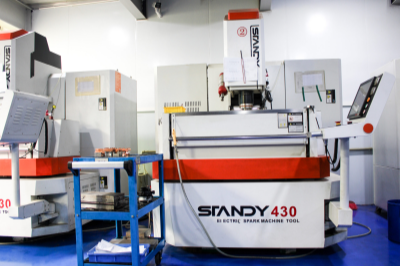
Our factory operations exemplify how modern workshops optimize ART production workflows, integrating:
High-precision 5-axis CNC machining: Enabling complex geometries and accurate dimensional control with tolerances often within ±0.02 mm.
Cryogenic and anodizing surface treatments: Extending mold durability and improving wear resistance against abrasive polymer fillers.
Use of premium aluminum grades: Common alloys (e.g., 7075, 6061-T6) selected for their mechanical strength and thermal conductivity, supporting faster cooling cycles and shorter cycle times.
Seamless integration with rapid prototyping data: Direct CAD-to-CAM workflows minimize human errors and speed design iterations.
Note: Aluminum tooling is ideal for projects where speed matters without sacrificing too much product life-span.
Operationally, aluminum molds require periodic surface maintenance such as polishing and light recoating to sustain mold life and maintain part quality. However, many OEMs find the tradeoff acceptable in fast-paced markets like consumer electronics, automotive prototyping, and medical device development.
Primary Industrial Applications of Aluminum Rapid Tooling
Aluminum rapid tooling finds its sweet spot spanning multiple industry sectors where accelerated project velocity blends with exacting product standards:
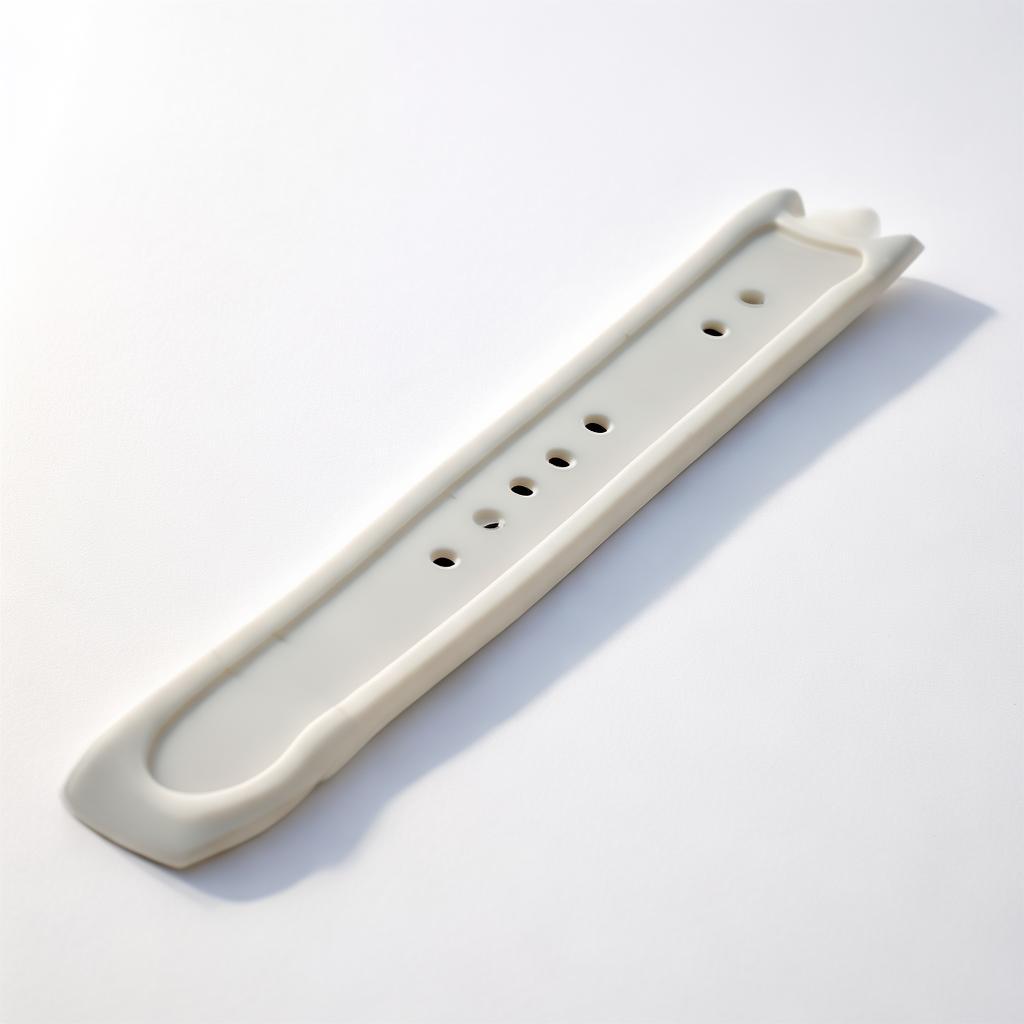
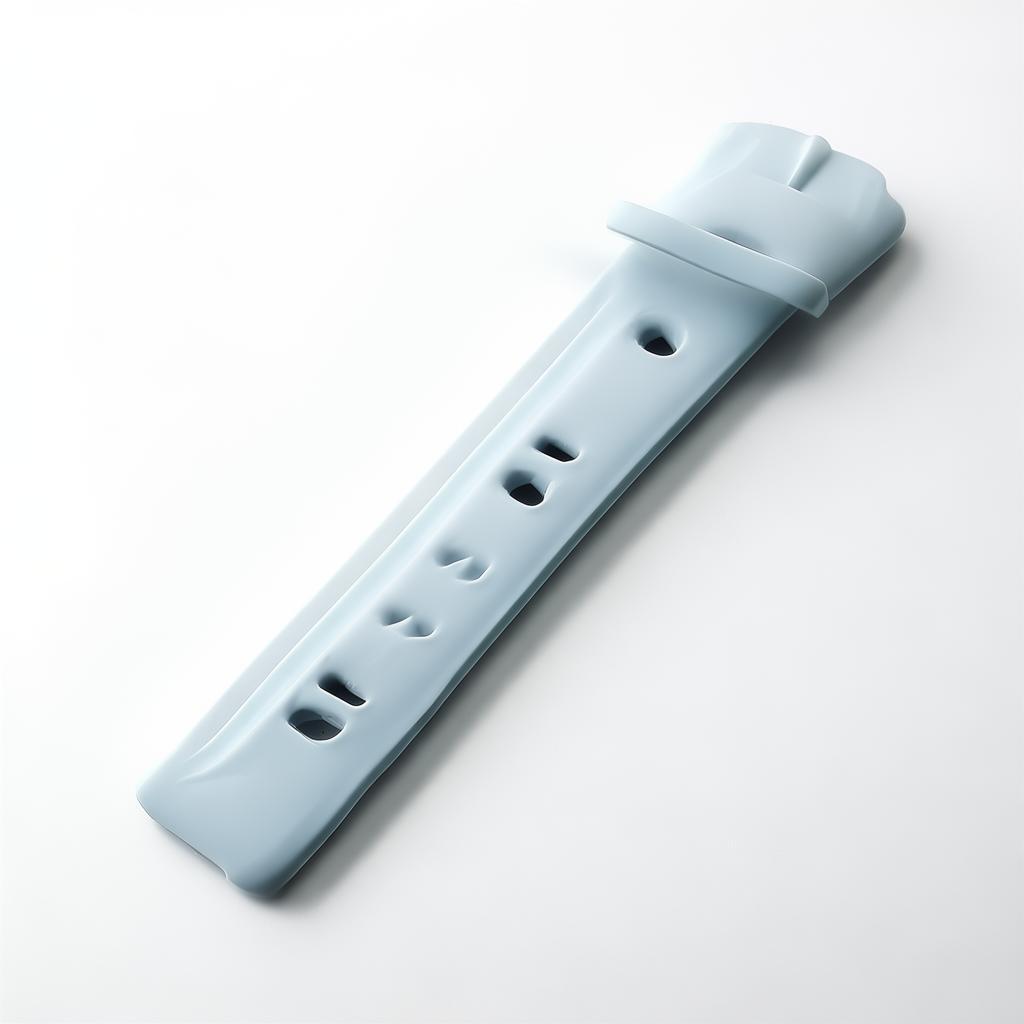
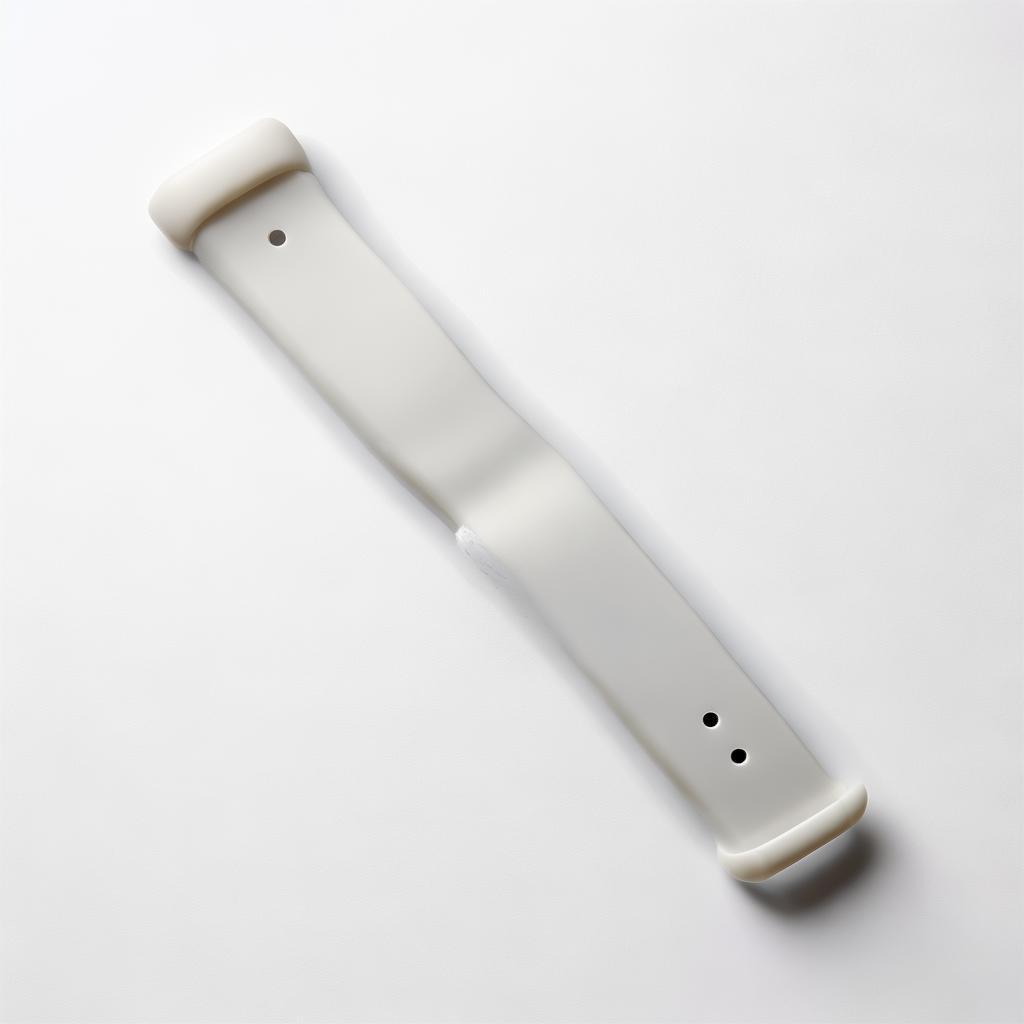
Consumer Electronics: Rapid-turnaround tooling supports quick sampling of mobile phone housings, protective cases, and wearables using ABS, PC, and silicone components.
Automotive Prototyping: Development cycles for interior trim, gaskets, and seals benefit from the cost-efficient and quick-release nature of aluminum tools, accommodating iterative design improvements.
Medical Devices: Small-batch molding of housing components, connectors, and overmolded seals uses aluminum molds for compliance with ISO 13485 standards and to maintain biocompatibility.
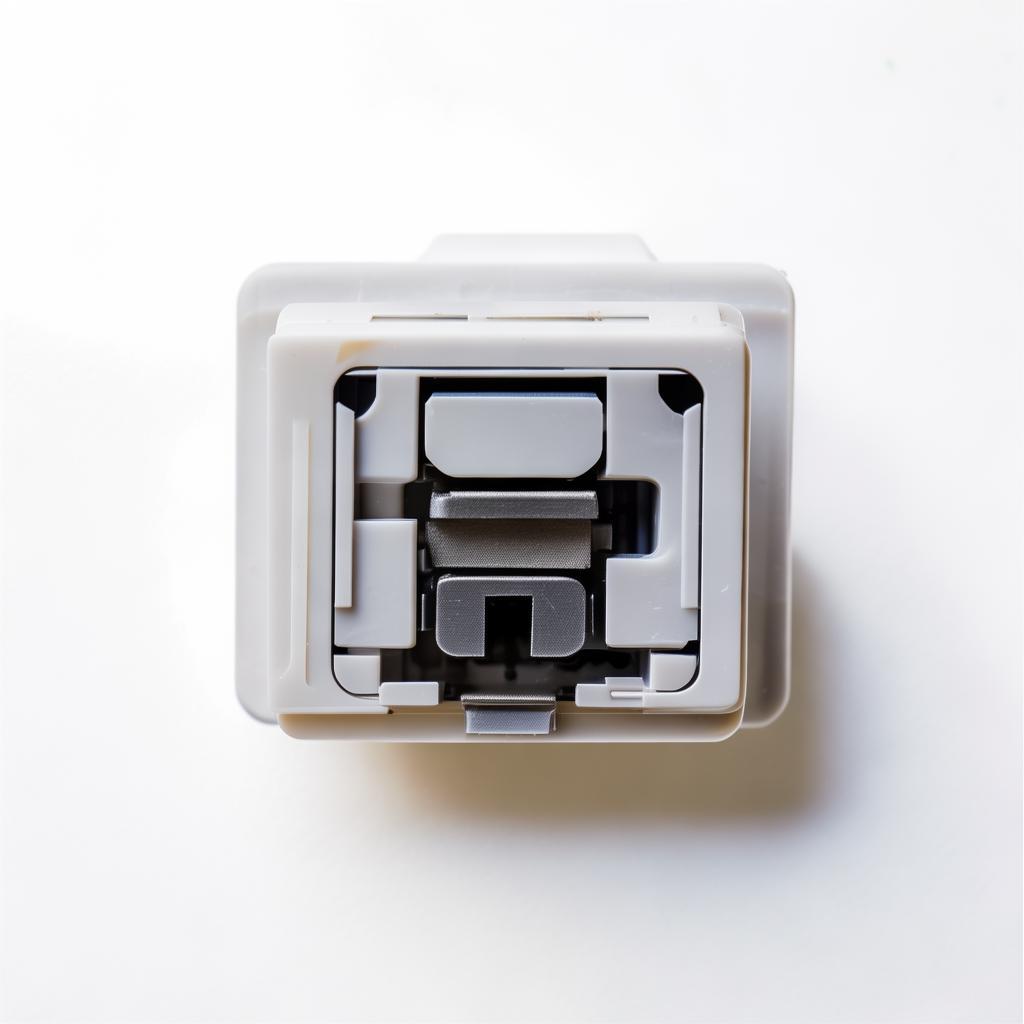
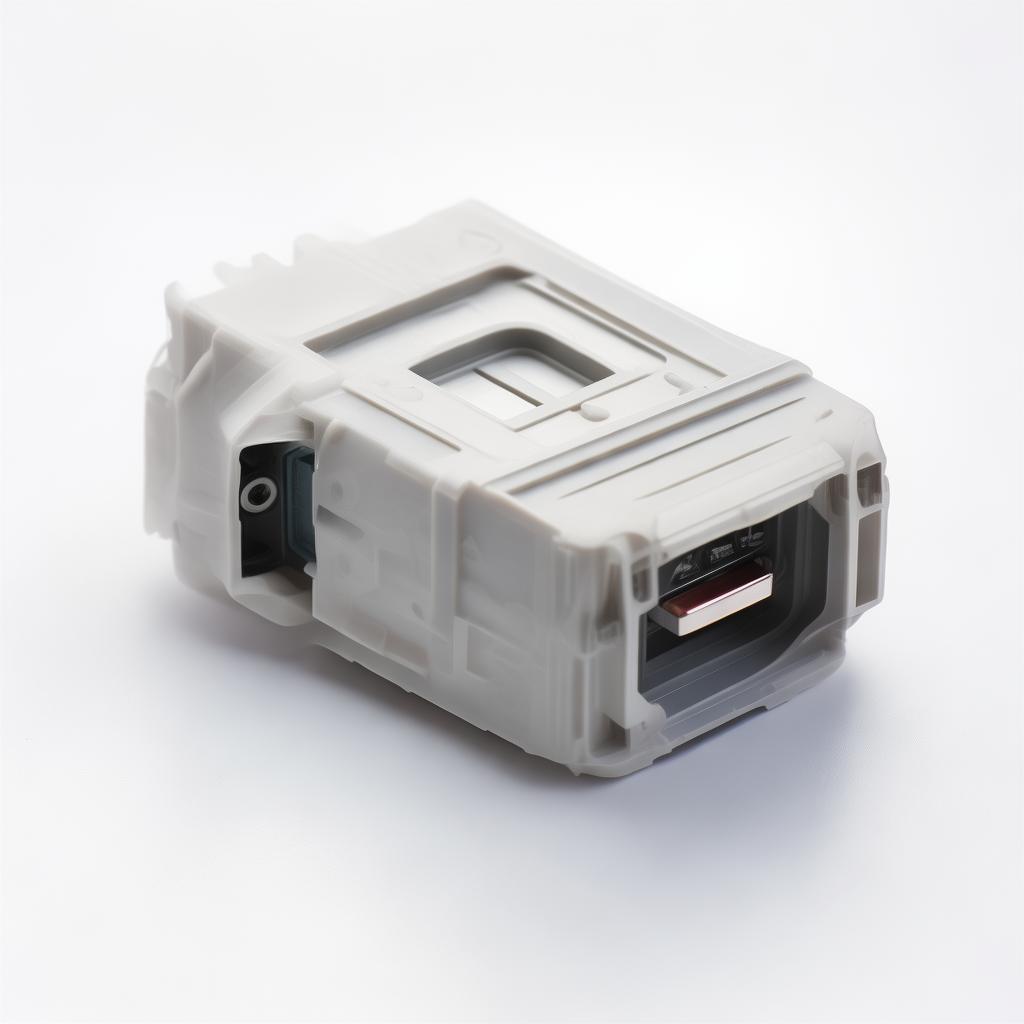
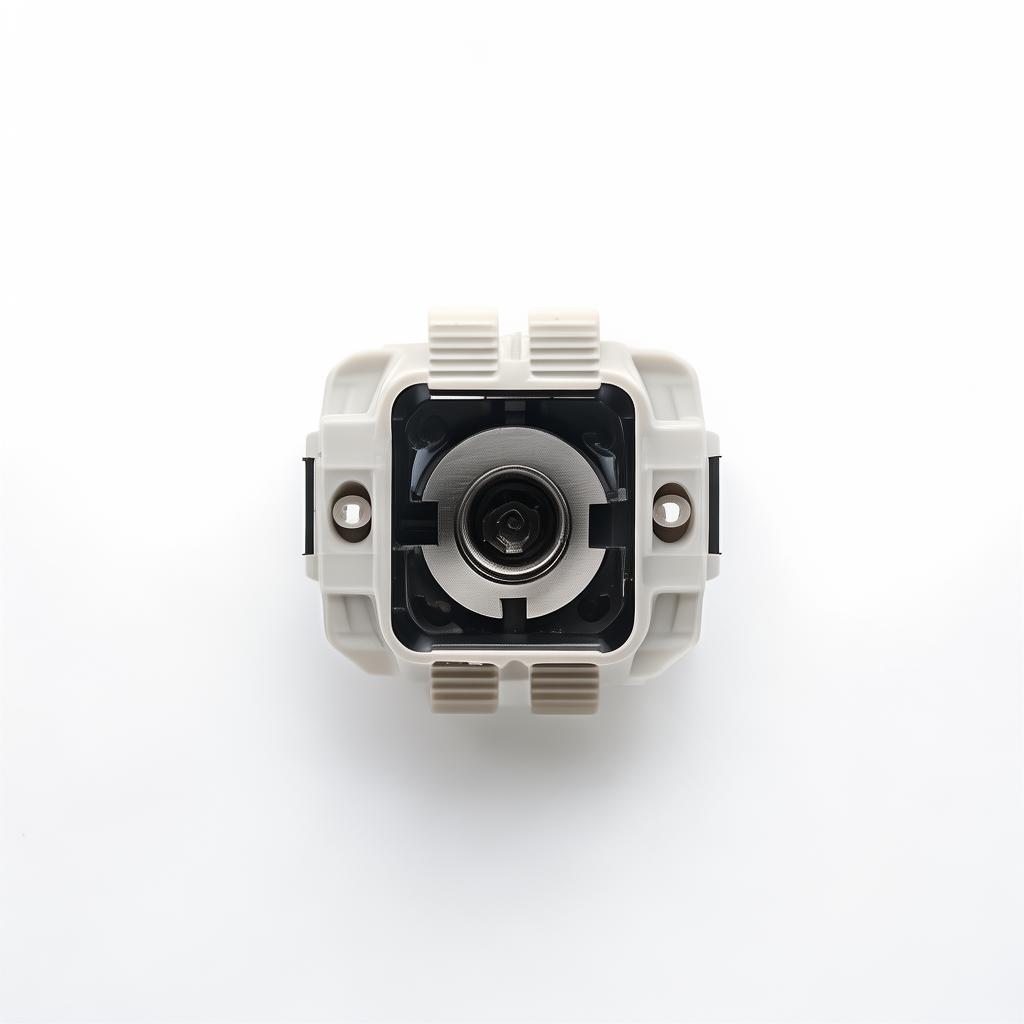
Industrial Appliances: Tools for parts such as pump housings or precision connectors can be produced rapidly with high tolerances and excellent surface finishes.
Soft Robotics & Wearables: New fields like soft robotics increasingly use aluminum molds for LSR injection due to the enhanced cooling rates and flexibility it offers versus steel.
Given the thermal conductivity advantage, aluminum molds assist in reducing cycle times by around 15-25% compared to steel, delivering tangible throughput improvements without sacrificing dimensional accuracy.
Practical note: For highly abrasive or corrosive materials, additional coatings or inserts may be necessary to prolong mold life, an important consideration to discuss early in the procurement process.
Procurement Guide & Supplier Evaluation Tips
When sourcing aluminum rapid tooling, buyers must balance speed, cost, quality, and supplier reliability. Here are key points to navigate:
Material Grade Verification: Confirm use of high-grade aluminum alloys such as 7075-T6 or 6061-T6, known for strength and thermal stability under injection molding conditions.
Surface Treatment Capability: Anodizing, PVD coatings, or nitriding increase tool hardness; check if the supplier offers these or partners with qualified finishing houses.
Precision Machining Infrastructure: Look for CNC centers with latest 5-axis machining centers, EDM machines, and coordinate measuring machines (CMM) for quality control.
Turnaround Time Guarantees: Establish realistic lead times upfront, factoring in design iterations and prototype sampling phases.
OEM/ODM Flexibility: Check if the supplier offers design consultation, mold flow analysis, and rapid prototyping services to accelerate project milestones.
Certifications & Compliance: ISO9001, ISO13485 (medical device tooling), and RoHS compliance are indicators of mature quality systems.
Logistics Experience: Consider suppliers with proven international export workflows including container loading optimization, customs clearance, and after-sales support.
Evaluating quotes: Compare total cost of ownership, including anticipated tool life, maintenance needs, and potential for multi-cavity molds to scale production efficiently.
Warning: Beware suppliers promising steel durability at aluminum pricing or unrealistic delivery times — these typically signal production risks or quality compromises.
Source insights from trusted export managers or technical engineers who understand not just cost but operational feasibility to avoid hidden pitfalls.
Certifications & Quality Standards at Guangdong Yingtai High Precision Technology
With over two decades of tooling and injection molding experience, Guangdong Yingtai is an established OEM factory delivering advanced rapid tooling solutions optimized for demanding industries.
ISO 9001:2015 Quality Management System - Ensures consistent manufacturing processes and product quality.
ISO 13485:2016 Medical Device Quality Compliance - Critical for medical-grade tooling and component production.
RoHS and CE Certifications - Compliance for environmental safety and product standards for EU and North America markets.
Advanced Testing Equipment - Over 20 state-of-the-art test instruments including CMM, surface roughness meters, and hardness testers.
Such compliance underscores Yingtai’s commitment to quality assurance combined with rapid tooling turnaround — an indispensable asset for manufacturers looking to accelerate product launches with confidence.
Yingtai’s modern 35,000 m2 industrial park in Dongguan, China
Buyer FAQs on Aluminum Rapid Tooling
Q: How long does it take to produce an aluminum rapid tooling mold?
Typical delivery ranges from 10 to 21 days, depending on complexity and cavity count. Expedited orders with optimized designs and minimal rework can shorten this timeline.
Q: What is the expected mold life for aluminum tooling compared to steel?
Aluminum tools generally last for up to 30,000 to 50,000 shots, suitable for prototyping and medium-run production, while steel molds may exceed 100,000+ shots for mass production.
Q: Can aluminum tooling be used for silicone injection molding?
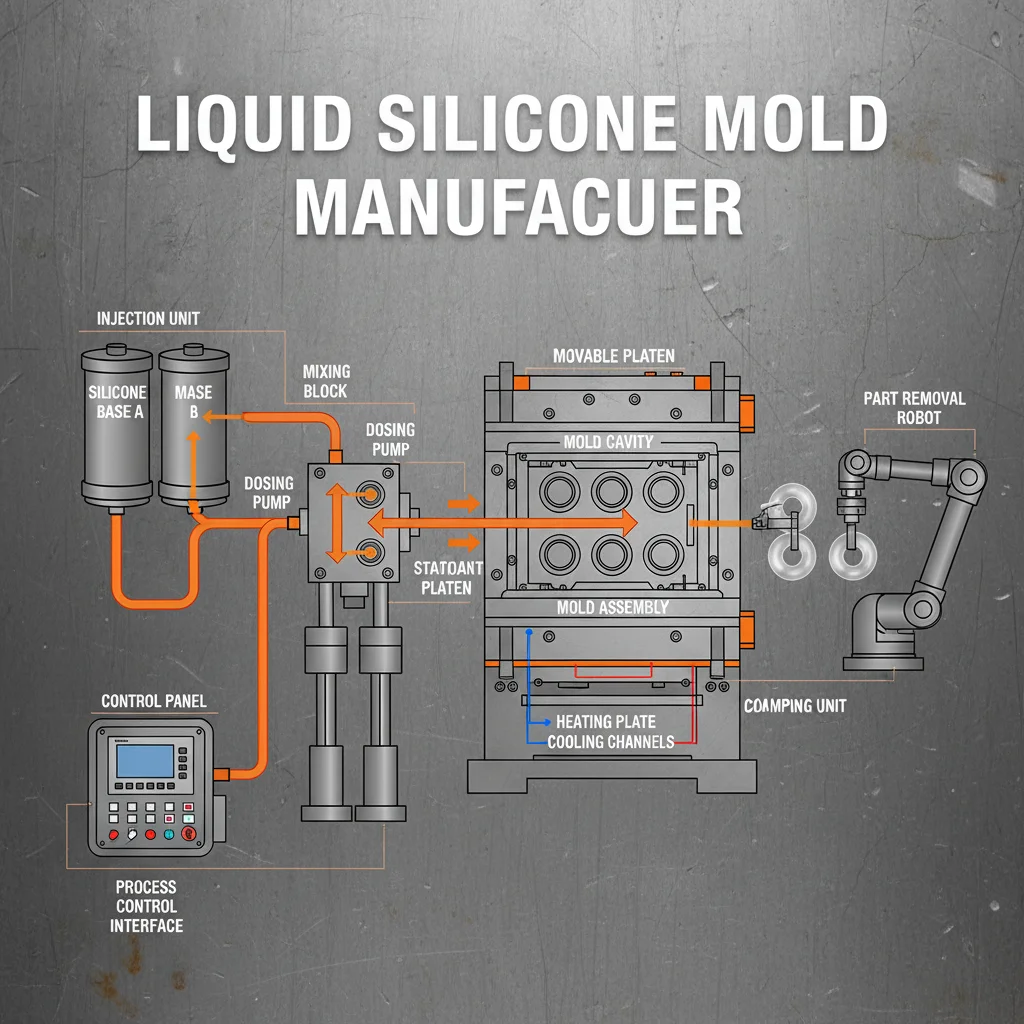
Absolutely. Aluminum's excellent thermal conductivity helps reduce cycle times, important for materials like liquid silicone rubber (LSR). However, surface coatings may be recommended to enhance wear resistance.
Q: How does logistics affect aluminum tooling shipping?
Due to lighter weight compared to steel, aluminum molds are simpler to handle and ship internationally via air or sea freight, optimizing container space and reducing customs delays.
Q: Is it possible to do rapid design changes after ordering tooling?
While design changes at advanced stages increase cost and delay, aluminum tooling enables faster adjustments compared to steel, especially when using modular multi-part molds or inserts.
Real Customer Reviews & Procurement Experiences
Maria Evans, Purchasing Manager at MedTech Solutions, USA
"Yingtai’s aluminum rapid tooling helped us finalize product validation in less than three weeks — a huge advantage compared to previous steel molds that took months. The surface finish and tooling accuracy exceeded our expectations for medical-grade silicone parts."
Get in Touch
If you have any camping barbeque equipment inquiry, please feel free to contact us.