Amorphous Plastic Material
By Michael Chen — Industrial Engineer, Guangdong Yingtai High Precision Technology Co., Ltd. Within industrial manufacturing and supply chains, amorphous plastic materials occupy a crucial niche where clarity, impact resistance, and dimensional stability intersect.

Product Details

Amorphous Plastic Material: A Strategic Guide for B2B Procurement & Industrial Application

By Michael Chen — Industrial Engineer, Guangdong Yingtai High Precision Technology Co., Ltd.

Author Michael Chen

Understanding Amorphous Plastic Material in Industrial Context

Within industrial manufacturing and supply chains, amorphous plastic materials occupy a crucial niche where clarity, impact resistance, and dimensional stability intersect. Unlike their semicrystalline counterparts, these plastics lack a defined crystalline structure, which profoundly influences their processing, mechanical behavior, and end-use performance.

For procurement directors and technical engineers sourcing materials for durable components, the amorphous plastic category often includes polycarbonates (PC), acrylics (PMMA), polyvinyl chloride (PVC), and amorphous copolyesters such as PETG. These materials are prized for their transparency, resistance to impact without brittleness, and predictable molding properties. Yet, navigating selection and supply can prove complex because of their varied thermal behavior, chemical resistance, and cost structures.

As industrial experts with over 20 years in OEM/ODM plastic manufacturing and precision molding, we recognize the importance of grasping subtle nuances in material characterization. For example, amorphous plastics exhibit a glass transition temperature (Tg) rather than a melting point, leading to gradual softening rather than a distinct phase change during processing. This affects injection molding parameters such as temperature profile, cooling rate, and cycle time — all critical for quality control.

The growing demand in sectors like medical devices, consumer electronics, and automotive components for high-clarity, dimensionally stable, and impact-resistant plastics makes amorphous materials a go-to choice. Still, it’s imperative to weigh trade-offs between mechanical properties versus environmental stress cracking and UV resistance, among other factors. Comprehensive understanding translates directly into optimized product lifecycles and procurement ROI.

From an international trade perspective, managing lead times, container loading logistics, compliance certifications (such as ISO 9001, RoHS, and FDA for medical-grade plastics), and supplier capability assessments remain top priorities. Misaligned expectations on batch consistency or material grade can cause costly delays on assembly lines or final product rejection.

In addition to the classical amorphous plastics, our industrial consulting emphasizes emerging alloys and modified amorphous plastics that blend toughness with better thermal stability. Staying updated with evolving ASTM and ISO test methods for tensile strength, impact resistance (notably ASTM D256 for impact behavior), and thermal characterization enhances your negotiating position for sustainable supply agreements.

“Selecting an amorphous plastic isn’t just about material specs. It requires synchronizing your manufacturing workflows, tooling setup, and supply chain intricacies to unlock consistent quality and cost predictability.” — Michael Chen, Industrial Engineer

Industry Pain Points: Navigating Challenges in Amorphous Plastic Procurement & Use

  • Thermal Sensitivity: Amorphous plastics’ processing window is narrower. Overheating leads to material degradation or warpage, whereas underheating impairs mold fill and surface quality.
  • UV & Environmental Stress Cracking: Certain grades (e.g., PC) degrade under UV exposure if unprotected, raising concerns for outdoor applications.
  • Supplier Inconsistencies: Variability in resin viscosity, batch-to-batch color shifts, or unreported additives compromise product uniformity and assembly integration.
  • Lead Time Volatility: International logistics often cause shipment delays, especially for specialty grades with limited resin suppliers, impacting production planning.
  • Certification Requirements: Many applications demand strict compliance (ISO 10993 for medical, FDA food contact approvals), restricting supplier pools and complicating audits.
  • Material Selection Complexity: Balancing price resistance with property needs (impact vs. rigidity, transparency vs. chemical resistance) overwhelms non-expert buyers.
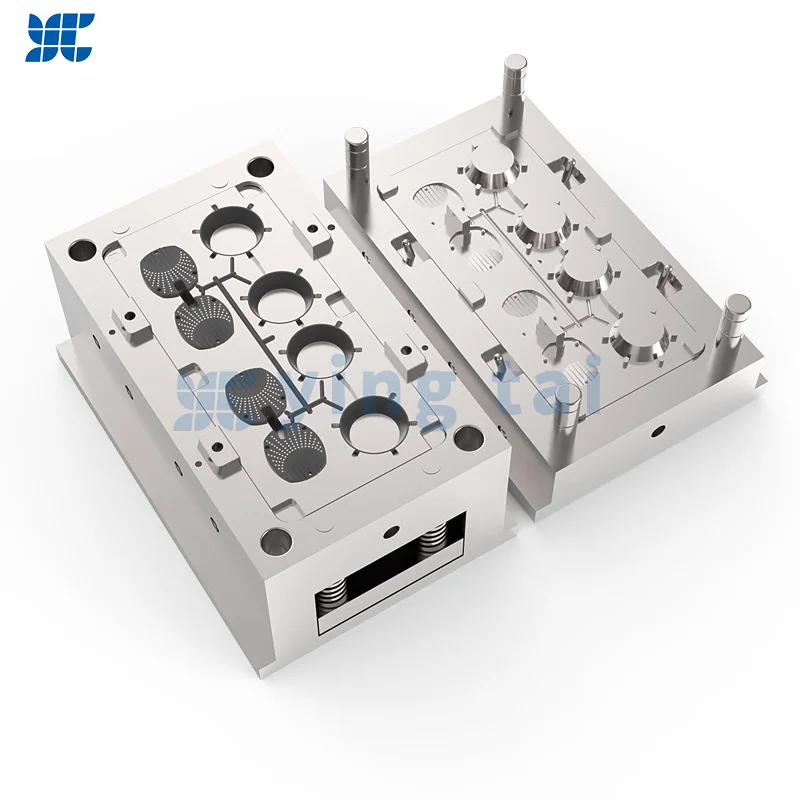
  • Tooling and Mold Design Constraints: Injection molding amorphous plastics necessitates special gate design and adequate cooling strategies to avoid sink marks and residual stress.

Our experience shows procurement managers frequently encounter costly rejections due to incomplete material assessments or misunderstanding molding cycle impacts. Asking detailed questions on resin traceability, batch QC records, and previous compliance performance is essential early on.

Buyer alert: Fast sourcing without thorough supplier evaluation risks unexpected downtime and quality headaches.

What Makes Amorphous Plastic Material Beneficial for Industry Partners?

Amorphous plastics carry distinct advantages that make them indispensable in various sectors:

  • Clarity & Aesthetic Appeal: Grades like PMMA and certain polycarbonates offer near-glass transparency, vital for consumer electronics, lighting panels, and medical devices requiring visual inspection.
  • Low Moisture Absorption: Compared to semicrystalline polymers, amorphous plastics maintain dimensional accuracy in humid environments, reducing warpage and assembly tolerance issues.
  • Good Chemical Resistance: Many amorphous plastics resist oils, fuels, and cleaning agents, making them appropriate for automotive and industrial enclosures.
  • Impact Resistance with Toughness: Polycarbonate stands out by combining optical clarity and remarkable toughness, making it a common choice for safety helmets, riot shields, and durable housings.
  • Easy Processing: Injection molding and thermoforming of amorphous plastics generally require lower melt temperatures than semi-crystalline counterparts, reducing energy consumption.
  • Compatibility with Co-Extrusion and Overmolding: Many amorphous plastics bond well with elastomers and other polymers, enabling advanced OEM manufacturing options such as multi-component injection molding.

Operational insight: “Selecting an amorphous material compatible with your existing mold tooling can reduce cycle time by 5–10%, preventing costly retrofits.” — Senior Molding Specialist, Yingtai

Plastic Parts Factory

Technical Specifications & Material Comparison

The table below summarizes key physical and thermal properties of representative amorphous plastics commonly sourced in B2B environments:

Material Tg (°C) Density (g/cm³) Impact Strength (kJ/m²) Transparency UV Resistance
Polycarbonate (PC) 147 1.2 60 - 70 Excellent Moderate (Additives Recommended)
Acrylic (PMMA) 105 1.18 10 - 15 Outstanding Excellent
PVC (Rigid Grade) 80 - 85 1.4 15 - 25 Good Good (Stabilizers Required)
PETG (Amorphous Copolyester) 85 1.27 30 - 40 Very Good Moderate

moldes de inyeccion de plastico plastic engineering materials ultem pei plastic

Note: UV resistance often depends on formulators adding specific stabilizers; transparency can be affected by processing conditions and additives.

Application Scenarios: Where Amorphous Plastics Excel

Across B2B industrial supply chains, amorphous plastics find roles that demand a balance of optical properties, toughness, and regulatory compliance:

  • Consumer Electronics: Transparent housings, protective screens, and light diffusers for smartphones, wearables, and IoT devices. Polycarbonate’s impact resistance helps meet drop-test standards.
  • Medical Devices: Clear fluid containers, hygiene covers, and overmolded components requiring biocompatibility and sterilization resistance. FDA and ISO 10993 certifications guide material choices.
  • Automotive Interiors: Dashboard panels, touch screens, and lighting elements benefit from dimensional stability and scratch resistance of amorphous plastics, especially in OEM factories.
  • Industrial Enclosures: Equipment cases and protective covers exposed to oils and chemicals commonly use PCB and PETG for their favorable chemical resistance and durability.
  • Optical Components: Lenses, light guides, and display covers demand precise molding and tight dimensional tolerances, supported by amorphous material’s glass transition-induced clarity.
  • Packaging: High-clarity blister packs and protective wraps use PMMA and PETG, balancing cost and visual presentation.

Logistics note: Amorphous plastics’ moderate density offers favorable container loading optimization compared to heavier thermoplastics. Careful packaging avoids UV and scratch damage during transit.

Procurement Guidance: Minimizing Risks & Maximizing Supply Chain Efficiency

Sourcing amorphous plastic material at scale entails a strategic approach:

  • Certifications & Compliance: Ensure suppliers provide ISO 9001 quality management documentation and product-specific certificates such as FDA (for medical), RoHS (electronics), or REACH (EU hazardous substances).
  • Raw Material Traceability: Request batch-specific resin datasheets and chemical additive disclosures. It helps avoid surprises during final product inspection or third-party audits.
  • Sample Testing: A pre-production sample run allows testing dimensional stability, impact resistance, and optical clarity under your actual processing conditions.
  • Technical Support & Co-Development: Engage suppliers offering OEM/ODM capabilities with in-house mold design and process optimization to reduce trial cycles and tooling defects.
  • Logistics Coordination: Discuss lead times realistically; amorphous plastics require controlled storage to prevent UV or temperature degradation. Plan container loading with anti-slip backing and appropriate ventilation for resin safety.
  • Batch Consistency: Work with vendors maintaining strict resin viscosity and pigment consistency to ensure smooth assembly integration with other components.

Make sure to evaluate the manufacturing partner’s industrial park scale, machine fleet (e.g., injection molding machines, precision mold processing equipment), and testing facilities. Factory intellectual manufacturing systems integrated with digital quality control reduce human error and speed up delivery times.

Important: Avoid choosing suppliers that do not audit their raw materials or cannot provide third-party test reports. This leads to high rework rates and warranty costs.

Frequently Asked Questions

Q1: How does amorphous plastic compare to semicrystalline plastics for injection molding?
Amorphous plastics soften around a glass transition temperature without a sharp melting point, allowing for easier molding flow and less risk of crystalline shrinkage but potentially lower chemical resistance. Semicrystalline plastics have higher melting points and stronger chemical resistance but require precise temperature control to avoid crystallization defects.
Q2: What are common processing challenges for amorphous plastics?
Managing mold temperature and injection pressure is critical. Typical issues include flow hesitation, weld lines, and residual stresses that cause warpage or haze. Tooling design must ensure uniform cooling and venting.
Q3: Can amorphous plastics handle outdoor applications?
Certain grades (e.g., UV-stabilized PMMA) perform well outdoors but polycarbonate may yellow or degrade without UV additives. Understand the environmental stress-cracking limits before specifying.
Q4: What certifications should I ask suppliers for?
Confirm ISO 9001 quality management, RoHS compliance for electronics grades, FDA for medical components, and if relevant, UL or CE marking for specific markets or safety requirements.
Q5: How to evaluate supplier capabilities?
Review their production capacity, injection mold fleet, QC procedures, existing B2B client testimonials, and experience in OEM/ODM customizations suited to your product complexity.

What Our Clients Say: Real-world Feedback & Experience

Client Emily S.

Emily Stevens, Procurement Manager, MedTech Inc.

“Sourcing high-clarity amorphous plastics for medical device housings was challenging until we partnered with Yingtai. Their ability to deliver consistent FDA-compliant PC grades combined with responsive OEM support cut our tooling trial phase by two weeks.”

Get in Touch