Understanding Amorphous Plastic Material in Industrial Context
Within industrial manufacturing and supply chains, amorphous plastic materials occupy a crucial niche where clarity, impact resistance, and dimensional stability intersect. Unlike their semicrystalline counterparts, these plastics lack a defined crystalline structure, which profoundly influences their processing, mechanical behavior, and end-use performance.
For procurement directors and technical engineers sourcing materials for durable components, the amorphous plastic category often includes polycarbonates (PC), acrylics (PMMA), polyvinyl chloride (PVC), and amorphous copolyesters such as PETG. These materials are prized for their transparency, resistance to impact without brittleness, and predictable molding properties. Yet, navigating selection and supply can prove complex because of their varied thermal behavior, chemical resistance, and cost structures.
As industrial experts with over 20 years in OEM/ODM plastic manufacturing and precision molding, we recognize the importance of grasping subtle nuances in material characterization. For example, amorphous plastics exhibit a glass transition temperature (Tg) rather than a melting point, leading to gradual softening rather than a distinct phase change during processing. This affects injection molding parameters such as temperature profile, cooling rate, and cycle time — all critical for quality control.
The growing demand in sectors like medical devices, consumer electronics, and automotive components for high-clarity, dimensionally stable, and impact-resistant plastics makes amorphous materials a go-to choice. Still, it’s imperative to weigh trade-offs between mechanical properties versus environmental stress cracking and UV resistance, among other factors. Comprehensive understanding translates directly into optimized product lifecycles and procurement ROI.
From an international trade perspective, managing lead times, container loading logistics, compliance certifications (such as ISO 9001, RoHS, and FDA for medical-grade plastics), and supplier capability assessments remain top priorities. Misaligned expectations on batch consistency or material grade can cause costly delays on assembly lines or final product rejection.
In addition to the classical amorphous plastics, our industrial consulting emphasizes emerging alloys and modified amorphous plastics that blend toughness with better thermal stability. Staying updated with evolving ASTM and ISO test methods for tensile strength, impact resistance (notably ASTM D256 for impact behavior), and thermal characterization enhances your negotiating position for sustainable supply agreements.
“Selecting an amorphous plastic isn’t just about material specs. It requires synchronizing your manufacturing workflows, tooling setup, and supply chain intricacies to unlock consistent quality and cost predictability.” — Michael Chen, Industrial Engineer
Procurement Guidance: Minimizing Risks & Maximizing Supply Chain Efficiency
Sourcing amorphous plastic material at scale entails a strategic approach:
- Certifications & Compliance: Ensure suppliers provide ISO 9001 quality management documentation and product-specific certificates such as FDA (for medical), RoHS (electronics), or REACH (EU hazardous substances).
- Raw Material Traceability: Request batch-specific resin datasheets and chemical additive disclosures. It helps avoid surprises during final product inspection or third-party audits.
- Sample Testing: A pre-production sample run allows testing dimensional stability, impact resistance, and optical clarity under your actual processing conditions.
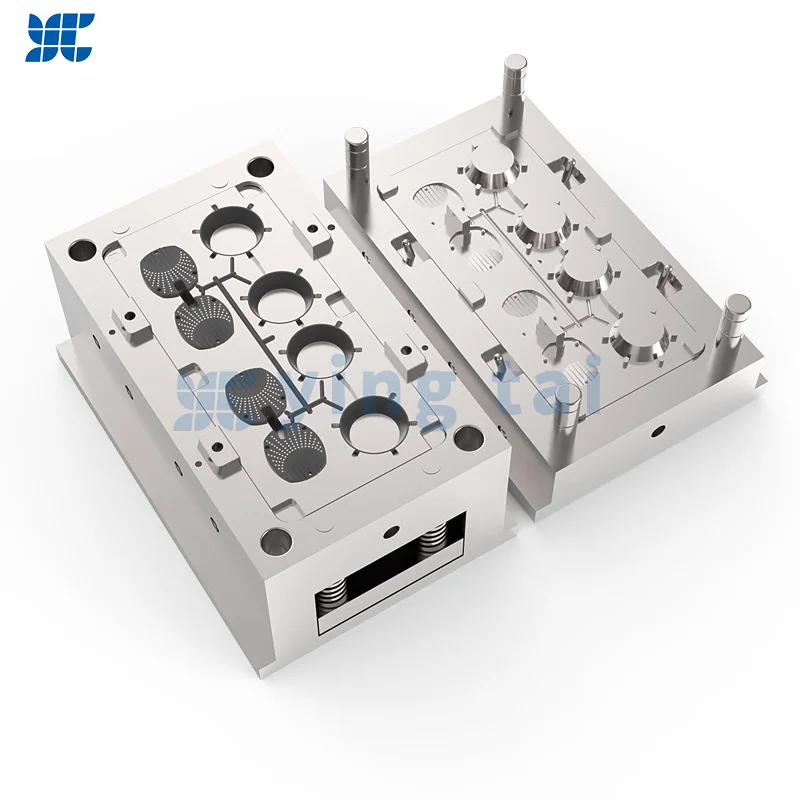
- Technical Support & Co-Development: Engage suppliers offering OEM/ODM capabilities with in-house mold design and process optimization to reduce trial cycles and tooling defects.
- Logistics Coordination: Discuss lead times realistically; amorphous plastics require controlled storage to prevent UV or temperature degradation. Plan container loading with anti-slip backing and appropriate ventilation for resin safety.
- Batch Consistency: Work with vendors maintaining strict resin viscosity and pigment consistency to ensure smooth assembly integration with other components.
Make sure to evaluate the manufacturing partner’s industrial park scale, machine fleet (e.g., injection molding machines, precision mold processing equipment), and testing facilities. Factory intellectual manufacturing systems integrated with digital quality control reduce human error and speed up delivery times.
Important: Avoid choosing suppliers that do not audit their raw materials or cannot provide third-party test reports. This leads to high rework rates and warranty costs.