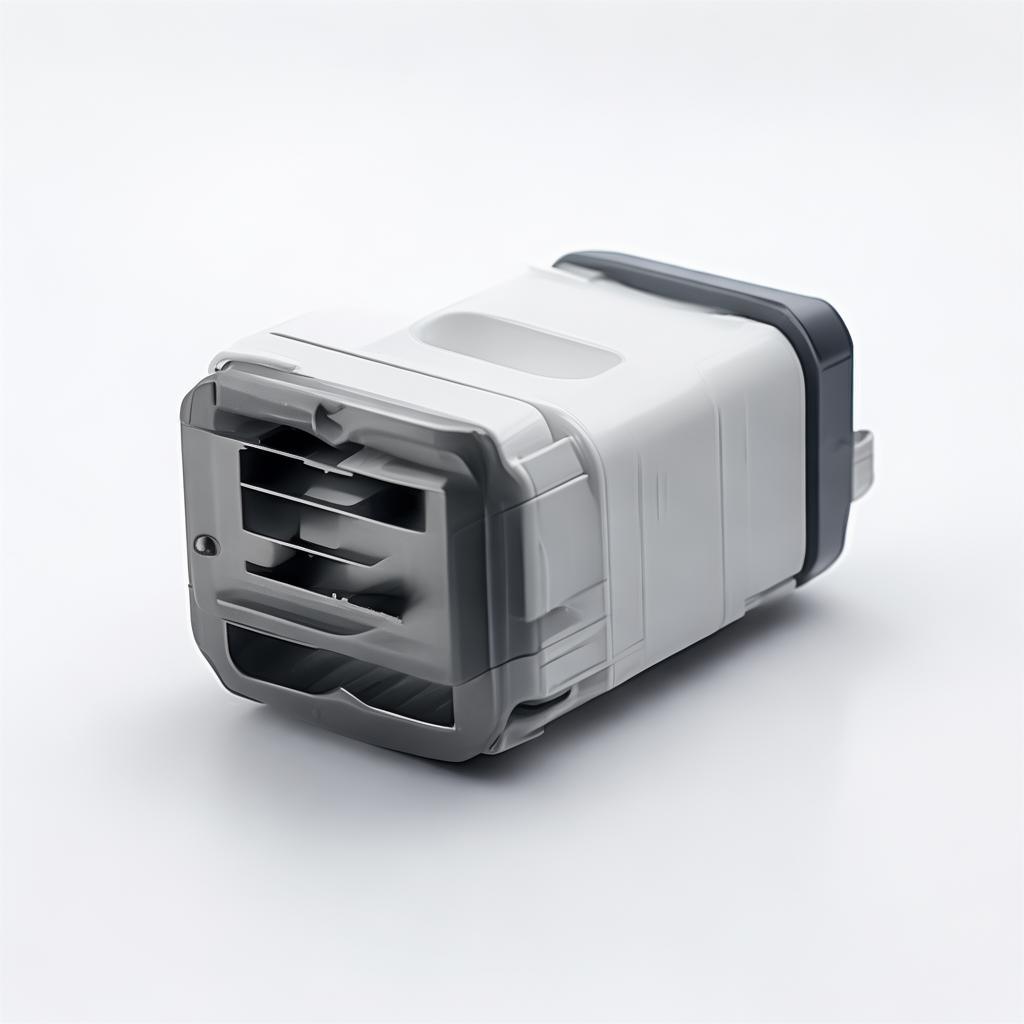
Introduction: Understanding Amorphous Thermoplastics
The world of advanced polymers is vast, but amorphous thermoplastics occupy a unique niche that bridges flexibility, clarity, and thermal stability. Unlike their semi-crystalline counterparts, these materials lack a defined melting point, demonstrating a gradual softening over a temperature range. This intrinsic property impacts processing methods and final product performance significantly.
For industrial purchasers, especially procurement directors and technical engineers tasked with sourcing raw materials for high-precision applications, understanding the nuances of amorphous thermoplastics can prevent costly mistakes downstream.
These plastics exhibit superior clarity (important for optical parts), excellent dimensional stability, and consistent mechanical properties across temperature variations. Common types include polycarbonate (PC), polymethyl methacrylate (PMMA), acrylonitrile butadiene styrene (ABS), and styrene-acrylonitrile (SAN). They are widely chosen for applications that demand tight tolerances, impact resistance, and heat resistance without crystallinity-induced warping.
However, the amorphous nature means their viscosity during injection molding is sensitive to processing conditions. This influences injection speed, cooling rates, and mold design. As a manufacturing advisor, I’ve observed that improper processing parameters can lead to issues like sink marks or internal stresses in large or complex parts.
Moreover, sourcing amorphous thermoplastics from verified suppliers who maintain stringent quality controls per ISO 9001 and ISO/TS 16949 standards is critical for consistent performance. Material traceability and batch testing for glass transition temperature (Tg), melt flow index (MFI), and molecular weight distribution will save time and reduce scrap rates.
A strong partnership with the supplier often involves not only quality material delivery but also access to technical support for molding simulation, advice on process optimization, and supply chain planning aligned with your production timelines. Keep in mind that many emerging industries, from automotive lighting to premium consumer electronics, increasingly depend on amorphous thermoplastics for components that require a delicate balance of strength, aesthetic, and processing flexibility.
Lastly, it’s worth noting that the global market for amorphous thermoplastics is expanding, driven by demand in sectors like healthcare, automotive, and consumer appliances. Procurement teams should be proactive in evaluating both price and technical grade to safeguard product quality in competitive environments.
Industry Pain Points & Procurement Risks
Despite their advantages, amorphous thermoplastics come with challenges that frequently trip up operations managers and buyers not fully versed in their behavior.
- Dimensional Instability under Heat: Because these materials soften gradually, improper cooling cycles in injection molding can cause warpage or residual stresses impacting assembly.
- Inconsistent Material Grades: Variability between batches — especially from non-certified suppliers — leads to unpredictable melt flow and mechanical properties, increasing defect rates.
- Supply Chain Disruptions: Dependence on a small number of global manufacturers for certain specialty grades can cause lead times of 6+ weeks, challenging just-in-time production.
- Processing Sensitivity: Small deviations in mold temperature or injection speed can trigger surface imperfections like flow marks or splay, inflating rework.
- Incompatibility with Additives: Some fillers or UV stabilizers interact poorly with amorphous polymers, compromising transparency or flexibility.
Being aware of these pitfalls enables technical procurement to demand comprehensive Certificates of Analysis (CoA) and verify production process compliance early.
Importantly, leveraging vendors with on-site lab capabilities and advanced molding simulation platforms reduces risk and fosters tighter integration between material properties and product design.
Material Features & Advantages
Let's unpack the key advantages amorphous thermoplastics typically bring to B2B industrial applications:
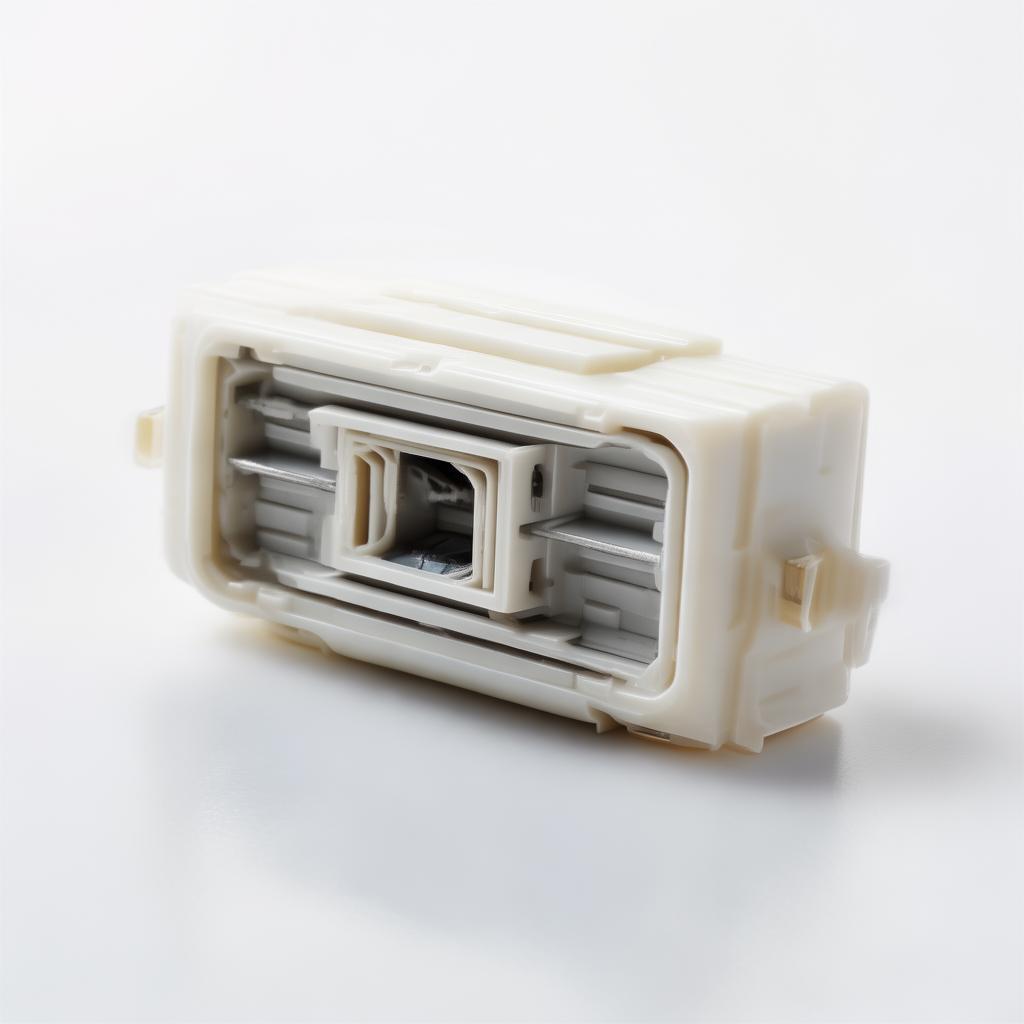
- Superior Optical Clarity: Essential for lighting lenses, medical equipment covers, and consumer goods; PMMA and PC offer excellent transparency and UV resistance.
- Thermal Stability: High glass transition temperatures offer stable performance across temperature variations; PCs, for example, maintain shape and mechanical strength up to 140°C.
- Excellent Impact Resistance: Amorphous materials absorb shocks efficiently, reducing cracking or breakage in applications like automotive glazing or protective housings.
- Good Chemical Resistance: Resistance to many acids, bases, and oils makes them suitable for industrial and household appliances exposed to harsh environments.
- Precision Molding Capability: These polymers flow well during injection molding, enabling tight tolerances for complex geometries without crystallization-induced defects.
Given these benefits, amorphous thermoplastics are preferred for OEM/ODM components where aesthetics and reliability matter equally.
Operational Tip: Suppliers with technical expertise can often customize grades with additives like UV stabilizers, flame retardants, or anti-static agents — tailor solutions are important to meet specific industry compliance or brand requirements.



 James Wilson