

Amorphous vs Semi Crystalline Polymers: A Technical & Procurement Perspective
By Michael Chen, Industrial Engineer at Guangdong Yingtai High Precision Technology Co., Ltd.
Introduction & Overview
The choice between amorphous and semi crystalline polymers often becomes a focal point in procurement discussions for manufacturers and technical teams. Understanding their distinct characteristics, processing quirks, and performance capabilities is more than academic—it directly impacts product quality, manufacturing efficiency, and supply chain robustness.
At Guangdong Yingtai High Precision Technology, we regularly advise purchasers and engineers on selecting the optimum polymer grade to fit application demands and operational realities. Both polymer categories offer unique advantages and limitations shaped by molecular arrangement, thermal behavior, and crystallinity levels, which dictate mechanical properties, chemical resistance, and molding process conditions.
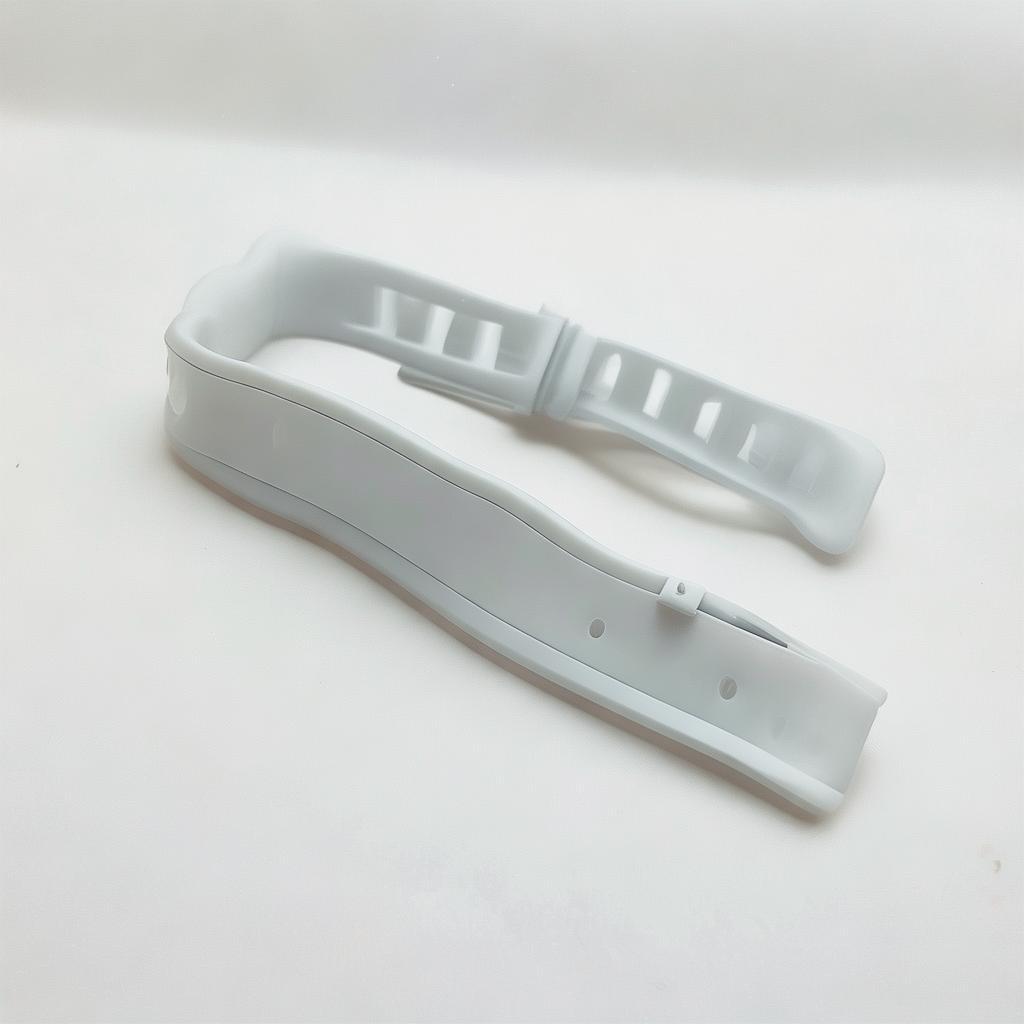
Amorphous polymers, such as Polystyrene (PS), Polycarbonate (PC), and Poly(methyl methacrylate) (PMMA), lack a defined crystalline structure. Their molecules arrange randomly, yielding materials known for excellent optical clarity, ease of processing at lower temperatures, and good dimensional stability in complex injection molding tasks.
In contrast, semi crystalline polymers like Polyethylene (PE), Polypropylene (PP), and Polyethylene Terephthalate (PET) manifest ordered regions amid amorphous zones. This dual nature lends them higher stiffness, chemical resistance, and enhanced thermal performance, often at the cost of translucency and increased processing temperature.
Please note: the subtle differences in polymer morphology profoundly influence final product properties such as tensile strength, impact resistance, and permeability. Misunderstanding these differences during material selection commonly leads to operational headaches including warpage, extended cycle times, or premature product failure in end-use environments.
For instance, amorphous polymers tend to soften gradually upon heating (no sharp melting point), offering predictable molding behavior but sometimes lower heat resistance. Semi crystalline polymers exhibit distinct melting points, requiring precise thermal control during injection molding or extrusion to avoid incomplete melting or degradation.
From a procurement standpoint, holistic evaluation beyond price alone is crucial — factor in lead times for raw materials (often affected by crystallinity), recycling capability, compliance with standards like ISO 9001 or ASTM D638, and OEM customization options. The challenges escalate with cross-border shipping constraints, regulatory certifications (CE, FDA), and packaging for container loading — particularly for bulk semi crystalline pellets prone to moisture uptake.
In this piece, we’ll unpack operational pain points, dive into meticulous technical comparisons, and guide you through practical procurement insights that help avoid typical pitfalls. Whether specifying materials for consumer electronics housings, automotive components, or industrial appliances, grasping the amorphous vs semi crystalline polymer debate ensures a smoother supply chain and better-performing final products.
Key Industry Challenges Faced
- Dimensional Control & Warpage: Semi crystalline polymers typically shrink significantly upon cooling (1.5-2.5%), demanding strict mold temperature management and predictive simulation. Amorphous polymers offer tighter dimensional tolerance but can be prone to residual stresses.
- Chemical & Thermal Resistance: End-use environments vary from industrial harsh conditions to medical-grade sterilization. Semi crystalline materials excel in chemical resistance but amorphous polymers often provide better optical clarity needed for certain products.
- Lead Time & Supply Variability: Specialty semi crystalline grades with enhanced UV resistance or food contact certificates may involve longer order lead times, impacting production schedules and inventory management.
- Processing Optimization: Injection molding parameters such as melt temperature, cooling rate, and hold pressure vary widely between these polymer types, influencing cycle time and defect rates. Lack of expertise in these nuances leads to costly reworks.
- Regulatory Compliance: Different applications entail adherence to regional standards (FDA for medical applications, REACH for European chemical safety, UL flame retardancy standards). Suppliers must be evaluated not only on production quality but certification traceability.
Insight: Many procurement managers report early-stage collaboration with engineering and QA teams mitigates downstream material mismatches and costly recalls.
Material Comparison: Amorphous vs Semi Crystalline Polymers
| Property | Amorphous Polymers | Semi Crystalline Polymers |
|---|---|---|
| Molecular Structure | Disordered, random molecular chains | Combination of ordered crystalline and amorphous regions |
| Melting Behavior | No distinct melting point; gradual softening | Sharp melting temperature (ex: 160–260°C) |
| Mechanical Properties | Good impact resistance, flexible but lower stiffness | Higher tensile strength, stiffness and toughness |
| Thermal Resistance | Lower heat deflection temperature (~70-120°C) | Higher heat tolerance (~120-250°C) |
| Optical Properties | Typically transparent/clear | Typically opaque or translucent |
| Chemical Resistance | Sensitive to solvents and hydrocarbons | Good resistance to many chemicals and solvents |
| Typical Processing Temps (Injection Molding) | 220-300°C, lower for most materials | 250-320°C, requiring precise thermal profiles |
| Shrinkage Rate | Low (<0.5%) | High (1.5-2.5%) |
Technical Specifications to Consider
From an engineering standpoint, the success of integrating amorphous or semi crystalline polymers hinges on tight control of multiple production factors:
- Melt Flow Index (MFI): Key to predicting ease of molding; semi crystalline polymers often require higher injection pressures.
- Glass Transition Temperature (Tg): For amorphous polymers, this defines usable temperature range; clarify in supplier datasheets.
- Degree of Crystallinity: Affects rigidity and chemical resistance in semi crystalline resins; ensure material certification specifies crystallinity percentage.
- Thermal Expansion: Differential shrinkage rates cause assembly challenges in multi-material products.
- Moisture Absorption: Some semi crystalline polymers are prone, leading to hydrolytic degradation if not dried properly before processing.
Below is a concise technical spec comparison for common grades:
| Polymer | Density (g/cm³) | Tg (°C) | Melting Point (°C) | Typical MFI (g/10min) | Shrinkage (%) |
|---|---|---|---|---|---|
| Polycarbonate (PC) - Amorphous | 1.20 | 147 | - | 7-15 | 0.3-0.5 |
| Polystyrene (PS) - Amorphous | 1.05 | 100 | - | 10-20 | 0.4-0.6 |
| Polyethylene (PE) - Semi Crystalline | 0.92 | -120 | 115-135 | 1-10 (varies with grade) | 1.5-2.5 |
| Polypropylene (PP) - Semi Crystalline | 0.90 | -10 | 160-170 | 5-20 (varies with grade) | 1.5-2.0 |
Application Scenarios & Material Selection Tips
Choosing amorphous or semi crystalline polymers depends heavily on the target end-use, expected environmental stressors, and production workflow. Here are scenarios where each type is frequently preferred:
- Consumer Electronics & Optical Parts: Amorphous polymers (PC, PMMA) excel due to excellent transparency, dimensional stability, and good surface finish. They handle intricate mold features and tight tolerance demands well.
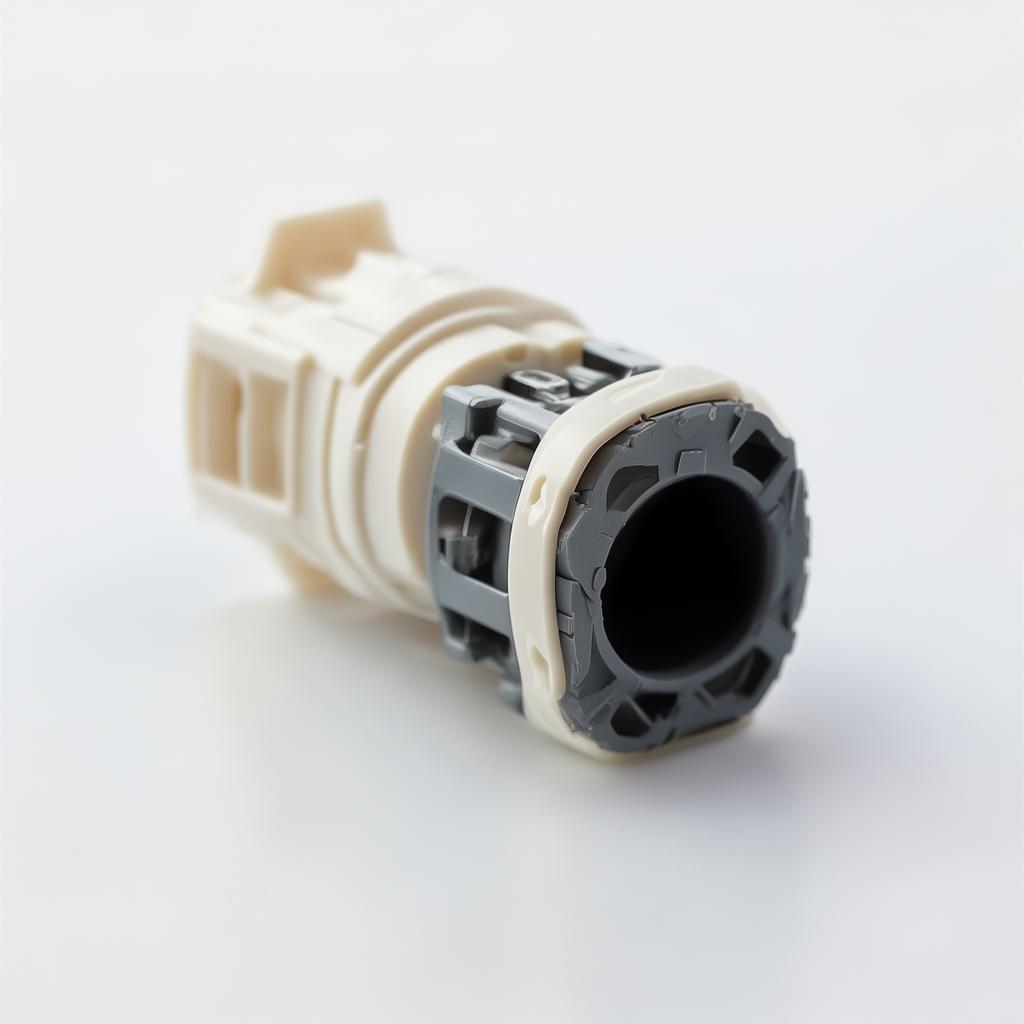
- Automotive & Industrial Components: Semi crystalline polymers (PP, PE, Nylon) dominate here, offering superior chemical resistance, fatigue strength, and temperature endurance. Typical parts include fuel system components, electrical connectors, and interior trims.
- Medical Devices & Food Packaging: Both categories have certified grades; selecting FDA-compliant polymers requires careful supplier verification. Amorphous polymers may be chosen for clear disposables whereas semi crystalline for durable sterilizable items.
- Packaging & Films: Semi crystalline polymers widely used for shrink films, bags, and flexible packaging benefiting from toughness and barrier properties.
Operational input: When mold complexity is high with thin walls or overmolding, amorphous polymers generally give fewer processing defects like voids or sink marks. Semi crystalline polymers often require longer cooling cycles and more careful moisture control pre-molding.
Procurement & Supplier Evaluation: Making Informed Decisions
Industry experience shows procurement missteps commonly stem from underestimating polymer complexity. Here’s practical advice based on over 20 years of export and manufacturing insights:
- Material Certification & Traceability: Always request certificates that confirm compliance with relevant international standards (e.g., ISO 9001, ASTM, FDA, REACH). For medical or food-grade applications, supplier should provide batch traceability documents.
- OEM/ODM Customization: Evaluate suppliers’ technical capabilities for tailored polymer grades or compound formulations. Guangdong Yingtai’s integrated industrial park and advanced molding systems demonstrate significant advantage in managing custom specs and reducing lead times.
- Production Capacity & Lead Time: High-volume projects benefit from suppliers with large machine fleets and optimized process control (multi-injection molding lines, modern dryers). Confirm typical lead times for key polymer grades, considering international logistics.
- Quality Control & Testing Equipment: Check if the manufacturer employs advanced testing instruments—DSC (Differential Scanning Calorimetry), rheometers, and dimensional gauges—to assure final part consistency.
- Shipping & Packaging: Semi crystalline polymer pellets are often hygroscopic; confirm suppliers use moisture-proof packaging and provide drying instructions. Discuss container loading strategies for volume discounts and damage prevention.
- Post-Molding Support: Suppliers that offer consultation during prototype iterations or molding parameter adjustments reduce time-to-market and costly reworks.
Note: Supplier transparency about material sourcing, process standardization, and export compliance fosters trust in long-term partnerships — essential for industrial and medical product commercialization.
Frequently Asked Questions
- Q1: Which polymer type is better for high-temperature applications?
- Generally, semi crystalline polymers withstand higher temperatures due to defined melting points and crystallinity, but specific grades should be verified for thermal resistance requirements.
- Q2: Are amorphous polymers more prone to environmental stress cracking?
- Yes, some amorphous polymers are more susceptible due to their random chain arrangement. Proper grade selection and testing help mitigate this risk.
- Q3: How significant are shrinkage differences during molding?
- Semi crystalline polymers typically have 3-5 times higher shrinkage than amorphous, affecting mold design and post-molding dimensional control.
- Q4: What are common mistakes in procurement?
- Ignoring supplier certification, under-specifying moisture control, and overlooking OEM customization capabilities frequently cause delays and quality issues.
- Q5: How to communicate effectively with manufacturers?
- Provide clear product applications, environmental conditions, regulatory requirements, and expected production volume to align expectations and receive optimal material recommendations.
Customer Reviews & Testimonials

Jessica Meyer, Procurement Manager, SmartWear Inc.
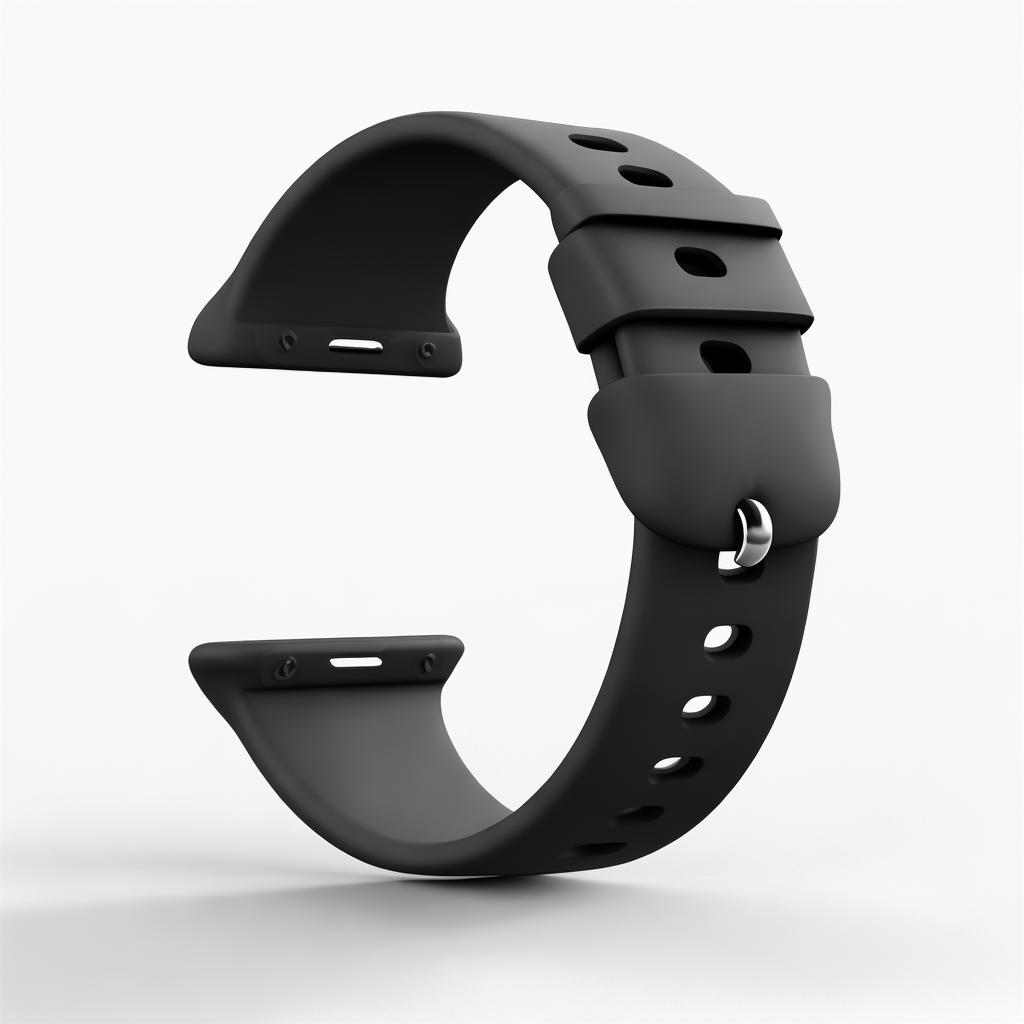
“Switching to Yingtai’s amorphous polymer solution for our wearable casings reduced cycle times by 12%. Their detailed material specs helped us avoid costly redesigns.”

David Lopez, Operations Director, AutoParts Global
“Their semi crystalline polymer grades met our automotive component specs perfectly. The factory’s quick turnaround on custom formulations impressed us.”

Katherine Nguyen, Technical Engineering Lead, MediEquip Co.
“We appreciated their in-depth consultation on material selection for FDA-compliant silicone seals. It saved us months in compliance verification.”
Get In Touch With Us
If your next project involves complex polymers, precise molding, or customized OEM requirements, our team is ready to help you navigate material selection and supply logistics efficiently.
- Phone: (Miss Zhang) +86 17722437688
- Fax: +86 0769-83666863
- Email: zmm@yingtai168.com
- Whatsapp: +86 17722437688
- Address: No. 359 Chang'an Bubugao Road, Chang'an Town, Dongguan City, Guangdong Province, China
- Visit Our Contact Page
Client Interactions & Support Examples