Navigating the Technical and Commercial Landscape of AMS 4928 Materials for High-Performance Aerospace & Industrial Applications The AMS 4928 specification stands as a critical industry benchmark for materials used extensively in aerospace and high-performance
Product Details
Comprehensive Guide to AMS 4928 Specification
Navigating the Technical and Commercial Landscape of AMS 4928 Materials for High-Performance Aerospace & Industrial Applications
What is AMS 4928? An In-Depth Introduction
The AMS 4928 specification stands as a critical industry benchmark for materials used extensively in aerospace and high-performance industrial sectors. Developed under the Aerospace Material Specifications (AMS) umbrella, AMS 4928 defines stringent requirements for a specific group of materials — predominantly heat-treatable, precipitation-hardened stainless steels, recognized for their excellent strength and corrosion resistance. Understanding this specification is vital for engineers, procurement directors, and quality managers aiming at reliable, consistent material performance in challenging environments.
Though the AMS standards cover diverse materials, AMS 4928 is particularly focused on stainless steels that undergo rigorous processing to achieve optimized mechanical properties and durability benchmarks. This specification ensures traceability, material uniformity, and conformity with performance expectations required for safety-critical aerospace components, precision industrial parts, and specialty OEM manufacturing projects.
For compliance, AMS 4928 mandates adherence to precise chemical composition ranges, heat treatment protocols, tensile strength minima, and surface finish criteria. Gaining familiarity with these can easily influence long-term procurement success and minimize material rejection rates. Industry practitioners emphasize that inconsistent sourcing or overlooked specification details frequently lead to costly delays or catastrophic component failure under stress.
For practical context, AMS 4928 materials typically find application in:
High-load aerospace structural elements
Precision engine and turbine components
Corrosion resistant industrial fasteners and fittings
Specialized pneumatic and hydraulic system parts
It should be noted that AMS 4928 aligns closely with certain ISO and SAE standards, offering international acceptance while enabling manufacturers to maintain seamless cross-border compliance. However, due diligence is necessary to confirm full equivalency depending on project-specific regulatory environments, especially regarding heat treatment parameters and certification documentation.
Based on operational experience at Guangdong Yingtai High Precision Technology Co., Ltd., strict material characterization — encompassing precise chemical assay and heat treatment records — leads to significantly lower field failure rates and smoother supply chain integration. Clients investing upfront in specification clarity generally benefit from better warranty outcomes and reduced scrap costs.
A 2024 report from Grand View Research highlights the growing demand for aerospace-quality stainless steels compliant with specs like AMS 4928, fueled by expanding commercial aircraft programs and upgrades to existing fleets requiring modern materials with verifiable traceability.
Industry Challenges AMS 4928 Addresses
Across aerospace and precision manufacturing fields, procurement managers face multiple headaches ensuring materials deliver on spec under operational stress:
Inconsistent mechanical performance: Variability in tensile strength and hardness due to non-standard heat treatments can compromise component safety.
Corrosion failures in critical environments: Exposure to salt spray, fuels, and hydraulic fluids demands steels with guaranteed resistance traits.
Traceability gaps: Missing or incomplete certifications make quality audits and root cause analyses difficult.
Manufacturing compatibility: Materials not optimized for CNC machining or heat treatment result in increased tooling wear and variable tolerances.
Global supply chain uncertainty: Sourcing from uncertified suppliers risks counterfeit or substandard batches entering production.
Manufacturers sourcing AMS 4928-grade alloys typically see fewer repair orders related to fatigue failures and better operational predictability. Yet, buyers must remain vigilant; per discussions published on industry forums such as Reddit's Injection Molding Group, misinterpretation of heat treatment schedules or supplier substitutions remain a recurring cause of rejected shipments.
Prudent procurement teams actively cross-check chemical analysis reports, certify heat treat ovens, and maintain frequent communication with manufacturing partners. This operational discipline aligns with advanced process controls increasingly emphasized in post-2023 aerospace manufacturing audits.
Technical Specifications at a Glance
Property
AMS 4928 Requirement
Typical Range
Chemical Composition (Fe Balance)
C: 0.03-0.07%, Cr: 15-17%, Ni: 4-6%, Mo: 2-3%
Strict elemental limits critical for corrosion resistance
Heat Treatment
Solution Annealing 1900-1950°F, Age Harden at 900-1100°F
Customized based on application tension requirements
Tensile Strength
Minimum 120 ksi (828 MPa)
Measured on normalized, hardened samples
Elongation %
Minimum 15%
Indicates ductility necessary for stress resistance
Surface Finish
Mill finish, optional polishing per engineering drawing
Note: Variations exist depending on manufacturer practices and order volume. Heat treatment processes may be adapted slightly to balance machinability and final strength. Before acceptance, mill test reports should always be reviewed against AMS 4928 limits.
Application Scenarios Where AMS 4928 Shines
Given its tailored mechanical strength and corrosion resistance, AMS 4928 materials are selected primarily for environments demanding exceptional reliability under cyclic loads and corrosive atmospheres. Here are typical use cases observed in Guangdong Yingtai’s aerospace and industrial customers:
Aerospace structural components: High-stress brackets, load-bearing connectors, and fasteners on aircraft airframes where weight-to-strength optimization is crucial.
Engineered hydraulic fittings: Corrosion-resistant valves, couplings, and seals for fuel or hydraulic systems exposed to frequent pressure variations.
Industrial precision shafts and pins: Components requiring surface hardness and wear resistance, commonly found in heavy machinery and robotic arms.
OEM manufacturing for aerospace maintenance: Replacement components where exact material specification compliance is mandated for certification audits.
Importantly, end-use contexts like saltwater exposure or elevated temperatures require that procurement teams validate the AMS 4928 heat treatment and finish certificates to ensure compliance. Many operators have reported improved component lifecycle and maintenance intervals when transitioning from generic stainless steels to properly certified AMS 4928 alloys.
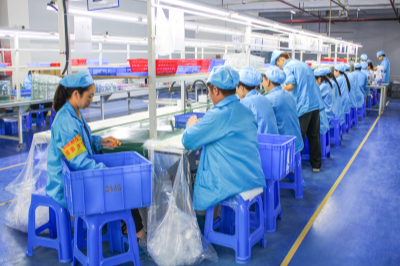
Production line at Guangdong Yingtai delivering AMS 4928 compliant aerospace parts
Practical takeaway: When ordering AMS 4928 material batches, anticipate slightly longer lead times than standard grades due to the specialized heat treatment cycle and quality checks required for full compliance.
Having overseen procurement projects involving AMS 4928 at Guangdong Yingtai and collaborated with international buyers, a few key lessons emerge:
Request comprehensive documentation: Always demand full Mill Test Reports (MTRs) and heat treatment logs before material acceptance.
Certifications matter: Prefer suppliers with NADCAP, ISO 9001, and aerospace-specific certifications; Guangdong Yingtai is proudly certified across these standards.
Check vendor experience: Suppliers with track records supplying AMS-spec materials to aerospace OEMs typically provide more reliable quality control.
Communicate detailed specs: Confirm heat treatment ranges, tensile strength, elongation targets, and finish with suppliers upfront — avoid vague orders.
Evaluate lead times realistically: Specialized heat treatment can extend production by 5-10 days beyond standard stainless steel orders.
Consider on-site inspection: Factory audits or third-party inspections are fruitful for high-value or safety-critical batches.
Logistics Insight: Due to the premium nature of AMS 4928 materials, logistics chains often include specialized packaging and metal-grade identification at packaging level. This preserves traceability during container loading and customs clearance. Guangdong Yingtai implements end-to-end IQC checks and customized labeling to prevent mix-ups in bulk shipments.
Need tailored quotations or detailed specification sheets for your AMS 4928 steel order? Contact our export director today to discuss factory pricing and lead times.
Frequently Asked Questions (FAQ) About AMS 4928
1. How does AMS 4928 differ from other stainless steel AMS specifications?
AMS 4928 is focused on precipitation strengthened stainless steels with defined heat treatment schedules optimized for aerospace tensile/elongation requirements, unlike general grades such as AMS 5511 which may prioritize corrosion resistance over mechanical strength.
2. What is the expected lead time for AMS 4928 compliant orders?
Typical turnaround ranges from 3-5 weeks depending on batch size, heat treatment workload, and certification documentation needs. Complex projects may require additional schedules for testing.
3. Are there any special handling or storage requirements?
While AMS 4928 stainless steel offers inherent corrosion resistance, storing in climate-controlled environments and avoiding mechanical surface damage ensures optimal preservation before machining.
4. Can AMS 4928 steels be welded?
Welding is possible but must follow manufacturer recommendations due to precipitation-hardening alloy behavior—post-weld heat treatment might be necessary to maintain properties.
5. Is AMS 4928 suitable for OEM custom manufacturing?
Absolutely. Guangdong Yingtai offers OEM and ODM services incorporating AMS 4928 metallurgy with overmolding, machining, and highly precise finishing to customer design and tolerances.
Customer Reviews & Procurement Experiences
Lisa Johnson, Procurement Manager – Aerospace MRO | Seattle, WA
"Switching to AMS 4928 steel sourced from Guangdong Yingtai has improved our component consistency dramatically. We appreciate their transparent certification and willingness to provide heat treatment reports, which makes our audit process seamless."
Get in Touch
If you have any camping barbeque equipment inquiry, please feel free to contact us.