Navigating Material and Manufacturing Challenges in Silicone Component Production
For procurement directors and operations managers in demanding sectors such as automotive, medical devices, and consumer electronics, sourcing consistent liquid silicone rubber (LSR) products is more than looking at specs — it’s about understanding the subtleties of manufacturing workflows and end-use reliability. AMS 5664 718 presents a carefully engineered LSR compound optimized to address common operational challenges faced by OEMs and international distributors.
Traditional silicone components often grapple with process instability — including bubble entrapment, inconsistent curing, and tooling wear — which directly impact product durability and cycle times. These factors can delay production runs and inflate costs, creating headaches in supply chains already stretched thin.
A typical procurement mistake involves overlooking the importance of material characterization quality and insufficient verification of molding simulation data. Papers like the MDPI study on material characterization techniques underline that poor input datasets for injection mold filling prediction can lead to rework and tooling damage.
Plus, regional logistics constraints—especially for plants sourcing from Asia-Pacific hubs like Dongguan—mean that understanding maximum container load, packaging standards, and lead times can make or break project timelines. Planning for smoke testing, mold trial runs, and installation assistance reduces risk and protects forecast margins.
Bottom line: Selecting the right LSR supplier with proven industrial experience paired with thorough technical support is crucial for maintaining supply chain resilience and ensuring product excellence.
Deep Technical Insights into AMS 5664 718 Liquid Silicone Rubber
AMS 5664 718 is formulated as a platinum-cured liquid silicone rubber, designed to meet stringent industrial demands for high heat resistance, chemical inertness, and flexible mechanical properties. Our manufacturing process integrates advanced liquid injection molding (LIM) techniques, supported by precision molds crafted on-site at Guangdong Yingtai’s Dongguan facility.
This compound is particularly favored in applications requiring tight dimensional tolerances and biocompatibility—like smart wearables and medical seals. The material exhibits:
- Operating temperature range: -60°C to +220°C continuous exposure
- Tensile strength exceeding 8 MPa with elongation greater than 400%
- Excellent UV and ozone resistance, suitable for extended outdoor use
- Low compression set—critical for sealing and gasketing performance
Production is supported by a fully integrated in-house tooling development team leveraging both aluminum and stainless steel molds to optimize cycle times and extend mold life. Production engineers routinely apply CAE simulation feedback based on rheological insights from studies such as the ScienceDirect rheological analysis to ensure injection pressures match the real-world material behavior.
Moreover, employing vacuum-assisted molding and electrical discharge machining (EDM) technology for mold inserts minimizes flash defects and enhances surface finish—pivotal for consumer electronics applications such as mobile device seals.
Where AMS 5664 718 Makes the Difference: Real-World Applications
The versatile nature of AMS 5664 718’s LSR compound enables it to thrive in diverse sectors:
- New Energy Vehicles: High-performance seals and gaskets capable of enduring under-hood thermal stress and chemical exposure.
- Consumer Electronics: Overmolded waterproof seals and flexible connectors for durability in wearable devices and smart home appliances.
- Medical Devices: Biocompatible, cleanroom-grade injection molded parts for minimally invasive tools and protective silicone covers.
- Industrial Electronics: Shock-absorbing bumpers and anti-slip silicone pads designed for rugged equipment protection.
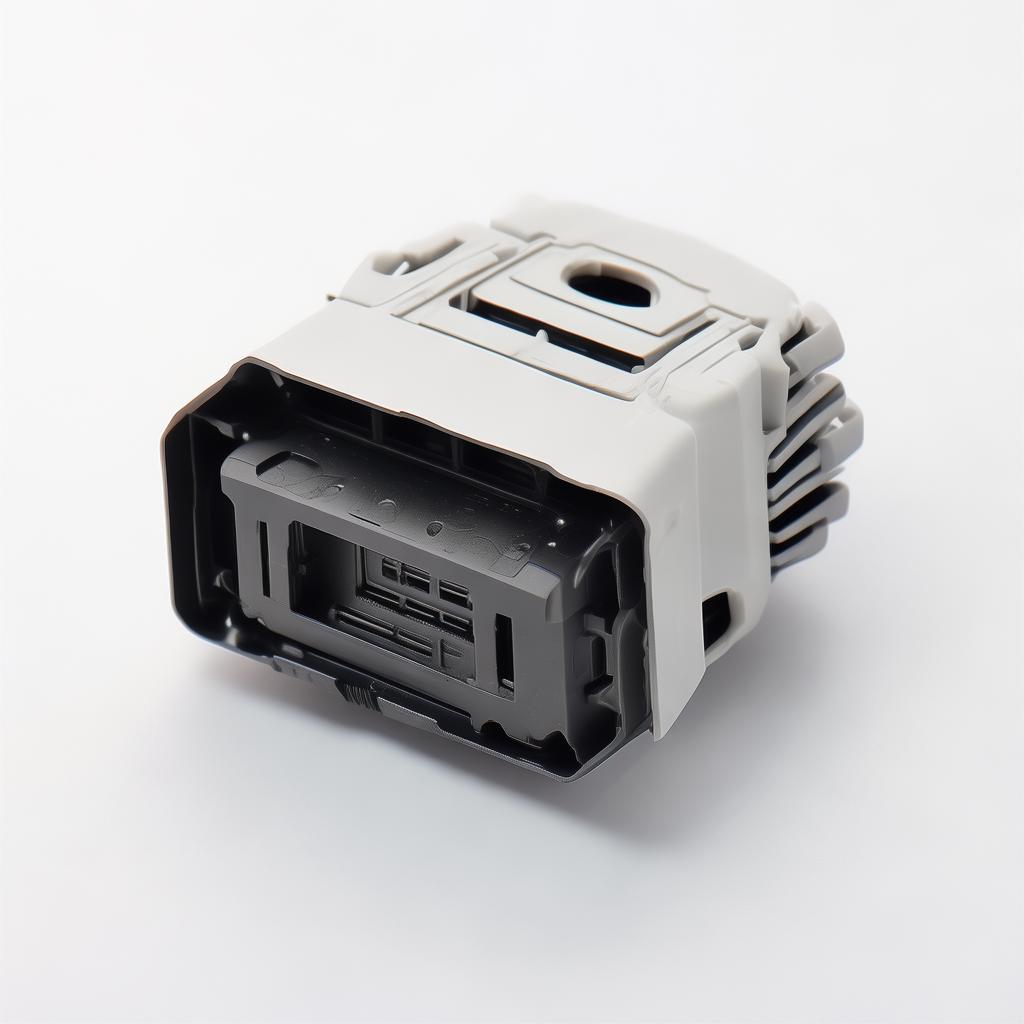
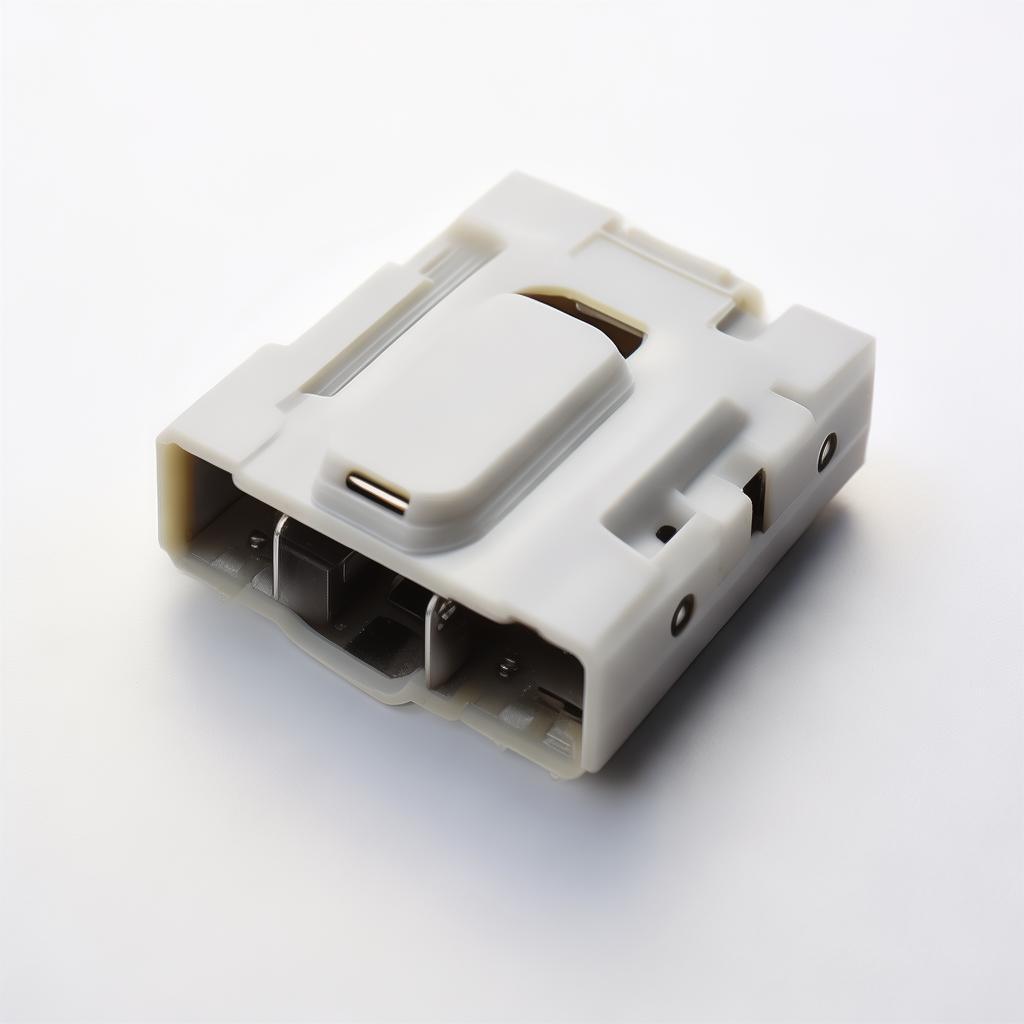
OEMs requiring bespoke solutions will appreciate that Guangdong Yingtai specializes in full turnkey manufacturing, from mold development to multi-shot overmolding, allowing functional integration of silicone with rigid substrates such as ABS or polycarbonate. This hybrid molding technique optimizes assembly efficiency and enhances final product ergonomics.
Note: Proper early-stage collaboration with engineering teams yields material optimization around required Shore A hardness and curing profiles—critical to minimizing downstream modifications.
Strategic Tips for Sourcing AMS 5664 718 & Evaluating Suppliers
From a procurement viewpoint, saving time and mitigating supply risks means avoiding common pitfalls:
- Assess Factory Capabilities: Confirm the supplier owns advanced molding machinery and tooling expertise, ideally with ISO 9001 or ISO 13485 certifications endorsing quality control.
- Request Detailed QC Records: Look for comprehensive batch testing data covering tensile properties, curing consistency, and material purity.
- Verify OEM/ODM Flexibility: Transparent communication channels and customization options can accelerate your product development cycles.
- Plan Packaging & Shipping Logistics: Discuss container stuffing optimization to lower shipping costs and ensure protective packaging for delicate silicone parts.
- Insist on Clear Lead Times: Liquid silicone injection molding typically involves mold trials and iterations; realistic timelines avoid production shocks.
Practical recommendations can be corroborated by discussions in forums like Reddit Injection Molding Industry Community, where procurement advisors reveal lessons learned in balancing cost with quality.
Advanced tip: Ask for digital samples and CAD-supported molding cycle simulations to verify part accuracy before committing capital.
Technical Specification Snapshot: AMS 5664 718
| Property |
Value |
Test Standard |
| Appearance |
Transparent / Translucent |
Visual Inspection |
| Tensile Strength |
≥ 8.5 MPa |
ASTM D412 |
| Elongation at Break |
≥ 430% |
ASTM D412 |
| Hardness (Shore A) |
40 ± 5 |
ASTM D2240 |
| Operating Temp. Range |
-60°C to +220°C |
Internal Test |
| Compression Set (22h @ 175°C) |
≤ 25% |
ASTM D395 |
| Chemical Resistance |
Excellent against oils, solvents, and dilute acids |
Internal Test & Industry Reference |
ams6260 ams6931 ams6417
* Specifications reflect standard production batches; custom formulations available subject to MOQ.
Logistics, Installation, and Maintenance Insights
Planning seamless integration for AMS 5664 718 components requires foresight on multiple logistics and operational fronts:
- Packaging: Products are vacuum-sealed and packed in anti-static, moisture-barrier bags to guard against contamination during transit.
- Container Load Optimization: Efficient pallet stacking and custom carton sizing allow maximizing freight volume, crucial for bulk importers.
- Installation Notes: Silicone components molded with AMS 5664 718 should be handled with clean gloves; surface prepping for adhesive applications must align with manufacturer's technical bulletins.
- Maintenance: Periodic inspection for cuts, abrasions, or brittleness is advised, especially in harsh environments. Silicone’s inherent UV and chemical resistance lowers routine wear concerns compared to alternatives.
Export teams often recommend requesting an installation checklist along with samples prior to initial large orders to reduce commissioning errors.
Remember: Early collaboration with your technical engineer saves time and eases troubleshooting downstream.
Frequently Asked Questions
- What industries most commonly use AMS 5664 718 LSR?
-
It is widely used in automotive (seals/gaskets), medical devices (biocompatible parts), consumer electronics (sealing & soft-touch components), and industrial electronic housings.
- Can AMS 5664 718 be used in multi-shot injection molding?
-
Yes, the compound shows excellent adhesion with rigid polymers such as ABS or PC when processed through specialized LIM multi-shot methods.
- What is the typical lead time for bulk orders?
-
Depending on mold availability and order size, the lead time ranges from 4 to 8 weeks, including mold trial and validation phases.
- Are custom colors or hardness levels available?
-
Custom coloration and modification of hardness within Shore A 30-60 ranges can be accommodated based on volume and tooling parameters.
- Is AMS 5664 718 compliant with FDA for food contact?
-
The base material meets FDA guidelines on request for specific grades, subject to testing and certification processes.
Verified Client Feedback

Michael T., Procurement Manager, California
“AMS 5664 718's consistency and material stability have cut our late-stage tooling revisions substantially. The Dongguan factory's collaborative approach made OEM customizations straightforward. Shipping was tracked precisely, and product arrived intact every time.”