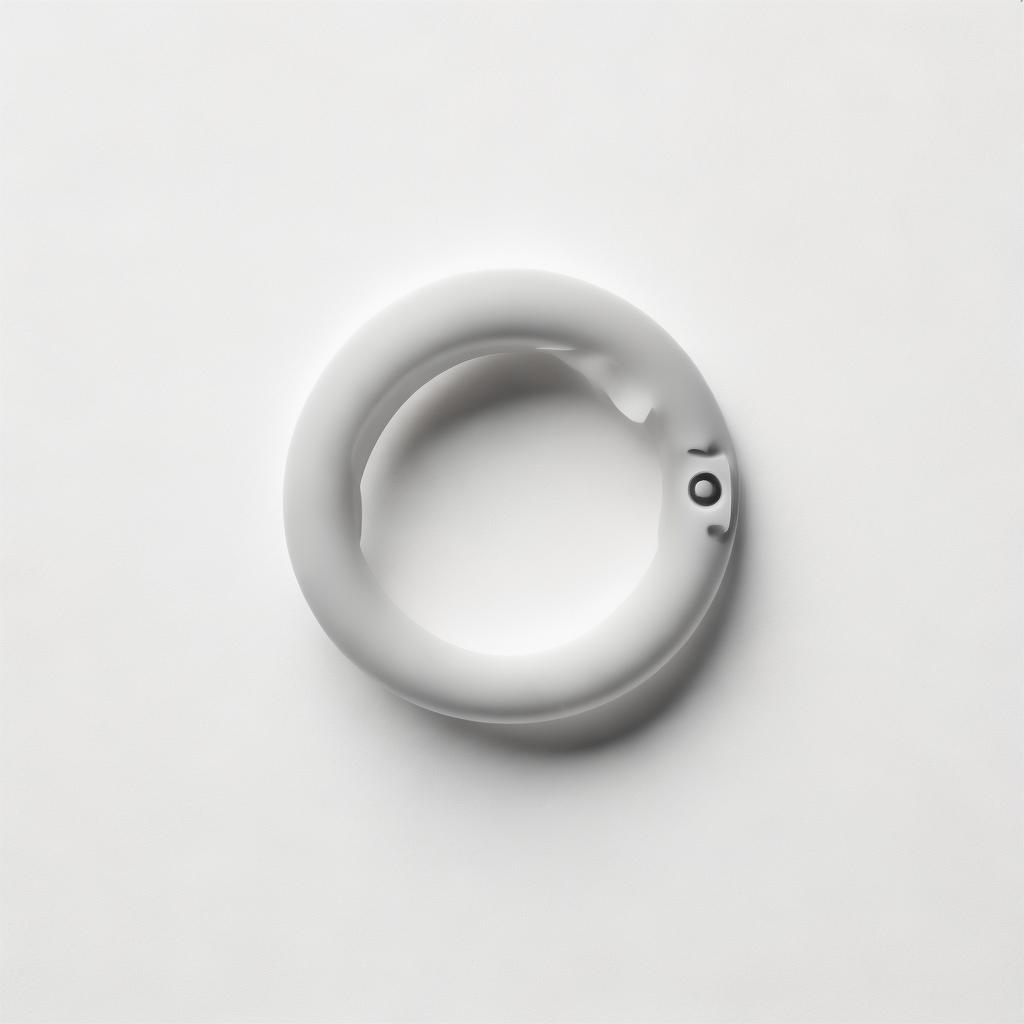
Advanced liquid silicone rubber injection molding by Guangdong Yingtai High Precision Technology Co., Ltd. Trusted by technical engineers, procurement specialists, and OEMs across medical, automotive, and electronics industries. The AMS6931 liquid silicone rubber (LSR)
Advanced liquid silicone rubber injection molding by Guangdong Yingtai High Precision Technology Co., Ltd.
Trusted by technical engineers, procurement specialists, and OEMs across medical, automotive, and electronics industries.
Comprehensive Introduction to AMS6931
The AMS6931 liquid silicone rubber (LSR) grade is engineered for precision injection molding applications demanding excellent thermal stability, biocompatibility, and robust mechanical properties. Over the past two decades, Guangdong Yingtai High Precision Technology Co., Ltd. has refined its manufacturing techniques—rooted in Changan Town, Dongguan—to become a leading supplier of high-grade LSR components tailored for international clients. The AMS6931 formulation exemplifies this depth of experience, delivering consistent performance across diverse industrial sectors including new energy vehicles, consumer electronics, and medical devices.
Precision matters. We've observed that procurement managers and technical engineers alike face significant challenges when sourcing LSR materials with consistent viscosity and compression set properties. Inadequate material performance or supplier inconsistencies often translate into increased downtime, defective parts, or costly recalls. AMS6931 minimizes these risks through a carefully controlled production process, backed by rigorous quality assurance practices aligned to ISO 9001:2015 standards and industry certifications such as CE and RoHS.
The inherent versatility of AMS6931 stems from its exceptional resistance to temperature cycling—from -60°C to 230°C—and its high UV resistance, making it apt for both indoor and outdoor application environments demanding long lifecycle and stringent sealing performance. Our unique injection molding process, combined with advanced rheological data integration as outlined in MDPI studies [1], ensures optimal mold filling and dimensional accuracy.
Logistically, we understand the pressures of global supply chains. Our factory spans over 35,000 square meters and integrates over 55 liquid silicone molding machines, allowing flexible order sizes and scalable lead times. Typical delivery windows range between 20 to 35 days depending on complexity and quantity, with well-optimized container loading that reduces freight costs without compromising product safety. Procurement specialists benefit from transparent communication channels including dedicated Whatsapp support and proactive supply forecasting.
AMS6931 is not merely a material; it is a comprehensive solution forged from our factory’s hybrid expertise in injection molding, multi-component overmolding, and custom tooling design. This positions us to meet increasingly sophisticated OEM/ODM requirements for wearable devices, automotive seals, and industrial electronics that demand tight tolerances and high functional reliability.
*Note: Selection of AMS6931 should consider specific molding parameters and application conditions; our technical advisors are available for pre-production consultations to minimize prototyping risks.*
Industry Challenges & Procurement Risks
In the current silicone rubber landscape, buyers often grapple with multiple operational and technical challenges:
Inconsistent material quality due to unreliable suppliers or substandard raw ingredients.
Extended lead times stemming from inadequate production capacity or poor logistic planning.
Tooling costs and mold maintenance overheads, which significantly impact unit economics for small to medium volumes.
Technical compatibility issues between LSR grades and adhesive or substrate materials affecting final assembly.
Defect rates caused by improper process parameters leading to flash, warpage, or air inclusions—as noted in Fraunhofer studies on injection optimization [4].
Regulatory compliance risk particularly for medical and food-contact applications demanding strict adherence to FDA and USP Class VI standards.
Overlooking these factors can result in costly remediation and delayed market entry. As someone who has closely advised procurement teams, the first step to risk mitigation is supplier validation combined with an in-depth material and process assessment.
Technical Deep Dive & Material Comparison
AMS6931 stands out with its balanced physical and chemical profile engineered for demanding silicone injection molding processes:
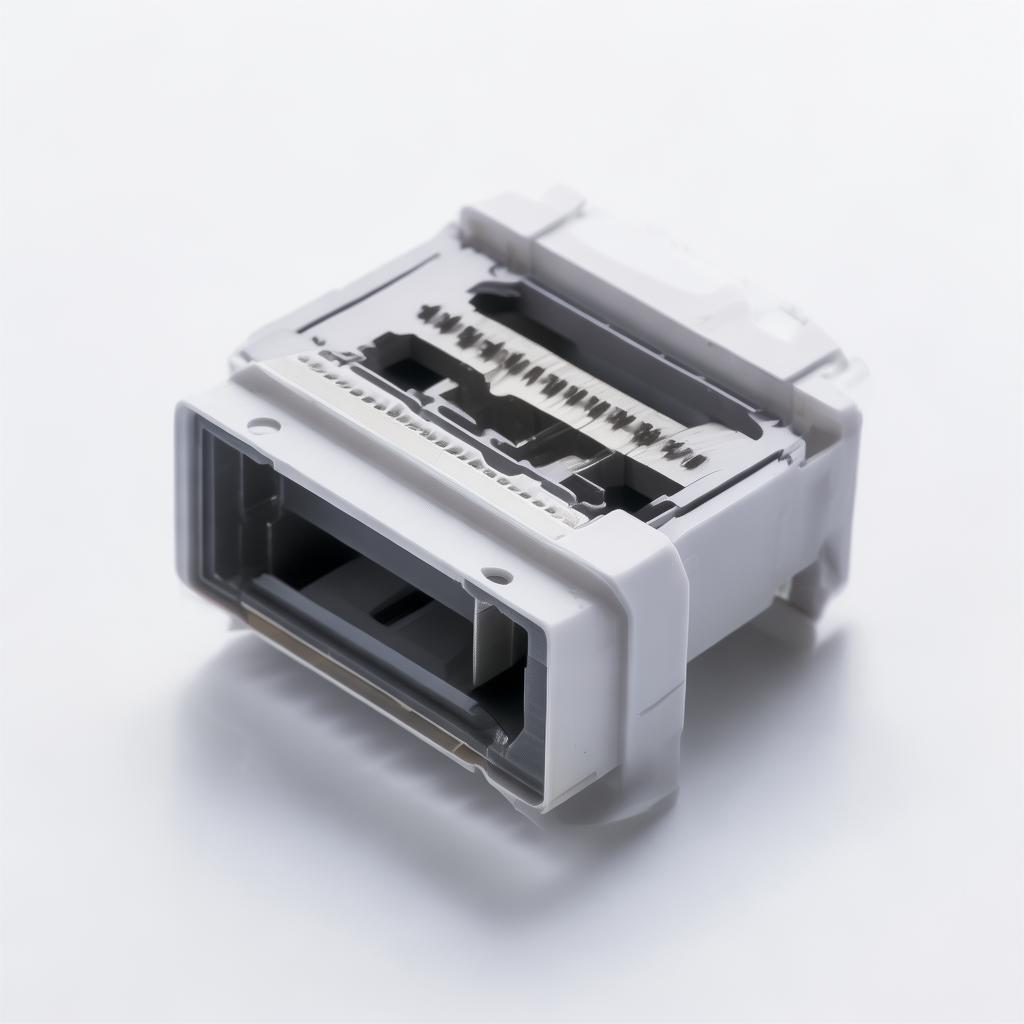
Leveraging state-of-the-art liquid injection molding technology and precision tooling, AMS6931's consistency supports complex parts featuring ultra-fine geometries with minimal flash and enhanced repeatability—critical in medical micro molding and automotive sealing applications. This echoes market insights reported by Grandview Research and others, pointing to the growing demand for high-performance LSR molded components with elevated biocompatibility and thermal endurance [GVR].
Comparative to standard rubber molding materials such as EPDM or nitrile, AMS6931 offers superior UV, ozone resistance, and chemical aging stability. These advantages extend equipment service intervals by offering maintenance windows beyond usual rates.
Practical insight: Proper mold design—including venting and insert cooling—remains vital to exploit the full capability of AMS6931. Avoid shortcuts in mold maintenance; otherwise, imperfections such as air bubbles or incomplete fill will emerge, increasing rejection rates.
Application Scenarios & Installation Insights
AMS6931 finds versatile use across critical industrial domains:
Automotive industry: High-performance sealing gaskets and EV component insulation that withstand temperature extremes and aggressive chemicals.
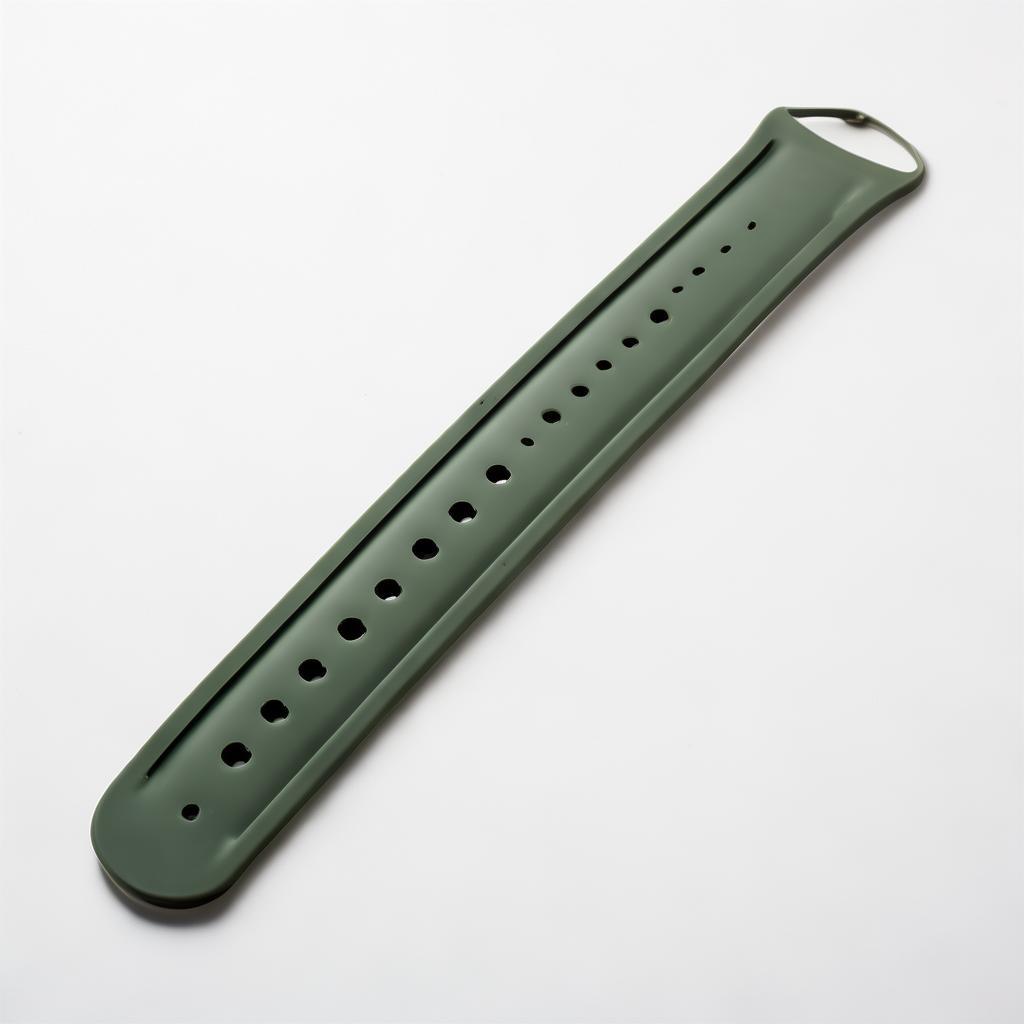
Consumer electronics: Waterproof and dustproof seals for smart wearables and communication equipment ensuring long-lasting protection.
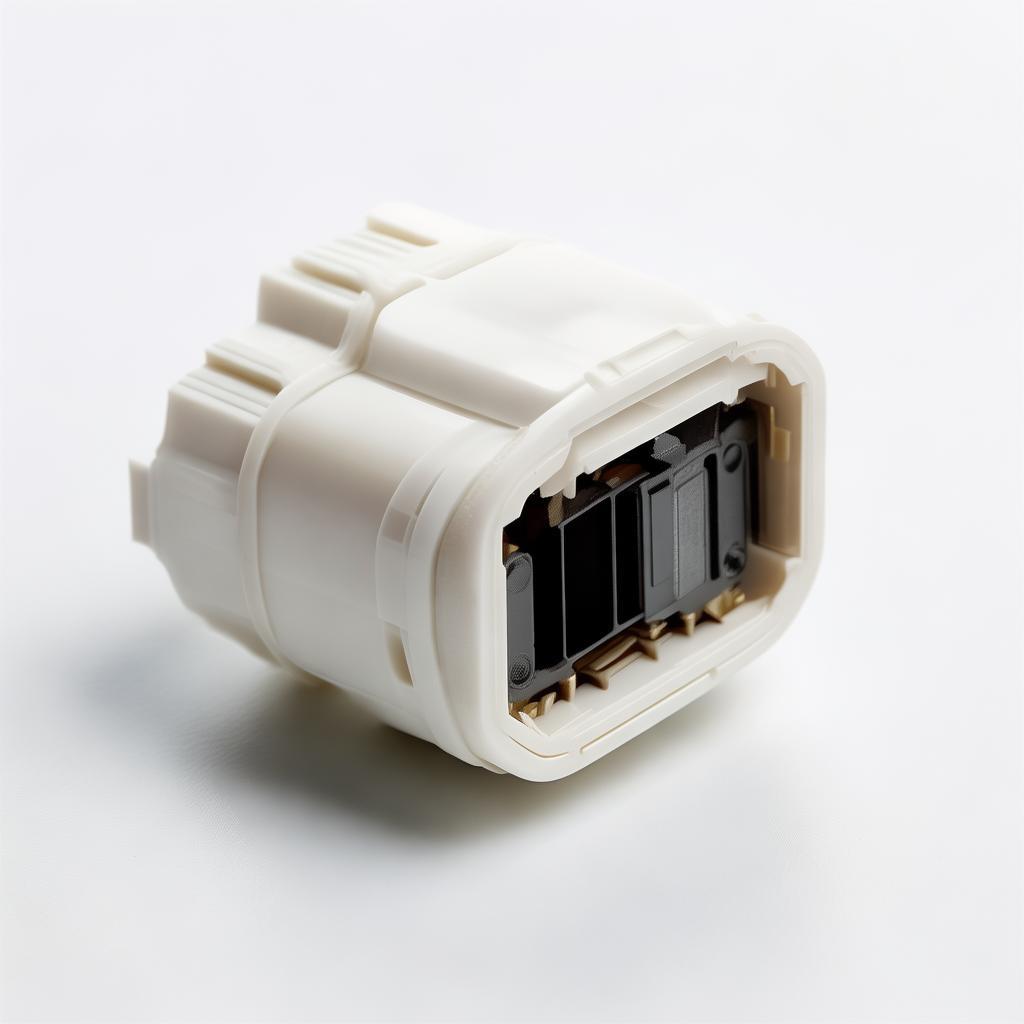
Medical devices: Biocompatible parts, including valve membranes and tubing connectors, that meet stringent regulatory frameworks.
Household appliances: Durable flexible joints and dampers that resist fatigue under repeated motion and temperature cycling.
New energy vehicles: Electrical insulation and vibration dampening components conforming to automotive industry quality and safety standards.
Installation demands proper handling of silicone parts considering their elasticity and low compression set. Employing precise fixture tooling and avoiding excessive over-compression preserves seal integrity and extends part life.
Tip: Pre-assembly cleaning and surface treatments can improve assembly ease and reduce installation rework rates, especially in multi-component overmolding contexts.
It’s worth mentioning the criticality of coordination between design engineers and procurement when selecting AMS6931. Early optimization on part geometry and molding process reduces injection cycle time and raw material waste, aligning manufacturer capabilities with buyer expectations.
Factory Strength & Certifications
Our Dongguan-based facility boasts:
55 liquid silicone molding machines, supporting batch processing from prototype through large-scale orders
80 automatic plastic injection molding machines, allowing multi-material production with tight tolerances
20 solid silicone hydraulic presses, tailored for high-volume compression molding
Advanced testing labs with over 20 devices for rheology, tensile strength, compression set, chemical resistance, and thermal ageing
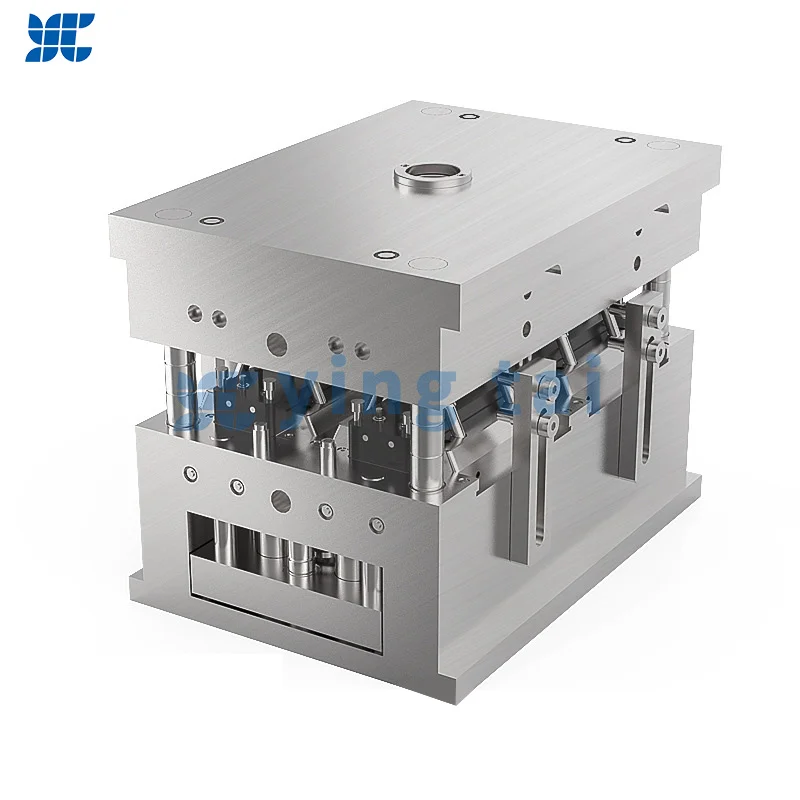
In-house mold making department using precision CNC and EDM equipment, expediting tooling lead time
We hold these certifications ensuring compliance and authoritative quality:
This comprehensive vertical integration—from mold design through finished goods inspection—translates to reduced lead times, improved product consistency, and better price competitiveness. Our robust export management system handles all customs clearance documentation and logistics planning to USA and other global markets, optimizing container utilization and minimizing delays.
Procurement Guidance & Supplier Evaluation
Selecting a supplier for AMS6931 involves more than cost comparison. We recommend procurement teams assess the following criteria:
Production capability: Confirm availability of LSR mold presses and expertise with similar product types and volumes.
Material traceability: Ask for batch-level chemical and physical data sheets ensuring raw material consistency.
Process controls: Evaluate quality assurance mechanisms including mold maintenance schedules and defect tracking.
Regulatory compliance: Verify certifications relevant to your application, including medical-grade or food-contact standards.
Lead time transparency: Engage proactively on shipment timelines factoring tooling, production, and freight.
Technical support: Check availability of engineering consultation for mold design assistance, injection parameter optimization, and post-sale service.
OEM/ODM flexibility: Suppliers with versatile manufacturing systems can adapt product designs or integrate specific add-ons per order.
Procurement Insight: Start your RFP with a request for free samples and technical datasheets. Pilot orders help detect process or product fit issues early before scaling volume.
At Yingtai, we welcome dialogue with supply chain leaders and technical evaluators. Our transparency around production metrics and logistics planning helps partners optimize costs and delivery predictability.
Frequently Asked Questions
Q1: What is the typical lead time for AMS6931 production?
Standard orders typically require 20 to 35 days depending on tooling readiness and order quantity. Proactive material planning and mold adjustments can expedite timelines for repeat orders.
Q2: How does AMS6931 perform compared to other LSR grades?
AMS6931 balances mid-range hardness with excellent tensile strength and compression set resistance, ideal for sealing and flexible components in automotive and medical fields. Compared to standard grades, it offers superior thermal stability and longer aging life.
Q3: Can AMS6931 be overmolded with thermoplastics?
Yes. We specialize in multi-shot injection molding processes combining AMS6931 with materials like ABS and PC. Proper surface treatment ensures robust bonding as described in recent MDPI research [6].
Q4: What certifications do you offer for AMS6931 products?
Our production complies with ISO 9001:2015, CE, RoHS, and FDA regulations as applicable. Specific documentation can be provided on demand for medical or food-grade projects.
Q5: What packaging and shipping arrangements are typical?
Finished AMS6931 components are packed in anti-static, moisture-resistant packaging, then shipped in optimized containers to minimize damage and freight cost. Air and sea freight options available with full tracking support.
Customer Testimonials
John Simmons, Procurement Manager - Austin, TX
"Switching to AMS6931 for our automotive seals reduced rejects on assembly line substantially. The Yingtai team’s technical advice helped optimize molding parameters, enabling faster cycle times and more consistent dimensional tolerances."
Get in Touch
If you have any camping barbeque equipment inquiry, please feel free to contact us.






 John Simmons, Procurement Manager - Austin, TX