An Engineer's Guide to Low Volume Injection Molding
Practical insights from industry experts on optimizing low volume production with injection molding technologies.
Introduction & Market Context
Low volume injection molding is carving out a critical niche in contemporary manufacturing — especially for industries requiring both precision and cost control across smaller production runs. For engineers and procurement stakeholders, understanding the nuanced technical and commercial contours of low volume injection molding can mean the difference between optimal ROI and costly delays.
This manufacturing approach typically targets batch sizes from a few hundred to several thousand parts — far beneath traditional mass production levels but above prototype quantities. Its rising relevance across sectors emerges from agile product development, customization demand, and supply chain shifts toward flexible, just-in-time delivery models.
Of particular note, the global market for liquid silicone rubber (LSR) and plastic injection molding has experienced sustained compound annual growth rates hovering between approximately 6-9% according to respected industry reports such as Grand View Research and Market.US.
That growth strongly reflects market needs for precision molded parts with biocompatible materials, heat resistance, and complex geometries, especially in medical devices, automotive components, and consumer electronics. However, these precision attributes come bundled with specific operational requirements that demand detailed engineering oversight for cost-effective low volume runs.
Importantly, low volume injection molding isn’t a straightforward scale-down of mass production: it requires deliberate tooling strategies, material selection insight, and process flexibility. The elevated tooling costs relative to part quantities must be balanced against shorter product life cycles and potential redesigns — a frequent scenario as industries innovate.
For example, when selecting liquid silicone rubber for low volume manufacturing, factors like curing kinetics, flow viscosity, and molding simulation accuracy (as demonstrated in the recent MDPI study on material characterization) profoundly influence cycle times and dimensional tolerances — the backbone of quality in tight batches.
Given this backdrop, this guide unpacks key operational insights and pitfalls from experts working in Dongguan’s Guangdong Yingtai High Precision Technology Co., Ltd., a benchmark OEM in the field that has developed an integrated, intellectual manufacturing system handling everything from mold development to finished precision parts across diverse industries.
Our goal: Provide engineers, procurement directors, and production managers with a clear-eyed perspective on executing low volume injection molding projects — from technical prerequisites through supplier evaluation and risk mitigation — ultimately enabling smarter commercial decisions and smoother manufacturing cycles.
Common Industry Pain Points
Manufacturers operating in the low volume injection molding space regularly face a set of core challenges that, if unacknowledged, undermine production targets and profitability. Some recurring pain points include:
- High tooling cost relative to batch size: Traditional steel injection molds easily run tens of thousands of dollars, which significantly skews unit costs for small runs.
- Complex mold design requirements: Low volume often means specialized geometries or multi-material overmolding, demanding tighter mold engineering tolerances that drive up initial costs and lead times.
- Material compatibility and process optimization: Selecting the right injection molding compound—whether LSR, polypropylene, ABS, or composite blends—requires thorough understanding of thermal expansion, shrinkage rates, and curing behavior.
- Cycle time variability: Unlike large-scale runs with optimized flow paths and stable process parameters, smaller batches can suffer from inconsistent cooling and injection cycles, spawning dimensional variations or defects.
- Post-molding finishing and quality assurance burdens: Low volume parts sometimes face manual trimming or secondary operations that amplify labor costs and introduce human error.
- Scaling risks: Transitioning from prototype or pilot batch to full production often triggers unforeseen molding issues that require costly redesigns or remolds.
Addressing these headaches calls for a multidimensional approach combining thoughtful engineering, robust supplier communication, and realistic production planning.
Technical Overview of Low Volume Injection Molding
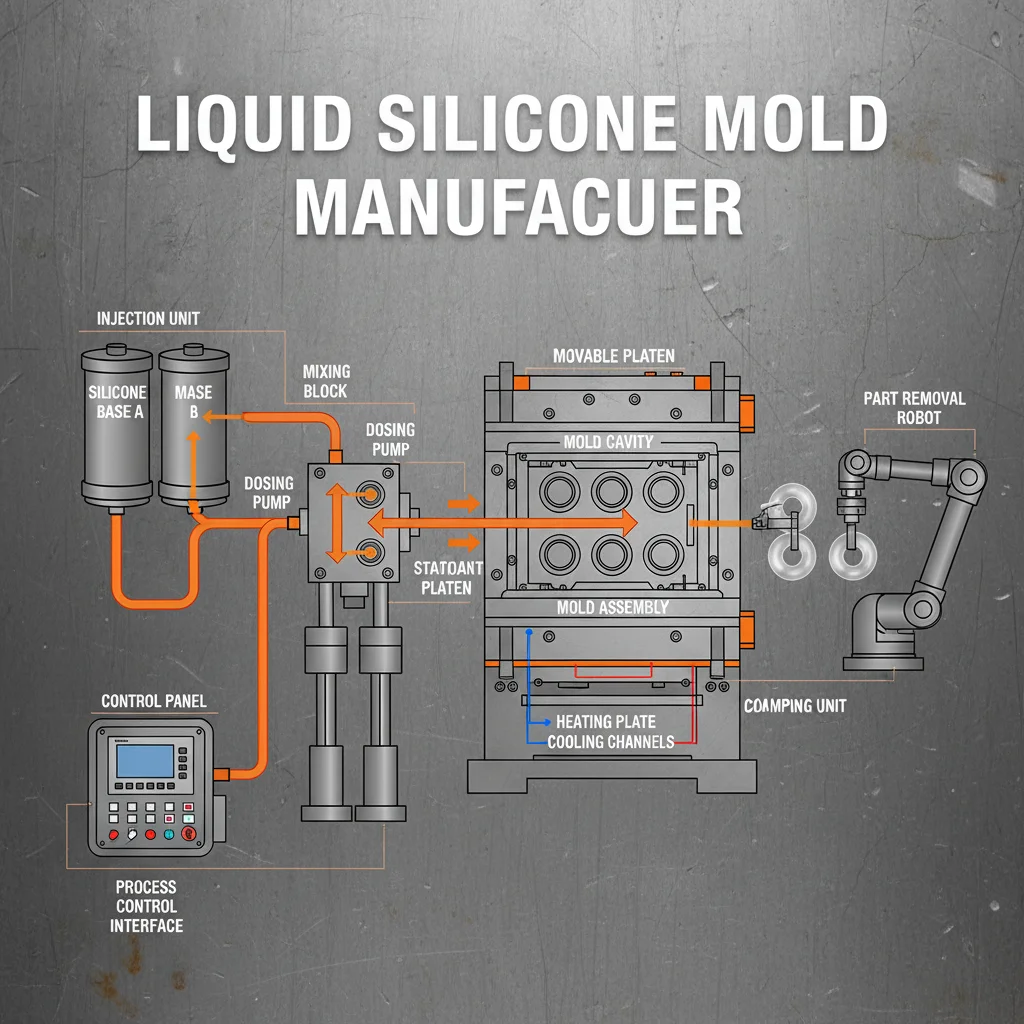
At its core, injection molding is a process for fabricating parts by injecting molten material into precise cavities. Yet, the "low volume" qualifier signals specialized production mechanics that differ appreciably from high-volume manufacturing:
Tooling Technologies
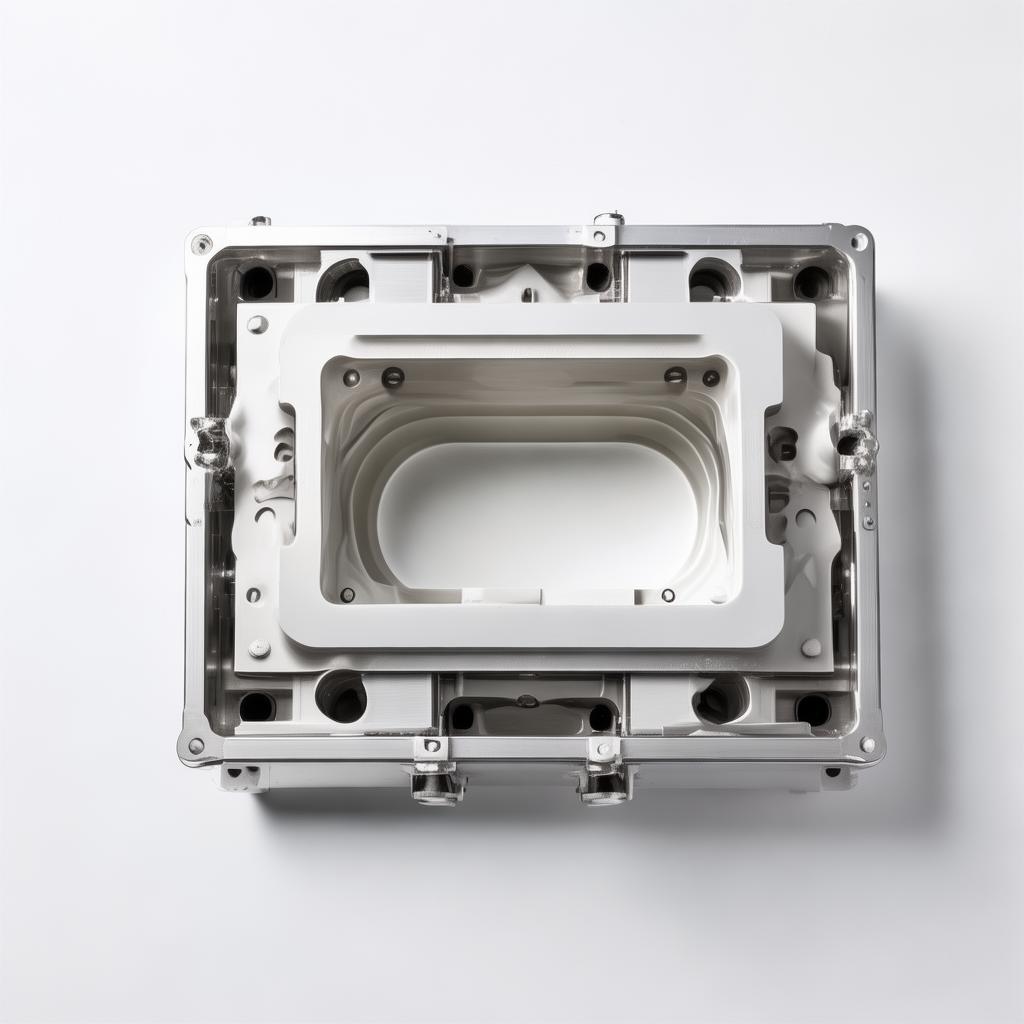
The conventional approach relies on hardened steel molds engineered for longevity during high volume runs. Low volume projects frequently leverage alternate tooling strategies such as:
- Aluminum tooling: Faster and less expensive to machine but with limited lifecycle, ideal for runs below 10,000 parts.
- Rapid tooling or hybrid steel-aluminum molds: Combining core steel elements with aluminum inserts to balance cost and durability.
- 3D printed mold inserts: Increasingly used as stopgap solutions for intricate shapes or test batches (see papers like Nature Scientific Reports on PDMS microfluidics).
Process Parameters and Simulation
Process control plays a pivotal role in producing quality parts below large-volume economies of scale. Key factors include:
- Injection pressure and speed: Needs adjustment to optimize flow without generating defects like flash or sink marks.
- Thermal profiles: Precise mold temperature regulation avoids premature curing or incomplete filling, especially important for sensitive elastomers like liquid silicone rubber (LSR).
- Material rheology: Thorough viscosity and cure kinetics characterization is critical, with studies such as MDPI's research demonstrating how simulation accuracy depends highly on dataset quality.
Materials Commonly Used
Although plastic injection molding broadly encompasses a variety of polymers, low volume runs gravitate towards specialized materials based on application:
| Material | Typical Use | Key Properties | Suitability for Low Volume |
|---|---|---|---|
| Liquid Silicone Rubber (LSR) | Medical devices, automotive seals, consumer electronics | Biocompatible, UV & heat resistant, flexible, tight tolerance | Ideal for detailed, durable parts; tooling costly but justified based on performance |
| ABS (Acrylonitrile Butadiene Styrene) | Consumer products, housings, overmold components | High impact resistance, good surface finish, easy to process | Common in multi-shot molds paired with elastomers; cost-effective for small runs |
| Polypropylene (PP) | Packaging, automotive parts, industrial components | Excellent chemical resistance, low density, processing ease | Suitable for low volume with modular tooling; mold wear is manageable |
low volume injection molding companies high volume injection molding small scale injection molding
Multi-Shot and Overmolding Techniques
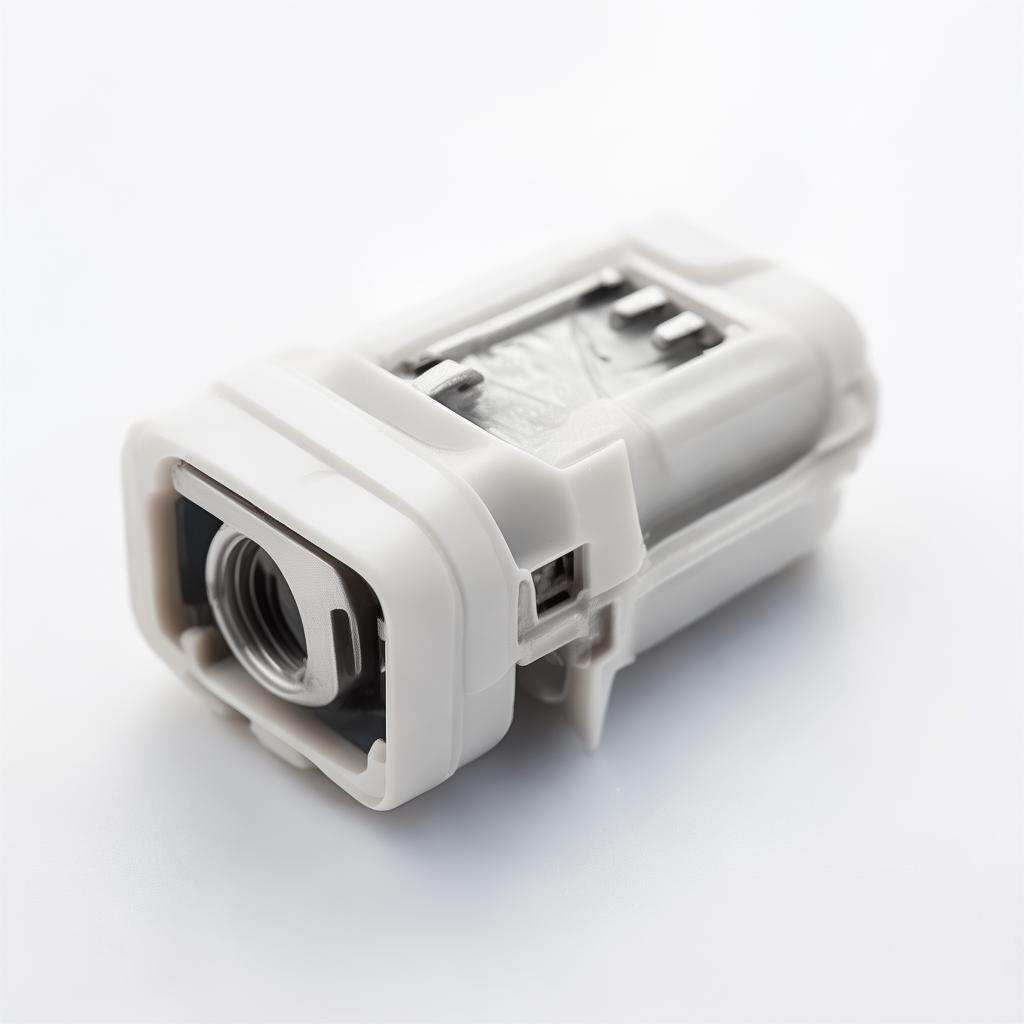
Incorporating multiple materials or colors in a single part is a growing trend, especially in wearable electronics and medical devices. Low volume production must carefully select materials with compatible processing temperatures and adhesion properties to avoid interface failures (MDPI Polymers research).
Material Selection & Comparison
Choosing the right material for low volume injection molding directly impacts not only product performance, but also manufacturing efficiency and overall cost. Some guiding principles:
- Prototype vs. Production Grade: Early-stage parts sometimes use RTV silicones or 3D printed molds, but final parts require industrial LSR or thermoplastics optimized for injection molding.
- Biocompatibility and Regulatory Compliance: Medical and food-contact components almost always require certified materials meeting ISO 10993 or FDA guidelines.
- Thermal & Mechanical Demands: High-performance automotive parts demand materials resistant to heat, UV, and chemicals without sacrificing flexibility.
- Mold Wear & Cycle Time: Glass-filled or fiber-reinforced compounds increase durability but add abrasion to molds, pushing operational costs upward.
Below is a quick comparison table highlighting typical tradeoffs for low volume injection molding candidates:
| Property | Liquid Silicone Rubber | Standard Thermoplastics |
|---|---|---|
| Processing Temperature | Low (140–170 °C) | Moderate to High (200–300 °C) |
| Cycle Time | Shorter (20–30 sec typical) | Variable, often longer |
| Material Cost | Higher | Lower |
| Dimensional Stability | Excellent | Good |
| Typical Applications | Medical seals, soft-touch grips, automotive gaskets | Enclosures, structural parts, prototypes |
Material selection must also align with mold design and injection process capabilities discussed earlier. Teams should consider parallel testing and process simulation (CAE) to reduce costly trial and error, as highlighted by various recent industry studies.
Procurement & Supplier Evaluation
When sourcing low volume injection molding services, procurement professionals encounter unique challenges distinct from more commoditized high volume scenarios. Key considerations include:
- Supplier technical capability: Verify if the manufacturer has experience with your chosen materials and multi-shot or overmolding processes.
- Tooling approach: Understand their tooling methods and scalability options; ask for lead times on aluminum vs. steel molds.
- Quality certification: Look for ISO 9001, ISO 13485 (medical), or IATF 16949 (automotive) certifications.
- Geographic considerations: Offshore factories, like Guangdong Yingtai High Precision Technology, often offer competitive pricing but communicate clearly about customs clearance, shipping durations, and after-sale support.
- Sample & prototyping policies: Request pilot runs or free samples to validate mold accuracy and material performance.
- Communication and project management: Suppliers experienced with international orders will provide transparent timelines, tooling documentation, and responsive engineers.
Practical advice: request detailed quotations that include mold costs amortized across projected batch sizes and obtain insights into possible post-production finishing steps. This early cost breakdown helps avoid surprises and facilitates risk allocation.
Most importers underestimate the impact that mold design revisions or material substitutions can have on delivery schedules and unit economics — a costly mistake easily avoidable with upfront supplier transparency.
Logistics & Lead Time Considerations
Efficient supply chain handling is paramount for low volume injection molding projects, where tighter schedules and smaller loads are the norm. Factors impacting logistics and delivery include:
- Lead time for mold fabrication: Can vary between 3 to 8 weeks depending on tooling complexity and material used.
- Injection molding cycle time: Though shorter for LSR, it can still add up when multiple cavity molds or multi-shot processes are involved.
- Batch shipping configurations: Smaller quantities usually don’t fill standard containers, raising per-unit freight costs.
- Customs and import documentation: Working with suppliers experienced in export compliance reduces delays.
- Packaging and part protection: Consider anti-static materials, moisture barriers, and customized trays for sensitive components.
Guangdong Yingtai High Precision Technology Co., Ltd. emphasizes integrated planning from mold design through shipping, enabling synchronized operations that cut cumulative lead times by up to 20%, according to their operational reports.
Pro tip: Negotiate for partial shipments or build inventory buffers to smooth production and delivery pipelines, particularly during initial ramp-up phases where process variability may appear.
Frequently Asked Questions
- What defines “low volume” in injection molding?
- A rough benchmark is under 10,000 parts per year, though thresholds vary by industry and part complexity. Below this volume, tooling costs impact per-unit economics significantly.
- Is liquid silicone rubber suitable for low volume production?
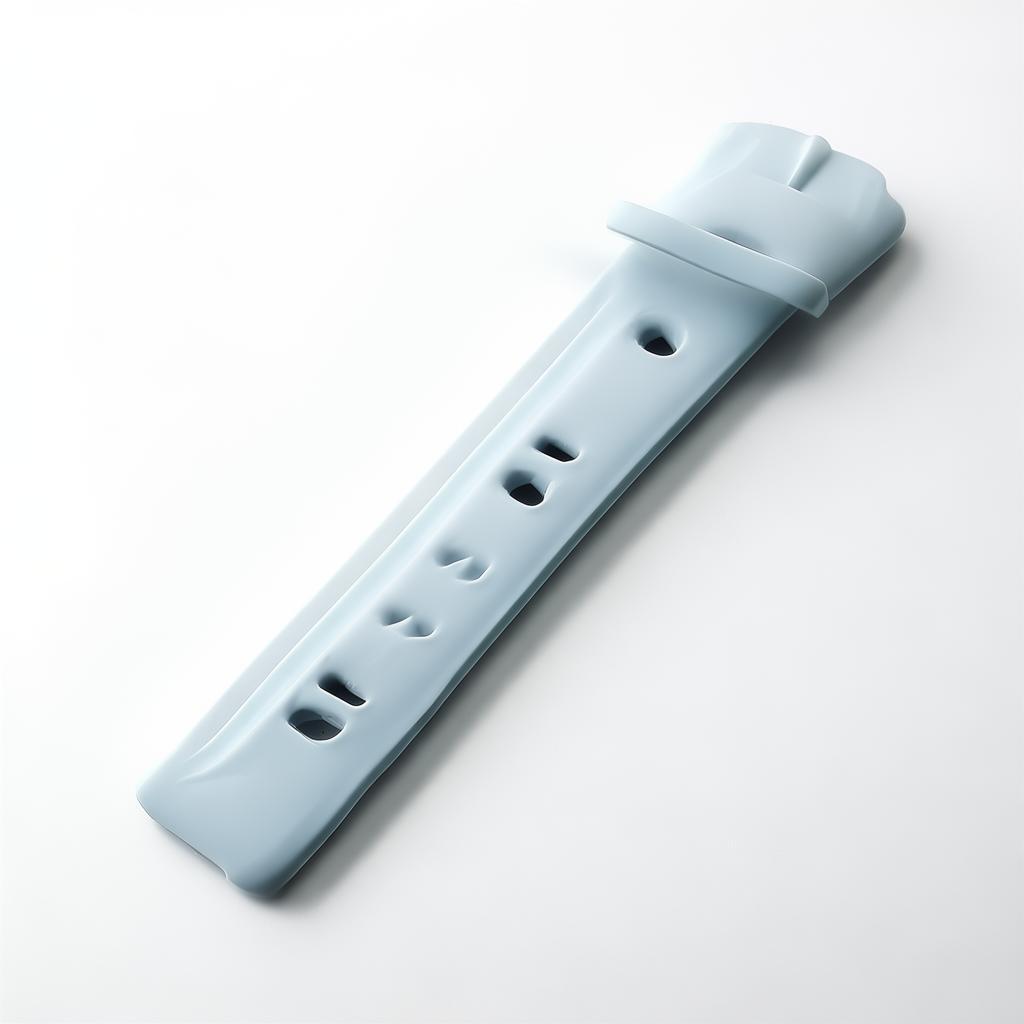
- Yes. Despite higher raw material costs, LSR offers excellent precision, flexibility, and biocompatibility. It's well-suited for medical devices and automotive gaskets even in smaller batches.
- How do I minimize tooling costs for small runs?
- Consider aluminum molds, rapid tool inserts, or modular tooling systems. Using simulations to optimize mold design before fabrication also reduces costly iterations.
- What are common defects to watch out for in low volume molding?
- Flash, sink marks, warping, and incomplete filling are typical. These often stem from improper mold venting, inadequate temperature control, or material flow issues.
- Can my design be adjusted post-tooling?
- Minor revisions are possible but costly. Best practice is extensive prototyping and CAE validation before final mold fabrication. Expect lead times and expenses to increase with late-stage changes.
- How to evaluate an overseas manufacturer for reliability?
- Verify certifications, ask for factory photos (e.g., factory tour images), review test reports, and communicate directly with engineers. References and samples help build trust.
Customer Testimonials
"We switched to Guangdong Yingtai for a small batch of medical device seals and immediately noticed tighter tolerances and faster turnaround than previous partners. Their engineers helped us refine material selection for cost-efficiency without sacrificing quality."
"Managing initial tool runs for our consumer electronics grips was challenging. Yingtai’s team maintained clear communication, provided detailed process reports, and their modular aluminum molds helped us launch on schedule without breaking the budget."
"Their knowledge of multi-shot molding was invaluable to us. We achieved excellent bonding between LSR and ABS, ensuring durability for our automotive interior components. The product quality surpassed expectations and logistics was transparent throughout."
Contact & Next Steps
Partner with Guangdong Yingtai High Precision Technology Co., Ltd.—a trusted industry leader with 35,000 m² facility, over 20 years of experience in advanced injection molding, and a professional team of 500+ skilled experts.
- Phone: (Miss Zhang) +86 177 2243 7688
- Fax: +86 0769-83666863
- Email: zmm@yingtai168.com, lh@yingtai168.com
- Whatsapp: +86 177 2243 7688
- Address: No. 359 Chang'an Bubugao Road, Chang'an Town, Dongguan City, Guangdong Province
- Request Factory Pricing & Catalog
- Talk With Our Engineer
- Request Free Samples
For deeper insights, technical consultation, or OEM/ODM customizations, we’re available to support your project from concept through delivery, ensuring transparency and risk mitigation every step of the way.