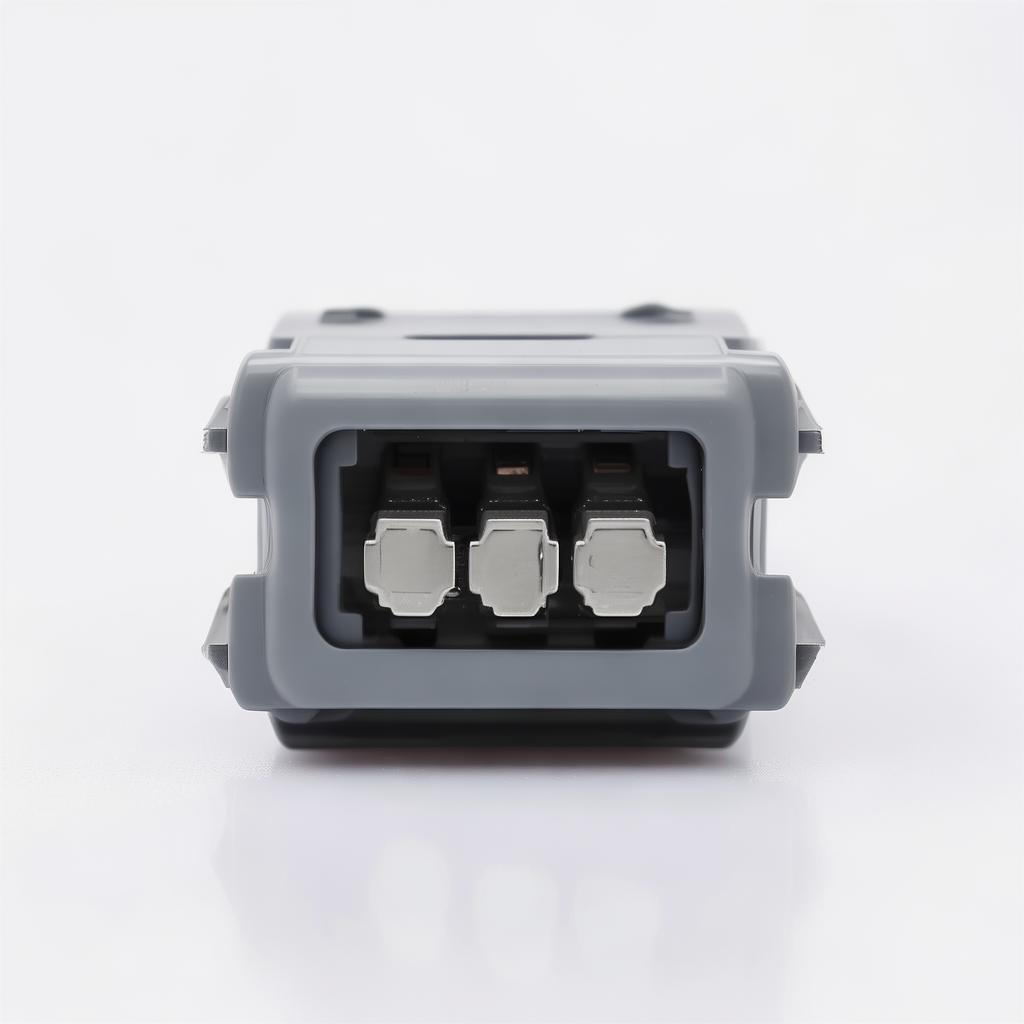
Guangdong Yingtai High Precision Technology Co., Ltd.: Your OEM/ODM Partner for Quality Angled Rubber Grommets For purchasing managers and procurement directors operating in sectors like automotive manufacturing, consumer electronics, and industrial appliances, the value
Product Details
Angled Rubber Grommet: Precision Protection for Industrial Applications
Guangdong Yingtai High Precision Technology Co., Ltd.: Your OEM/ODM Partner for Quality Angled Rubber Grommets
Navigating Industry Challenges & Procurement Pitfalls
For purchasing managers and procurement directors operating in sectors like automotive manufacturing, consumer electronics, and industrial appliances, the value of a well-designed angled rubber grommet cannot be overstated. These seemingly modest components mitigate cut and abrasion risks where cables and wiring traverse sharp or angled panel edges.
Yet, the challenge in sourcing quality angled rubber grommets comes down to subtle issues — ranging from inconsistent dimensions due to poor molding technology, material grade mismatch affecting durability, to a supplier's inability to handle OEM/ODM customization requests efficiently. Such risks can cause costly production delays or premature equipment failure in critical industrial systems.
Many buyers underestimate the complexity of selecting grommets with optimized hardness, UV resistance, and chemical compatibility — all while ensuring precise angular fitment for unique panel geometries. This frequently results in repeated purchase cycles due to subpar seal integrity or installation difficulties.
Material inconsistencies: Low-grade rubber mixes can degrade rapidly under industrial chemical exposure or temperature fluctuations.
Molding defects: Flash, incomplete curing, or warped geometry compromise performance and fit.
OEM customization failures: Lack of tooling expertise leads to imprecise angle configurations, affecting assembly lines.
From our operational observations in Dongguan’s manufacturing hub, integrating advanced liquid silicone molding methods and automated precision injection molding yields grommets mitigating these risks effectively — improving seal longevity and easing installation.
Technical Overview of Angled Rubber Grommets
Angled rubber grommets are engineered protective fittings designed to shield cables, wires, and hoses at junctions where panels or surfaces meet at an angle—commonly between 30° to 90°. This angle adaptation prevents mechanical abrasion traditionally problematic with straight grommets.
The production process typically involves liquid silicone rubber (LSR) injection molding or high-grade EPDM rubber compression molding, depending on application demands. LSR is favored for its flexibility in complex geometries, enhanced thermal resistance (operating range from -60°C to 230°C), and its ASTM-compliant biocompatibility for electronic devices.
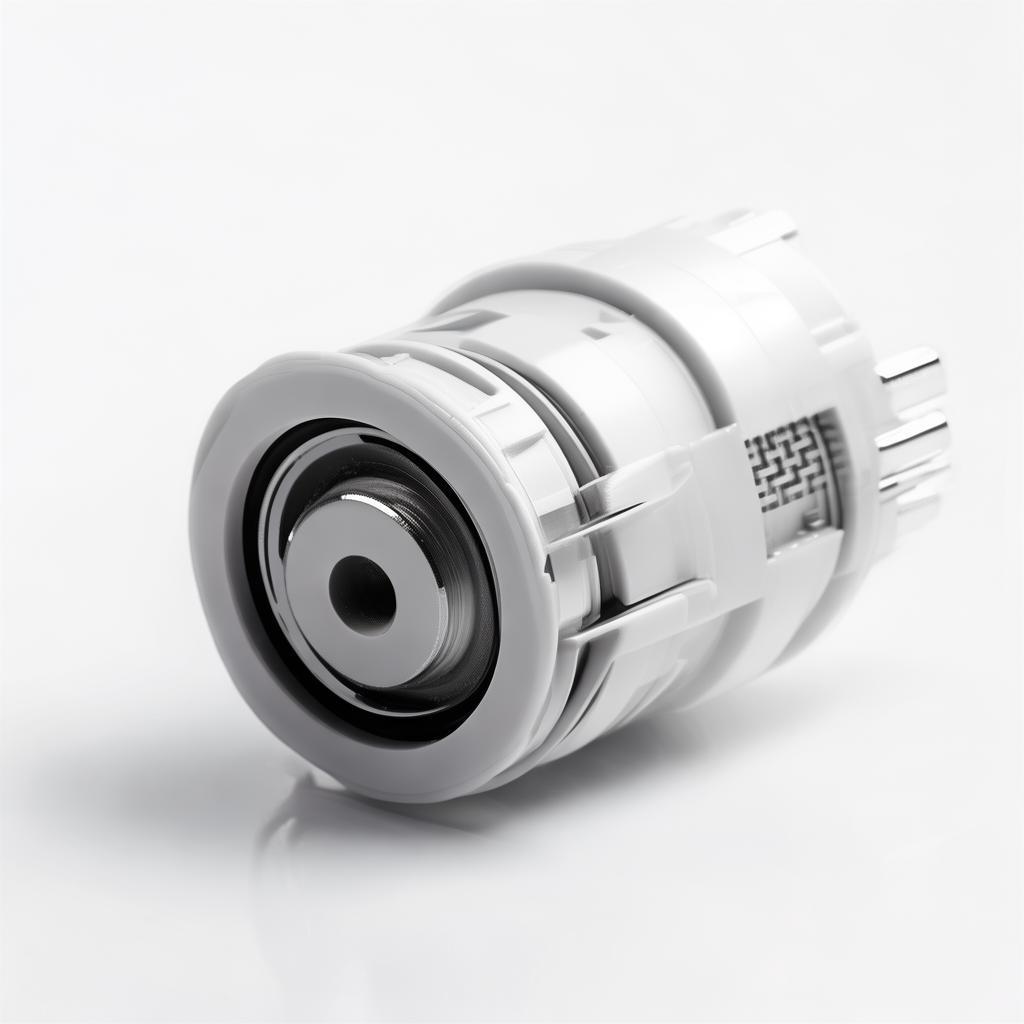
Precision LSR injection molding ensures angular accuracy and defect minimization.
Critical technical specs buyers must consider include:
Note: Selecting a supplier with mastery in tooling design and precise LSR molding directly impacts defect rates and lifecycle performance.
Material Specifications & Industry Standards
A key driver behind the increasing adoption of angled rubber grommets is the availability of premium silicone-based materials specifically formulated for demanding industrial conditions. According to several market reports by Grandview Research (2023) and Vantage Market Research (2024), liquid silicone rubber (LSR) continues to dominate the seal and gasket components market due to unique properties:
Excellent thermal stability supporting temperatures from -60°C to +230°C.
Superior UV and ozone resistance — critical for outdoor electrical and communications equipment.
High chemical inertness, tolerating fuels, oils, and cleaning solvents common in automotive and industrial environments.
Biocompatibility and non-toxicity for consumer electronics and medical device applications.
Our factory rigorously tests grommet materials following ISO 10993 bio-compatibility, RoHS compliance, and UL94V-0 flame retardancy standards. Customers sourcing for medical or wearable electronics frequently request FDA-compliant LSR grades.
In contrast, EPDM offers cost efficiency but lesser temperature endurance and chemical resistance — making it suitable primarily for household or light-duty industrial use. We recommend assessing specific application environments before finalizing material choice.
Key Industrial Applications of Angled Rubber Grommets
Angled rubber grommets find versatility across multiple technical sectors, protecting wiring and tubing where angular transitions otherwise wear insulation prematurely. Common usage scenarios include:
Automotive & New Energy Vehicles: Shielding cables near angled chassis panels, battery management systems, and sensor interfaces where sharp edges are unavoidable.
Consumer Electronics & Smart Wearables: Providing robust strain relief for angled cable leads entering compact devices with limited space.
Industrial Electric Appliances: Insulating wiring harnesses passing through control panel corners or machinery inspection windows.
Communication Equipment: Weatherproofing outdoor telecom enclosures with UV-resistant, angled grommets that maintain sealing integrity.
Household Electronics: Reducing cumulative abrasion damage where power cords bend around appliance corners.
These applications demand not only dimensional accuracy but also compliance with industry standards such as UL 94 flammability, IP65/67 ingress protection, and FIFA-grade electrical insulation for sport-related wearable tech.
Installation & Maintenance Insights
Efficiency gains during installation often hinge on grommet design compatibility with panel thickness and mounting hole geometry. Angled rubber grommets should be sourced with precise tolerance data, accompanied by thorough technical drawings or 3D CAD files from the supplier.
Material hardness mismatch causing grommet cracking or deformation.
Angular misalignment leading to cable chafing despite protective intent.
Environmental conditions accelerating rubber deterioration when non-UV rated materials are used outdoors.
Periodic maintenance involves inspecting grommets for signs of wear, cracking, or chemical attack — crucial in harsh chemical plants or outdoor telecom installations. Quick replacement and OEM-compatible design help minimize downtime.
Logistic tip: Consolidating container shipments with modular packaging of angled grommets in bulk quantities optimizes freight costs and reduces lead time variability.
Logistics & Procurement Considerations to Mitigate Risk
Sourcing angled rubber grommets from a high-capacity OEM manufacturer like Guangdong Yingtai ensures mitigation of typical procurement risks. With an industrial park spanning 35,000 square meters and state-of-the-art mold development systems, Yingtai offers:
Flexible order volumes — from rapid prototyping to mass production runs exceeding one million pieces annually.
Short lead times averaging 15-30 days due to automated LSR injection molding and precision tooling.
Dedicated export compliance teams experienced with USA regulations and RoHS/CE certifications.
Warehouse optimization strategies maximizing container load factors across sea and air shipments.
Buyer advice: Early engagement with technical teams to confirm tooling feasibility and sampling protocol substantially reduces risk of costly reworks or production delays.
Certifications & Factory Strengths: Why It Matters
Guangdong Yingtai High Precision Technology Co., Ltd. is more than a manufacturer; it is an industry benchmark with comprehensive in-house capabilities:
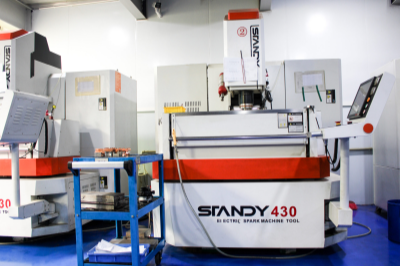
80 automatic plastic injection molding units with precise temperature and pressure controls
More than 30 precision mold-processing machines enabling rapid tooling iteration
Over 20 advanced testing instruments for tensile, hardness, and aging tests
An intellectual manufacturing system covering mold design, development, prototyping, and final assembly
Certified for ISO 9001, RoHS, CE, and FDA compliance where applicable, the factory delivers consistent quality control mandated by global procurement policies.
Relevant certifications assure adherence to rigorous manufacturing standards.
Buyer FAQ: What Procurement Officers Need to Know
Q1: What is the typical lead time for customized angled rubber grommet orders?
Custom tooling preps take 10-15 days; typical mass production runs between 15-30 days post-approval. For orders above 50,000 units, discuss expedited options.
Q2: Can you supply samples for quality and fitment testing?
Yes, our technical team provides samples after initial design confirmation. Samples aid in precise evaluation before bulk commitment.
Q3: How are angled rubber grommets packaged for shipping?
Bulk packaged in anti-static bags or cartons with protective separators to avoid deformation. Logistics teams optimize packing for container maximization.
Q4: What are the best practices for grommet installation?
Ensure panel cutout dimensions comply with grommet groove specs. Use proper tools to avoid overstretching the rubber. Periodic inspection recommended for high vibration environments.
Q5: Do you offer OEM/ODM services for custom shapes or compounds?
Absolutely. Our mold engineers collaborate closely with clients to optimize profiles, angles, materials, and surface finishes tailored to specific market requirements.
Verified Customer Reviews & Procurement Scenarios
Mark S., Procurement Manager, Michigan Automotive OEM
“We had stringent requirements for angled rubber grommets on our electric vehicle battery packs. Yingtai’s expertise in LSR molding and their quick sampling turnaround saved us weeks in development. The grommets fit flawlessly with ±0.5° angle tolerance, and their UV resistance was vital for under-hood exposure.”
Get in Touch
If you have any camping barbeque equipment inquiry, please feel free to contact us.






 Mark S., Procurement Manager, Michigan Automotive OEM