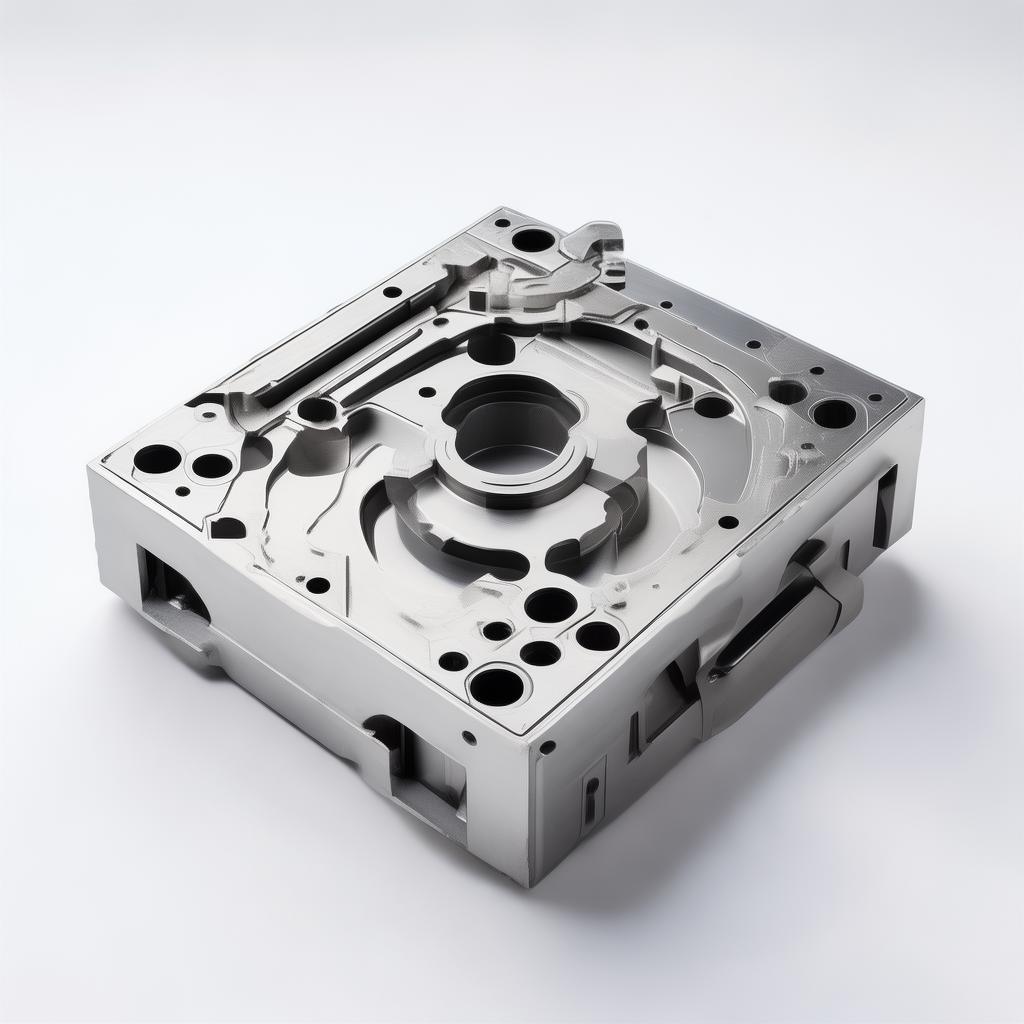
Annealing Heat Treatment Process: A Buyer’s Guide for Precision and Reliability
Expert Insights for Procurement & Manufacturing Managers Seeking Optimal Metal Properties
Introduction: Understanding Annealing
In industrial manufacturing, annealing heat treatment stands as a fundamental process underpinning metal quality and performance. It’s a controlled thermal operation devised to soften metals, enhance machinability, relieve internal stresses, and refine microstructures for improved ductility and toughness. Whether you’re sourcing components for precision engines, heavy machinery, or specialized tooling, mastering the nuances of annealing is critical to ensure your procurement meets stringent operational demands.
Unlike hardening or quenching processes aimed at maximizing hardness, annealing intentionally reverses some of the work hardening effects metals accumulate during fabrication. The process involves heating a metal or alloy to a specific temperature—tailored to its chemical composition—then holding it at this temperature long enough to enable recrystallization, and finally cooling it slowly to avoid introducing fresh stresses.
For purchasing managers and procurement directors, the annealing process is more than a technical detail—it directly influences process yield, product lifespan, and post-assembly maintenance. Subpar annealing can lead to brittle components, unexpected cracking, dimensional instability, or difficulty during machining operations—a costly headache when managing supply chains with tight deadlines and zero-tolerance for defects.
Moreover, variety abounds. Different metals require specific annealing protocols. Carbon steels, stainless steels, copper alloys, aluminum, and titanium each demand tailored heating temperatures, soak times, and cooling methods. The stakes are higher when complex geometries and precise tolerances come into play, which is why advanced industrial suppliers increasingly invest in controlled-atmosphere furnaces, programmable temperature profiles, and validated quality systems compliant with ISO 9001 and AMS 2750E thermal processing standards.
Beyond the basic metallurgy, operational realities such as furnace load uniformity, part fixturing, temperature gradient management, and post-treatment stress-relief protocols become focal points for ensuring consistency and repeatability in mass production. With procurement increasingly globalized, understanding these critical control points helps buyers communicate better with suppliers and specify services that safeguard against hidden risks.
As heat treatment technologies evolve, cross-border sourcing specialists also factor in logistical concerns. Heat treatment is best performed proximate to assembly lines to avoid transport-induced damage post-annealing. Yet, certain suppliers leverage advanced automation and container optimization to ship annealed components efficiently without compromising dimensional integrity.
This guide dives into the operational challenges, technical specifications, and selection criteria involved in procuring annealing heat treatment services for industrial-grade metals. Expect an industry-grounded view from multiple perspectives — manufacturing engineers, export managers, and procurement consultants — to help you reduce risks and boost your supply chain sophistication.
Common Operational Challenges in Heat Treating
Despite its seeming simplicity, annealing heat treatment poses a host of practical challenges for industrial manufacturers:
- Temperature Control Variability: Uneven temperature profiles inside furnaces can cause inconsistent recrystallization, especially in large batch loads or complex assemblies.
- Cooling Rate Discrepancies: Failing to cool at the correct rate can introduce residual stresses or distort metal shapes, harming dimensional tolerances.
- Material Sensitivity: Different alloys have varying annealing windows; a standardized process risks under-treating or overheating parts.
- Furnace Atmosphere Management: Oxidation or decarburization during annealing can degrade the metal surface unless controlled atmospheres like nitrogen or vacuum are employed.
- Batch Traceability: Without precise batch identification and process documentation, verifying treatment compliance becomes cumbersome, risking quality audits and regulatory penalties.
These challenges aren't trivial and have real-world consequences. As an operations manager recently assessed, “We saw higher scrap rates because some suppliers used outdated furnace technology, unable to maintain stable temperatures for the varied steel grades we required.” Such feedback underlines the importance of vetting the technical capabilities of annealing providers carefully.
Technical Deep Dive: How Annealing Works
At its core, annealing is about refining the internal structure of metals to alter mechanical properties beneficially. The process is typically divided into three stages:
- Heating Stage: The metal is heated gradually to the annealing temperature, which varies depending on material composition. For carbon steels, this usually resides in the 550°C to 700°C range; for stainless steels, it may span 850°C to 1100°C. Controlled heating avoids thermal shock and uneven grain growth.
- Soaking Stage: The part is held at the target temperature to allow recrystallization and diffusion processes to occur fully. The soak time depends on thickness and mass, commonly ranging from 30 minutes to several hours.
- Cooling Stage: Controlled cooling solidifies the microstructure. Slow cooling in furnaces (furnace cooling) or through insulating media prevents new stress gradients. Alternatively, some materials use controlled gas quenching to achieve desired properties without compromising ductility.
Important operational detail: The annealing cycle must correspond to specific material standards such as AMS 2750E for aerospace-grade metals or ASTM A978 for general heat treatment, ensuring repeatable metallurgical results.
Additionally, furnaces can operate under different atmospheres:
- Air atmosphere – Suitable for non-critical parts, but risks oxidation.
- Inert atmospheres (e.g., nitrogen) – Prevent surface degradation.
- Vacuum furnaces – Used for sensitive alloys to eliminate oxidation, reduce decarburization, and improve surface finish.
When specifying annealing services, understanding the furnace types—whether batch or continuous, electrically heated or gas-fired—is critical, as it impacts throughput, temperature uniformity, and cost.
Advantages of Professional Annealing Services
Choosing a qualified annealing partner delivers tangible benefits beyond simple heat treatment:
- Consistent Mechanical Properties: Reliable recrystallization enhances uniformity in hardness, tensile strength, and ductility, improving final product performance.
- Improved Machinability: Softened metals reduce tool wear and machining time—especially valuable for high-volume component production.
- Stress Relief: Partial annealing removes residual stresses accumulated during forming or welding, minimizing the risk of distortion or cracking during later processes.
- Dimensional Stability: Controlled cooling reduces warping, enabling tighter tolerances on finished parts.
- Regulatory Compliance: Adherence to industry standards like ISO 9001, AMS 2750E, or NADCAP audits ensures quality traceability.
- Customization & Flexibility: Experienced suppliers adapt annealing cycles to specific alloys, part geometries, and production schedules.
While in-house heat treatment is possible, it often requires heavy capital investment and expert operators. Many manufacturers outsource annealing to trusted suppliers that offer advanced temperature control technology and validated quality systems, balancing cost and performance.

Key Application Scenarios & Materials
Annealing finds widespread use across diverse industries, adapting to numerous metals and alloys:
| Industry | Typical Materials | Purpose |
|---|---|---|
| Automotive | Carbon steel, Alloy steel, Stainless steel | Component softening for clear machining, stress relief on stamped parts |
| Aerospace | Nickel alloys, Titanium, High-strength steel | Microstructure refinement, preparation for secondary processing |
| Tool & Die | Tool steels, High-carbon steels | Improve machinability, reduce brittleness |
| Electrical & Electronics | Copper, Brass, Aluminum | Ductility enhancement for stamping and forming |
440c heat treatment 17-4 ph heat treatment precipitation heat treatment
Recognizing the correct annealing cycle for your specific material is crucial to avoid under- or over-treatment. For example, stainless steels require higher soak temperatures to break down chromium carbides, while aluminum alloys usually benefit from lower-temperature annealing to restore workability without grain coarsening.
Critical Specifications & Industry Standards
Evaluating annealing processes means understanding the specifications that guide heat treatment performance and quality:
- AMS 2750E – Defines pyrometry and thermal processing requirements, essential in aerospace and defense sectors.
- ISO 9001 – Quality management framework confirming supplier capabilities.
- NADCAP Accreditation – Recognized for aerospace heat treatment process compliance.
- ASTM Specifications (A978, A247) – Cover test methods and process controls for annealed steels.
- Material Certifications – Traceability certificates ensuring material origins and pre-treatment conditions align with purchase orders.
For procurement, insisting on suppliers’ quality documentation and batch testing reports reduces risk substantially. It's also prudent to require process validation data such as thermal uniformity surveys or cooling curves demonstrating compliance.
| Specification | Typical Requirement | Industry Relevance |
|---|---|---|
| Thermal Uniformity ±5°C | Temperature variation limited inside furnace load | Critical for aerospace and automotive parts |
| Cooling Rate Control | Slow enough to avoid thermal stress formation | General industrial manufacturing |
| Batch Traceability | Full identification with process logs | Quality audits, certification |
Procurement & Supplier Evaluation Guidance
As procurement becomes increasingly globalized, selecting the right annealing service provider requires more than price comparison. Here are key tips that operational buyers and purchasing managers consistently find helpful:
- Demand Facility Audits: Request virtual or onsite inspections focusing on furnace types, temperature control systems, and staffing qualifications.
- Verify Process Certifications: Confirm compliance with AMS 2750E, NADCAP or other relevant industry requirements.
- Request Detailed Process Documentation: Insist on batch reports including thermal profiles, coolant conditions, and material traceability.
- Evaluate Lead Times & Logistics: Match annealing schedules with your production flow to minimize delays, considering potential transport constraints that could impact part integrity.
- Consider Supplier OEM/ODM Capabilities: Some providers offer integrated prototyping and finishing services—valuable for complex components requiring co-engineering partnerships.
- Review Industry Experience & References: Suppliers servicing related markets like aerospace or automotive tend to uphold stricter quality disciplines.
Buyers often overlook how technical collaboration between engineers and suppliers during the RFQ stage uncovers hidden cost savings and prevents specification mismatches.
For example: a procurement consultant shared, “In one project, integrating supplier input on furnace load optimization saved 15% in heat treatment costs by consolidating batches without compromising quality.”
Frequently Asked Questions
- What metals can be annealed using standard industrial furnaces?
- Most common carbon steels, alloy steels, stainless steels, copper alloys, and some aluminum grades can be annealed conventionally. Specialty alloys like titanium or nickel require precise temperature control and often use vacuum furnaces.
- How long does a typical annealing cycle take?
- Cycle time varies by material thickness and composition. Thin gauge metals can require 30 minutes to 1 hour, while heavy bulk components may take multiple hours including slow cooling.
- What quality certifications should heat treatment suppliers have?
- For aerospace and defense applications, AMS 2750E and NADCAP accreditation are critical. For automotive, ISO 9001 often suffices. Regardless, look for documented process audits and batch traceability.
- Is annealing reversible or repeatable?
- Yes, annealing can be repeated if necessary to achieve desired metal properties, but multiple cycles may affect grain size and mechanical strength. Ideally, specify correct parameters upfront.
- How is annealing different from normalizing?
- Normalizing involves faster cooling and produces a harder microstructure than annealing, which focuses on maximum softness and ductility through slow cooling.
Customer Reviews & Real-World Benefits

Michael Snyder
Procurement Manager, Midwest Automotive Inc.
“Switching to Yingtai’s annealing services reduced our post-machining scrap by nearly 25%. Their process documentation and rapid communication helped our quality control team close feedback loops faster.”

Emily Carter
Operations Director, Precision Aerospace Components
“The controlled atmosphere annealing made a noticeable difference in dimensional stability for our titanium alloys. Delivery was reliable even under peak demand periods.”

David Kim
Industrial Engineer, Steel Fabricators Ltd.
“What stood out is how Yingtai integrated process validation and shared thermal profiling data transparently. This empowered us to optimize downstream procedures.”
Contact & Next Steps
Guangdong Yingtai High Precision Technology Co., Ltd. combines over 20 years of production expertise with cutting-edge heat treatment capabilities in Dongguan, China. Our integrated, ISO-certified industrial park and mature export logistics ensure on-time delivery and consistent quality.
Let’s discuss your annealing requirements in detail. Whether it’s a volume order for automotive steels or precision aerospace titanium alloys, our team of process engineers and export specialists collaborate closely with buyers for tailored solutions.
- Phone: (Miss Zhang) +86 17722437688
- Fax: +86 0769-83666863
- Email: zmm@yingtai168.com / lh@yingtai168.com
- Whatsapp: +86 17722437688
- Address: No. 359 Chang'an Bubugao Road, Chang'an Town, Dongguan City, Guangdong Province, China
- Contact Us Online
Request our detailed catalog, get factory pricing, or arrange a free sample and lab report today. Advances in annealing at Yingtai ensure your metal components deliver structural integrity and operational reliability, backed by expert consultancy.