Mark Johnson (Procurement Manager, Texas Petrochemical Ltd.)
“Yingtai’s annular joints helped us reduce seal leaks significantly in our refinery pipelines. Their precise tolerances and quick turnaround enhanced our supply chain reliability.”



Reliable sealing and load-bearing connections in your industrial assemblies start with expertly designed annular joints. Optimize your project’s lifecycle with components crafted for durability, precision fit, and compliance.
Managing annular joints within industrial pipelines and mechanical assemblies presents distinct challenges. Procurement managers often face inconsistencies in joint tolerances, which can cause leaks or premature failure. Technical engineers wrestle with material compatibility—particularly under thermal cycles and corrosive environments common in energy, petrochemical, and wastewater treatment sectors.
Operational downtimes due to joint malfunction translate directly into financial losses and project delays. Additionally, logistical complexities such as long lead times and customs hold-ups threaten tight project schedules. Procurement teams report that suppliers frequently underdeliver on consistent quality certifications such as API 6A and ASME B16.5, making compliance verification more demanding.
Note: It’s crucial to evaluate annular joints not just by price but by supplier manufacturing practices, traceability, and adherence to ISO 9001 and ISO 14001 standards.
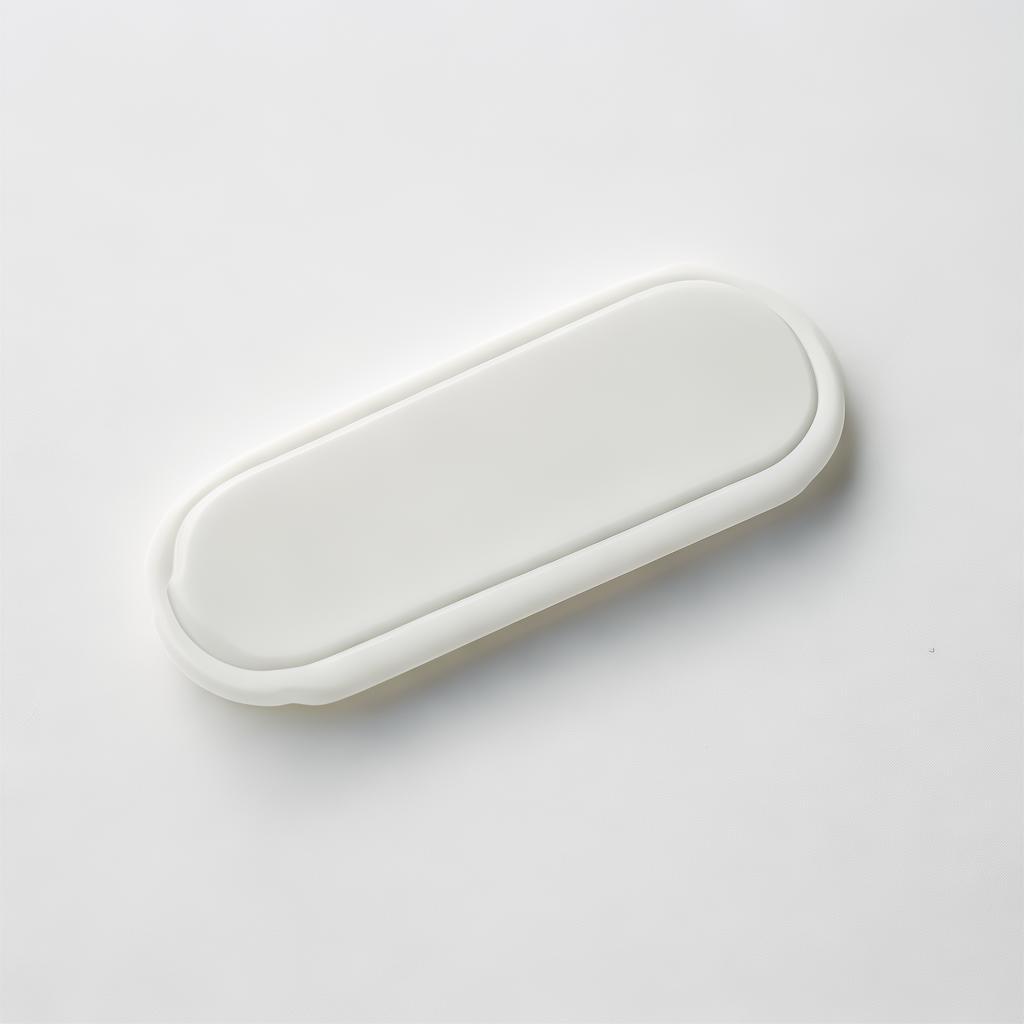
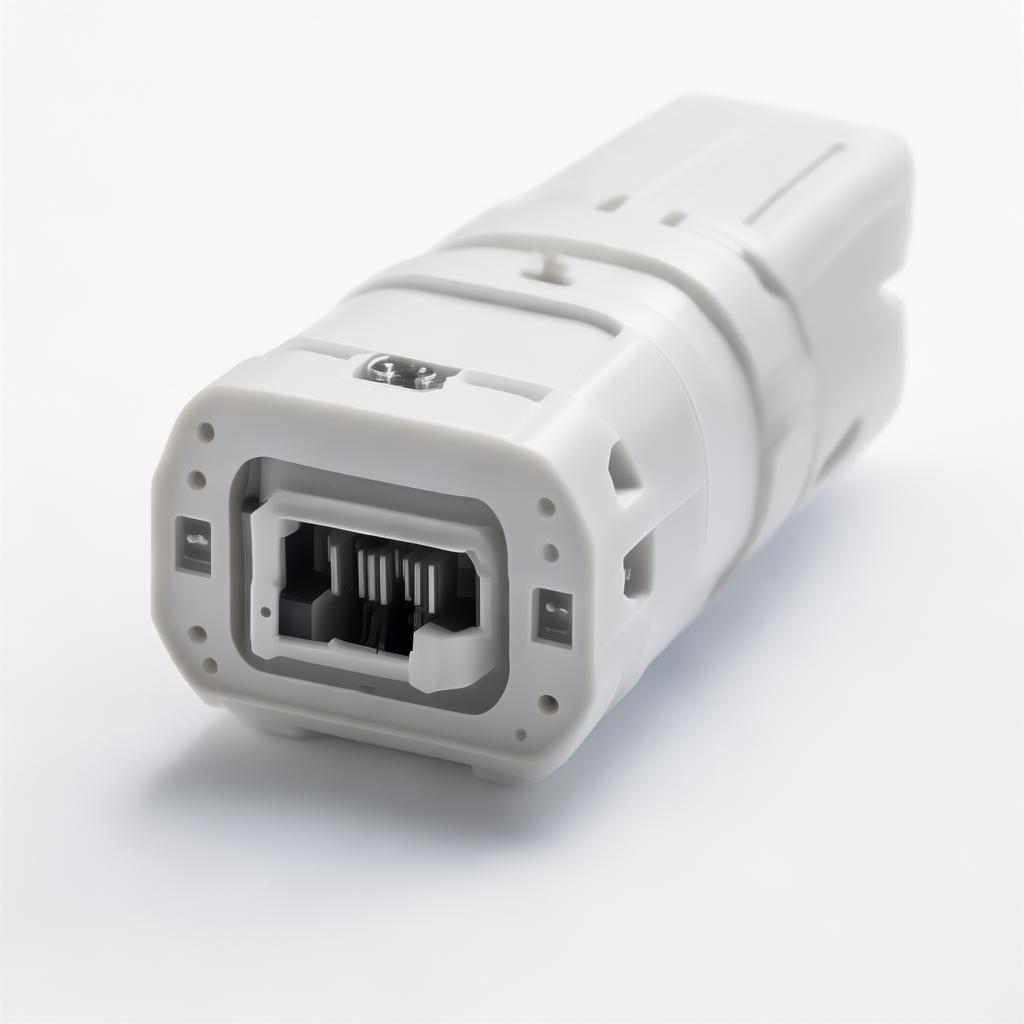
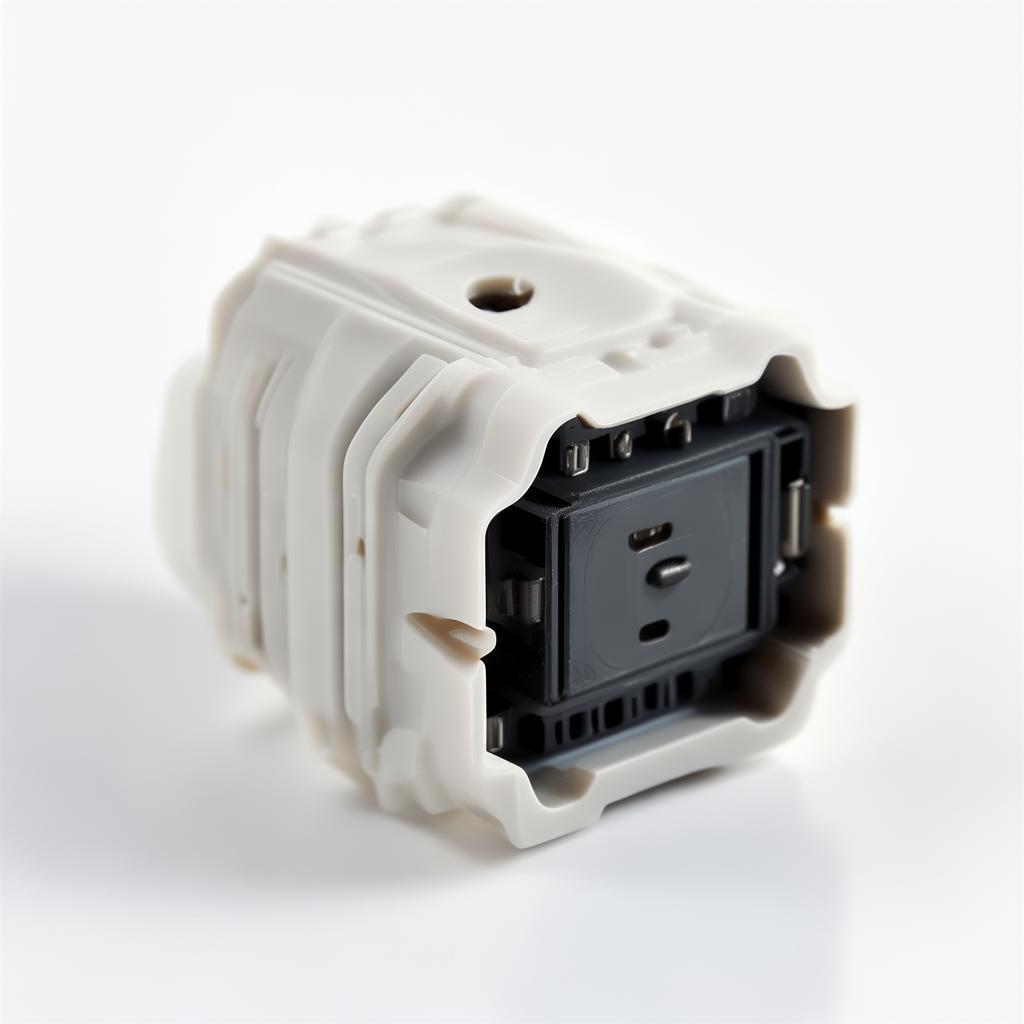
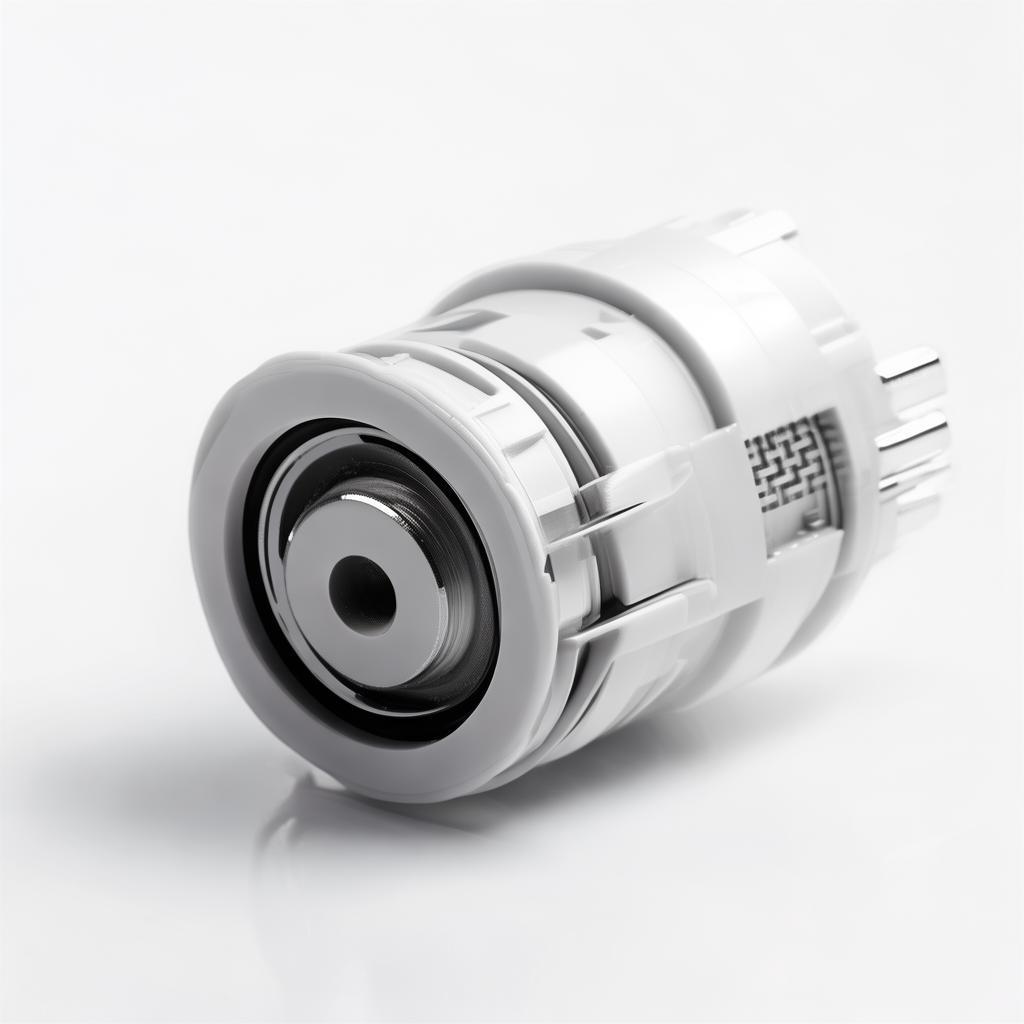
annular snap joints flexible joint flange snap joints
An annular joint is a mechanical connection that forms a ring-shaped seal or coupling, typically used to join pipe sections or cylindrical components. The term “annular” refers to its doughnut-like geometry which distributes forces circumferentially, reducing stress singularities often seen in linear joints.
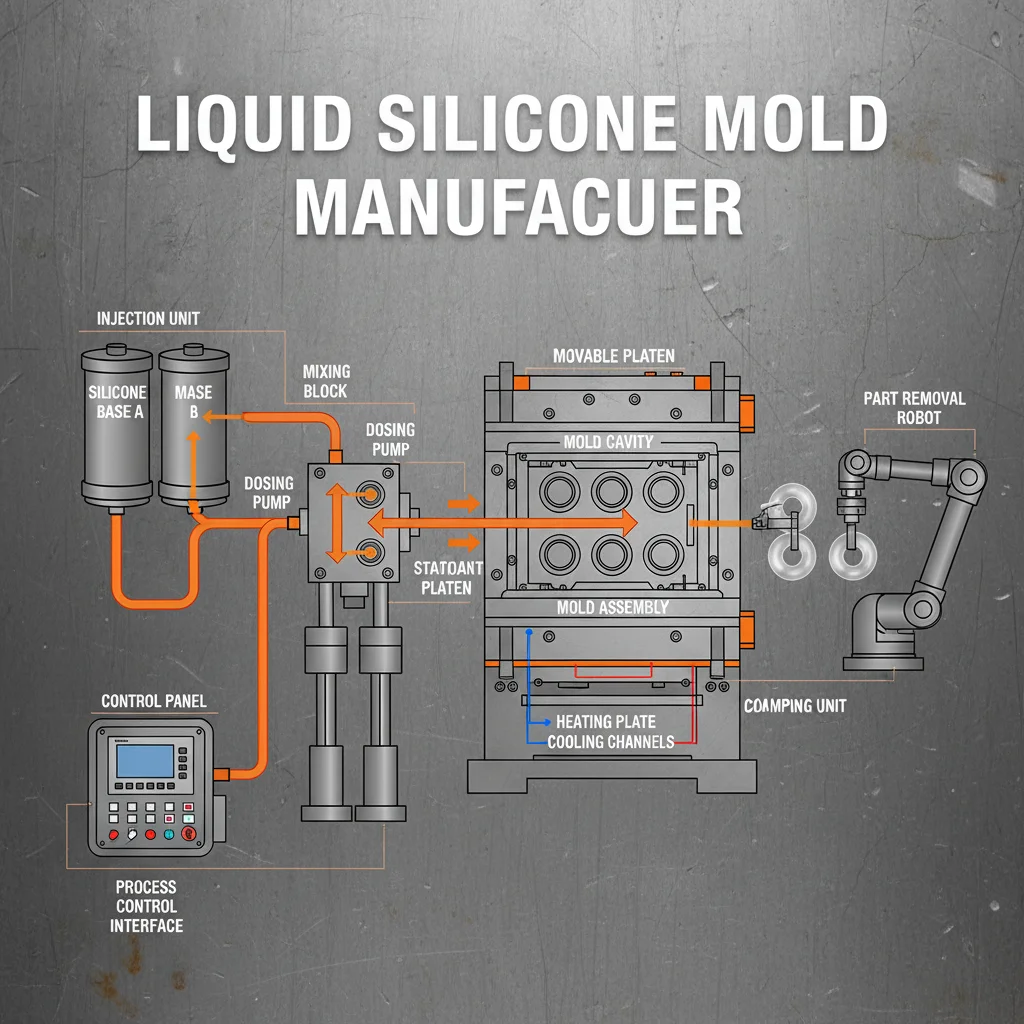
These joints often incorporate precision-machined grooves, compressible sealing elements (like liquid silicone rubber gaskets or PTFE rings), and sometimes metal-to-metal contact surfaces engineered for high-pressure sealing performance. Materials generally include 316L stainless steel for corrosion resistance, epoxy coatings for chemical stability, and liquid silicone for seals requiring elasticity and thermal resistance.
Annular joints must meet strict dimensional tolerances, frequently within ±0.05mm, to assure uniform compression during installation and prevent leak paths. Surface finish on contact faces is critical; micro-finish parameters down to Ra 0.4 µm may be required for optimal gasket sealing as per API 6A or ASME B31.3.
| Material | Tensile Strength (MPa) | Thermal Stability (°C) | Corrosion Resistance |
|---|---|---|---|
| 316L Stainless Steel | 485 | -200 to 700 | Excellent (Pitting & crevice corrosion resistant) |
| Liquid Silicone Rubber (LSR) | 8-11 (Elongation dependent) | -55 to 230 | Outstanding chemical & UV resistance |
| PTFE (Sealing Rings) | 21 | -200 to 260 | Exceptional chemical inertness |
*Values sourced from verified ASTM and ISO material standards
Selecting the correct material combination often depends on application environment and anticipated maintenance cycles. For example, liquid silicone rubber seals outperform conventional elastomers in high-temperature steam systems, while PTFE rings excel in corrosive chemical lines.
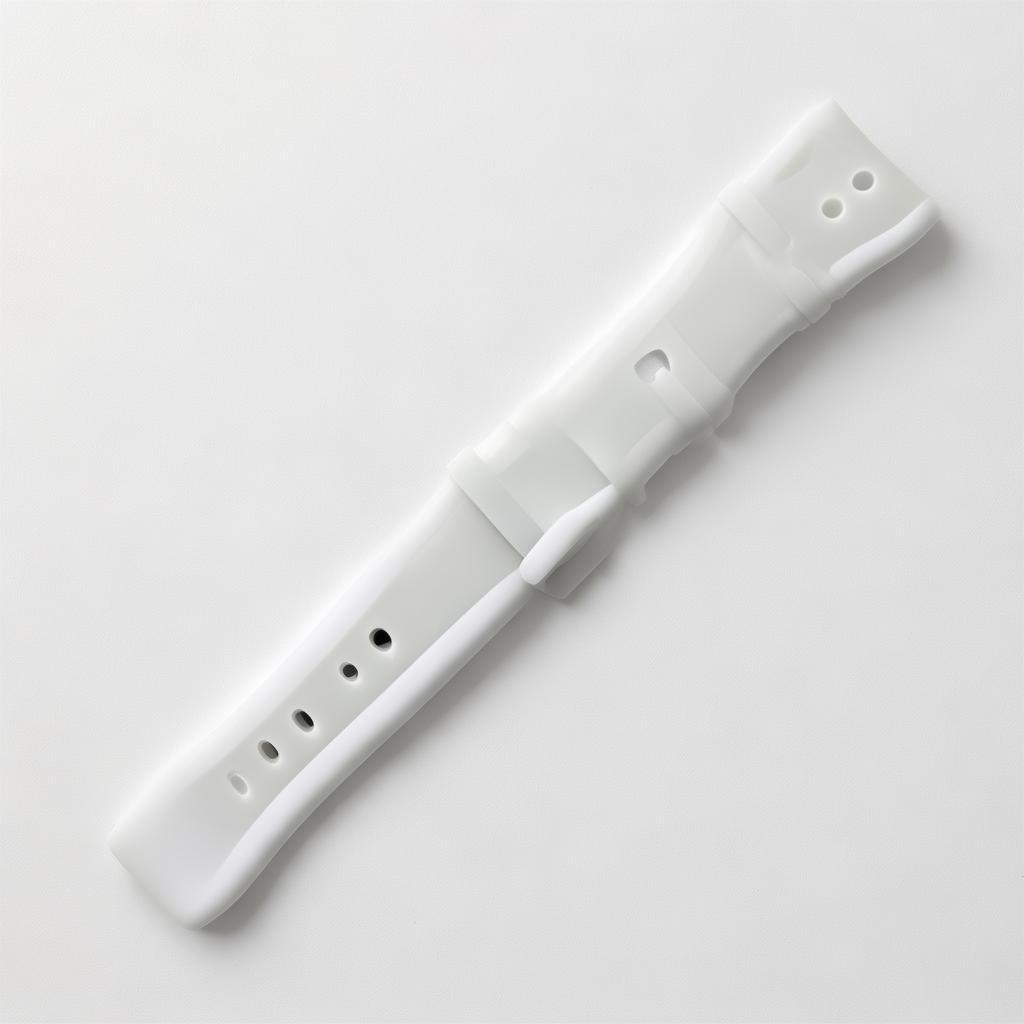
Annular joints appear across numerous heavy industries:
Proper installation is more than hand-tightening flanges — factors such as gasket compression rate, bolt torque sequence, and surface cleanliness must be rigorously controlled. We advise onsite technical support during initial assembly to validate joint integrity and ensure operational safety.
Operational Tip: To avoid premature sealing failure, ensure bolting force is evenly distributed around the annular joint using calibrated torque wrenches and follow ASME bolt tightening guidelines.
Buying annular joints calls for close scrutiny. Look beyond cost quotes to confirm the supplier’s manufacturing capacity, process transparency, and certification authenticity. Guangdong Yingtai High Precision Technology Co., Ltd. has a well-established 35,000 m² industrial park dedicated to precision molding and silicone injection, supporting rapid OEM/ODM production cycles.
Pay attention to factors such as:
Overlooking these can lead to costly project overruns, product recalls, or inconsistent field performance.
Mark Johnson (Procurement Manager, Texas Petrochemical Ltd.)
“Yingtai’s annular joints helped us reduce seal leaks significantly in our refinery pipelines. Their precise tolerances and quick turnaround enhanced our supply chain reliability.”