

Anodised Aluminium: Essential Insights from Industry Experts
Guangdong Yingtai High Precision Technology Co., Ltd. | Export Director: Miss Zhang
Introduction to Anodised Aluminium
In the landscape of modern industrial manufacturing and international trade, anodised aluminium stands out as a versatile and reliable material. Its surface treatment dramatically enhances aluminium’s natural properties, making it a focal point for engineers, procurement directors, and importers seeking durable, corrosion-resistant, and aesthetically adaptable metal solutions.
Unlike simple paint or coating processes, anodising is an electrochemical method that thickens and strengthens the natural oxide layer on aluminium surfaces. This innovation creates a protective barrier that’s tightly bonded, not just laid atop the metal. Because of its durability and finish quality, anodised aluminium finds extensive use across demanding sectors — from architectural façades, transportation components, to consumer electronics housing.
Why is anodised aluminium highly regarded?
- Corrosion Resistance: The anodic layer offers outstanding protection against oxidation, UV radiation, and environmental factors — pivotal for outdoor and marine applications.
- Wear Resistance: Harder than untreated aluminium, the surface withstands abrasion and scratching, increasing part longevity and reducing maintenance cost.
- Aesthetic Flexibility: The porous nature of the anodic film allows consistent coloring through dyes, enabling tailored finishes from metallic silver to custom hues.
- Electrical Insulation: Though anodising enhances hardness, it also delivers a non-conductive surface, important for electrical component casings and technical applications.
Buying anodised aluminium entails understanding these benefits relative to your product requirements and supply chain realities. From material grade selection (e.g., 6061, 6063 alloys) to standard compliance such as ISO 7599 and MIL-A-8625, knowledge of anodising types (Type II, Type III hardcoat) is critical.
Operationally, sourcing anodised aluminium involves nuances often underestimated by purchasing teams. Variables like batch color consistency, moisture absorption during storage, and specific surface finish requirements can influence your project's timeline and performance benchmarks. For importers, logistics involving container loading, damage prevention during transit, and customs classification underpin cost-effectiveness and timely deliveries.
Throughout our 20+ years in industrial plastics and sealing solutions manufacturing, we’ve regularly interacted with anodised aluminium projects. We recognize that the procurement landscape demands suppliers capable of precise alloy sourcing, strict anodising process control, and comprehensive testing under CE, RoHS, and other certificates to ensure compliance and reliability. Missteps in specification or vendor selection often lead to costly delays or rework on-site.
Given these factors, this article explores the essential technical angles and market realities around anodised aluminium to equip decision-makers with comprehensive, practical knowledge.
Operational Challenges & Market Needs
Procurement managers often face key challenges:
- Variability in anodising thickness leading to inconsistent protection levels;
- Difficulty verifying compliance with international surface finish standards;
- Lead times affected by batch processing delays and capacity bottlenecks;
- Lack of transparency on color fastness and UV stability for outdoor use;
- Issues in high-volume container stacking risking surface damage;
- Complexities integrating anodised aluminium with complementary materials such as plastics or rubber seals;
- Cost scrutiny whilst balancing quality and certification needs.
Those managing supply chains for construction, automotive, or electronics sectors especially feel the pinch. For instance, OEMs producing enclosure frames for medical devices rely on flawless anodizing to fulfill sterilization and durability requirements demanded by FDA and CE approvals. The need to balance price with documented process control means credible suppliers with robust quality assurance systems are preferred.
Recognizing market trends, we’ve observed a steady shift towards hard coat anodising (Type III) for industrial applications requiring enhanced abrasion resistance. However, this process demands precise handling due to thicker oxide layers that can affect dimensional tolerances—a critical factor for precision assembly lines.
Our experience echoes insights from industry discussions and reports indicating procurement misalignment is a top cause of costly project delays. Clear specification during RFQs, understanding surface property trade-offs, and scheduling shipments with MOQ and lead time awareness are fundamental. Execution first, marketing second — real-world operational risks deserve pragmatic focus.
Material Advantages & Technical Overview
Let's drill down technically on what makes anodised aluminium such a solid industrial choice.
| Property | Untreated Aluminium | Anodised Aluminium | Industrial Impact |
|---|---|---|---|
| Corrosion Resistance | Moderate (Susceptible in harsh environments) | High (Film acts as barrier against oxidants) | Extends lifecycle, reduces replacement & maintenance costs |
| Surface Hardness | ~15 HV | ~250 HV (varies by anodising type) | Improves wear resistance for rugged applications |
| Electrical Conductivity | High (Metallic conductor) | Low (Anodic film is insulating) | Useful as insulating layer for electronics housing |
| Color Range | Natural silver-gray only | Customizable via organic dyeing to many hues | Design-driven markets gain aesthetic flexibility |
| Thickness Range | N/A | 5 to 25 microns for architectural; 25 to 150 microns for hardcoat | Tailored protection levels for application |
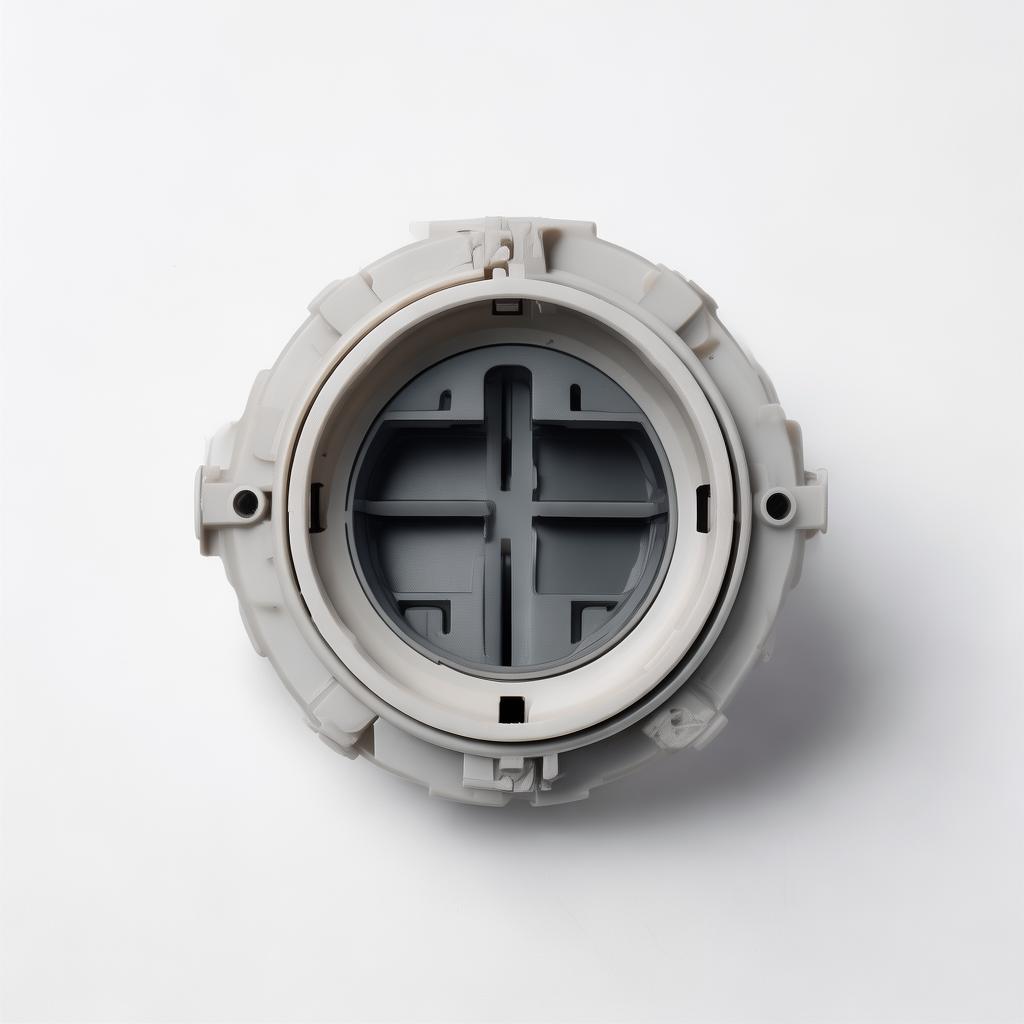
anodized aluminum alumínio anodizado aluminium die
Given these properties, industry standards such as MIL-A-8625F and ISO 7599 cover anodising process specifications and quality assurance. Our factory’s anodising process assures layer thickness precision ±2µm, passing ASTM B580 Class II standards, critical for aerospace and automotive grade components.
Key Application Scenarios
Anodised aluminium's versatility spans many industrial sectors:
- Construction & Architecture: Façades, window frames, curtain walls benefit from UV stability and colorfast finishes, maintaining appearance without repainting for decades.
- Electronics & Consumer Goods: Durable, electrically insulated housings for smartphones, laptops, and wearables leverage thin, uniform anodised layers for scratch resistance and customization.
- Transportation: Lightweight structural and body components in automotive and aerospace sectors balance corrosion protection with weight savings.
- Industrial Machinery: Equipment panels and heat sinks require anodising for wear resistance and thermal management.
- Renewable Energy: Solar panel frames and wind turbine components benefit from corrosion protection against harsh climates.
Choosing anodised aluminium demands understanding end-use environments. For example, hardcoat anodising (Type III) is preferred in outdoor, abrasive, or high-wear situations, whereas decorative Type II anodising suits indoor consumer goods. Thickness, pore sealing, and dye choice can influence resistance to humidity, chemicals, and mechanical stress.
Coordination with OEMs to align anodising specs with assembly tolerances and post-treatment handling improves operational success. We advise close collaboration early in design and production phases to avoid costly post-processing or rework.
Procurement & Supplier Evaluation Guidance
Facing the complexity of sourcing anodised aluminium, procurement teams should evaluate suppliers rigorously around these criteria:
- Material Traceability & Alloy Certification: Verify compliance with ASTM B211 or EN573-3 aluminium grade standards, crucial for mechanical and chemical consistency.
- Anodising Process Control: ISO 9001 certified anodising lines with automated thickness measurement ensure batch consistency and fewer defects.
- Surface Finish Testing: Suppliers should provide reports on hardness, color fastness (per ASTM D2244), and porosity sealing effectiveness.
- Lead Time Transparency: Clarify MOQ and production cycles upfront, recognizing anodising typically adds 5-15 days per batch. Planning buffers for logistics and customs clearance improve supply chain certainty.
- Packaging & Shipping: Confirm anti-scratch packaging, especially for anodised surfaces prone to chipping or abrasion during container loading/unloading.
- Certifications: Look for RoHS, REACH compliance where applicable. For medical or electronics-grade anodising, relevant FDA or IEC standards should be confirmed.
- OEM/ODM Experience: Suppliers familiar with customized anodising solutions, dye options, and secondary machining offer critical flexibility for innovation and rapid prototyping.
Our recommendation draws on decades of facilitating international trade. When evaluating quotes, discuss in detail process checkpoints, in-line QC data, and the supplier’s experience with export logistics, especially container stuffing optimization and cross-border documentation.
Time spent during supplier selection can save weeks of delays downstream.
Frequently Asked Questions (FAQ)
- Q: What is the difference between Type II and Type III anodising?
-
Type II is a standard anodising layer, typically 5-25 microns thick, suited to decorative and moderate wear applications. Type III, or hardcoat anodising, produces significantly thicker (25-150 microns), denser layers with improved hardness and corrosion resistance, ideal for heavy-duty industrial parts.
- Q: How does anodising affect aluminium's dimensional tolerances?
-
Anodising adds a thin oxide layer that slightly alters surface dimensions — typically 0.0002 to 0.001 inches. Hardcoat anodising adds more. Design engineers should accommodate these changes in machining allowances, especially for tight-fitting parts.
- Q: Can anodised aluminium be welded or painted afterward?
-
Welding anodised parts is generally inadvisable because the oxide layer will burn off, exposing bare aluminium. Painting over anodised surfaces may require special primers due to the porous structure. It's common to anodise after fabrication for welded assemblies.
- Q: What are common mistakes in international procurement of anodised aluminium?
-
Underestimating lead times, neglecting surface finish verification, ignoring packaging requirements, and failing to establish clear contractual quality benchmarks cause frequent supply chain hiccups. Buyers should request samples and thorough test certificates before committing to large orders.
- Q: How should anodised aluminium be stored to maintain quality?
-
Store dry and covered from direct sunlight and dust. Use protective films or foam interleaving to prevent surface scratches. Avoid stacking heavy batches without padding to preserve the anodised finish integrity.
Customer Reviews & Real-World Insights
 James R., Procurement Director, Midwest Electronics
“We switched to Guangdong Yingtai’s anodised aluminium products for our laptop chassis last year. The consistency in thickness and finish quality saved us significant rework. Also, clear communication on lead times helped us align manufacturing schedules without disruptions.”
 Sandra F., Operations Manager, Green Construction Inc.
“Our building projects demand anodised aluminium with high UV and abrasion resistance. Yingtai’s hardcoat anodising process consistently met ASTM specs, reducing onsite touch-ups and simplifying maintenance planning.”
 Michael L., Industrial Engineer, Auto Components Ltd.
“The supplier’s certifications and extensive process insights gave confidence in meeting ISO and automotive industry standards. Their OEM customization allowed seamless integration of anodised panels with our assemblies, boosting overall yield.”
Contact Our Team
We are ready to provide detailed product specifications, customized pricing, and OEM options for your anodised aluminium requirements. Let our experts support your procurement and technical evaluation.
Miss Zhang | Export Director
Phone / WhatsApp: +86 17722437688
Fax: +86 0769-83666863
Email: zmm@yingtai168.com / lh@yingtai168.com
Address: No. 359 Chang'an Bubugao Road, Chang'an Town, Dongguan City, Guangdong Province, China