“As an operations manager for a company building consumer electronics, we needed anodized aluminum bars that deliver both visual appeal and tight mechanical tolerances. Yingtai’s consistent delivery and thorough quality reports saved us months of prototyping time.”
- Richard Davies, Electronics OEM, San Jose, CA

Anodized Aluminum Bar
Your trusted source for high-quality anodized aluminum bars tailored to meet demanding industry requirements — engineered for performance, longevity, and precision. In manufacturing and import sectors, procurement managers and engineers frequently encounter challenges around
Product Details
Anodized Aluminum Bar: Durable Precision for Industrial Applications
Your trusted source for high-quality anodized aluminum bars tailored to meet demanding industry requirements — engineered for performance, longevity, and precision.
Why Anodized Aluminum Bar Matters in Industrial Settings
In manufacturing and import sectors, procurement managers and engineers frequently encounter challenges around material durability, corrosion resistance, and dimensional consistency—especially for components exposed to environmental stress or requiring long lifespans. Anodized aluminum bars address many of these pain points with their enhanced surface properties and corrosion-resistant coating, providing a cost-effective balance between weight, strength, and finish endurance.
However, indiscriminate sourcing often results in bars with uneven anodic layers or incompatible alloys, leading to premature wear or failures in application. It’s not always evident whether a supplier’s anodizing process aligns with international quality standards such as ISO 7599 or MIL-A-8625 for aerospace-grade finishes.
Common operational concerns include:
- Surface failure: Inadequate anodizing thickness can cause early oxidation and pitting.
- Mechanical property variability: Differences in aluminum alloy grades (e.g., 6061-T6 vs. 7075-T6) profoundly impact strength performance.
- Inconsistent finish: Poor quality control leads to visual defects or color mismatches for aesthetic and functional use.
- Lead time & logistics: International shipments require careful planning to avoid disruptions in the supply chain, especially given current global freight fluctuations.
Based on firsthand feedback from operations managers sourcing anodized bars for automotive, aerospace, and construction equipment, selecting a supplier with transparent manufacturing processes and rigorous quality assurance remains essential.
Advantages of Our Anodized Aluminum Bars
Yingtai’s anodized aluminum bars embody precise control from raw material selection through to final finishing, combining robust aluminum alloys with a high-quality anodizing layer. Here's what sets them apart:
- Superior corrosion resistance: Our anodizing process consistently achieves a minimum film thickness of 15 microns with uniform coverage, meeting ISO 21446 requirements for industrial applications.
- Enhanced surface hardness: Hard anodizing variants available for wear-intensive environments increase surface hardness to over 60 HRC, suitable for tooling frames and structural components.
- Dimensional accuracy: Tight tolerances held within ±0.05 mm ensure precise fitments, minimizing rework in assembly lines.
- Visual consistency: Uniform color options ranging from natural aluminum, bronze, black, and custom dyes accommodate aesthetic demands for consumer electronics housings and architectural trims.
- Lightweight strength: Ideal for applications where weight savings impact fuel consumption or handling, such as drones and transport equipment.
Our bars undergo multiple quality checkpoints including eddy current testing for anodic layer integrity, mechanical testing conforming to ASTM B221 for alloy properties, and surface adhesion analysis per ASTM D3359.
Technical Specifications & Standards
Understanding the technical backbone behind anodized aluminum bars aids in informed procurement decisions. Below is an overview of typical materials, coating characteristics, and compliance standards.
| Specification | Details |
|---|---|
| Aluminum Alloy Grades | 6061-T6, 6063-T5, 7075-T6 (custom alloy available on request) |
| Anodizing Thickness | Standard: 10-25 microns; Hard Anodizing: up to 60 microns |
| Color Options | Natural/Silver, Black, Bronze, Custom colored anodizing available |
| Surface Hardness | Standard anodizing: 25-35 HRC; Hard anodizing: >60 HRC |
| Compliance | ISO 7599, MIL-A-8625, ASTM B221, RoHS, REACH |
| Tolerance (Length/Diameter) | ±0.05 mm (custom tighter tolerances available) |
| Standard Lengths | 1m, 2m, 3m, Custom cuts available |
anodized aluminum anodized aluminum parts alumínio anodizado
Note: For high-volume buyers, OEM anodizing thickness and customized alloy blends can be optimized to your exact specifications to balance performance and cost.
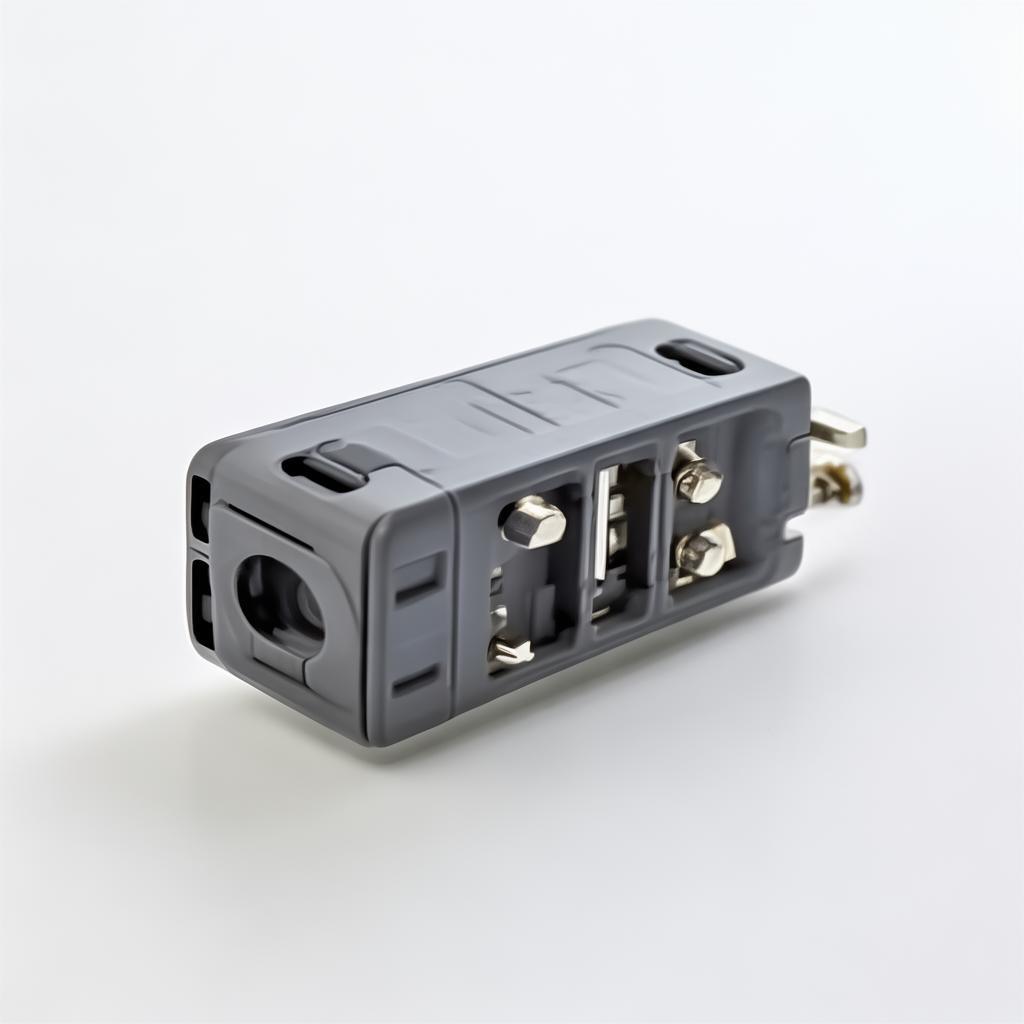
Application Scenarios: Where Anodized Aluminum Bars Excel
Anodized aluminum bars are favored in a range of sectors due to their tailored mechanical and surface properties:
- Automotive industry: Lightweight structural components and trim pieces where corrosion resistance prolongs service life.
- Construction & Architecture: External framing, decorative facades, window profiles where color retention and weather resistance are critical.
- Electronics & Consumer Goods: Heat sinks, enclosures requiring precise anodized finishes for thermal management.
- Aerospace components: Structural parts needing high strength-to-weight ratios with consistent anodized coatings to meet FAA and ISO standards.
- Marine environments: Equipment mounts and rails exposed to salty air, demanding superior corrosion protection.
- Industrial machinery: Custom tooling bases and protective bars exposed to mechanical wear and chemicals.
A client operating in the drone manufacturing sector noted that switching to our hard-anodized 6061 bars reduced field failures by 30%, directly improving their warranty costs and customer trust.
Buying Anodized Aluminum Bars: What Procurement Managers Should Know
Sourcing anodized aluminum bars internationally can be tricky. Beyond price, technical fit and supplier reliability significantly affect your project timelines and quality outcomes.
Practical procurement insights:
- Inquire about anodizing methods: Confirm whether suppliers employ sulfuric acid anodizing or hardcoat techniques and request data sheets demonstrating coating thickness and adhesion.
- Assess alloy sourcing: Not all aluminum grades are created equal — verify raw material test reports certifying compliance with ASTM and EN standards (e.g., ASTM B221 for extrusions).
- Demand process traceability: Look for ISO 9001-certified factories equipped with in-line quality control tools like eddy current testers and optical microscopy.
- Plan logistics carefully: Due to the current volatility of ocean freight, coordinate container loading to optimize volume and minimize lead times while verifying proper protective packaging against scratches or moisture ingress.
- Request samples: Testing received samples under your operating environment is crucial to avoid costly surprises in corrosion resistance or mechanical fit.
- Factor in after-sales support: A responsive export department that offers clear communication and technical support during delivery shortfalls or product issues can be a game changer.
Taking a cautious, evidence-backed approach will mitigate risks of quality inconsistencies, schedule delays, and costly returns. We welcome procurement teams to request free samples or ask for detailed product specifications up front as part of your supplier evaluation.
Our Factory Strength – Precision Meets Scale
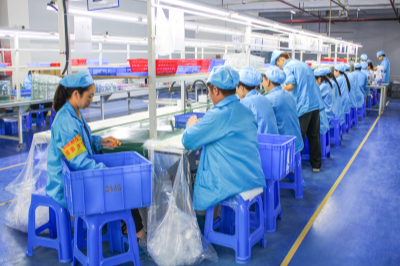
Guangdong Yingtai High Precision Technology Co., Ltd., based in Dongguan’s renowned manufacturing district, operates an expansive 35,000 square meter industrial park, built for volume and precision.
Equipped with over 80 automatic extrusion and injection molding machines and 30 advanced testing instruments, our factory supports end-to-end production for anodized aluminum bars as well as complementary products—we incorporate stringent process controls:
- In-house anodizing plants with sulfuric acid anodic coating lines
- Multiple extrusion presses supporting alloys from 6061 to 7075 grades
- Advanced spectrometry and surface roughness testers for final product verification
- ISO 9001 and RoHS compliance ensuring environmental and material safety standards
- Professional export logistics team handling consolidated shipments and cross-border custom clearance
Our work spans markets from new energy vehicle components to premium consumer electronics, backed by a team exceeding 500 skilled professionals. We deliver serialized products tailored for demanding clients internationally.
Frequently Asked Questions
- What is the difference between regular anodizing and hard anodizing?
- Regular anodizing typically provides a 10-25 micron thick oxide layer offering corrosion and wear resistance. Hard anodizing produces a thicker coat, up to 60 microns, with superior hardness for heavy-duty applications like tooling or abrasive environments.
- How do I confirm the anodizing quality of aluminum bars?
- Quality is verified by measuring coating thickness via eddy current testers, adhesion testing per ASTM standards, and visual inspection for uniform color and absence of defects such as blisters or pores.
- What alloys are best for anodized aluminum bars used in marine environments?
- 6061-T6 and 6063-T5 are common for marine applications due to their excellent corrosion resistance and weldability, combined with properly thick anodizing to withstand salty air and moisture.
- Can I order anodized aluminum bars cut to exact lengths?
- Absolutely. We offer precision cutting services to customer-specified lengths with tight tolerances, enabling seamless integration into final assemblies without additional machining.
- How should anodized bars be stored to maintain quality before use?
- Store in a clean, dry environment avoiding contact with sharp objects or chemicals. Packaging includes protective plastic caps and films to prevent scratching during transport and storage.
Customer Reviews & Procurement Stories
Get in Touch
If you have any camping barbeque equipment inquiry, please feel free to contact us.