

Anodized Aluminum Parts: Precision Solutions for Global Industrial Applications
Guangdong Yingtai High Precision Technology Co., Ltd. | Exporting Advanced Anodized Aluminum Components Worldwide
Industry Pain Points with Aluminum Components
Sourcing high-quality anodized aluminum parts consistently presents several operational challenges for industrial buyers. Common concerns grappled with by purchasing managers and technical engineers include:
- Corrosion resistance degradation in harsh environments leading to premature equipment failure.
- Surface finishes that fail to meet industry standards or OEM specifications, impacting aesthetics and performance.
- Inconsistencies in anodizing layer thickness affecting mechanical strength and wear resistance.
- Extended lead times from suppliers lacking integrated production workflows for anodizing and machining.
- Poor logistics coordination causing damage during transit due to insufficient packaging or improper container loading.
- Compatibility issues with multi-material assemblies, particularly in OEM/ODM designs where anodized aluminum integrates with plastics or rubber seals.
These pain points typically increase operational risk and procurement complexity. The cost of rework, delayed project timelines, and subpar product lifespan can meaningfully erode return on investment for end-users in sectors like automotive, aerospace, and electronics.
Note: Selecting a supplier with transparent quality controls and end-to-end manufacturing capabilities drastically reduces supplier risks.
Technical Overview of Anodizing Processes
Anodizing remains the premier surface treatment for aluminum parts, enhancing durability and aesthetic appeal by creating a robust, corrosion-resistant oxide coating. The process is electrochemical, involving submersion of aluminum in an electrolyte bath, conventionally sulfuric acid, while applying direct current.
Key technical considerations include:
- Coating Thickness: Typically ranges from 5 to 25 microns, depending on application standards (e.g., AA-M12C42-A31 aerospace standard).
- Sealing Techniques: Hot water sealing or nickel acetate sealing to lock in corrosion resistance and reduce porosity.
- Color Anodizing: Achieved through organic or inorganic dyes and electrolytic coloring, offering options from clear to black or custom hues with high UV stability.
- Hard Anodizing: Also known as Type III anodizing, used for applications demanding superior wear resistance and hardness up to 60 HRC.
- Material Grades: High-purity aluminum alloys such as 6061, 6063, and 7075 are typically used for anodized parts based on mechanical requirements.
Precision control of parameters — voltage, temperature, bath composition, and timing — is critical to achieving uniform coverage and meeting stringent ISO or ASTM performance specifications.
| Parameter | Range / Value | Notes |
|---|---|---|
| Coating Thickness | 5 - 25 μm | Regular & Hard Anodizing |
| Operating Voltage | 12 - 20 V (Sulfuric Acid Anodizing) | Critical for uniform process |
| Seal Type | Hot Water or Nickel Acetate | Ensures corrosion resistance |
| Color Options | Clear, Black, Custom Dyes | High UV & wear resistance |
anodized aluminum anodised aluminium aluminum machined parts
Key Advantages of Anodized Aluminum Parts
At Guangdong Yingtai, we understand that superior surface treatment advances both product integrity and client confidence. Our anodized aluminum parts offer:
- Enhanced Corrosion Resistance: Our controlled anodizing process extends component life, especially in marine, automotive, and electrical enclosures.
- Wear Resistance: Hard anodized finishes withstand abrasion, making them ideal for tooling and machinery parts.
- Improved Aesthetics: Uniform and durable color finishes increase perceived value and brand appeal for consumer and commercial applications.
- Electrical Insulation: Anodized layers offer natural dielectric properties beneficial for electronic housings and heat dissipation components.
- Eco-Friendly Process: Our anodizing operations comply with RoHS and REACH standards, minimizing hazardous effluents and energy consumption.
- Customization Flexibility: OEM and ODM services allow tailored surface textures, colors, and mechanical properties according to specifications.
Many of our clients mention reduced maintenance cycles and fewer field failures when switching to our anodized aluminum parts – a real testament to process control and material expertise.
Primary Industrial Applications
Anodized aluminum parts manufactured at our Dongguan facility serve diverse sectors requiring precision and durability, including:
- Automotive: Engine components, chassis parts, heat sinks, and decorative trims that withstand extreme wear and environmental exposure.
- Aerospace & Defense: Structural fasteners, cockpit panels, and lightweight body parts built with aerospace-grade 7075 aluminum alloys.
- Consumer Electronics: Smartphone shells, laptop housings, and smart device bezels that demand scratch and corrosion resistance with aesthetic finishes.
- Industrial Machinery: Components exposed to chemical and mechanical stress requiring hard anodizing and tight dimensional tolerances.
- Renewable Energy: Solar panel frames and mounting hardware needing long lifespan and weather resistance.
- Home Appliances: Durable, attractive parts for kitchen appliances and heating/cooling units.
Each application demands nuanced anodizing specifications and material certifications. Our team leverages over 20 years of process refinement to customize coatings aligned with application-specific ISO and ASTM standards.
Procurement and Supplier Evaluation Tips
Acquiring anodized aluminum parts involves more than just price negotiation. Here are several procurement best practices we recommend based on hands-on experience:
- Validate Certifications: Ensure suppliers provide ISO 9001 quality management, RoHS compliance, and test reports for anodizing thickness per ASTM B580.
- Assess End-to-End Capability: Suppliers who integrate machining, anodizing, and testing reduce lead times and minimize handling damage.
- Request Samples: Physical samples verify finish quality and dimensional precision before mass orders.
- Consider Logistics Support: Port-to-door shipping optimization and proper packaging to prevent corrosion during transit, especially for ocean freight.
- Confirm OEM/ODM Flexibility: For product lines requiring design iteration, supplier willingness to co-develop tooling and adjust parameters is essential.
- Review Lead Times: Anodizing can add 7-14 days depending on batch size and complexity; align manufacturing schedules accordingly.
Overlooking these factors is a common pitfall leading to delivery delays and quality inconsistencies.
Frequently Asked Questions (FAQ)
- What thickness of anodized layer is standard for industrial parts?
- Most industrial anodized aluminum parts use coatings between 8 to 20 microns. Hard anodizing can reach up to 25 microns for wear-critical applications.
- Can anodizing be applied to all aluminum alloys?
- Generally yes, but alloys 6061, 6063, and 7075 are preferred due to consistent anodizing results and mechanical properties.
- How can I verify the quality of anodizing on delivery?
- Use eddy current testing or microsection analysis to check layer thickness and uniformity. Surface gloss and adhesion tests can also help assess quality.
- Do you offer custom color anodizing?
- Yes, our factory can produce a variety of colors with high UV and chemical resistance, suited for branding or product differentiation.
- What is your typical lead time for anodized aluminum parts?
- Standard orders typically ship within 15-25 days including anodizing and machining; expedited and small-batch orders are available upon request.
Customer Reviews
"Switching to Yingtai's anodized aluminum parts for our automotive sub-assembly line cut our failure rate by an estimated 15%. Their integrated machining and coating workflow made coordination easy and saved us weeks on delivery."
– Daniel M., Purchasing Manager, Detroit, MI 
"Their hard anodized aluminum parts meet our aerospace tolerance requirements precisely. Communication was professional, and sample turnaround was rapid, allowing us to certify the parts before production ramp-up."
– Linda G., Procurement Director, Seattle, WA 
"As an electronics OEM, surface finish consistency is vital. Yingtai’s anodized parts consistently pass our strict scratch and conductivity tests. Worth considering for any high-volume consumer product."
– Jorge R., Industrial Engineer, Austin, TX 
Contact & Inquiry
Guangdong Yingtai High Precision Technology Co., Ltd. welcomes your inquiries for custom anodized aluminum parts and volume production. Reach out to our export team via:
- Phone: (Miss Zhang) +86 17722437688
- Fax: +86 0769-83666863
- Email: zmm@yingtai168.com / lh@yingtai168.com
- Whatsapp: +86 17722437688
- Address: No. 359 Chang'an Bubugao Road, Chang'an Town, Dongguan City, Guangdong Province, China
Visit our contact page for more information: https://www.ytplasticmold.com/contactus/
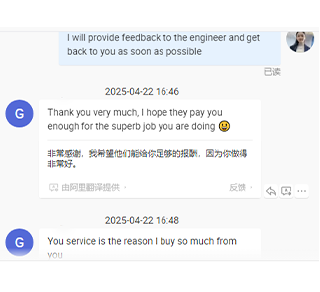
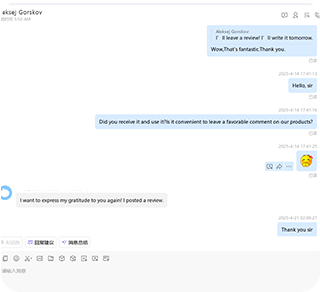
Customer Chat Highlights