Precision Anodized Parts: A Strategic Choice for Durable Industrial Components
Guangdong Yingtai High Precision Technology Co., Ltd. - your trusted partner for custom anodized part manufacturing & export from Dongguan, China.
In industrial manufacturing and precision components sourcing, anodized parts remain a cornerstone for enhancing metal durability and performance. Across sectors such as automotive, aerospace, consumer electronics, and heavy machinery, anodizing treatments improve corrosion resistance, surface hardness, and aesthetic quality of aluminum and other alloys—crucial for components subject to harsh environments and mechanical stress.
But the nuances of anodizing aren't just skin deep. They impact manufacturing workflows, procurement cycles, and ultimately product lifecycle cost. Our expertise at Guangdong Yingtai High Precision Technology Co., Ltd. goes beyond basic electrochemical treatments. With a robust 20+ years track record, we specialize in OEM/ODM anodized parts tailored to exact OEM material specs, aerospace-grade standards, or customized finishes demanded by OEM buyers and distributors worldwide.
From anodic oxide film thickness control, ranging between 5 to 25 microns, to deploying Type II (sulfuric acid) and Type III (hard coat) anodizing, our precision processes handle intricate component geometries and maintain dimensional fidelity to ISO 10072 and MIL-A-8625 industry standards. For procurement managers wrestling with vendor validation or engineers seeking functional surface enhancements that withstand UV exposure and saline corrosion, understanding these anodizing intricacies is invaluable.
Our approach integrates operational realities: streamlined production runs supported by automated conveyor-belt anodizing lines reduce lead time variability, while detailed QC reports trace parameters like voltage, electrolyte composition, and bath temperature adherence. Such transparency mitigates common procurement mistakes like subpar coating durability or surface defects leading to premature failures.
We also observe regional supply chain dynamics impacting container loading efficiency, especially given the varied sizes and uniform thickness requirements of anodized parts. Strategic pack engineering optimizes interlocking of delicate parts minimizing handling damage on multi-stop shipping routes.
This deep-dive article addresses not only the technical advantages but also operational considerations and buyer advice essential for maximizing ROI in anodized parts procurement. Our real-world insights span project-based contract manufacturing, volume scaling challenges, and after-sales maintenance guidance — because surface modifications are only as good as their long-term resilience in application.
Common Industry Hurdles with Anodized Parts
- Inconsistent Coating Thickness: Varying anodic film layers can cause uneven wear and dimensional deviations, impacting assembly tolerances.
- Poor Adhesion and Surface Defects: Insufficient surface prep often results in flaking or bubble formations, especially on complex shapes.
- Corrosion Failures in Harsh Environments: Salt spray and UV exposure degrade improperly sealed anodized parts, reducing lifespan.
- Extended Lead Times & MOQ Constraints: Some suppliers impose high minimum order quantities, penalizing smaller procurement budgets.
- Hidden Cost of Post-Anodizing Machining: Secondary processing can strip key protective layers, a critical mistake unaccounted in some supply chains.
Overhearing from procurement consultants, one common warning stands out: "Don’t compromise on specifying anodizing parameters upfront—especially the sealing processes. It saves weeks down the line."
Why Choose Our Anodized Parts?
Our anodizing solutions blend technical precision with operational efficiency. Here’s how we address industry pain points:
- Controlled Film Thickness & Uniformity: Electrolytic processes with automated voltage and time controls ensure repeatable, exact coatings within ±1 micron tolerance.
- Advanced Surface Preparation Techniques: Multi-stage cleaning and micro-etching prevent adhesion failures, verified by in-line microscopy inspections.
- Enhanced Corrosion & Wear Resistance: Our proprietary sealing protocols using hot water and nickel fluorosilicate solutions add robust protection against environmental degradation.
- Custom Seal Colors & Finishes: Beyond classic clear anodizing, we offer black, bronze, and custom dyed finishes meeting ASTM B580 specifications.
- Rapid Turnaround On Small To Large Volumes: Flexible production scheduling with dedicated lines reduces MOQ restrictions, supporting just-in-time delivery for global supply chains.
- Integrated OEM & ODM Manufacturing: From prototype to full-scale production, our design engineering supports complex component geometries and assembly-ready part delivery.
Technical Specifications & Industry Standards
Selecting anodized parts for high-demand industries requires navigating several technical parameters and certifications:
| Parameter | Specification | Industry Reference | Typical Value |
|---|---|---|---|
| Coating Thickness (Natural Anodizing) | 5 - 15 microns | ISO 7599 / MIL-A-8625 Type II | ~10 microns |
| Hard Anodizing Thickness | 15 - 25 microns | MIL-A-8625 Type III (Hard Coat) | 20 microns |
| Surface Hardness | > 60 HRC equivalent | ASTM B580 | 65-70 HRC |
| Corrosion Resistance (Salt Spray Test) | > 500 hours | ASTM B117 | 600 hours typical |
| Color Range | Clear, Black, Bronze, Custom | ANSI/ISO Color Standards | Custom dyed available |
| Sealing Method | Hot Water & Nickel Fluorosilicate | Industry Best Practice | Standard sealed anodic layer |
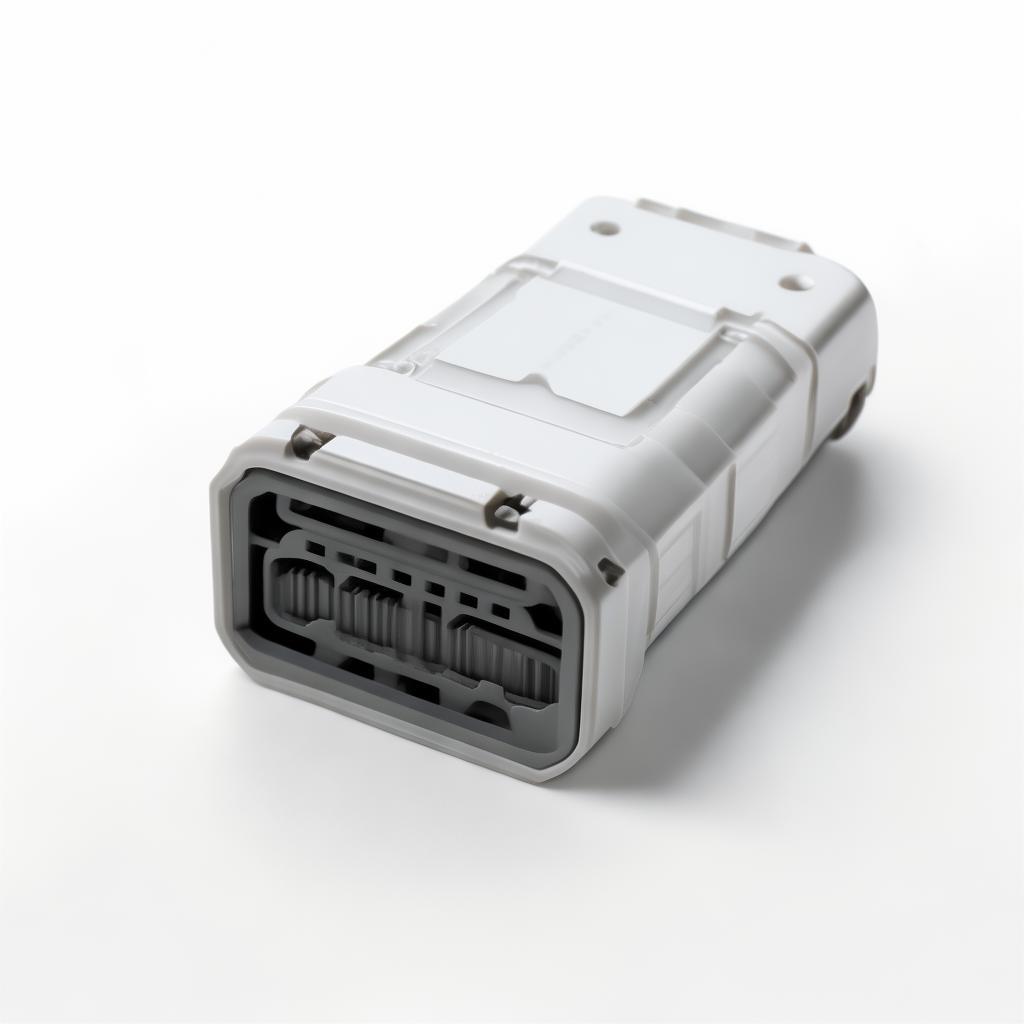
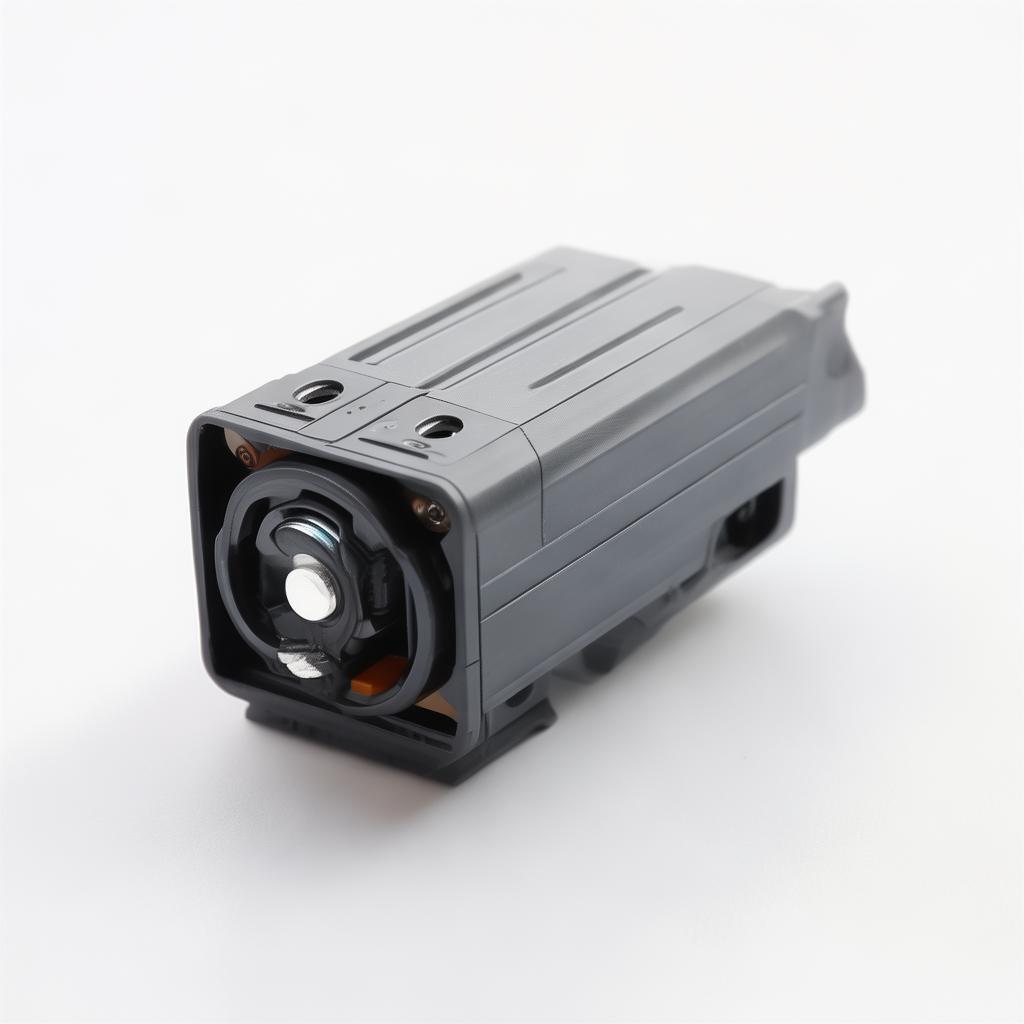
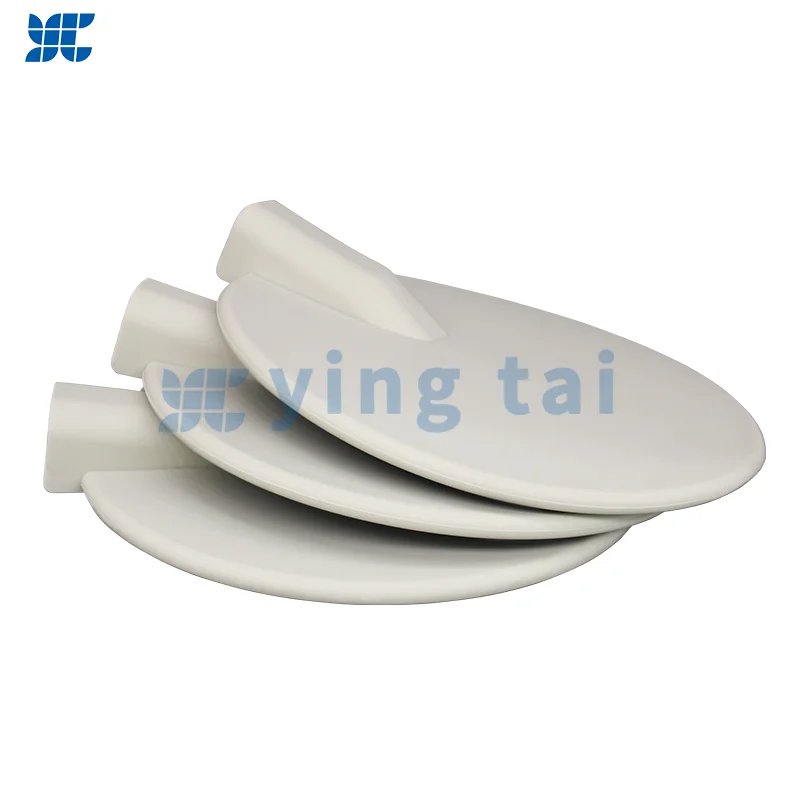
anodized aluminum parts Injection molded encapsulated parts anodizing thickness
Compliance with MIL-A-8625 Type II & III ensures our anodized components meet military and aerospace-grade requirements, supported by rigorous in-house QC testing aligned with ASTM B117 salt spray protocols.
Where Are Anodized Parts Used?
Anodizing enhances aluminum, magnesium, and titanium alloys making them suitable for critical parts in:
- Automotive components: engine covers, trim parts, heat sinks
- Aerospace structural elements: fasteners, brackets subject to abrasion and corrosion
- Consumer electronics: tablet housings, smartphone frames with scratch-resistant finishes
- Medical devices: surgical instruments, implantable device housings
- Renewable energy: solar panel frames and heat dissipation elements
- Industrial machinery: precision gears, machine tool parts
Importers and distributors appreciate our ability to integrate detailed functional requirements early—from corrosion resistance to color coding—that simplifies validation workflows and supports assembly line consistency for demanding OEM clients.
Procurement & Supplier Evaluation – What to Watch For
For purchasing managers and procurement directors, selecting the right anodized parts supplier can feel daunting. Here’s a practical checklist we recommend:
- Certifications & Compliance: Confirm ISO 9001 quality system and adherence to MIL-A-8625 or equivalent anodizing standards.
- Process Transparency: Request process reports documenting anodizing parameters and sealing method specifics.
- Material Traceability: Ensure alumina alloy batches and pre-treatment recycling comply with RoHS, REACH standards.
- Sample Testing: Perform adhesion, hardness, and wear trials in simulated application environments.
- Lead Time & MOQ: Negotiate flexible MOQs and realistic lead time forecasts; review packing methods for container load optimization.
- After-Sales Support: Clarify warranty terms covering defects from anodizing failure or environmental exposure.
Avoid common budget pitfalls by communicating upfront about post-anodizing processes — welding, machining or coating — as these can damage the anodic layer if not handled properly.
Our factory team is available to discuss project specs early for tailored production planning and ensure zero surprises at manufacturing scale.
Frequently Asked Questions
- Q: What metals can be anodized?
- Most commonly aluminum alloys are anodized; magnesium and titanium can also undergo anodizing treatments, though process parameters vary.
- Q: How does anodizing improve corrosion resistance?
- The anodizing process forms a thickened oxide layer that acts as a barrier against moisture and chemical attacks, significantly enhancing durability in corrosive environments.
- Q: Can anodized parts be dyed?
- Yes, dyeing is integrated during the anodizing process before sealing; commonly used colors include black, gold, bronze, and custom shades based on supplier capabilities.
- Q: What is the typical lead time for anodized parts?
- Depending on batch size and complexity, lead times range from 10 to 30 business days; volume orders may require longer due to process scheduling.
- Q: How should anodized parts be packed for export?
- Parts are carefully segregated using anti-static wrapping and foam separators to prevent abrasion during transit; pallets are optimized to maximize container load efficiency.
Customer Feedback & Industry Testimonials

Mark Johnson, Purchasing Manager, California – “Partnering with Guangdong Yingtai has streamlined our component sourcing. Their anodizing quality consistently meets aerospace specs, and delivery reliability is top-tier.”

Susan Lee, Operations Supervisor, Texas – “Their process transparency gave us peace of mind on tight medical device production schedules. The variance control on coating thickness was impressive.”

Michael Tan, Procurement Lead, New York – “We appreciated their willingness to accommodate smaller batch MOQ and the detailed QC documentation for each shipment eased our vendor evaluation process.”
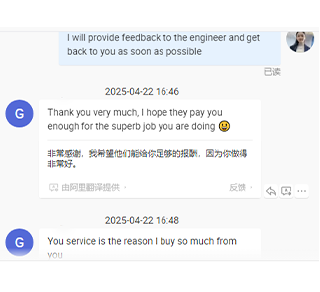
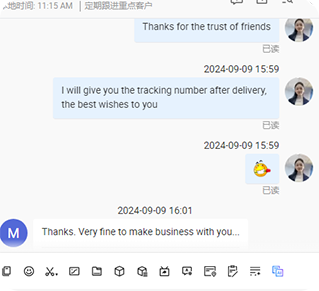
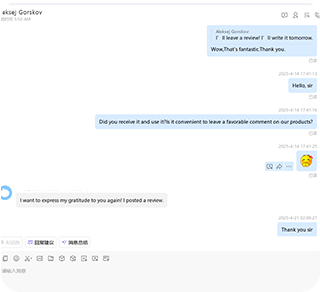
Real-Time Client Interaction Screenshots
Ready to Specify Your Anodized Parts?
Connect with our engineering and export team for tailored quotes, sample requests, and OEM/ODM options.
Contact Us TodayPhone: (Miss Zhang) +86 17722437688 | Email: zmm@yingtai168.com / lh@yingtai168.com | Whatsapp: +86 17722437688