Anodized Vs Powder Coating
Decoding surface finishing choices for aluminum and metal components in international B2B trade Industrial manufacturing and procurement teams face recurring challenges when selecting surface treatments for aluminum and steel components. Problems often arise from

Product Details

Anodized vs Powder Coating: A Technical & Procurement Comparison for Industrial Buyers

Decoding surface finishing choices for aluminum and metal components in international B2B trade

Industry Pain Points in Metal Surface Finishing

Industrial manufacturing and procurement teams face recurring challenges when selecting surface treatments for aluminum and steel components. Problems often arise from unpredictable durability, inconsistent finishes from different suppliers, and unclear lifecycle costs.

Choosing between anodized and powder-coated finishes is more than a cosmetic decision. It impacts corrosion resistance, maintenance schedules, environmental compliance, and even logistics planning due to differences in weight and packaging requirements.

One recurring issue: Late-stage supplier substitutions of coating processes can lead to non-compliance with procurement specs, delayed delivery, and rework expenses.

Operationally, mismatched surface finishes cause integration problems when parts are assembled with untreated components, often exacerbating corrosion and reducing system reliability.

Technical Overview: Anodizing & Powder Coating Processes

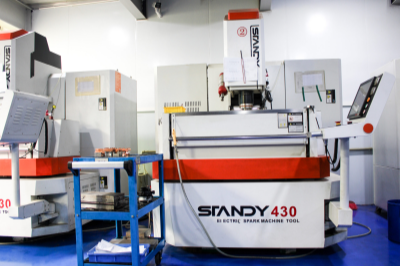
Anodizing process equipment
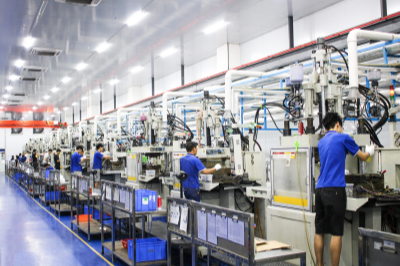
Anodizing line in Dongguan industrial park
Powder coating spray booth
Automated powder coating booth

Both anodizing and powder coating are electrochemical and physical finishing methods predominantly applied to aluminum. Details matter here, especially when precision surface properties affect end-use performance.

Aluminum Injection Molding

Anodizing

  • Process: Electrolytic oxidation forming a controlled oxide layer on aluminum surfaces, typically thickness ranging from 5 to 25 microns.
  • Material Impact: Creates a hard, corrosion-resistant surface integral to the substrate.
  • Finish: Matte to semi-gloss; color options are limited, commonly natural, black, or custom dyes with tight color consistency.
  • Standards: Meets ISO 7599 and AAA class A specifications for thickness and corrosion resistance.
  • Durability: Excellent UV resistance and abrasion resistance; surface pores sealed post-treatment.

Powder Coating

  • Process: Electrostatic spray deposition of dry powder, followed by curing in an oven to form a continuous film.
  • Material Impact: Adds a thick (usually 50-100 microns) polymer layer on the metal surface, acting as a barrier and providing decorative color options.
  • Finish: Wide variety from matte, semi-gloss, to high-gloss; extensive color matching and textured finishes possible.
  • Standards: Commonly adheres to ASTM D5796 for corrosion protection, Qualicoat certifications for decorative outdoor use.
  • Durability: Good chemical resistance, but mechanical damage can expose substrate unless repaired promptly.

Material & Performance Comparison

Aspect Anodized Finish Powder Coating
Surface Hardness High - Hard oxide layer resists scratches Medium - Polymer coating can chip or crack
Corrosion Resistance Excellent in mild to moderate environments Very good, dependent on coating thickness & quality
Color Options Limited to dyes, subtle range Extensive, multiple finishes & textures
UV Stability Superior - no fading, suited for outdoor Good, but color fade possible over time
Maintenance Minimal - wipe clean; no peeling risk Requires care to avoid chipping; touch-ups needed
Lead Time Typically shorter; relatively simple tank process Usually longer due to curing & powder handling
Environmental Compliance Eco-friendly; no VOCs, water-based electrolytes Low VOC; powders are industrially controlled

anodize vs powder coat anodised aluminium coating powder coating finish options

*Note: Performance varies with supplier quality and process control; seek ISO and CE certifications for assurance.

Practical Application Scenarios

Knowing where each finish excels helps avoid costly mistakes in project specifications and product lifecycle.

Ideal for Anodizing

  • Architectural aluminum panels with long outdoor exposure
  • Consumer electronics housings requiring scratch resistance
  • Food-grade and medical equipment where chemical stability is critical
  • New energy vehicle interior and exterior trims demanding durability and consistent aesthetics
  • Wear parts for lightweight industrial machinery

Ideal for Powder Coating

  • Steel and iron parts such as HVAC enclosures, frames, and piping
  • Custom color projects for furniture and outdoor fixtures needing design versatility
  • Heavy-duty industrial tools and automotive parts requiring chemical resistance
  • Bulk batch components where uniform color is a priority
  • Civil engineering hardware exposed to moderate corrosion but requiring fast turnaround

Buyer & Procurement Guidance for Surface Finish Selection

Procurement decisions carry weighty implications on product lifecycle cost, warranty claims, and client satisfaction. Here are proven insights from field experience at Guangdong Yingtai High Precision Technology Co., Ltd.

  • Specify Standards: Always demand anodizing to meet ISO 7599 or powder coating to meet Qualicoat Class 1 or 2 certifications.
  • Request Samples: Validate color and surface uniformity under your operational environment before bulk orders.
  • Audit Supplier Process: Prefer factories with integrated surface finishing departments and digital quality control systems.
  • Consider Logistics: Powder-coated items need extra care to avoid scratching in container loading—coordinate packaging accordingly.
  • Look for OEM/ODM Flexibility: Some projects benefit from combining injection molded components with overmolded silicone seals for assembly readiness.
  • Plan Maintenance: Determine if your end users can sustain delicate coatings; anodized finishes are generally lower maintenance.
  • Negotiate Lead Times: Bulk anodizing cycles typically run 5-7 working days; powder coating curing can add 2-3 more depending on the color and thickness.

Frequently Asked Questions

Q: Which surface finish provides better corrosion protection for coastal environments?
Anodizing offers superior corrosion resistance against salt spray and UV exposure due to its stable oxide layer. Powder coating can be suitable if the coating is thick and well-maintained but is more prone to chipping in harsh marine environments.
Q: Can powder coating be applied to non-aluminum metals?
Yes, powder coating is extensively used on steel and iron components. However, anodizing is specific to aluminum alloys due to its electrochemical basis.
Q: What is the typical lifespan difference between anodized and powder-coated finishes?
Under normal exposure, anodized surfaces can last 10-15 years or longer without significant degradation, while powder-coated finishes generally last 7-10 years, depending on environmental factors and maintenance.
Q: How to evaluate supplier quality for anodizing or powder coating?
Request documented certifications such as ISO 9001, adherence to ASTM or Qualicoat standards, and conduct factory audits. Verify process controls and batch consistency by inspecting previous shipments and sample testing.
Q: Are there environmental or regulatory considerations?
Both processes are environmentally controlled. Anodizing uses water-based electrolytes, producing minimal VOCs. Powder coatings are low-VOC and recyclable, but powder overspray management is critical. Confirm supplier compliance with local EPA and OSHA regulations.

Client Testimonials

Client: Emily Carter Emily Carter, Procurement Manager, Midwest Industrial Supply

"Yingtai's anodized aluminum parts consistently meet our corrosion resistance specs, especially for components used outdoors. The supplier's transparent process documentation and quick response times reduce our approvals bottleneck. Highly recommended for B2B sourcing."
Get in Touch