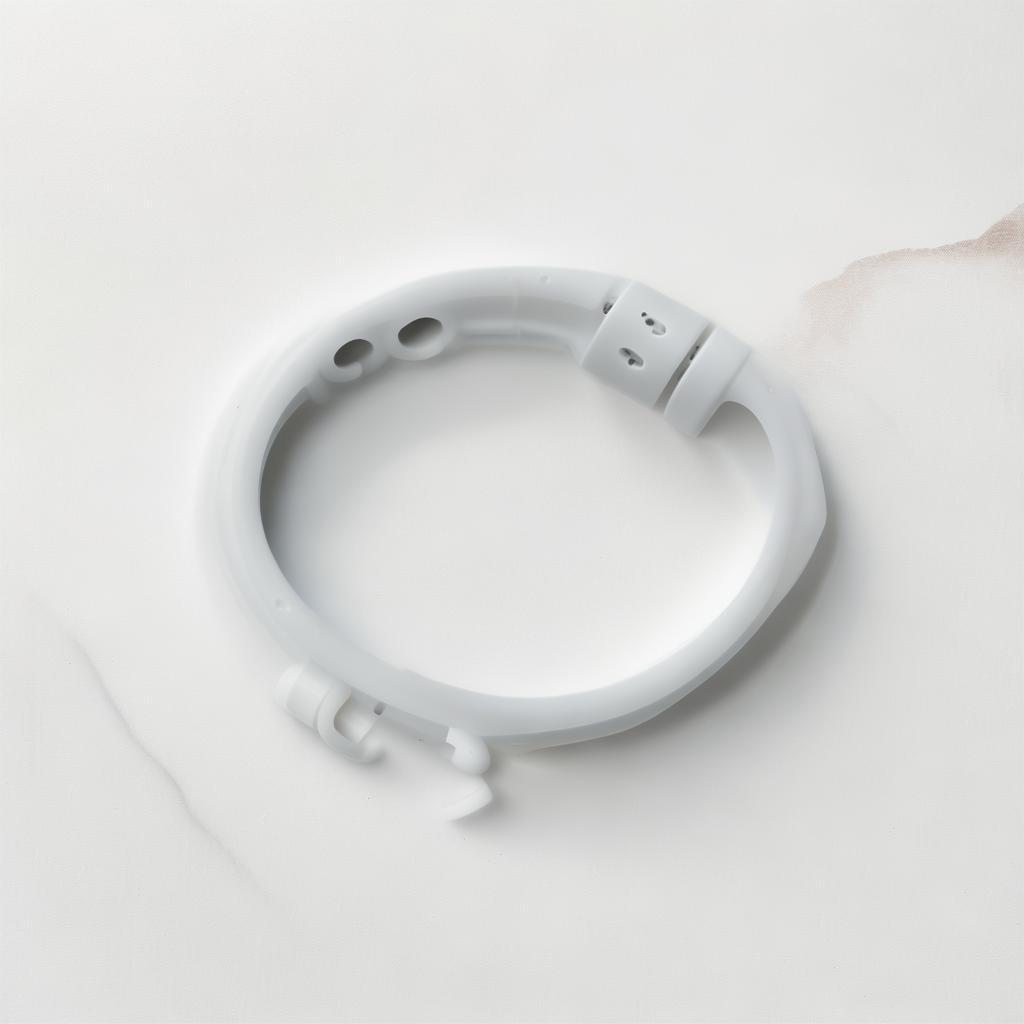
Selecting the right anti-vibration bushings is a critical factor for manufacturers, distributors, and procurement professionals working across industries like automotive, industrial machinery, construction equipment, and HVAC systems. These bushings act as a resilient interface
Product Details
Anti-Vibration Bushings: The Industrial Procurement Guide for Durable Vibration Isolation
Understanding the Value and Market Trends of Anti-Vibration Bushings
Selecting the right anti-vibration bushings is a critical factor for manufacturers, distributors, and procurement professionals working across industries like automotive, industrial machinery, construction equipment, and HVAC systems. These bushings act as a resilient interface between vibrating parts, protecting sensitive components from premature wear, noise pollution, and structural damage. Over the past decade, requirements for vibration isolation solutions have evolved rapidly to accommodate higher load capacities, extreme temperature conditions, and stricter regulatory compliance.
From the standpoint of global industrial trends, the demand for premium-quality anti-vibration bushings continues to accelerate. Suppliers are reporting an uptick in bulk inquiries aligned with tightened ISO 10846 and ISO 1940-1 standards for vibration damping and balance. Notably, the diversification of bushings using advanced materials such as liquid silicone rubber (LSR), polyurethane blends, and high-grade neoprene has improved overall durability and chemical resistance, especially in harsh environments.
While many suppliers emphasize low price points, the operational reality—informed by our production engineers and export managers—is that poorly chosen or cheap bushings often lead to interruptions, increased maintenance, and elevated lifecycle costs. Our 20+ years of experience in Dongguan manufacturing confirm that investing in expertly designed anti-vibration bushings with thorough quality assurance leads to better long-term ROI.
For procurement specialists prioritizing reliable ISO/TS certified suppliers and streamlined logistics, understanding the interplay between bushing design, materials, and performance metrics is non-negotiable. Not only does this affect installation ease and maintenance cycles, but it also impacts container loading efficiency, compliance with environmental regulations like RoHS and REACH, and adaptation to climate factors such as UV resistance or oil immersion.
Moreover, industrial developments have spotlighted the importance of bushings that support multi-axis vibration isolation—a demand especially visible in evolving sectors like electric vehicles and renewable energy. In such contexts, OEM/ODM partnerships capable of hybrid material molding and precision tooling mean the difference between a compliant product and recurring warranty claims.
Considering these factors, our guide walks you through the technical insights, practical buyer’s cautions, and actionable measures to effectively source anti-vibration bushings tailored to your operational needs.
Industry Pain Points Impacting Vibration Isolation Components
Premature Wear and Deformation: Many bushings fail early due to unsuitable rubber compounds or improper hardness selection, resulting in costly downtime.
Noise and Vibration Leakage: Insufficient damping capacity means machinery noise exceeds acceptable limits, violating environmental or workplace safety regulations.
Installation Difficulties: Bulky or poorly designed bushings complicate assembly, increasing labor time and error rates on production lines.
Supply Chain Delays: Lack of transparent lead times and ineffective logistics planning can delay projects and inflate manufacturing costs.
Non-Compliance with Standards: Bushings not meeting ISO 10846 or ASTM D2000 standards face rejection during quality audits, creating rework cycles.
Inconsistent Material Quality: Overseas procurement risks including variable rubber batch quality and subpar injection molding create waste and warranty risks.
Environmental Exposure: Failure to consider UV resistance, oil/chemical exposure, or temperature cycling leads to accelerated degradation.
Technical Overview: How Anti-Vibration Bushings Protect Your Assets
At their core, anti-vibration bushings are precision-engineered elastomeric components designed to decouple mechanical vibrations from structural elements. They are typically composed of a rubberized vibration-damping element securely bonded to an internal steel sleeve or core. The design goal centers on balancing stiffness and elasticity to optimally absorb frequencies generated by rotating or reciprocating machinery parts.
Manufacturing process workflows often emphasize liquid silicone rubber (LSR) injection molding or compression molding depending on volume and complexity. The choice has a direct impact on tolerances, surface finish, and consistency. For OEM-grade bushings, LSR molding is recognized for producing uniform, biocompatible seals with superior thermal resistance, resistant to temperatures ranging from -60°C to +230°C.
Common rubber compounds used in anti-vibration bushings include:
Neoprene: Good oil and weather resistance, suited for outdoor applications.
Natural Rubber (NR): Excellent resilience and damping but less chemical resistant.
Polyurethane: High load capacity with abrasion resistance, ideal for heavy-duty industrial use.
Silicone Rubber (LSR): Outstanding temperature range and elasticity, with FDA and RoHS compliance options.
From a design perspective, you might encounter different geometries including cylindrical, spherical, or conical bushings depending on vibration directional requirements. Proper durometer rating (typically between 50 to 80 Shore A) must match the machine's dynamic loads.
Material & Performance Comparison of Common Anti-Vibration Bushing Compounds
Material
Temperature Range
Chemical Resistance
Typical Hardness (Shore A)
Best Use Case
Neoprene
-40°C to 120°C
Good resistance to oils, ozone, weather
50-70
Outdoor machinery, automotive mounts
Natural Rubber (NR)
-50°C to 80°C
Limited chemical resistance
40-70
General vibration damping, shock absorption
Polyurethane
-30°C to 100°C
Excellent abrasion and tear resistance
70-90
Heavy-duty industrial equipment, conveyors
Liquid Silicone Rubber (LSR)
-60°C to 230°C
Excellent chemical and UV resistance, FDA compliant options
40-80
Medical, automotive, aerospace, temperature critical applications
Document installation dates and material batch numbers for traceability in quality audits.
Procurement Risk Reduction & Selecting the Right Supplier
As a procurement consultant with experience in managing supply chains for OEMs and industrial buyers, I cannot overstate the importance of supplier due diligence when sourcing anti-vibration bushings. Several factors can make or break your sourcing strategy:
Factory & Quality Certifications: Ensure suppliers hold at minimum ISO 9001 certification. Preferably, look for those with ISO/TS 16949 for automotive-grade components or UL certifications if electrical insulation is needed.
Material Traceability: Ask for batch reports and material certificates, especially verifying compliance with RoHS, REACH, FDA, and other industry-relevant standards.
Production Capacity & Lead Times: Choose vendors capable of maintaining stable lead times and flexible order quantities to avoid production disruptions.
OEM/ODM Capability: For custom designs or proprietary compounds, partner with factories that can support prototype tooling, design validation, and small-to-medium volume injection molding cycles.
Logistics & Export Expertise: Working with a supplier experienced in container loading optimization and international freight can reduce shipping delays and cost overruns.
After-Sales Support & Technical Collaboration: Effective communication channels, detailed product specs, and access to engineering support improve procurement confidence and minimize rework.
For example, Guangdong Yingtai High Precision Technology Co., Ltd., with over 20 years in precision molding and strong export proficiency, offers a full industry chain from mold development to finished product manufacture. They operate 55 LSR molding machines and maintain strict product tests aligned with global standards.
Actionable advice: Request detailed product data sheets, visit factory if possible, and schedule sample trials before committing to high-volume orders.
Frequently Asked Questions (FAQs)
Q: How do I choose the right hardness of anti-vibration bushing?
A: The ideal hardness depends on the load, vibration frequency, and environmental conditions of your application. Softer compounds (40-60 Shore A) are better at damping low-frequency vibration, while harder bushings (70-80 Shore A) can support heavier loads but transmit more vibration.
Q: Can bushings be custom molded to specific dimensions?
A: Yes. Experienced OEM/ODM factories offer tooling development for custom sizes and materials, allowing tailored solutions for unique vibration isolation requirements.
Q: What are common signs that a bushing needs replacement?
A: Observe cracking, permanent deformation, oil swelling, excessive noise, or looseness in mounts. Regular inspection intervals help avoid unexpected failures.
Q: How do environmental factors affect bushing selection?
A: UV exposure, chemical contact, and temperature extremes degrade certain rubbers quicker. Silicone and neoprene have better resistance profiles for such conditions.
Q: What are typical lead times for bulk orders?
A: Depending on tooling readiness, batch sizes, and logistics, typical turnaround ranges from 4 to 8 weeks. Establish clear timelines with your supplier to align with your project schedule.
Customer Reviews & Operational Insights
David R., Purchasing Manager (Midwest USA)
"We switched to Yingtai’s liquid silicone rubber bushings last year for our HVAC equipment line. The durability and heat resistance far exceeded previous suppliers’ products. Installation went smoothly and their team helped with fitment specs. Reduced vibration-related warranty calls by nearly half in 12 months — a practical improvement we appreciate."
Get in Touch
If you have any camping barbeque equipment inquiry, please feel free to contact us.