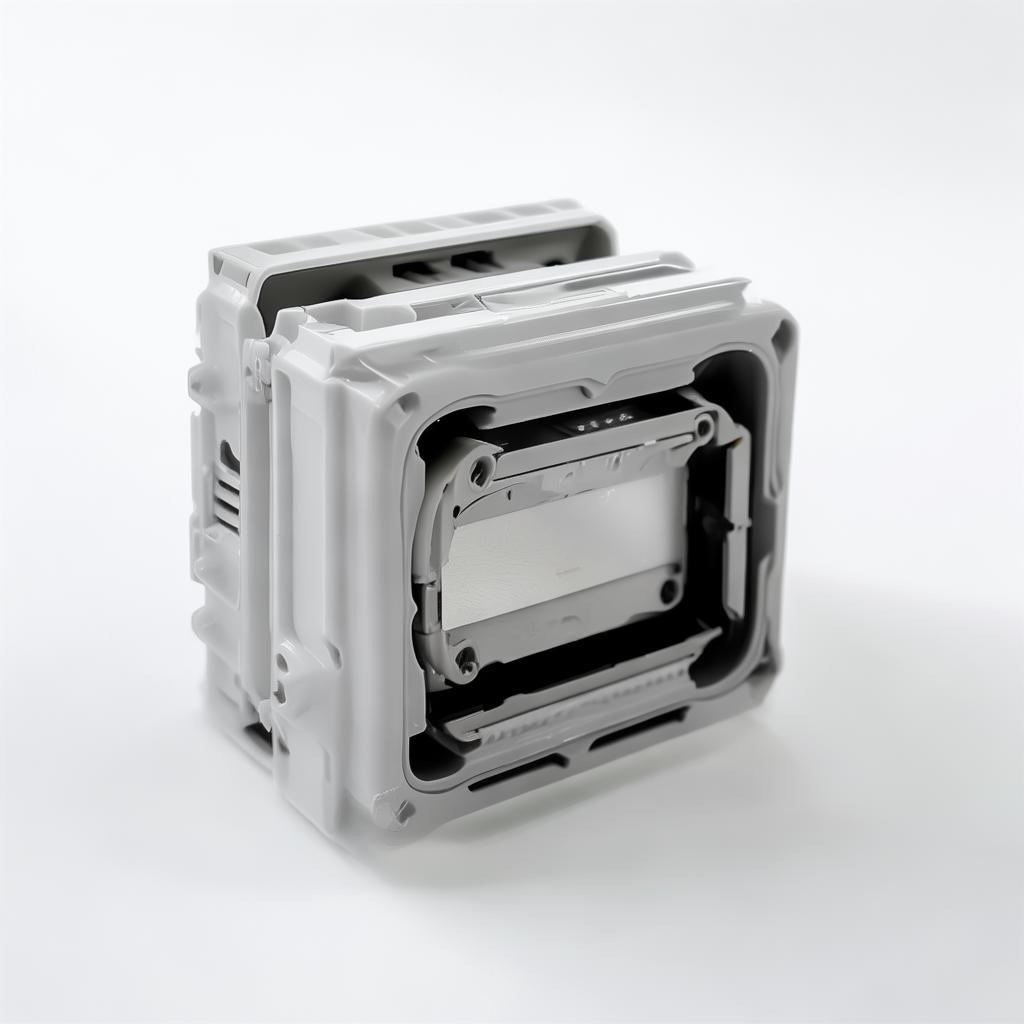
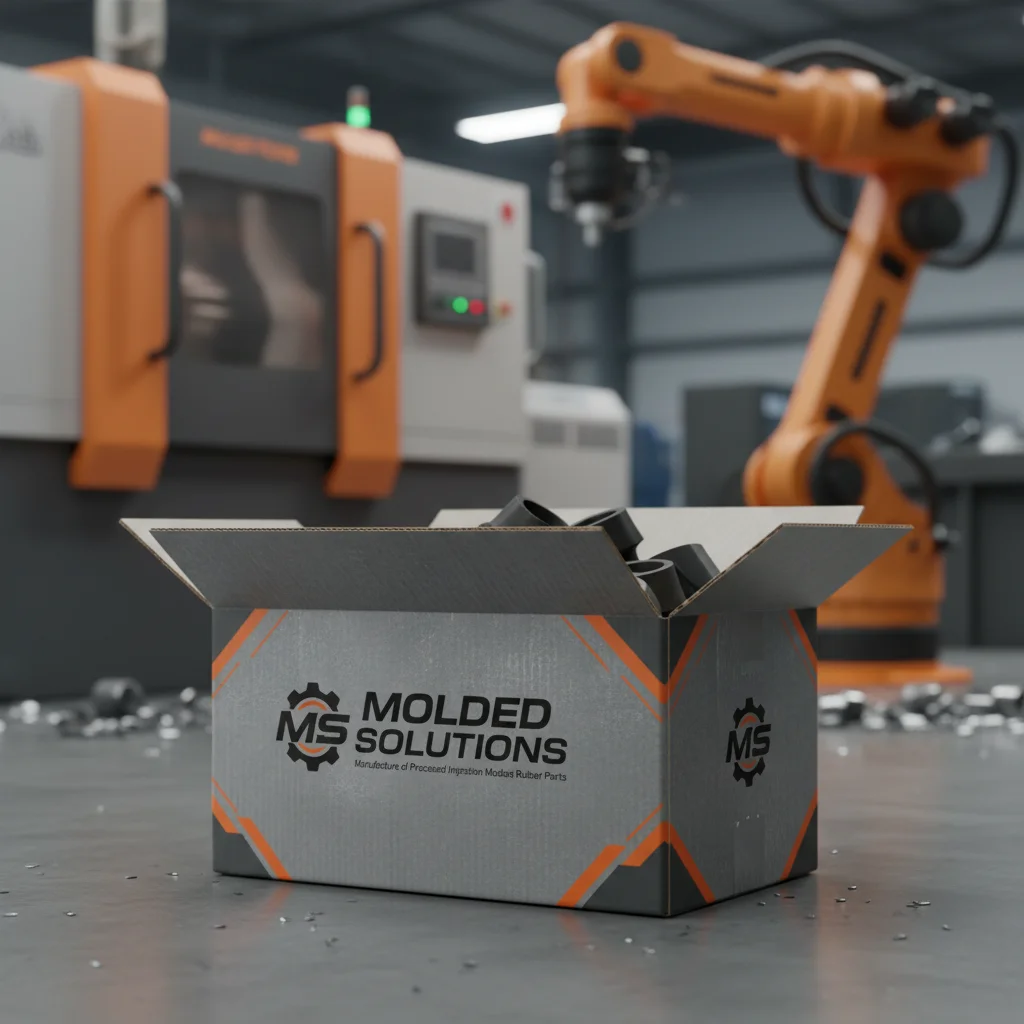
Guangdong Yingtai High Precision Technology Co., Ltd. presents durable, high-performance anti vibration bushings engineered for advanced noise damping and mechanical shock absorption across multiple industries. Industrial equipment, automotive systems, and manufacturing machinery all generate
Product Details
Anti Vibration Bushings: Precision Solutions for Industrial Noise and Shock Isolation
Guangdong Yingtai High Precision Technology Co., Ltd. presents durable, high-performance anti vibration bushings engineered for advanced noise damping and mechanical shock absorption across multiple industries.
Industrial Noise and Vibration Challenges
Industrial equipment, automotive systems, and manufacturing machinery all generate unwanted vibrations and noise that can rapidly degrade performance, cause premature wear, and create unsafe work environments. Without proper isolation solutions, these vibrations translate into increased maintenance costs and reduced machinery lifespan.
From my years working alongside procurement teams in the USA and Europe, I’ve observed that many companies overlook the importance of precision-engineered anti vibration bushings during planning phases. Under- or over-specifying material hardness, overlooking compliance standards like ISO 10846 or ignoring environmental factors — such as corrosive conditions — frequently lead to failures in field installations.
**Common pain points include:**
Incorrect bushing hardness causing insufficient vibration dampening or premature cracking
Material incompatibility in chemically harsh or UV-exposed environments
Delays from inadequate supplier communication or lengthy lead times
Unrealistic pricing expectations neglecting precision production costs
Installation errors leading to bushings deforming under torque or shear stress
Hence, it’s essential to adopt solutions balancing operational efficiency with solid, field-proven material engineering.
Technical Overview: Anti Vibration Bushings
Anti vibration bushings are specialized components designed to mitigate the transmission of shock and vibrational energy between mechanical parts. Structurally, these bushings usually consist of a metal sleeve surrounded or bonded to an elastomeric material — commonly liquid silicone rubber (LSR), natural rubber, or urethane.
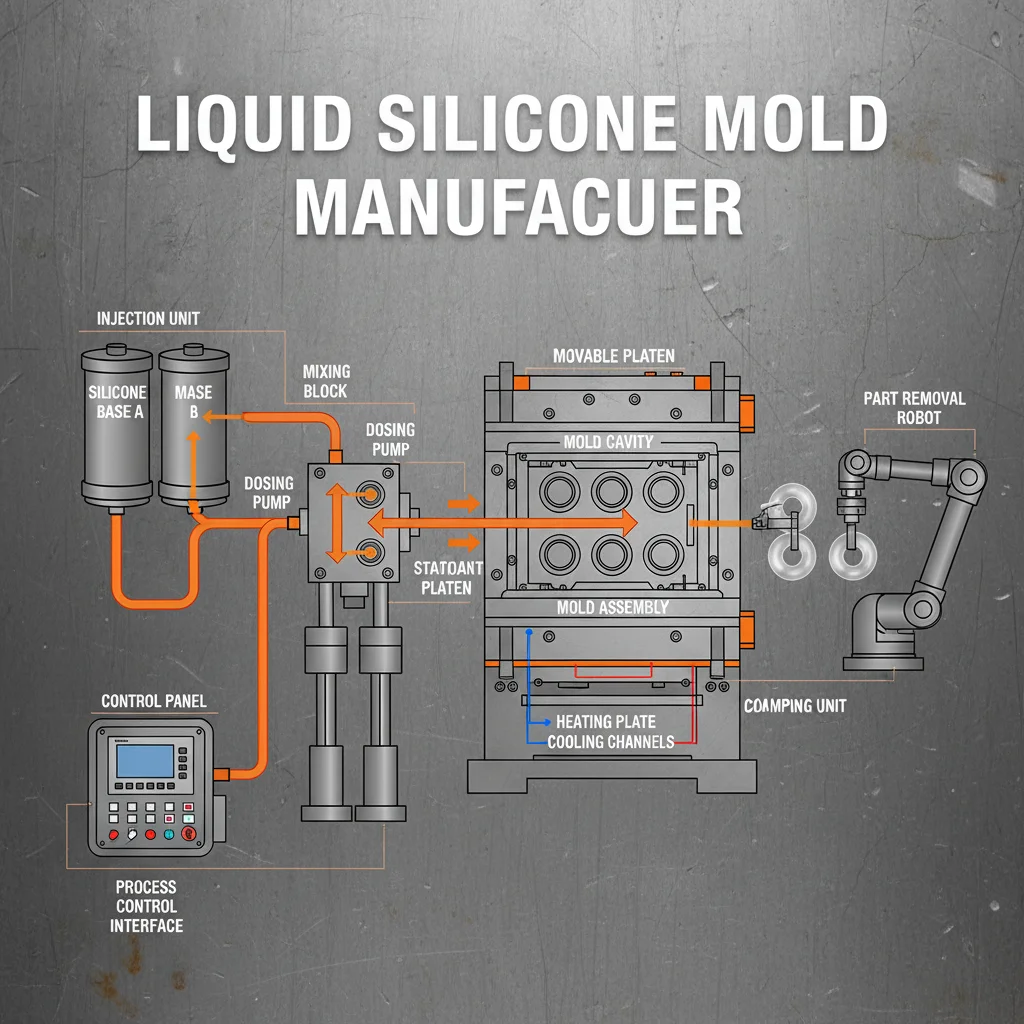
The LSR variety is gaining traction globally due to its excellent elasticity, UV resistance, chemical stability, and broad temperature operating range (-60°C to 230°C). Guangdong Yingtai manufactures LSR bushings utilizing over 55 liquid silicone molding machines optimized for injection precision, ensuring tight tolerances — often within ±0.02mm.
Thermal endurance: Maintains viscoelastic properties under high heat exposures from engine bays or industrial machines.
Environmental resistance: Unaffected by oils, greases, ozone, and solvents typical in manufacturing or automotive sectors.
Mechanical strength: Supports high radial and axial loads without permanent deformation or extrusion failures.
This product class often adheres to SAE J162, ISO 9128, ASTM D2000 standards, signifying controlled hardness (Shore A values typically ranging from 40 to 80) and elasticity suitable for demanding industrial applications.
Choosing the right elastomer is critical for achieving optimal vibration isolation and durability. Here’s a concise overview specific to bushings:
Material
Hardness Range (Shore A)
Temperature Range (°C)
Key Benefits
Common Drawbacks
Liquid Silicone Rubber (LSR)
30 - 70
-60 to 230
Excellent heat & chemical resistance, biocompatible, UV stable
Higher cost vs natural rubber
Natural Rubber
40 - 90
-50 to 70
Cost-effective, good elasticity, popular industrial standard
Poor ozone/UV resistance, degrades with oils
Polyurethane
60 - 90
-40 to 85
High abrasion resistance, good tear strength
Stiffer; less effective damping in low frequency
Given the critical nature of vibration isolation, it’s advisable to consult production specialists to align material hardness and resilience to your equipment’s dynamic load and environment. Guangdong Yingtai offers OEM and ODM services to customize formulations and tooling to exact requirements.
Typical Industrial Applications
The versatility of anti vibration bushings makes them integral to many sectors. Here are some representative uses:
Home appliances: Washing machines, compressors, HVAC units benefit from vibration isolation to reduce operational noise and prolong service life.
Electronics: Shock absorbers for delicate instruments in medical devices or communication equipment.
Renewable energy: Anti vibration bushings in wind turbines and solar arrays minimize structural fatigue from cyclic loads.
*Selecting bushings involves assessing frequency ranges, amplitude, operating temperature, and dynamic load conditions — all factors Yingtai's engineering team evaluates during project scoping.*
Procurement & Supplier Evaluation
During procurement, rigid criteria beyond price should govern supplier selection for anti vibration bushings. Based on working worldwide with procurement directors, here’s the logic applied:
Material traceability: Suppliers must document raw materials (e.g., LSR grades, additives) and ensure compliance with standards like ISO 9001 or ISO/TS 16949 for automotive parts.
Production capabilities: Modern injection molding machines capable of meeting micron-level tolerances ensure consistent part performance.
Lead times & MOQ: Regional logistical constraints and container loading optimization (40ft HQ container capacity) affect delivery timing and costing.
Custom tooling & R&D: OEM/ODM collaboration to develop tailored solutions with precision molds reduces rework and fitting issues.
We encourage purchasing managers to request free samples early and engage with engineering teams to verify fitment and material suitability before large-scale orders.
Quality Assurance & Certifications
Certification presence underlines credibility and aligns with international procurement policies. Guangdong Yingtai proudly holds the following certifications relevant to anti vibration bushing manufacturing:
ISO 9001: Consistent quality management systems for manufacturing.
CE Marking: Compliance with EU regulations for safety and environmental impact.
RoHS: Restriction of hazardous substances in electrical equipment parts.
Additional internal testing covers elastomer aging (ASTM D573), tear resistance, and hardness consistency to ensure long-term operational safety and functional integrity.
Logistics and Shipping Considerations
Industrial buyers often underestimate the complexity of shipping vibration dampers. Key points include:
Packaging: Shock-absorbing and moisture-resistant packaging essential to prevent dimensional deformation or contamination during transit.
Container optimization: Our factory uses 40ft HQ containers, efficiently stacking molded bushings using bulk trays designed per part geometry, reducing freight cost per unit.
Lead times: Typical production lead times run 20–30 days post order confirmation, depending on tooling status and order volume.
Customs support: Guangdong Yingtai provides complete export documentation and can support HS code classification for smooth clearance.
Planning shipments with realistic lead times avoids expensive project delays. Early procurement also allows batch testing before full deployment in production lines.
Buyer FAQs
Q1: How do I determine the correct hardness for my anti vibration bushings?
Typically, medium hardness grades (Shore A 50-70) balance flexibility and load-bearing for most industrial applications. However, precise selection depends on vibration frequency, part load, and operational temperature. Engaging suppliers early with application details is crucial.
Q2: Can Yingtai supply custom sizes or OEM designs?
Yes, our comprehensive tooling and mold development capabilities accommodate bespoke designs, and we facilitate ODM/OEM projects with strict adherence to dimensional and material specs.
Q3: What environmental conditions can these bushings withstand?
Our LSR bushings resist oils, greases, ozone, UV rays, and sustain stable performance in temperatures from -60°C up to 230°C, suitable for harsh industrial environments.
Q4: What quality controls ensure product consistency?
We conduct in-process checks for dimension, hardness, and visual defects, supported by final batch testing using ASTM and ISO referenced methods.
Q5: How can I get samples for testing?
Contact our sales team to request free samples. We encourage buyers to perform onsite testing to verify compatibility and performance before volume orders.
Customer Feedback
John P., Procurement Manager - Automotive Supplier, Ohio, USA:
"We initially struggled with inconsistent bushing hardness from previous vendors. Yingtai’s LSR anti vibration bushings have shown remarkable durability and consistent performance across our assembly lines, reducing complaints by 40%. Their engineering team helped customize formulations perfectly for our engine mounts."
Get in Touch
If you have any camping barbeque equipment inquiry, please feel free to contact us.



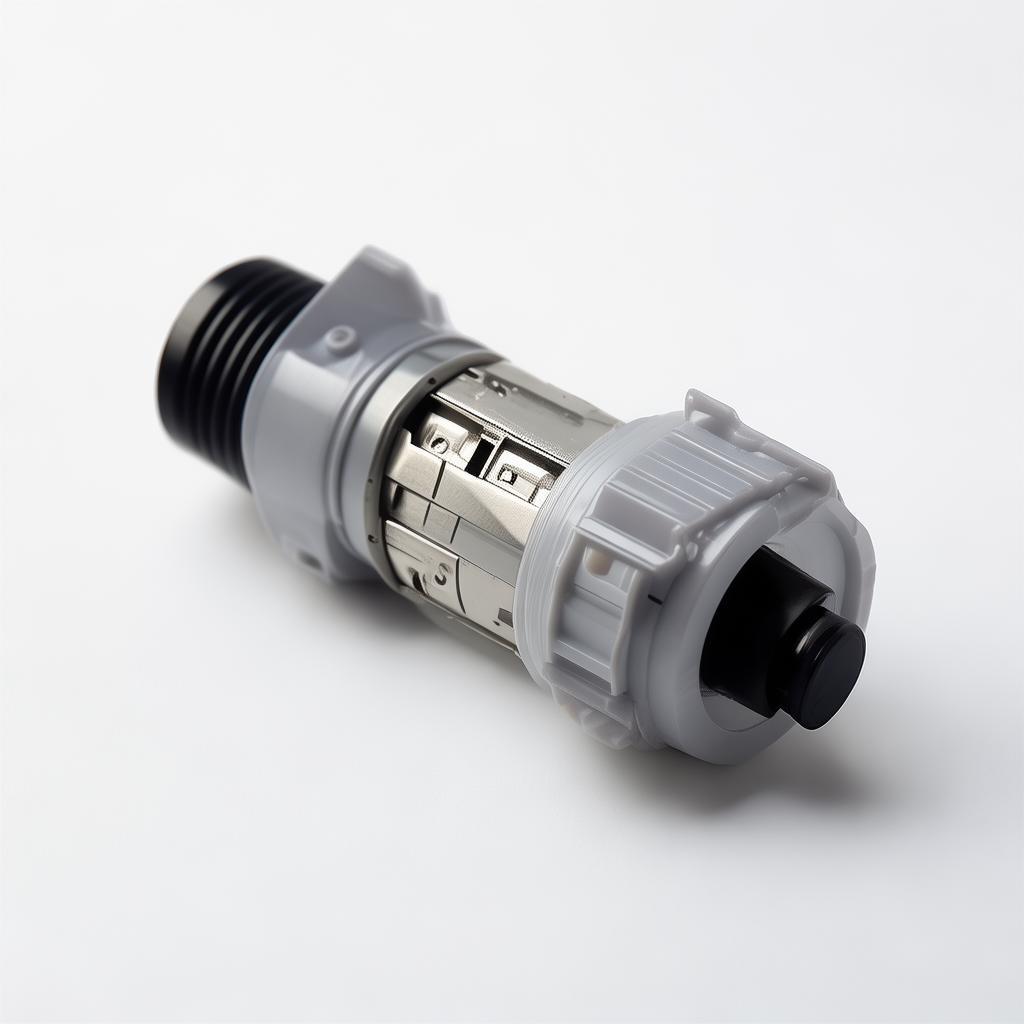
 ISO 9001: Consistent quality management systems for manufacturing.
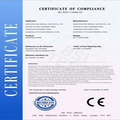 CE Marking: Compliance with EU regulations for safety and environmental impact.
 RoHS: Restriction of hazardous substances in electrical equipment parts.