Guangdong Yingtai High Precision Technology Co., Ltd. | Expert Exporters & OEM Manufacturers Industries reliant on heavy machinery, HVAC systems, automotive components, and electronic equipment face persistent noise and vibration challenges. These vibrations don’t
Product Details
Anti Vibration Isolator Rubber: Precision Solutions for Industrial Noise & Shock Control
Industries reliant on heavy machinery, HVAC systems, automotive components, and electronic equipment face persistent noise and vibration challenges. These vibrations don’t just disrupt operational efficacy but can accelerate equipment wear, increase maintenance cycles, and diminish overall safety. Procuring high-quality anti vibration isolator rubber components has become vital — especially where longevity, precision damping, and regulatory compliance matter.
In the United States and across English-speaking industrial markets, procurement managers increasingly scrutinize vibration isolators for reliability under variable dynamic loads. Misjudging material properties or overlooking installation nuances have caused costly downtime for many firms. For example, resilience against temperature extremes, chemical exposure, and UV degradation must be factored into isolator material selection to avoid premature failure.
Operational environments such as manufacturing plants, commercial buildings, and transportation hubs demand isolators that reduce noise pollution and protect sensitive electronics from shock. This requires isolators made from sophisticated polymers or liquid silicone composites developed with exacting standards.
We hear from many purchasers who grapple with:
Identifying rubbers resistant to environmental stress cracking and compression set
Balancing anti-slip and cushioning properties for secure, vibration-free mounting
Sourcing from suppliers with proven quality assurance and test certifications
Ensuring rapid availability considering complex international shipping logistics
Addressing such challenges calls for analytical expertise in design, production, and supply chain optimization — areas where our 20+ years of experience at Guangdong Yingtai High Precision Technology Co., Ltd. distinctly positions us as a leading OEM/ODM manufacturer and exporter.
Anti Vibration Isolator Rubber: Product Overview
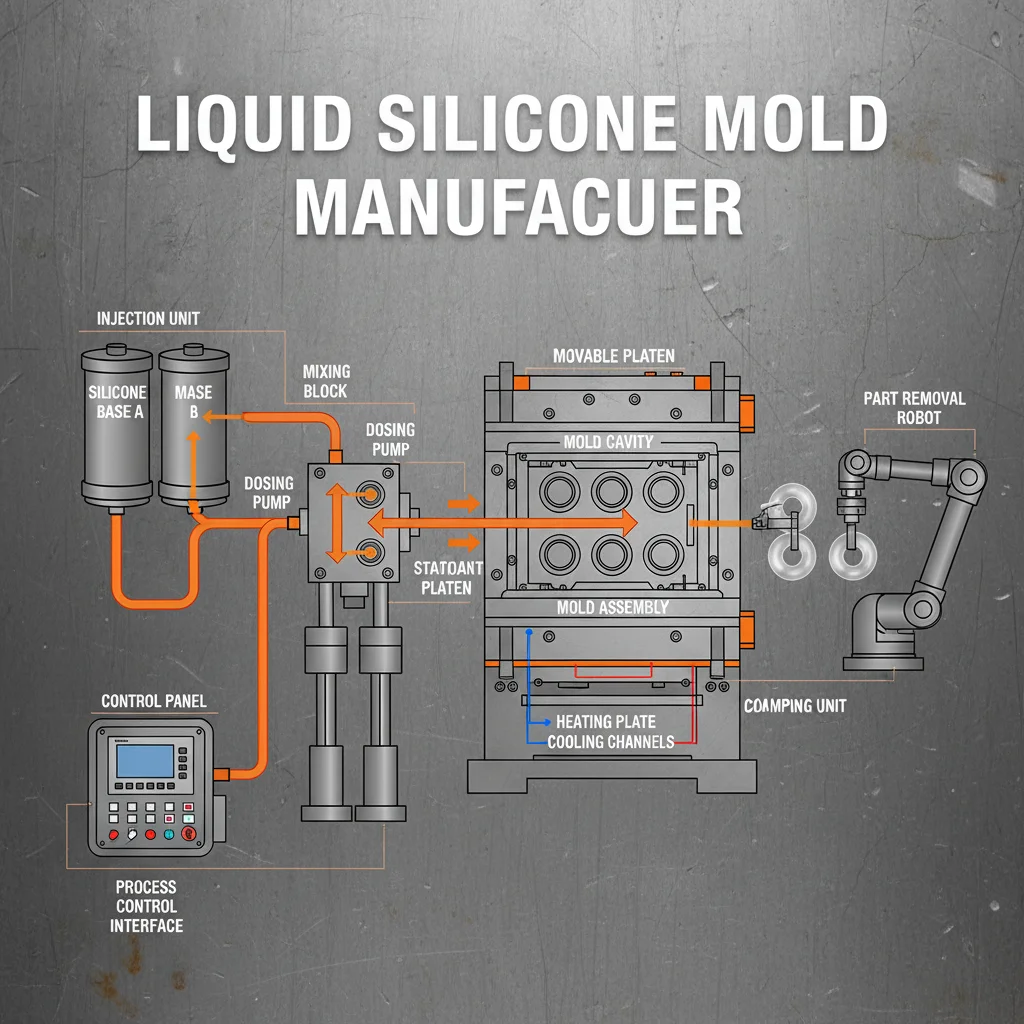
Our anti vibration isolator rubber units are fabricated using premium-grade elastomers, including Liquid Silicone Rubber (LSR) and specialized EPDM blends tailored for industrial vibration damping. The overmolding techniques we employ ensure superior integration between different materials while meeting ISO 9001 and CE certification requirements.
Key characteristics of our isolators include:
Effective Damping: Material formulations optimized for a wide frequency range of vibration absorption
Durability: Resistance against thermal aging, UV radiation, oils, and common industrial solvents
Flexibility: Custom stiffness and hardness profiles (Shore A 30-70) available to meet specific load requirements
Customization: Prototype-to-production OEM/ODM services supporting compression, liquid injection, and transfer molding processes
Precision Molding: Utilizing 55 liquid silicone molding machines and 80 injection machines to ensure tight tolerance adherence
Anti-Slip Backing: Optionally integrated for secure positioning in high-vibration zones
We recognize the importance of both engineering-grade raw materials and advanced manufacturing workflows, as emphasized in reports from Grandview Research and Research Nester, highlighting growing demand for biocompatible, high-performance LSR in industrial components.
Technical Specifications & Material Insights
Property
Typical Range
Notes
Material Types
Liquid Silicone Rubber (LSR), EPDM, Neoprene
LSR favored for precision molding; EPDM for weather resistance
Hardness (Shore A)
30 - 70
Customizable based on load and flexibility requirements
Industry practitioners should note that selecting the correct compound and hardness is not trivial. As referenced in MDPI’s material characterization study, improper data inputs during simulation can lead to defects and premature performance degradation.
Applications & Installation Considerations
Our anti vibration isolator rubbers serve across diverse sectors:
HVAC Systems: Mounts for compressors, fans, and pumps to minimize noise transfer
Automotive: Engine mounts, chassis dampers, and exhaust system supports
Industrial Machinery: Machinery mounts, presses, and conveyor system isolators
Electronics & Communication: Vibration damping for sensitive equipment and base stations
Home Appliances: Washers, dryers, and kitchen appliances requiring noise reduction
When installing, several operational nuances come into play:
Ensure correct compression load; over-tightening can reduce isolator lifespan.
Account for temperature fluctuations; materials like LSR offer wider tolerances.
Use anti-slip backing or adhesives as needed to prevent lateral movement.
Consider long-term exposure to chemicals or UV - white EPDM grades may offer superior weather resistance.
Installation orientation matters — design isolator geometry for shear or compression forces appropriately.
As operational feedback has shown, many procurement mistakes come from mismatched isolator hardness or ignoring environmental conditions, resulting in early failures. The installation guide we supply with bulk orders includes practical insights based on decades of field experience.
Expert inspection during final quality control at Yingtai Factory
Procurement Guidance & Supplier Evaluation
Successfully sourcing anti vibration isolator rubber components requires more than price comparison. Buyers should assess:
Material Traceability: Ask for certificates like ISO 9001, CE, RoHS to verify compliance.
Production Capability: Confirm tooling sophistication, dimensional tolerances, and batch consistency.
Supply Chain Transparency: Evaluate lead times realistically, especially for international shipments.
After-sales Support: Confirm availability of installation advice, warranty service, and sample testing.
OEM/ODM Options: Choose suppliers able to handle design modifications and custom packaging.
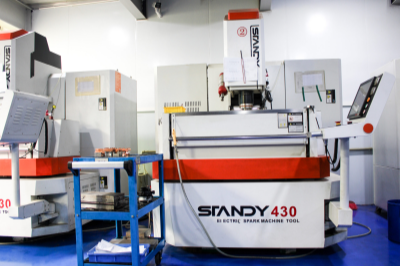
Guangdong Yingtai’s modern industrial park with over 180 injection molding and molding machines, plus precision mold making, provides robust assurance of consistent product quality. Our export director, Miss Zhang, often advises clients on logistics optimization through consolidated container loading and reliable shipping partners to reduce costs.
Frequently Asked Questions
What materials are best for anti vibration rubber isolators?
Liquid Silicone Rubber (LSR) and EPDM are popular due to their excellent elasticity, temperature resistance, and chemical durability. Choice depends on operational environment specifics.
How is hardness measured and why does it matter?
Hardness is typically measured by Shore A scale. It affects isolator stiffness and damping capacity. Softer rubbers absorb vibration better but support less load.
What certifications does your factory hold?
We comply with ISO 9001:2015, CE, and RoHS standards. Our products undergo rigorous quality control via advanced testing instruments.
Can you support custom designs?
Yes, we provide comprehensive OEM and ODM services, including mold development, prototyping, and small-to-large volume production.
What is typical lead time for samples and mass production?
Samples can often be delivered in 7-14 days. Mass orders usually require 20-30 days depending on complexity and quantity.
Customer Reviews & Real-World Feedback
Michael T., Procurement Manager, HVAC Installer
"We sourced vibration isolators from Yingtai last year for our commercial HVAC units. The rubber quality was consistent, and the adhesion of overmolded parts reduced slippage, which was a persistent problem before. Delivery was on time despite global shipping delays. Technical support helped us adjust hardness specs for specific noise profiles."
Get in Touch
If you have any camping barbeque equipment inquiry, please feel free to contact us.



 Michael T., Procurement Manager, HVAC Installer