Robust vibration isolation solutions engineered for longevity and reliability – directly from Guangdong Yingtai High Precision Technology Co., Ltd. In heavy industry and precision manufacturing, mitigating vibration transfer is more than a comfort issue
Product Details
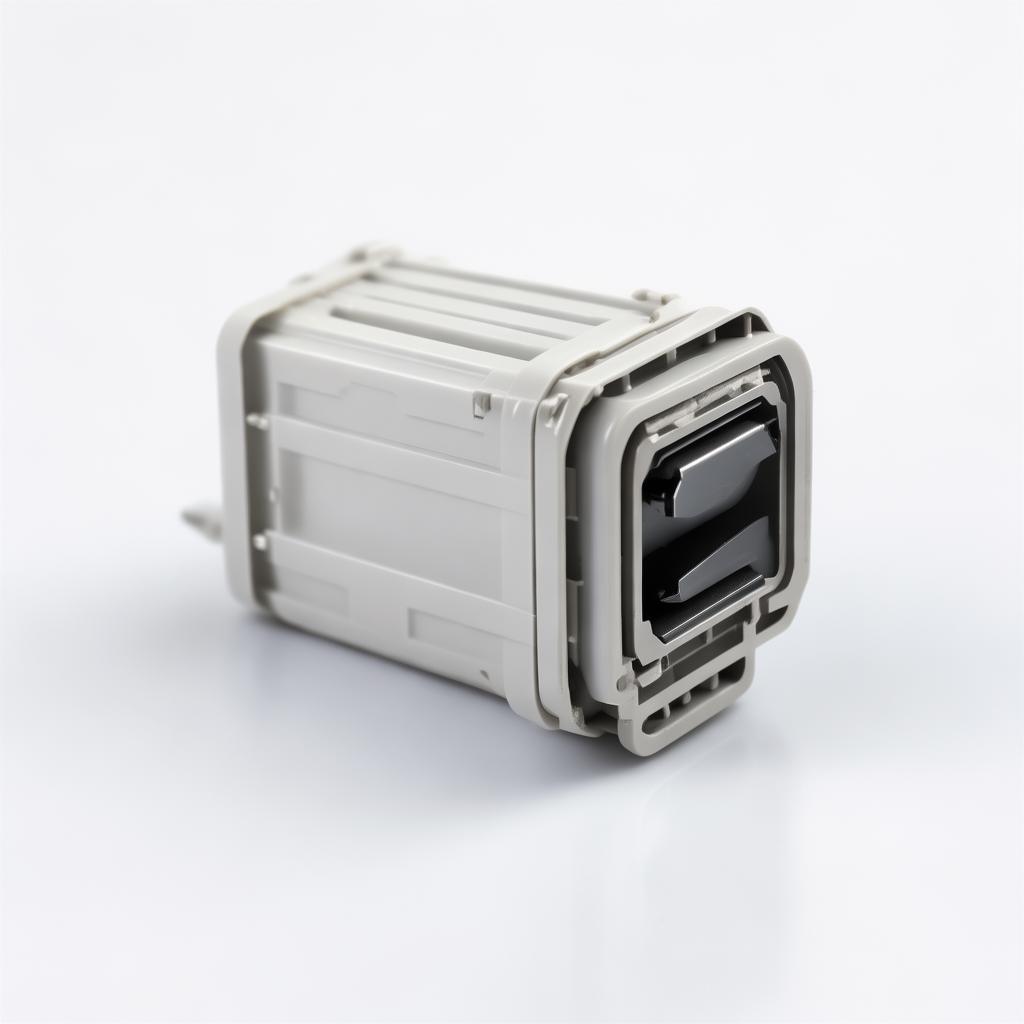
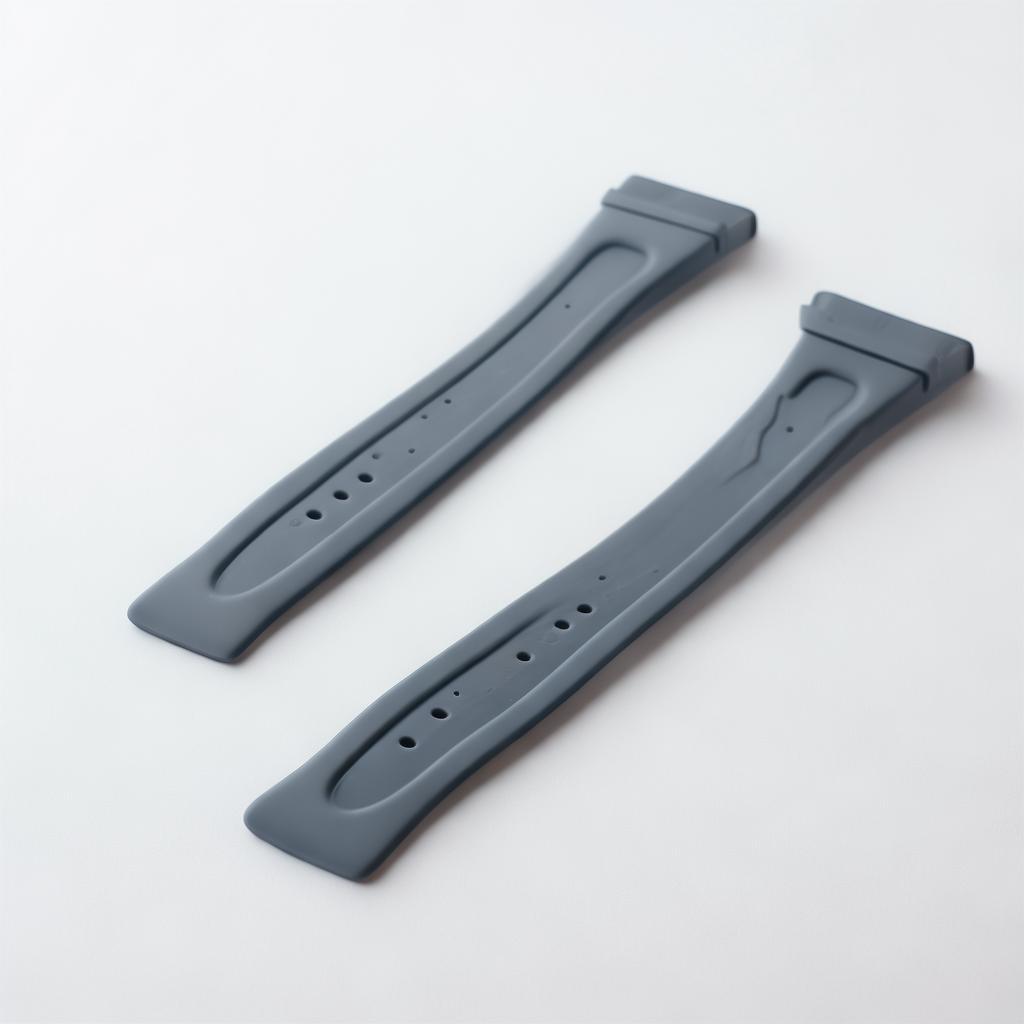
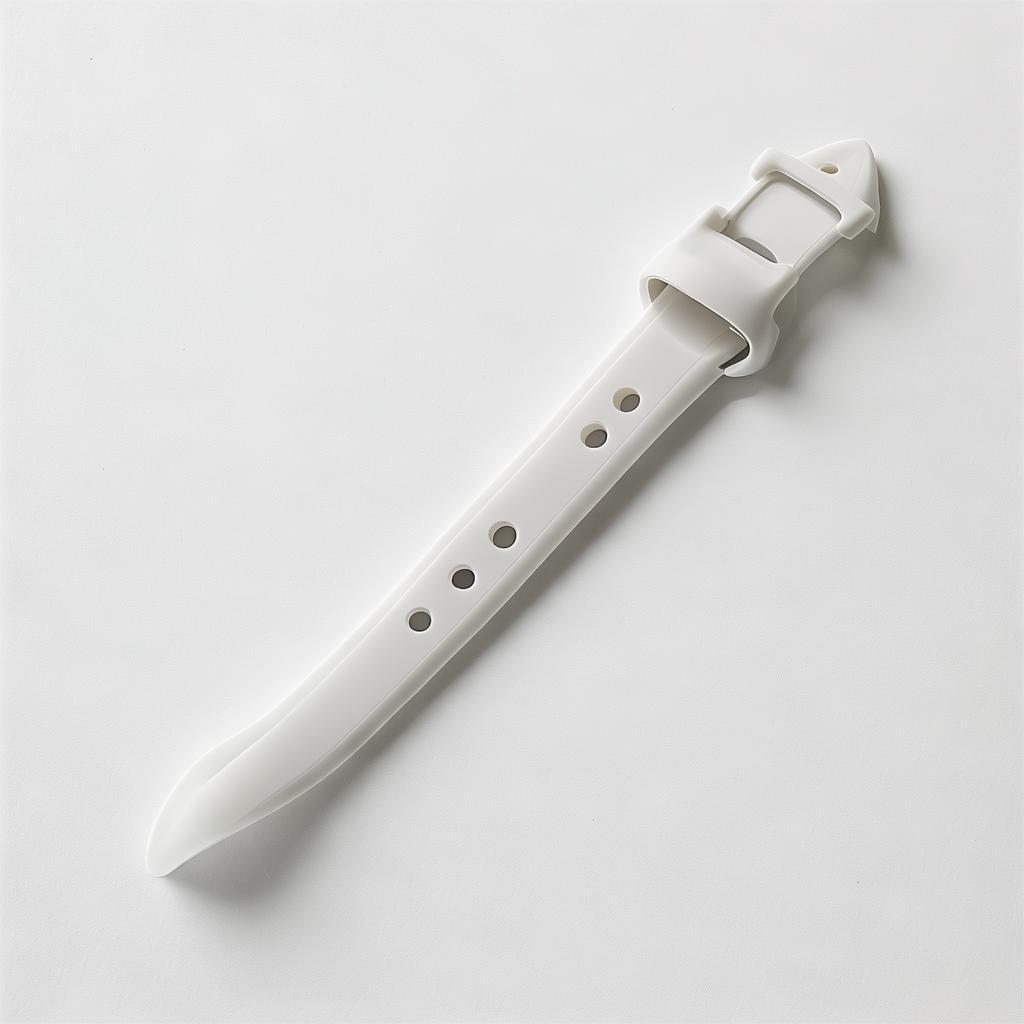
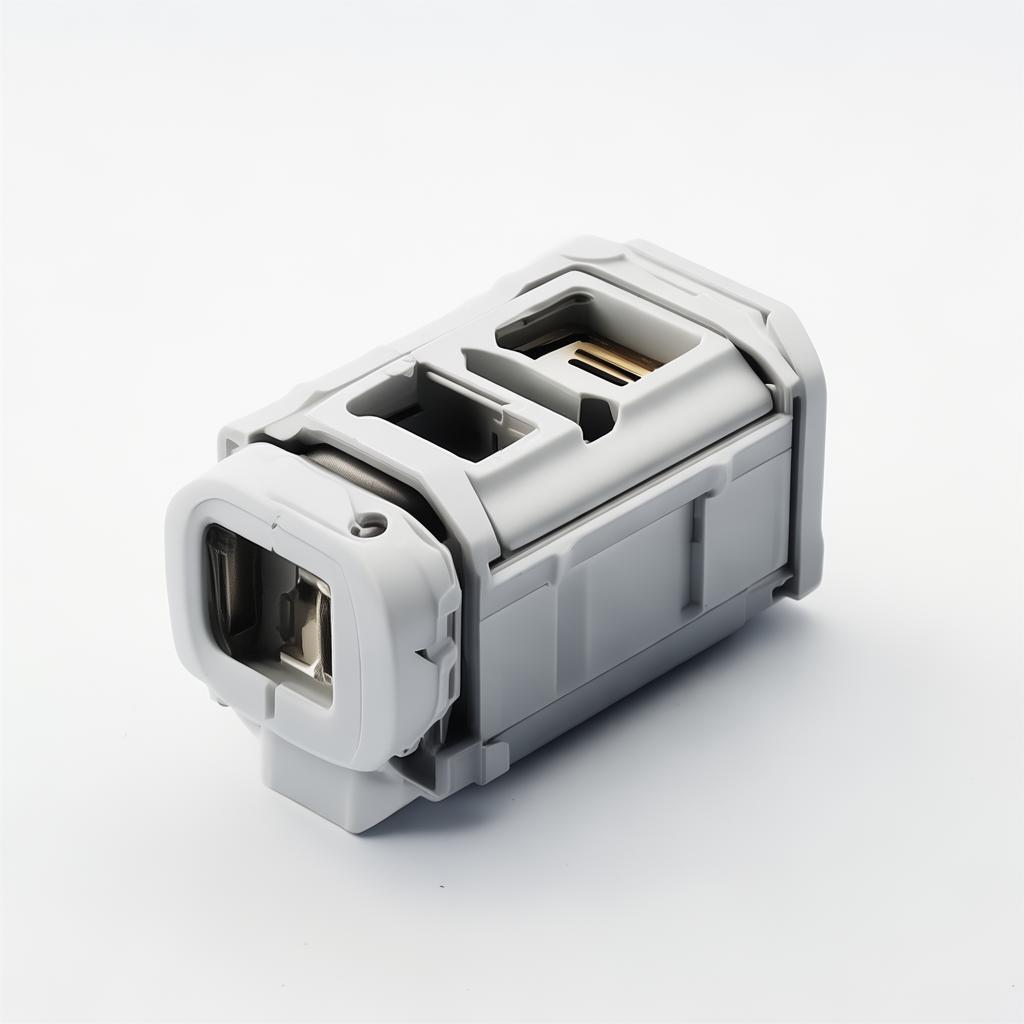
Premium Anti Vibration Mount Rubber for Industrial Applications
Robust vibration isolation solutions engineered for longevity and reliability – directly from Guangdong Yingtai High Precision Technology Co., Ltd.
Understanding Anti Vibration Mount Rubber
In heavy industry and precision manufacturing, mitigating vibration transfer is more than a comfort issue — it’s a critical factor affecting equipment longevity, operational stability, and safety. Anti vibration mount rubber has emerged as a dependable material solution engineered to absorb and dampen mechanical vibrations, substantially extending machine service life and curtailing noise pollution.
Finding the right rubber mount for anti-vibration purposes often means balancing between material resilience, load capacity, environmental resistance, and installation ease. Guangdong Yingtai High Precision Technology Co., Ltd., with over 20 years of manufacturing expertise from Dongguan’s Changan Town, provides an extensive range of liquid silicone and rubber vibration mounts built to exacting ISO standards and tailored for diverse industrial environments.
Why precision rubber mounts matter: conventional rubber can degrade quickly under heat, chemicals, or UV exposure — common in automotive, electronics, and heavy machinery fields. Our mounts incorporate advanced liquid silicone rubber (LSR) compounds with superior thermal stability, chemical resistance, and elasticity. This reduces frequent replacements, lowers unexpected downtime, and improves workforce safety by minimizing vibration-induced fatigue or hazards.
The global LSR market demand is rapidly growing, projected to reach billions in value by the mid-2030s—driven by new energy vehicles, consumer electronics, and industrial electronics fields relying heavily on precision molded, high-performance elastomeric mounts. Our product lineup addresses this complexity through custom OEM/ODM manufacturing, high-precision injection molding, and a full-quality assurance system that leads from mold development to finished product.
For procurement managers, choosing an anti vibration mount rubber supplier means navigating a landscape of diverse material types, factory capabilities, certifications, and supply chain logistics. We bring not only the product but operational insights gained from exporting globally and optimizing container loading and lead times, ensuring smooth procurement and timely deliveries.
This page is crafted to provide procurement directors, technical engineers, and operations managers with a comprehensive view of anti vibration mount rubber—from material science and manufacturing nuances to practical installation advice and supplier evaluation criteria. Our aim is to help you make informed, risk-managed sourcing decisions that improve your assets’ performance and ROI.
Common Industry Pain Points & Procurement Challenges
Despite the ubiquity of vibration mounts, companies often face these recurring issues when sourcing or deploying anti-vibration rubber solutions:
Rapid material degradation: Inferior rubbers degrade under heat or chemical exposure causing premature failure.
Insufficient load capacity: Unreliable load ratings can lead to undamped vibrations increasing equipment wear.
Poor dimensional accuracy: Variations in mold quality cause inconsistent fitment and increased assembly time.
Extended lead times: Suppliers without in-house mold making delay production cycles and result in shipment unpredictability.
Logistics inefficiencies: Improper packing or poor container utilization drives up freight costs and risk of damage.
Certification gaps: Lack of compliance with ISO, CE, RoHS or automotive OEM standards reduces procurement confidence.
From our export director’s experience, one common negotiation pitfall involves underestimating material test reports and factory capability audits that reveal hidden risks in supplier offerings. For example, some rubber compounds that appear compliant initially fail accelerated aging tests later, spiking maintenance costs dramatically.
Knowing these pitfalls upfront helps purchasers avoid shortcuts that can lead to costly midstream project interruptions. Our Taiwanese and mainland China-based factories optimize mold technology and material formulations for consistent quality, and our international shipping team specializes in ≤30 day lead times with container load maximization to reduce your landed costs.
Technical Specifications & Rubber Material Insights
Our anti vibration mounts are designed and manufactured with a focus on precision, durability, and multi-environment resilience. Below is a technical overview highlighting critical material characteristics and manufacturing practices:
Specification
Detail / Standard
Comments
Material Composition
Liquid Silicone Rubber (LSR), EPDM, Neoprene
Custom compounds depending on load, environment
Hardness (Shore A)
30-90
Tailored to damping requirements
Load Capacity
10kg - 2000kg per mount (varies)
Engineered for specific machinery
Operating Temperature
-60°C to +230°C
High-temp LSR variants included
Environmental Resistance
UV resistant, oil & chemical resistant, ozone resistant
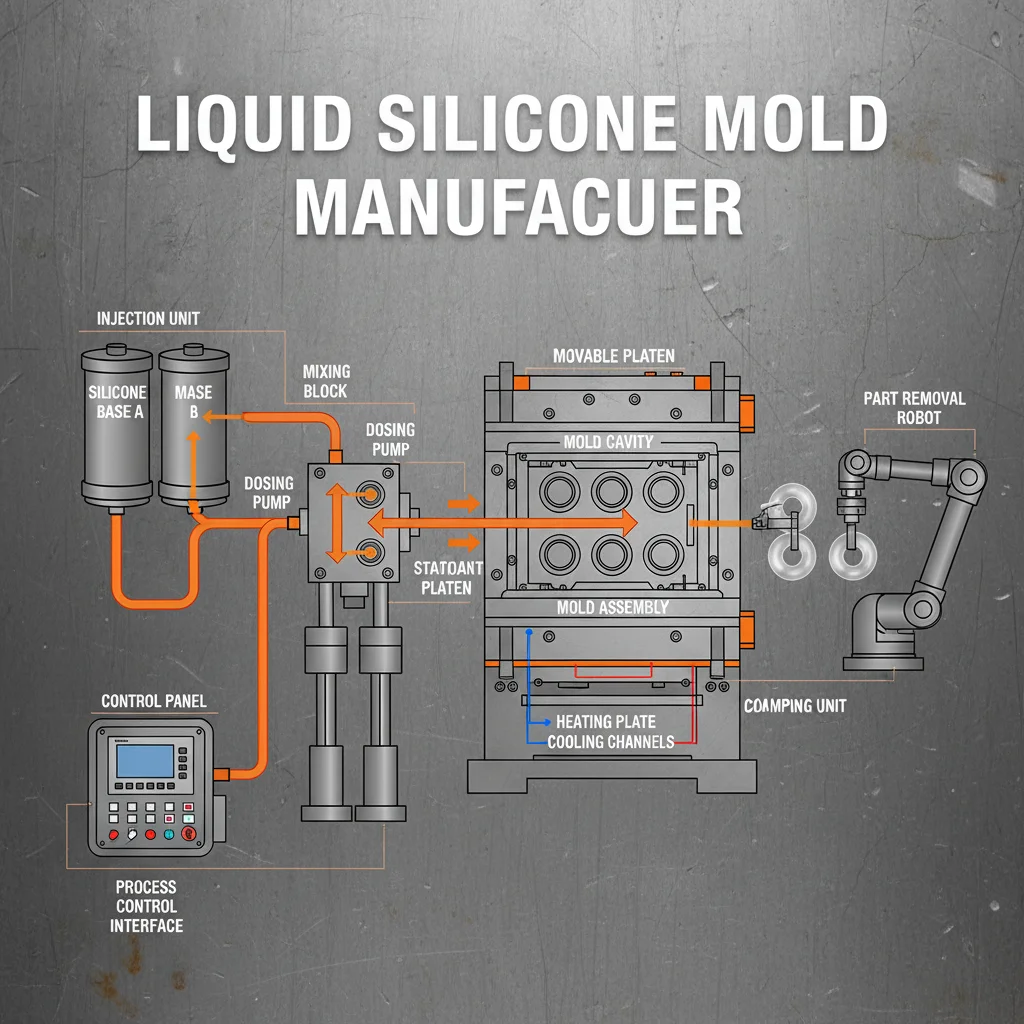
We utilize precision injection molding with tightly controlled curing cycles, carefully selected raw materials, and exacting mold tooling to produce consistent anti vibration rubber mounts. Aligning with findings from MDPI’s in-depth study, advanced rheological data controls our simulation processes to minimize waste, defects, and dimensional variability.
Key Industry Application Scenarios
Anti vibration mounts play a vital role across multiple sectors needing reliable vibration attenuation:
Automotive Manufacturing: Engine mounts, exhaust hangers, and suspension dampers.
Heavy Machinery: CNC equipment, compressors, pumps, and HVAC units.
Consumer Electronics: Reducing noise and component vibrations in household appliances.
Renewable Energy: Turbine mounts and vibrating platform isolators.
Medical Equipment: Vibration isolation for sensitive diagnostic devices.
Matching the mount design with environmental conditions and load requirements mitigates unexpected equipment failures and enhances operational uptime. For example, in heavy machinery, rubber mounts must resist oil contamination and elevated heat — typically addressed by using LSR blends resistant to these factors.
Installation & Maintenance Practicalities
Installation timing is often underestimated in procurement schedules. Our export manager recommends:
Verify mounting surface condition to prevent uneven load distribution.
Use torque-limiting tools to avoid over-compression deforming the rubber element.
Check for environmental sealing requirements to prevent rubber deterioration.
Schedule periodic inspections for wear, especially in UV or chemical-exposed environments.
Regular maintenance involves cleaning mounts with mild detergent, avoiding harsh solvents that degrade polymers prematurely. Our manufacturing engineer stresses the importance of applying OEM-recommended lubricants around metal-to-rubber interfaces to extend service lifecycles.
Logistics & Shipping Insights
Efficient logistics improve procurement ROI significantly. Guangdong Yingtai’s modern factory supports container optimization and timely delivery:
Packaging designed to minimize vibration damage during transit.
Load planning optimized for standard 20ft & 40ft containers to reduce freight costs.
Average lead time between 20-30 days, with expedited options available for urgent projects.
Clear tracking communication ensures procurement managers have real-time updates.
Given current market volatility, early engagement with our freight coordinators offsets risks related to tariffs, customs clearance delays, and last-mile delivery hiccups.
Quality Certifications & Factory Strengths
Our manufacturing processes comply stringently with global standards, assuring product consistency and international acceptance:
ISO 9001: Quality management systems certified for production excellence.
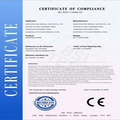
CE Marking: Conformance with European safety and health regulations.
RoHS Compliance: Restriction on hazardous substances in electrical and electronic products.
SGS Testing: Independent material and performance verification.
Our 35,000 sqm factory is fully equipped with 55 LSR molding machines and over 80 plastic injection units, alongside proprietary mold development capacity. This vertical integration accelerates lead times and facilitates comprehensive OEM/ODM customization tailored to exact client specifications.
Buyer FAQs
Q: What is the typical lead time for orders?
Standard production lead times range from 20 to 30 days, depending on order volume and mold availability. Expedited services can be discussed upon inquiry.
Q: Can you provide custom rubber formulations?
Yes, our R&D team works closely with clients to tailor hardness, load capacity, and environmental resistance to your exact needs using both LSR and other elastomers.
Q: Are your products compliant with automotive industry standards?
Our anti vibration mounts meet ISO/TS 16949 requirements. Several clients supply automotive OEMs, and we maintain strict quality controls aligned with industry benchmarks.
Q: What logistical support do you offer for international shipping?
Full export documentation, optimized shipment packing, container loading consultancy, and freight forwarding partnerships are provided to streamline global delivery.
Q: Can I request samples before placing a large order?
“Yingtai’s anti vibration mounts solved a chronic downtime issue on our assembly lines. The LSR material held up well against heat and oils common in our environment. Lead times stayed on track, which kept project timelines smooth.”
Get in Touch
If you have any camping barbeque equipment inquiry, please feel free to contact us.





 Michael J., Procurement Manager, Seattle, WA