

Antioxidant Additives for Polymers: Enhancing Durability and Performance
Expert insights and practical guidance from Guangdong Yingtai High Precision Technology Co., Ltd.
Industry Challenges with Polymer Oxidation
The performance and service life of polymer products are severely impacted by oxidative degradation, especially under harsh environmental conditions such as exposure to heat, UV radiation, and mechanical stress. Oxidation-induced chain scission and crosslinking can lead to premature brittleness, discoloration, loss of mechanical strength, and surface cracking — risks that are especially critical in applications like automotive components, electrical insulation, packaging films, and construction materials.
Purchasing managers and technical engineers often grapple with finding antioxidant solutions that balance effectiveness, cost, and regulatory compliance. Selecting the wrong antioxidant additive risks costly recalls, production stoppages, or warranty issues due to material failure.
Industry Insight: Many polymer processors underestimate the importance of antioxidant synergy—combining primary and secondary antioxidants improves stabilization across both processing and end-use phases.
Operationally, improper dosage or incompatible additives can cause processing difficulties and affect final product appearance or performance. Hence, expert advice and supplier partnership are vital for risk mitigation.
Technical Deep Dive: How Antioxidants Work
Antioxidant additives act by interrupting the oxidative chain reaction during polymer processing and service life. There are two main classes:
- Primary antioxidants (radical scavengers) such as hindered phenols and aromatic amines, which neutralize free radicals generated by heat or UV.
- Secondary antioxidants (hydroperoxide decomposers) including phosphites and thioesters, that decompose peroxides to non-radical products preventing further chain reaction.
Combining these stabilizers provides balanced protection—primary antioxidants shield during high temperature melt processing, while secondary antioxidants prolong polymer life during lower-temperature oxidation.
Material-Specific Considerations
The compatibility of antioxidants varies among polymer types: polyethylene (PE), polypropylene (PP), polystyrene (PS), polyvinyl chloride (PVC), and more specialized engineering plastics all have distinct stabilization needs and dosage limits.
| Polymer Type | Typical Antioxidant Used | Max Dosage (wt%) | Key Performance Benefit |
|---|---|---|---|
| Polyethylene (PE) | Hindered phenols, phosphites | 0.1 – 0.3 | Processing stability & UV resistance |
| Polypropylene (PP) | Aromatic amines, phosphites | 0.15 – 0.4 | Thermal-oxidative stabilization |
| Polystyrene (PS) | Phenolic antioxidants | 0.05 – 0.1 | Color stability and embrittlement resistance |
| PVC | Hindered phenols, phosphites, thioesters | 0.1 – 0.3 | Heat stabilization & discoloration prevention |
Note: Incorrect antioxidant selection or overdose can cause processing issues such as discoloration or affect polymer crystallinity adversely. Stringent testing for compatibility and dosing is crucial when scaling to production.
Key Applications and Material Compatibility
Antioxidant additives are indispensable across a range of polymer applications—each presenting distinct challenges in processing and end use:
- Automotive Parts: Engine covers, fuel tanks, exterior trims exposed to high heat, sunlight, and chemical contaminants demand thermal-oxidative resistant formulations.
- Electrical & Electronic Insulation: Wire and cable sheathing, connectors require long-term stability under thermal stress to meet UL and IEC standards.
- Packaging Films: Polyolefin films need UV and thermal protection to preserve integrity during storage and transportation.
- Household Goods & Appliances: Polymers used in kitchenware, casings, or handles must resist discoloration and brittleness from heat and cleaning agents.
Supplier collaboration is key for customizing antioxidants tailored to OEM-grade applications. Custom formulations combining antioxidant packages with UV stabilizers and processing aids are common to meet multi-parameter demands.
Procurement and Supplier Evaluation Tips
Procurement directors and purchasing managers face the challenge of verifying supplier claims and ensuring stable supply lines for antioxidant additives. Here are practical tips:
- Request Detailed Technical Data Sheets (TDS): This should include antioxidant chemistry, compatibility notes, recommended dosages, and processing windows.
- Compliance & Certifications: Confirm if additives adhere to industry standards like REACH, RoHS, FDA for food-contact polymers, or UL listings.
- Sampling & Trials: Evaluate product performance in your specific polymer grades and processing parameters before purchase commitments.
- Assess Supply Chain Resilience: Inquire about manufacturer lead times, batch consistency, and contingency plans for raw material shortages.
- OEM/ODM Customization: Consider manufacturers able to customize antioxidant formulations tailored to your product needs.
Pro Procurement Note: Ask for assistance with process optimization or compatibility checks — a supplier's engineering support correlates strongly with fewer defects downstream.
Technical Specifications & Compliance
Our antioxidant additives meet several key international standards to ensure quality, safety, and environmental sustainability:
- ISO 9001: Quality management system certification for consistent manufacturing processes.
- REACH Registration: Compliance with EU chemical safety regulations.
- RoHS Directive: Limits hazardous substances ensuring electronic compatibility.
- FDA 21 CFR 177.2600: For food-contact safe antioxidant additives.
- UL 746B: Standard for polymeric materials' thermal-oxidative stability.
Typical properties of our reference antioxidant additives include:
| Property | Value / Range | Notes |
|---|---|---|
| Melting Point | 130 – 160 °C | Stable under processing temperatures |
| Thermal Stability | > 250 °C (short term) | Suits extrusion & injection molding |
| Appearance | White to light beige powder / flakes | Free-flowing, low dust formulation |
| Solubility | Insoluble in water; soluble in organic solvents | Facilitates incorporation in polymer melt |
additives in plastics anti static additives for plastic asa polymer
Logistics, Installation & Handling Considerations
Sourcing antioxidant additives internationally requires attention to shipment handling and onsite logistics for operational efficiency:
- Packaging: Our antioxidants come in moisture-resistant, industrial-grade bags designed for container loading optimization, protecting against humidity in transit.
- Storage Recommendations: Store in cool, dry conditions below 30°C to prevent product degradation; typical shelf life ranges from 12 to 24 months.
- Shipping Times: From Dongguan with 15–25 day lead times to the USA depending on shipment mode and customs clearance efficiency.
- Installation in Processing Lines: Uniform additive feeding rates with gravimetric feeders minimize fluctuation risks during compounding or direct masterbatch addition.
- Safety: Use masks and gloves when handling powders to mitigate dust inhalation; compliance with OSHA’s Hazard Communication Standard is advised.
Operational note: Many processors overlook moisture control during storage and handling, which can lead to additive clumping and inconsistent polymer stabilization. This leads to subtle but costly in-line issues.
Frequently Asked Questions
- Q: How do I determine the correct antioxidant dosage for my polymer?
- A: The optimal dosage depends on polymer type, processing temperature, and expected service conditions. Start with supplier recommended ranges (usually 0.1–0.5 wt%) and refine through pilot trials measuring thermal stability and mechanical properties.
- Q: Can antioxidant additives affect color or clarity of finished products?
- A: Some antioxidants, especially aromatic amines, may impart slight yellowing in clear polymers. Using phenolic-based additives or combinations specifically designed for optical clarity helps mitigate this effect.
- Q: Are your antioxidants suitable for food-contact polymers?
- A: Yes, we supply FDA-compliant antioxidant grades for direct and indirect food contact applications. Certificates and compliance documentation can be provided upon request.
- Q: What are the typical lead times for bulk orders?
- A: Usually 3–5 weeks including production and shipping. Expedited orders may be possible depending on current inventory and factory scheduling.
- Q: Do you offer OEM/ODM services for custom antioxidant formulations?
- A: Absolutely. Our R&D team works closely with clients to develop and validate tailor-made antioxidant packages integrated with other additives for unique performance requirements.
Customer Reviews & Testimonials

Mark Johnson, Procurement Manager, Ohio, USA
"We've switched to Guangdong Yingtai’s antioxidant additives last year for our polypropylene extrusion line. Noticeable improvement in thermal stability and less color variation on finished parts — crucial for our automotive clients."

Elena Rodriguez, Technical Engineer, Texas, USA
"Technical feedback and tailored formulations from Yingtai’s team helped us optimize antioxidant levels in thin film polyethylene, extending product life under sun exposure. The logistics were smooth, and product arrived on schedule."

James Lee, Operations Manager, California, USA
"Having a stable supply of antioxidant additives especially during volatile market periods was made possible by working with Yingtai. Their communication and quality consistency helped us avoid costly downtime."
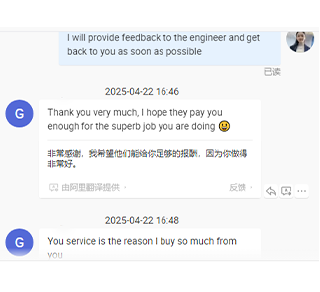
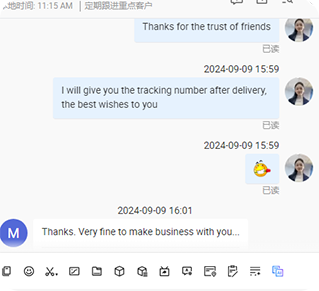
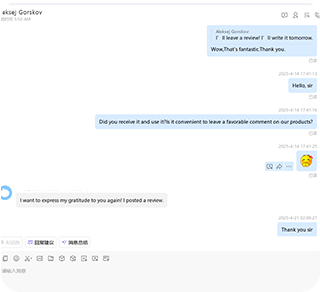
Real-Time Support: Chats with Our Technical Experts
Request Detailed Product Information and Pricing
Partner with Guangdong Yingtai High Precision Technology Co., Ltd. — your trusted source for high-performance antioxidant additives and custom polymer solutions.
Contact Miss Zhang today:
Phone / WhatsApp: +86 17722437688
Email: zmm@yingtai168.com / lh@yingtai168.com