A comprehensive guide for purchasing managers, procurement directors, and industrial engineers seeking clarity on APAP (Automatic Positive Airway Pressure) mask options, operational advantages, and supplier considerations. APAP devices and their associated masks have seen
A comprehensive guide for purchasing managers, procurement directors, and industrial engineers seeking clarity on APAP (Automatic Positive Airway Pressure) mask options, operational advantages, and supplier considerations.
Market Trends & Demand Dynamics
APAP devices and their associated masks have seen significant growth globally, propelled by rising awareness about sleep apnea and expanding diagnostic capabilities. Recent reports indicate increased adoption in the United States and other English-speaking markets, especially among middle-aged and elderly populations seeking tailored therapy solutions.
The surge in demand naturally extends to mask types optimized for varying respiratory patterns and comfort levels. Today, understanding the wide variety of APAP mask types is critical for procurement professionals aiming to balance cost, durability, and end-user compliance. Factors such as material composition, seal integrity, and ergonomic design play a decisive role in therapeutic success and customer satisfaction.
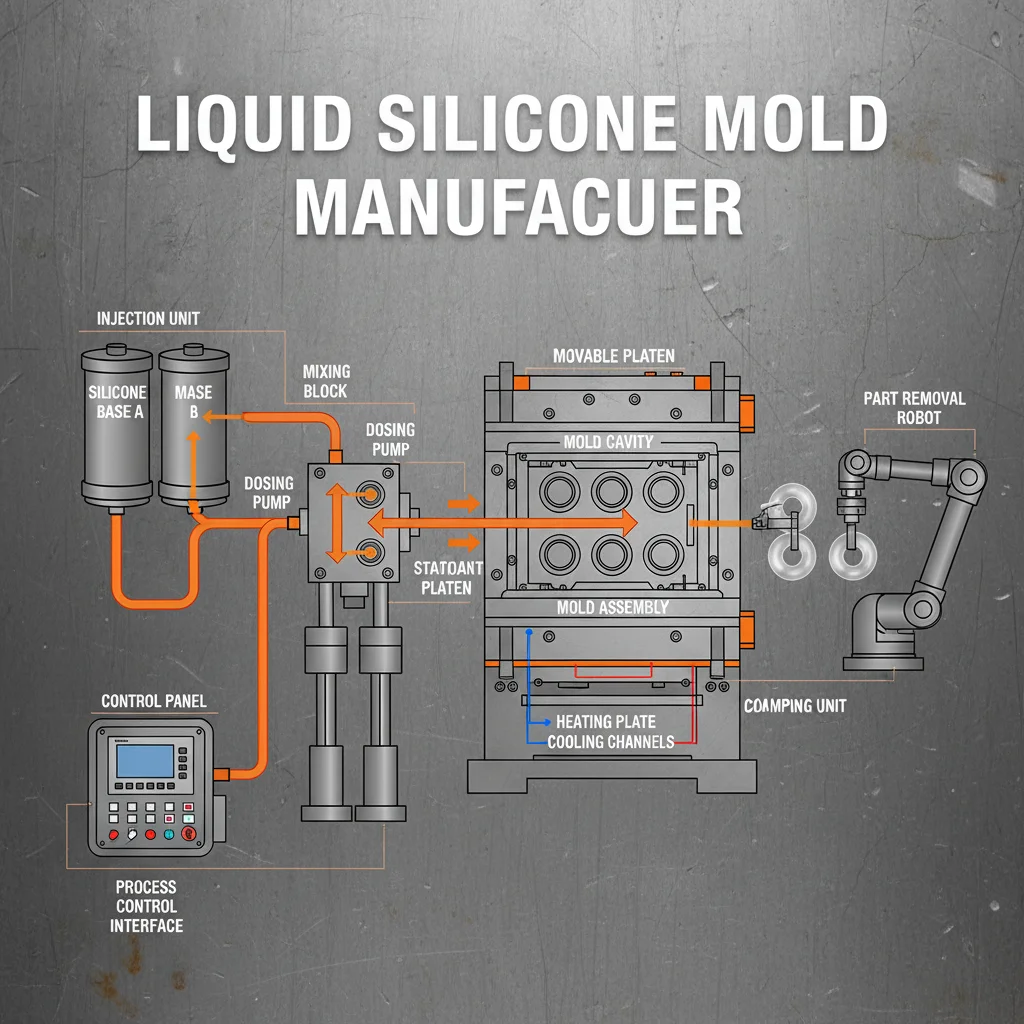
Importantly, suppliers are innovating on silicone seal technologies and manufacturing precision, reflecting findings from leading studies on injection molding advancements in liquid silicone rubber (LSR) — a material known for its durability and biocompatibility. Reports from Grand View Research highlight the growth trajectory of LSR components, underscoring the importance of quality materials in medical device manufacturing.
Technical Overview of APAP Mask Types
At its core, an APAP mask facilitates the delivery of varying positive airway pressure by automatically adjusting based on respiratory flow patterns. However, the mask type dictates overall therapy comfort, pressure seal quality, and device compatibility. Commonly seen varieties include nasal masks, nasal pillows, and full-face masks. Each serves distinct clinical needs and patient preferences.
From a manufacturing perspective, mask components often rely on medical-grade silicone, which is favored for its elasticity, chemical inertness, and hypoallergenic properties. Liquid silicone rubber (LSR) injection molding processes have become industry staples, enabling the production of intricate sealing components with tight dimensional tolerances and consistent material properties, as detailed in recent engineering studies.
The production workflow for these masks integrates sophisticated mold machining, precision injection systems, and post-curing treatments to ensure compliance with ISO 18562 standards related to biocompatibility and contamination control. Thermal resistance and UV stability are additional material parameters closely monitored during quality assurance.
Precision LSR injection molding enables reliable mask seal components.
Comparison of Popular APAP Mask Styles
Mask Type
Description
Key Materials
Typical Use Cases
Pros & Cons
Nasal Mask
Covers nose only, fit over bridge and nostrils.
Silicone cushion; polyethylene frame.
Patients with mild to moderate apnea preferring minimal obstruction.
+ Lightweight and less bulky
+ Easier to wear with glasses
- Not suitable for mouth breathers
Nasal Pillow Mask
Minimal contact, pillows fit directly into nostrils.
Soft silicone pillows; lightweight frame.
Ideal for active sleepers and users seeking unobtrusive gear.
+ Minimal face coverage
+ Easier communication during use
- May cause nasal irritation if poor fit
Full Face Mask
Covers nose and mouth, creating a sealed air chamber.
Flexible silicone seals; polycarbonate frame.
Recommended for mouth breathers or severe apnea cases.
*Note: Material selection and sealing technologies vary widely between manufacturers, influencing durability and comfort.
Installation & Maintenance Considerations
The effectiveness of an APAP therapy regimen hinges not only on mask choice but also on correct installation and ongoing maintenance. Masks should be adjusted to create a snug seal without causing pressure sores or discomfort. Many procurement professionals underestimate the hidden cost of poorly maintained masks, which includes increased patient compliance risk and device failure.
Materials such as liquid silicone rubber require delicate cleaning protocols to avoid degradation of elasticity. Frequent removal and washing with gentle detergents are recommended, with a typical mask cushion lifespan of 3 to 6 months depending on use conditions.
Inspect cushion seals weekly for wear or cracking.
Avoid exposure to harsh chemicals or UV radiation during storage.
Replace headgear straps and cushion components per manufacturer guidance to maintain airflow integrity.
Periodic professional evaluation may optimize interface fit and anticipate component replacements.
Procurement Insight: Bulk purchase of spare parts and consumables often reduces total cost of ownership and ensures uninterrupted supply for end-users.
Procurement & Supplier Evaluation
Selecting a reliable APAP mask supplier involves more than quoting price per unit. Long-term success depends on supplier technical capabilities, certifications, production consistency, and after-sales support. Buyers should verify manufacturing compliance with medical device standards such as ISO 13485 and food-grade regulations for materials in contact with skin.
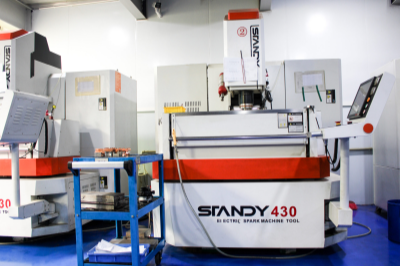
Due diligence of factory capabilities is paramount. For instance, Guangdong Yingtai High Precision Technology Co., Ltd., based in Dongguan, China, stands out with advanced liquid silicone injection molding equipment, stringent quality control labs, and integrated mold-development to manufacturing processes. Their expertise in OEM/ODM production models can flexibly adapt volume and specifications.
Practical tips for buyers:
Request sample evaluation with functional testing for seal integrity and material feel.
Review supplier capacity to deliver consistent batches within lead time commitments.
Check certifications and audits pertaining to manufacturing environment and material sources.
Mask safety and performance assurances hinge on strict certifications. Industry players supplying APAP masks typically comply with:
ISO 13485: Quality management system for medical devices.
CE Marking: Compliance with EU medical device directives.
FDA 21 CFR Part 820: US FDA regulations on device manufacturing.
RoHS: Restriction of hazardous substances in manufacturing.
Common certifications observed in APAP mask manufacturing.
Manufacturers leveraging advanced liquid silicone injection molding benefit from rigorous testing protocols, including biocompatibility per ISO 10993 series and durability under repetitive load cycles. Certification transparency provides procurement managers peace of mind against regulatory and liability risks.
Frequently Asked Questions
1. What distinguishes an APAP mask from a standard CPAP mask?
APAP masks are designed to support machines that adjust air pressure automatically throughout the night, responding to breathing patterns, whereas traditional CPAP masks deliver constant, fixed pressure. Mask compatibility with the device depends not just on size, but also on seal performance at variable pressures.
2. How should I select the correct mask size?
Measuring facial geometry guides mask size decisions, but user comfort is paramount. Many suppliers provide sizing templates or fitting kits. Professional fitting sessions improve compliance and reduce pressure-related skin injuries.
3. What materials are optimal for APAP mask cushions?
Medical-grade liquid silicone rubber (LSR) is industry standard, prized for its hypoallergenic properties and resilience. Some masks use soft thermoplastic elastomers (TPE) but LSR typically ensures better longevity and sealing.
4. Can APAP masks be customized for OEM projects?
Yes, many experienced manufacturers specialize in OEM/ODM production, enabling mask design customization, branding, and packaging. Validation and prototype tooling timelines should be clarified early in procurement discussions.
5. What are common pitfalls when importing APAP masks?
Risks include sourcing counterfeit or substandard materials, underestimating lead times, and insufficient post-sale support. Rigorous supplier audits, testing samples, and documenting compliance reduce these risks.
Customer Reviews & Real-World Feedback
Michael R., Procurement Manager, Chicago IL
“Yingtai’s APAP masks met our high-volume testing benchmarks with unexpectedly consistent seal quality. Their team’s recommendations on cushion hardness really improved patient comfort across our distribution network.”
Get in Touch
If you have any camping barbeque equipment inquiry, please feel free to contact us.