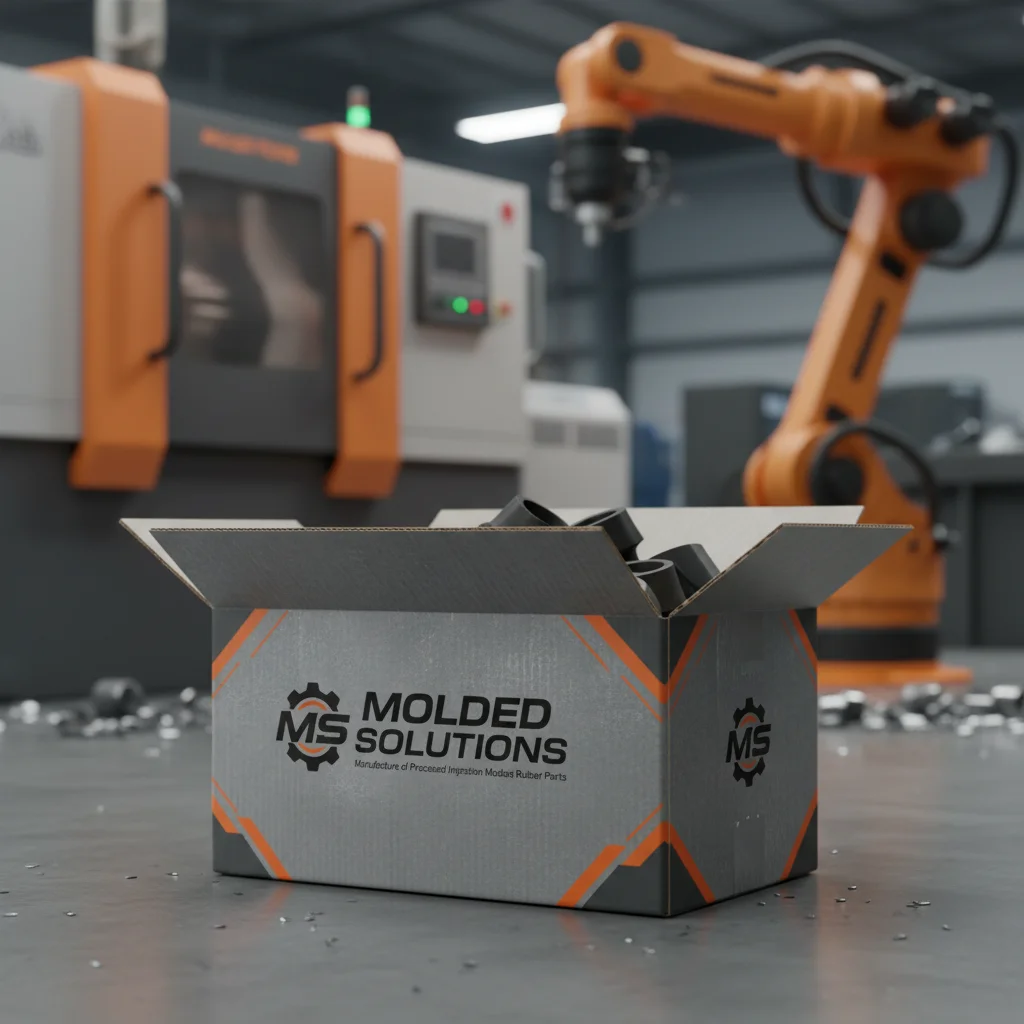
In the realm of appliance manufacturing , plastic injection molding stands as an indispensable process responsible for creating the high-volume, precision-engineered polymer parts central to functional and aesthetic product performance. From housing shells and
Product Details
Appliance Plastic Injection Molding: Precision Manufacturing for Durable Household Components
Understanding Appliance Plastic Injection Molding
In the realm of appliance manufacturing, plastic injection molding stands as an indispensable process responsible for creating the high-volume, precision-engineered polymer parts central to functional and aesthetic product performance. From housing shells and control panels to internal mounts and connectors, plastic injection molding enables the production of complex shapes with tight tolerances at scale, making it the preferred approach for modern appliance components.
Appliance plastic injection molding utilizes molten polymers — including ABS, polypropylene (PP), polyethylene (PE), and engineering plastics — that are injected under high pressure into specialist molds. These molds shape the material precisely, defining critical product attributes such as mechanical strength, dimensional accuracy, and surface texture. Given the demanding operational environments of household appliances — exposure to heat, moisture, and mechanical stress — selecting the right material combined with optimized molding parameters is crucial for longevity and safety.
From the procurement perspective, understanding injection molding isn't just about cost; it is about minimizing production risks, ensuring supply chain resilience, and choosing suppliers with proven mold-making expertise. Downstream effects in logistics, tooling turnaround, and warranty liabilities are influenced by early technical decisions.
Over the past decades, the steady evolution of injection molding technology—including advanced temperature controls, multi-cavity tooling, and automation integration—has further cemented plastic molding as the backbone of appliance part manufacturing. Countries like China’s Dongguan industrial region lead this field, combining deep labor pools, advanced equipment, and export infrastructure to meet the rigorous global demand.
Yet, it’s not without complexities. One must reconcile mold design intricacies, polymer flow characteristics, and end-use environment expectations. The injection molding cycle — including injection, packing, cooling, and ejection phases — must be tuned carefully to avoid common defects such as warpage, sink marks, or flash, which compromise product quality.
This brings the need for skilled manufacturing partners who can balance material science, tooling sophistication, and protocol adherence. By leveraging ISO-certified production workflows and precise quality control, suppliers can deliver parts that sustain the rigorous daily demands of appliances while optimizing life cycle costs.
Note: The global injection molding market is projected to grow substantially, reflecting steady innovation in polymer technologies and increasing consumer electronics and home appliance demands [Source: Grandview Research, 2024].
Operational Challenges in Appliance Plastic Injection Molding
Material Selection vs. Appliance Use Case: Finding polymers that offer resistance to UV degradation, heat aging, and mechanical shock is essential, especially for parts exposed to external environments or internal motors.
Production Repeatability: Achieving dimensional and color consistency across high-volume runs is a persistent pain point in large-scale injection molding.
Tooling and Mold Costs: High initial investment and lead times for mold design and validation can conflict with tight product development timelines.
Defect Management: Issues such as sink marks, voids, and flash can disrupt assembly lines and increase scrap rates, impacting overall cost-effectiveness.
Compliance & Certification: Appliances must meet various regulatory standards — UL, CE, RoHS — demanding rigorous testing on molded components, especially regarding flammability and material composition.
Logistics & Supply Chain Disruptions: Lead time volatility, container loading inefficiencies, and customs delays affect delivery reliability in global sourcing.
“Procurement teams often face unpredictable tooling adjustments and material substitutions that can ripple downstream, underscoring the importance of early technical collaboration with suppliers,” notes one sourcing professional focused on appliance OEMs.
Technical Insights: Materials and Process Parameters
Appliance component injection molding typically involves engineering polymers such as:
ABS (Acrylonitrile Butadiene Styrene): High impact resistance, good surface finish, suitable for control panels and knobs.
Polypropylene (PP): Chemical resistance, fatigue resistance, widely used in dishwasher or refrigerator parts.
Polycarbonate (PC): Outstanding toughness and heat resistance, ideal for transparent or high-stress parts.
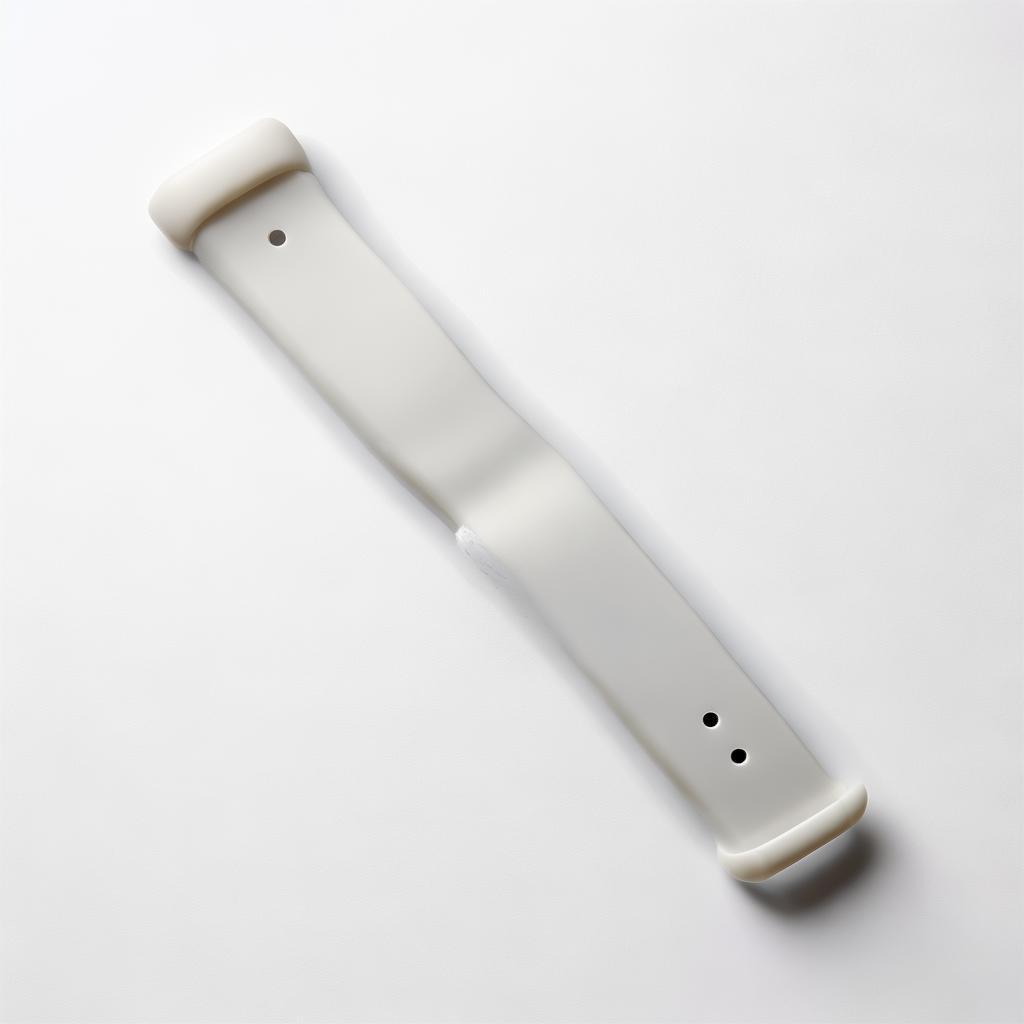
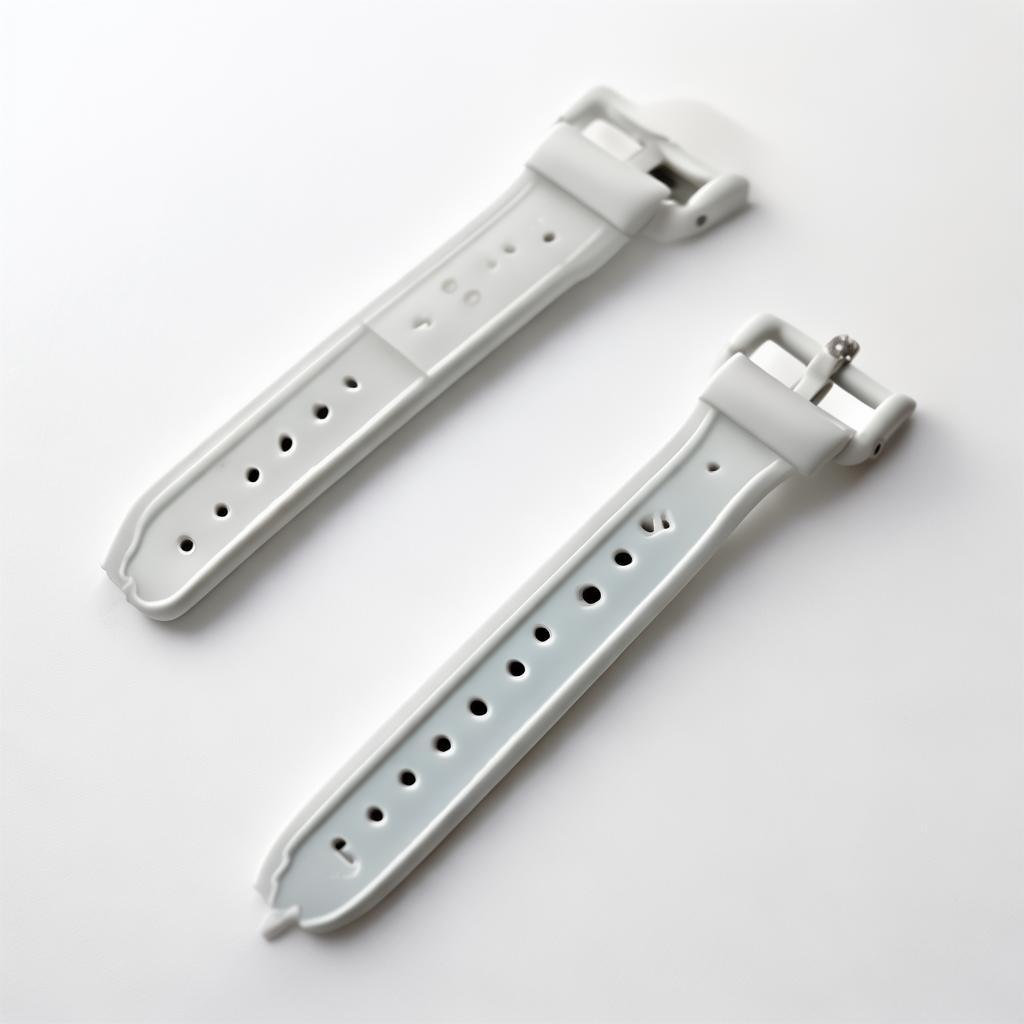
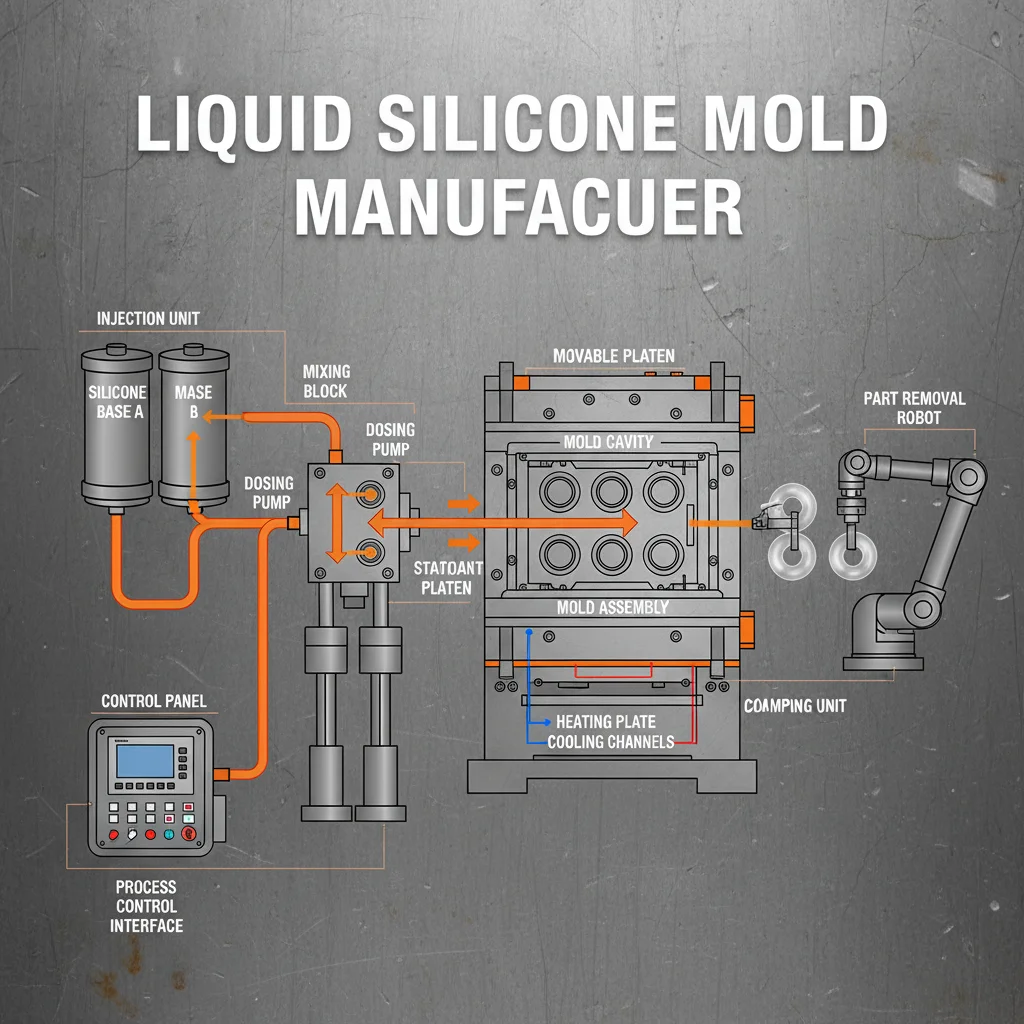
Liquid Silicone Rubber (LSR): Increasingly overmolded on plastics for sealings, soft-touch features, and gaskets due to biocompatibility and thermal stability.
Process parameters including melt temperature, injection speed, packing pressure, and cooling time, influence part integrity. Excessive injection speed can cause flow marks, whereas insufficient cooling causes shrinkage. Balancing these factors usually requires iterative mold flow analysis and pilot runs.
Typical Injection Molding Parameters for Appliance Plastics
Dedicated mold flow analysis, sometimes enhanced by CAE (Computer-Aided Engineering) tools like Moldex3D, helps optimize cooling channels and cavity filling balance. Mold design modifications can reduce cycle times and lower reject rates.
Note: For products integrating soft seals or ergonomic grips, the rising trend is combining plastic injection molding with liquid silicone rubber (LSR) overmolding, which merges the rigidity of plastic with flexible, heat-resistant silicone — often seen in high-end washing machines and smart kitchen appliances.
Application Scenarios in Appliance Manufacturing
Appliance plastic injection molding encompasses components such as:
Exterior housings: Durable shells for refrigerators, microwaves, and air conditioners requiring UV and impact resistance.
Control panels & buttons: Precision parts with tactile feedback, often made from ABS or PC to ensure dimensional stability and aesthetics.
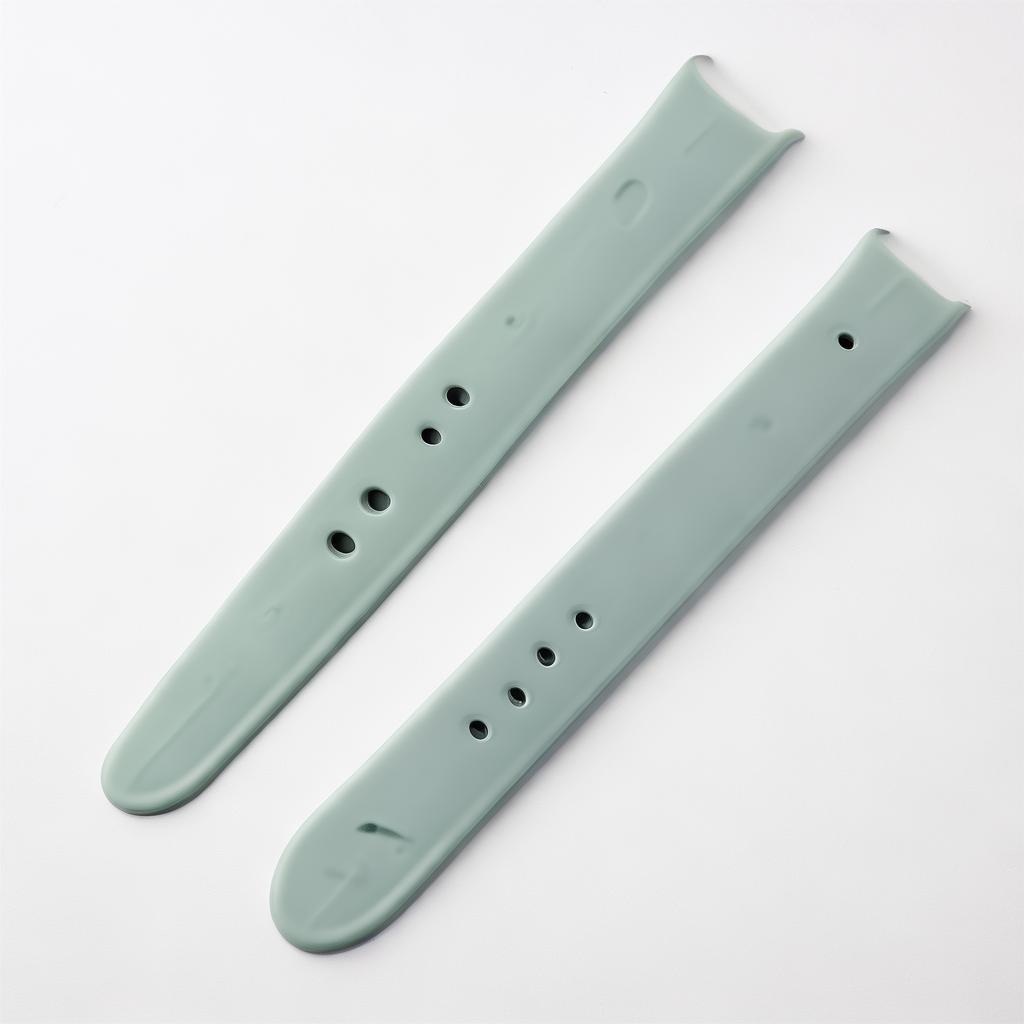
Waterproof seals & gaskets: Overmolded silicone parts combining plastic rigidity with flexible sealing properties to prevent leaks and contamination.
Internal mounts & brackets: Polymer supports providing electrical insulation and vibration damping within appliances.
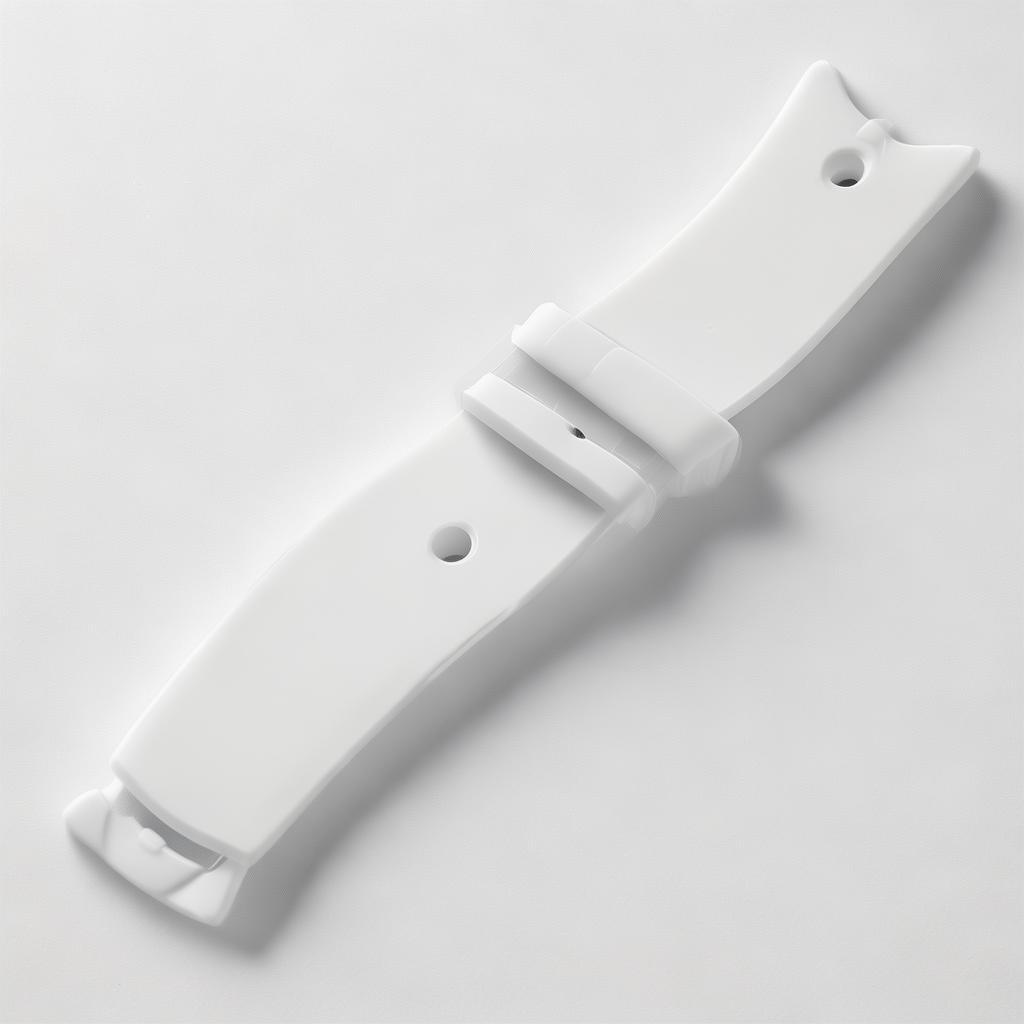
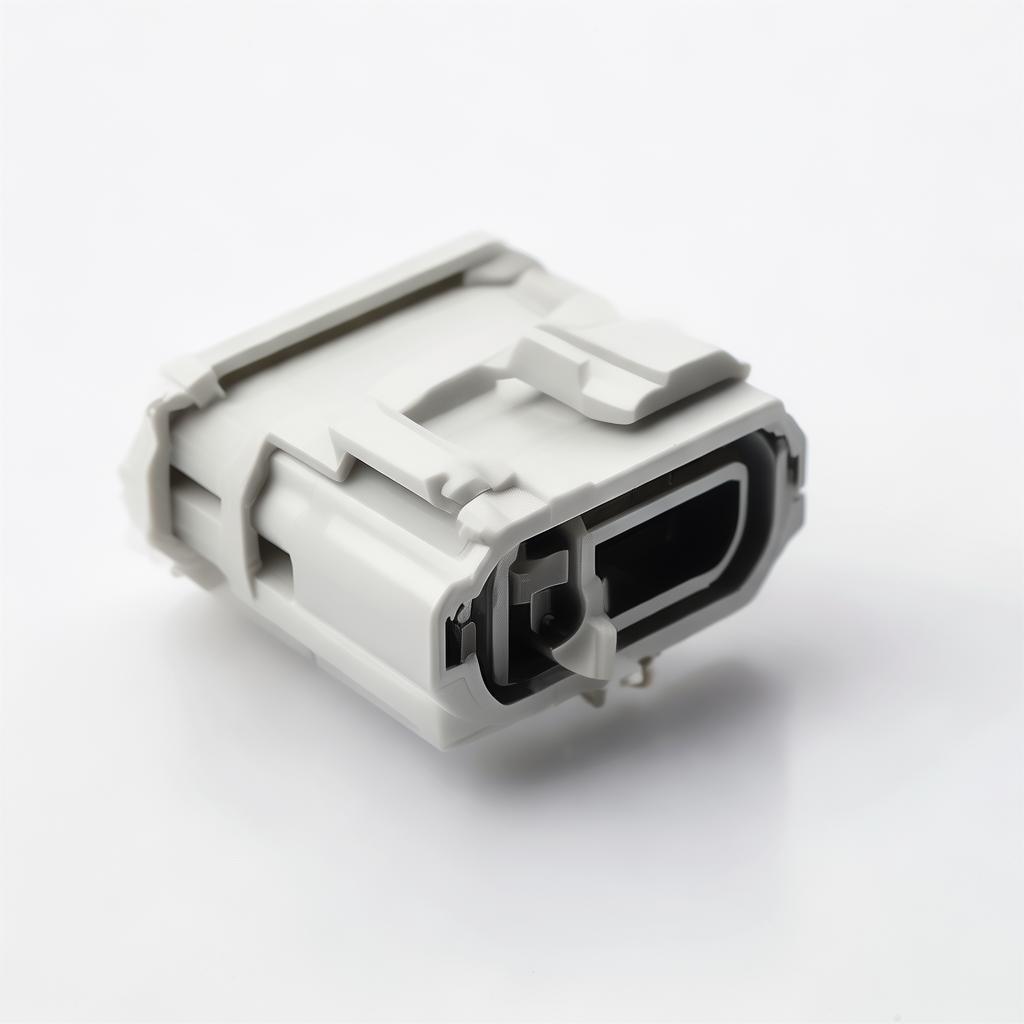
Connectors & clips: Injection-molded snap fits and retention components for assembly efficiency and durability.
These parts require strict control over mechanical properties, surface finish, and tolerances. Improper molding adjustments can cause assembly misfits or early wear.
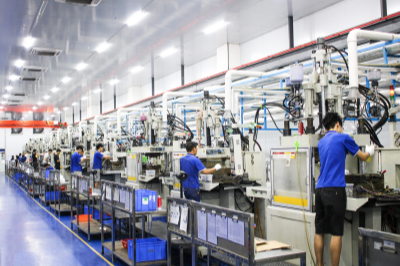
Advanced injection molding equipment driving high-volume production (Image: Yingtai factory)
Factory Capabilities: Look for suppliers with a diverse machine park, including multi-cavity molds, validated process controls, and post-molding QA equipment.
Material Portfolio: Ensure they handle your specified thermoplastics with experience in color matching, flame retardants, or anti-static additives if required.
OEM/ODM Services: Some suppliers offer end-to-end solutions from mold design to finished goods, reducing your need to coordinate multiple vendors.
Certifications: ISO9001 and IATF16949 (for automotive/industrial-grade appliances) certification underpin quality control systems to minimize defects and production delays.
Lead Time & Logistics: Factor in tooling lead time, production scheduling, and international shipping — especially container consolidation and customs clearance efficiency.
Risk Mitigation: Verify suppliers' contingency plans for raw material shortages and mold maintenance to avoid unplanned downtime.
It’s common to request free samples or prototype parts first, providing an early-stage tangible reference before full production. Engaging with technical support teams also uncovers insights into mold design optimizations or material substitutions suitable for your application.
Reminder: Overseas sourcing can hold hidden costs in communication and logistics. Choosing experienced partners with fluent English support and transparent processes reduces risk significantly.
Guangdong Yingtai High Precision Technology Co., Ltd., headquartered in Dongguan’s Changan Town, stands as a robust manufacturer for appliance injection molding needs. Here’s a snapshot of key credentials and operational assets:
Modern industrial park spanning 35,000 sqm with over 150 injection machines handling plastics and liquid silicone rubber (LSR) molding.
Certified quality management systems: ISO 9001, with ongoing implementation of IATF16949 processes for automotive-grade appliance components.
Advanced mold development facilities featuring over 30 precision mold processing equipment and rapid tooling technology.
Specialized teams exceeding 500 engineers, quality inspectors, and production staff ensuring operational excellence.
Experienced in supporting diverse markets including consumer electronics, smart appliances, automotive, and healthcare sectors.
Comprehensive testing infrastructure covering tensile, thermal, and chemical resistance verification aligned with UL, RoHS, and CE standards.
Their vertically integrated production system—from mold design to finished product—supports tight schedule adherence and quality consistency, crucial for competitive appliance manufacturing.
Frequently Asked Questions
Q1: What plastic materials are best suited for appliance injection molding?
The choice depends on part function: ABS for impact resistance and aesthetics, PP for chemical resistance, PC for strength and heat tolerance. Sometimes blends or engineering polymers like PBT are used. Material certifications for appliance safety should be validated.
Q2: How long does the typical tooling lead time take for injection molds?
Depending on mold complexity and supplier, lead time ranges between 6 to 12 weeks. Rapid tooling options may shorten initial sampling runs, but high-precision multi-cavity molds require longer preparation.
Q3: What are common defects in injection molded appliance parts?
Sink marks, warpage, flash, weld lines, and short shots are frequent challenges. These often stem from improper mold venting, temperature settings, or material flow imbalances. Suppliers with mature quality control systems can proactively reduce defects.
Q4: Is overmolding common in appliances?
Yes. Many manufacturers combine rigid plastics with LSR or TPE overmolding to add soft-touch grips, seals, or waterproof elements. The compatibility of materials and molding sequence must be tested carefully during design.
Q5: What logistics considerations affect international appliance plastic molding orders?
Efficient container loading, customs clearance certification, and lead-time buffering are essential. Suppliers near major ports, like Yingtai in Dongguan, usually offer better shipping coordination and reliable export documentation support.
John M., Procurement Director - Appliance Innovations, USA
“We switched to Yingtai’s injection molding services after repeated delays and inconsistent quality from our previous supplier. Their mold precision and detailed material recommendations cut down warranty claims by at least 15%. Clear communication and on-time shipments eased our seasonal production stress.”
Get in Touch
If you have any camping barbeque equipment inquiry, please feel free to contact us.