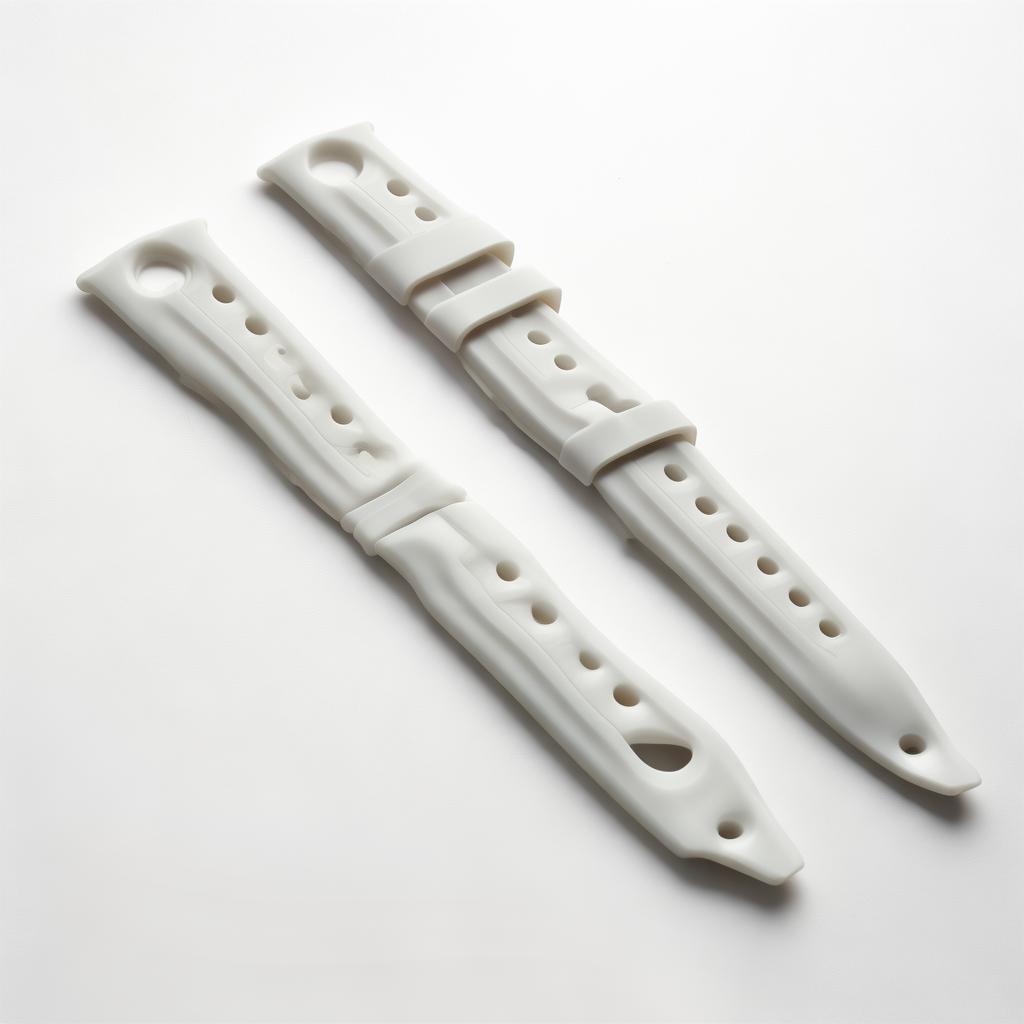
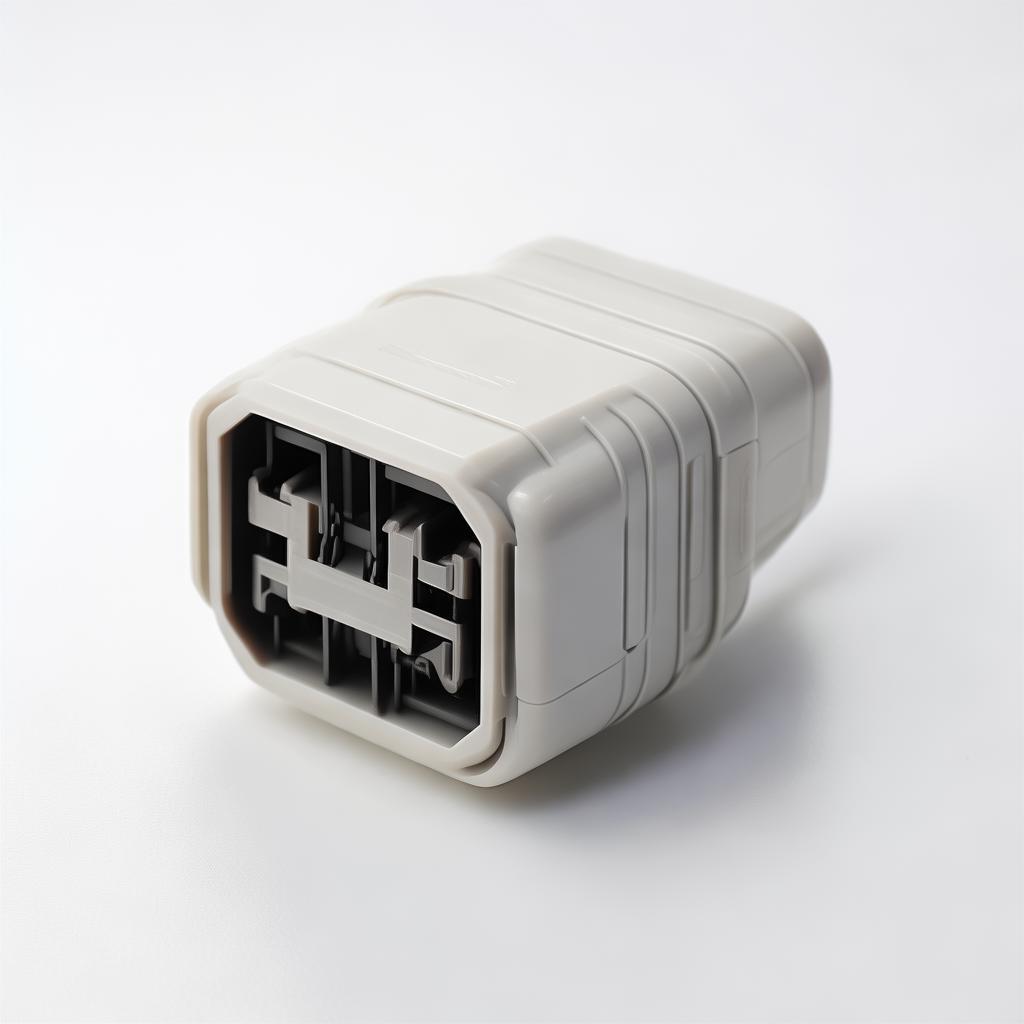
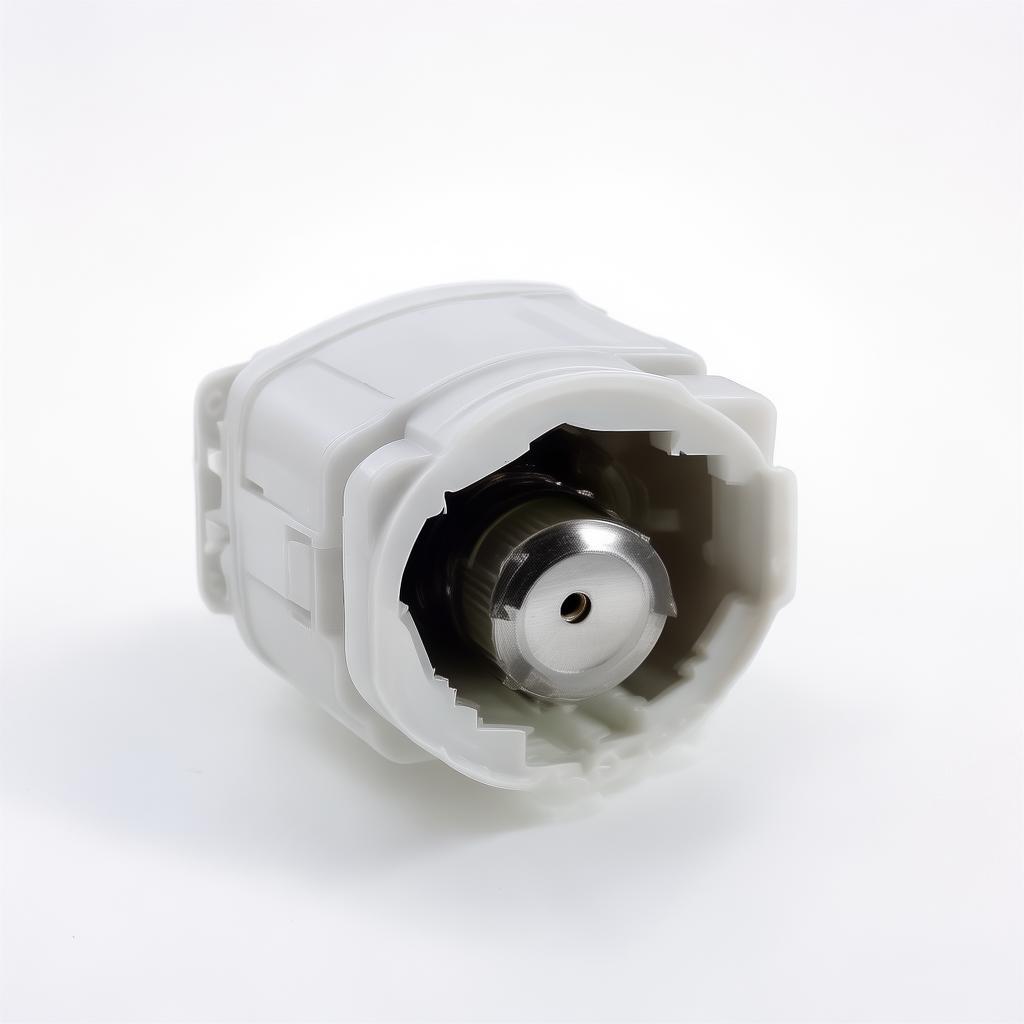
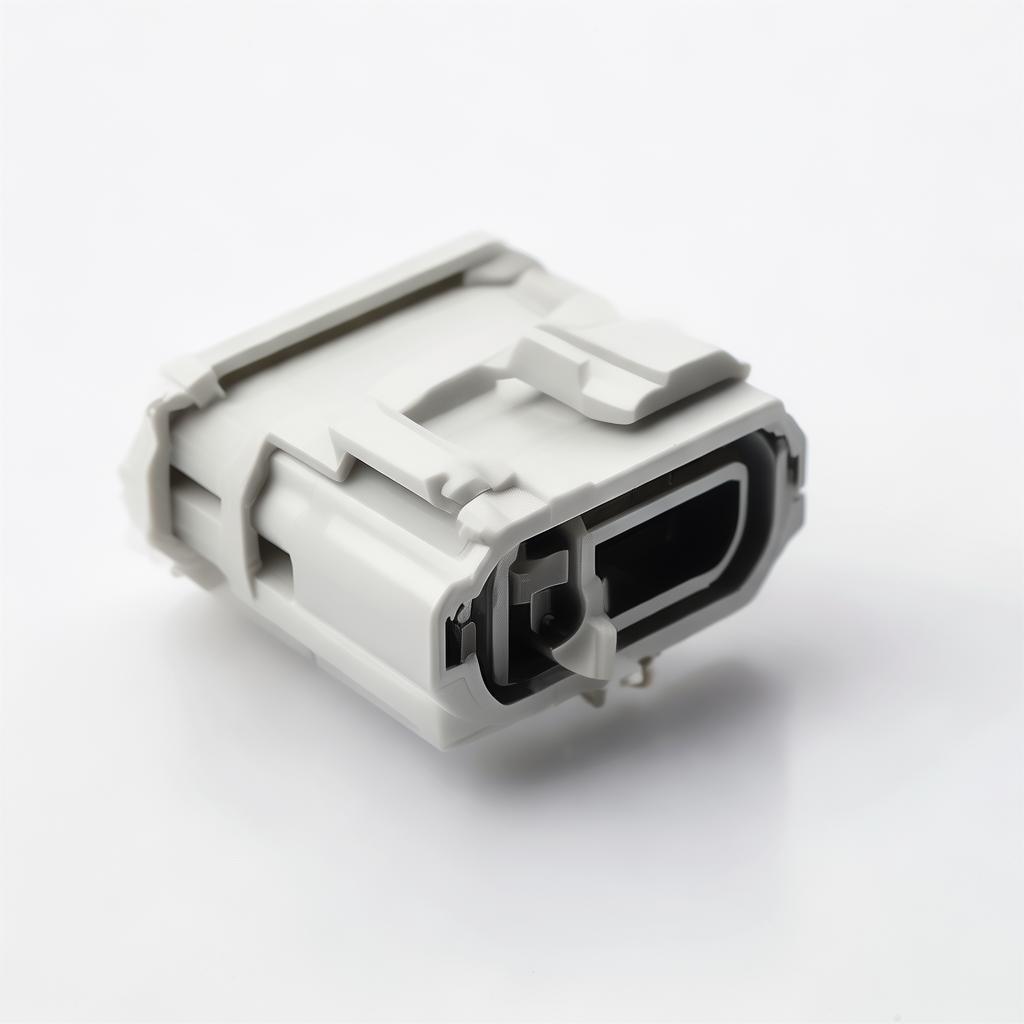
Trusted manufacturing expertise from Guangdong Yingtai High Precision Technology Co., Ltd., delivering advanced rubber injection molded parts tailored for household and industrial appliances worldwide. When sourcing rubber components for appliances, procurement managers and design
Trusted manufacturing expertise from Guangdong Yingtai High Precision Technology Co., Ltd., delivering advanced rubber injection molded parts tailored for household and industrial appliances worldwide.
Common Challenges in Appliance Rubber Injection Molding
When sourcing rubber components for appliances, procurement managers and design engineers consistently face hurdles from material inconsistencies to complex mold tooling limitations. The demand for highly precise, durable, and chemically resistant seals or gaskets is non-negotiable, yet not every injection molding partner can consistently deliver at scale. Common issues include:
Material performance gaps — Rubber compounds that fail under temperature cycles common in household devices like ovens or dishwashers.
Tooling delays — Inadequate mold design elongates lead times and impacts production throughput.
Secondary finishing overhead — Flash, warpage, or inconsistent part dimensions requiring additional manual work.
Supply chain bottlenecks — Overseas manufacturing unpredictabilities causing late deliveries and stockouts.
Integration complexity — Overmolding and multi-material challenges when combining rubber with plastic housings.
Addressing these pain points demands a supplier with extensive technical knowledge, state-of-the-art injection molding capabilities, and a lean production ecosystem optimized for appliance-grade components.
Technical Overview & Material Insights
Appliance rubber injection molding typically involves elastomeric materials engineered for flexibility, durability, and resistance to oils, heat, and cleaning agents. At Guangdong Yingtai, our production leverages advanced liquid silicone rubber (LSR) and thermoplastic elastomers (TPE) suited for injection processes requiring precision and operational resilience.
Liquid Silicone Rubber (LSR) is particularly favored due to its biocompatibility, UV stability, and wide operating temperature range (-60°C to +230°C). It excels in molding tight-tolerance sealing components, such as door gaskets, flexible buttons, and anti-slip backing for appliance interfaces.
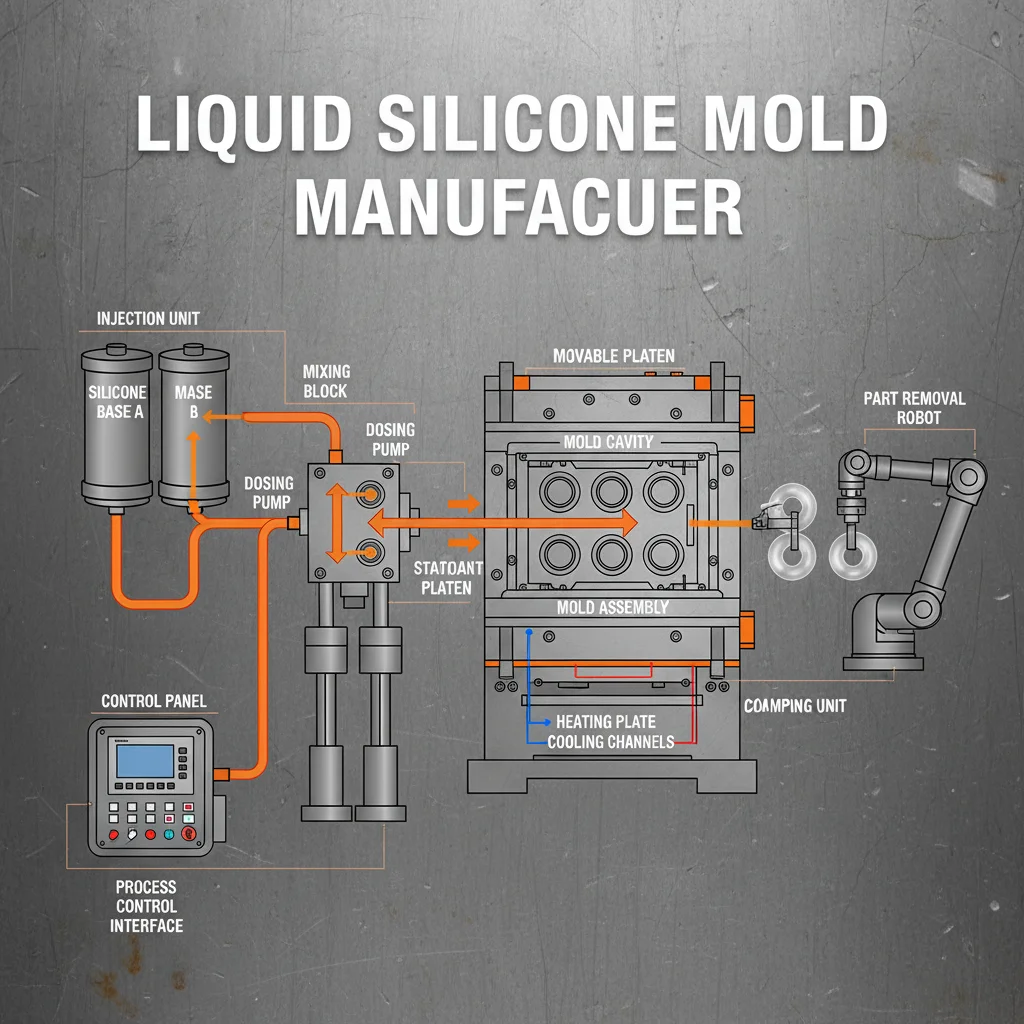
Our tooling conforms to industrial standards like ISO 9001 and ISO 13485, ensuring validated process control and part repeatability. Using specialized injection presses — including our 55 liquid silicone molding machines and automatic plastic injection units — we achieve smooth cycle times with minimal waste.
Material Comparison at a Glance
Feature
LSR
TPE
Solid Silicone
Operating Temp. Range
-60°C to +230°C
-40°C to +120°C
-55°C to +200°C
Chemical Resistance
High
Moderate
High
Cycle Time (seconds)
40–60
30–50
90–120
Ideal Applications
Medical-grade parts, appliance seals
Flexible appliance inserts
Premium sealing, cushions
Note: Based on industry feedback and product lifecycle studies, LSR injection molding offers excellent balance for home appliance seals where thermal endurance and repeated mechanical stress are critical.
Manufacturing Workflow Considerations
Precise rheological and thermal material characterization significantly improves mold filling and curing accuracy, reducing defection rates (see MDPI study).
Tool design incorporates electrical discharge machining (EDM) techniques to optimize venting and flash reduction, crucial for tight-tolerance components.
Integration of injection molding with overmolding plastic housings enables complex multi-material appliance parts.
Advanced CAE simulations guide cycle timing and pressure settings, minimizing trial errors during production ramp-up.
Advantages of Our Appliance Rubber Injection Molded Products
Our customers benefit from decades of operational insights paired with robust manufacturing infrastructure. Selecting Yingtai means leveraging:
Consistent high-quality parts with dimensional tolerances refined to ±0.03mm for critical sealing surfaces.
Optimized lead times: Most standard appliance rubber parts ship within 4–6 weeks, accelerated by an in-house mold shop and real-time production scheduling.
Wide material portfolio: From liquid silicone to specialty thermoplastic elastomers meeting FDA, RoHS, and CE compliance.
Lean manufacturing footprint: minimizes waste through efficient cycle management and precision cavity balancing.
Our pragmatic approach accounts for installation nuances as well — e.g., injection molded gaskets designed with integrated snap-fits reduce assembly time significantly versus traditional glued seals. Such labor-saving factors translate into tangible cost benefits during appliance assembly.
Typical Applications in Appliance Industry
Appliance manufacturers rely on superior rubber components to maintain product reliability and customer satisfaction. Our injection molded parts cover a diverse range of applications:
Door seals and gaskets: dishwasher and refrigerator sealing rings resistant to detergents and temperature variations.
Control panel overlays: tactile silicone keys and protective membranes with excellent wear resistance.
Valve and pump components: flexible diaphragms in coffee machines and washing machines.
Anti-slip feet and bumpers: durable rubber pads preventing appliance movement on smooth surfaces.
Connector seals and waterproofing: overmolded electronic appliance components protecting internal circuitry from moisture.
These parts often endure cyclic mechanical stress, exposure to cleaning chemicals, and UV light, which highlights the importance of selecting the right rubber compound combined with precision injection molding technology.
Procurement & Supplier Evaluation Tips
For procurement managers targeting appliance rubber injection molding, supplier selection can make or break project timelines and product quality. Here are key considerations:
Manufacturing capability: Verify the factory’s machine mix, mold maintenance programs, and ability to produce both liquid and solid silicone parts.
Material certifications: Insist on compliance certificates (e.g., CE, FDA, RoHS) relevant to your appliances’ markets and applications.
Lead time transparency: Confirm mold development schedules and get real-time updates on production status to avoid surprises.
Customization flexibility: Look for OEM/ODM experience to accommodate design tweaks after mold commissioning without excessive cost.
Quality assurance: Require third-party inspection reports, in-line process controls, and end-of-line testing protocols from the supplier.
Logistics expertise: Supplier should optimize container loading and offer reliable sea/air freight options to your region.
Yingtai’s vertically integrated manufacturing chain — from mold design to molding and finishing — provides traceable quality control and lower total landed cost to clients worldwide.
Frequently Asked Questions
Q1: What is the typical lead time for appliance rubber injection molded parts?
Lead times vary by complexity and batch size, but generally molding projects take 4 to 6 weeks after mold confirmation. Rapid prototyping options may shorten this window.
Q2: Can you handle multi-material overmolding with rubber and plastics?
Yes. Our facility supports advanced two-shot injection molding and overmolding processes, enabling bonded silicone-plastic components commonly used in water-resistant appliance panels.
Q3: Are your liquid silicone rubber materials FDA and RoHS compliant?
Our LSR materials meet FDA and RoHS standards, suitable for food contact seals and other regulated appliance parts.
Q4: How do you handle quality assurance?
Each batch undergoes dimensional inspection, hardness testing, and visual defect checks. We welcome client audits and offer third-party QC service collaboration.
Q5: Do you assist with mold design optimization?
Absolutely. Our in-house R&D and tooling teams provide mold flow analysis and iterative adjustments to ensure efficient processing and minimal defects.
Customer Feedback
Michael Thompson, Procurement Director at HomeTec Appliances, USA
"Yingtai’s team helped us refine our door gasket molds, cutting installation headaches by around 25%. Their material expertise and reliable communication make working with them straightforward."
Get in Touch
If you have any camping barbeque equipment inquiry, please feel free to contact us.