

Practical Applications of Injection Moulding: A Deep Dive for Industrial Procurement & Manufacturing
By Jason Liu, Export Director at Guangdong Yingtai High Precision Technology Co., Ltd. 
Industry Overview & Introduction
Injection moulding stands as one of the ***most versatile manufacturing processes*** in today's industrial landscape, enabling efficient mass production of complex plastic and silicone components with tight tolerances. This process has evolved far beyond basic thermoplastics—especially driven by advances in liquid silicone rubber (LSR) injection molding and multi-component molding technologies.
In China’s manufacturing hubs, such as Dongguan’s Changan Town where Guangdong Yingtai High Precision Technology Co., Ltd. operates its 35,000 sqm industrial park, injection moulding is applied extensively to produce high-performance parts for new energy vehicles, consumer electronics, and medical-grade components. With over 20 years of industry experience, our operations illustrate the practical potentials and challenges that come with scaling injection moulding solutions.
The global market reflects this momentum, with recent industry reports forecasting the liquid silicone rubber (LSR) market to grow from an estimated USD 2.8 billion in 2023 to nearly USD 9.2 billion by 2033. This growth is fueled by rising demand for precision-molded, biocompatible, and heat-resistant components in automotive, healthcare, and electronics sectors ([GrandViewResearch](https://www.grandviewresearch.com/industry-analysis/liquid-silicone-rubber-lsr-market), [PersistenceMarketResearch](https://www.persistencemarketresearch.com/market-research/liquid-silicone-rubber-market.asp)).
Injection moulding’s appeal to procurement managers and engineers lies in its repeatability and scalability. However, the process requires a precise balance of mold design, material selection, and process parameters to avoid costly defects such as warpage, flash, or inadequate surface finish. Notably, advanced simulations informed by high-fidelity rheological data and thermal characterization now play a crucial role in reducing time-to-market for complex silicone applications, as detailed by recent MDPI and ScienceDirect publications.
While OEM factories such as ours emphasize integrated workflows from mold design and materials validation to automated injection and post-processing, buyers must remain aware of potential pitfalls — including lead time variability, tooling costs, and overseas quality control challenges. Early engagement in supplier evaluation and technical consultation typically increases the chance of a smoother procurement cycle.
For purchasing directors juggling cost pressures with stringent quality standards, understanding the depths of injection molding technology and its application spectrum is essential. This comprehensive guide aims to provide detailed insights grounded in real-world manufacturing experience to help you navigate the technical and operational landscape with confidence.
Operational Challenges & Procurement Risks
Despite injection moulding’s efficiency, several pain points persist for operations and procurement professionals:
- Tooling Complexity & Cost: Injection molds, especially for LSR or multi-component parts, require specialized design. Misaligned tolerances or inadequate venting can cause flash or short shots—and tooling resets can add weeks to lead times.
- Material Compatibility Issues: Selecting silicone grades must account for required attributes like UV resistance, hardness, and chemical stability. Overlooking this can result in premature failures, particularly in harsh automotive or medical environments.
- Process Variation: Controlling injection parameters and curing cycles precisely is critical; small fluctuations often reduce product consistency, triggering higher scrap rates and increased quality audits.
- Supplier Communication & Compliance: Overseas sourcing involves logistical complexities, potential misinterpretation of specifications, differences in certifications (ISO 9001, CE), and trademark or customs compliance risks.
- Inventory & Logistics: Inefficient container loading or underutilized shipping volume raise costs, while fragile silicone parts require specific packaging and handling precautions.
Ignoring these pain points can lead to costly missteps typical of first-time injection mold purchasers. As one experienced procurement consultant shared on industry forums, "Rigorous upfront due diligence, tooling trial runs, and factory audits are non-negotiable for ensuring stable supply and product fidelity."
Our factory emphasizes close collaboration and transparency—we encourage buyers to engage early with engineering teams to validate designs and materials. This mitigates risks related to process mismatches or insufficient testing.
Technical Insights & Material Considerations
Understanding the technical underpinnings of injection molding helps procurement professionals ask the right questions and assess supplier capabilities properly. Here’s a closer look at relevant factors:
| Aspect | Key Considerations | Impact on Production |
|---|---|---|
| Material Types | Thermoplastics (PP, ABS, PC), Liquid Silicone Rubber (LSR), Thermoplastic Elastomers (TPE) | Material affects mold design, cycle times, flexibility & temperature resistance |
| Injection Process | Hydraulic, electric, or hybrid machines; multi-shot (2+ materials); LSR-specific molds | Determines precision, repeatability, and material bonding quality |
| Mold Material & Tooling | Steel or aluminum molds with advanced venting and precision cavities | Influences durability, tool life, and part accuracy |
| Standards & Certifications | ISO 9001:2015, CE, RoHS, FDA for medical-grade approvals | Compliance ensures market access and helps avoid regulatory issues |
| Process Monitoring | Injection pressure, temperature control, curing cycles, and AI-assisted parameter optimization ([ArXiv][10],[11]) | Reduces defects, enhances consistency, shortens production cycles |
tooling for injection moulding technical injection moulding injection moulding custom
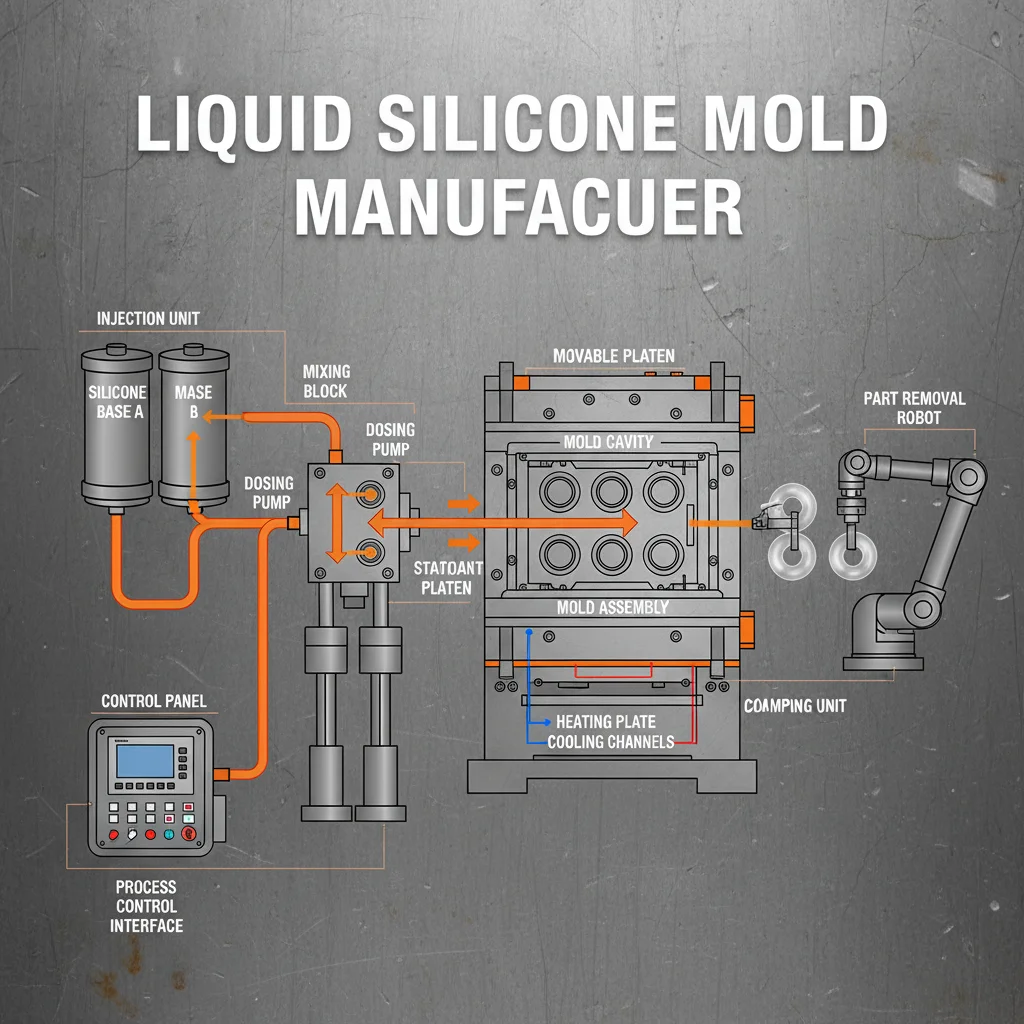
Material choice is foundational. For example, LSR offers outstanding heat resistance and biocompatibility, vital for medical seals and wearable electronics. However, LSR demands specialized liquid injection molding machinery and molds with precise venting to prevent flash defects and maintain tight tolerances.
A recent exploratory study from Fraunhofer Research highlights advancements in mold design that reduce waste by improving cavity sealing and ventilation management — leading to both economic and environmental gains in silicone production ([Fraunhofer Publica][4]).
Additionally, multi-component injection molding (e.g., LSR with ABS substrate) has gained traction in medical and industrial sectors requiring hybrid functionalities — soft-touch silicone over rigid structures. This process demands expertise in interface bonding and thermal management ([MDPI Polymers][6]).
Note to Buyers: Always request detailed process parameters, material data sheets, and tooling validation reports from suppliers to understand capabilities beforehand. Fast prototyping and pilot runs can prevent costly redesigns.
Diverse Application Scenarios
Injection molding extends across multiple industrial domains, adapting to specific performance requirements:
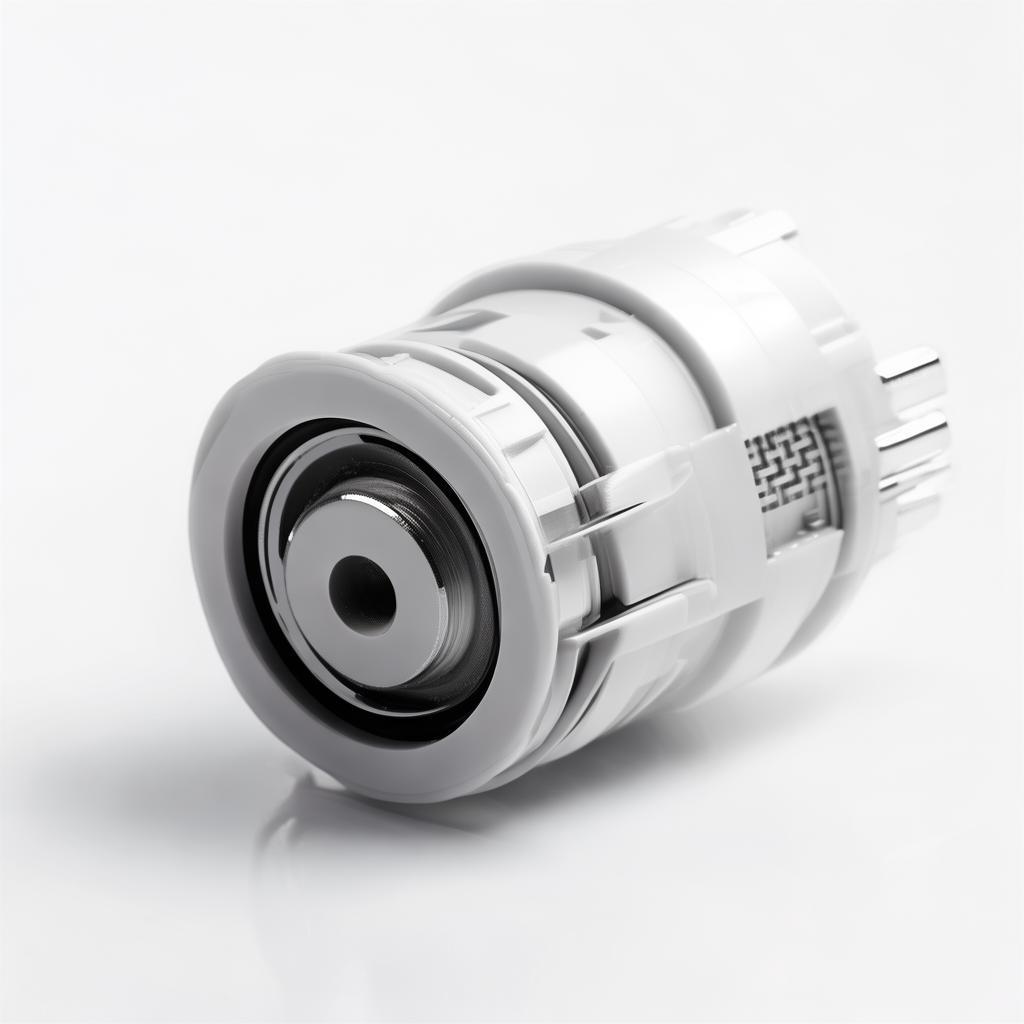
- New Energy Vehicles: Manufacturing durable silicone gaskets, seals, and connectors that withstand high temperatures and chemical exposure; critical for battery packs and powertrain modules.
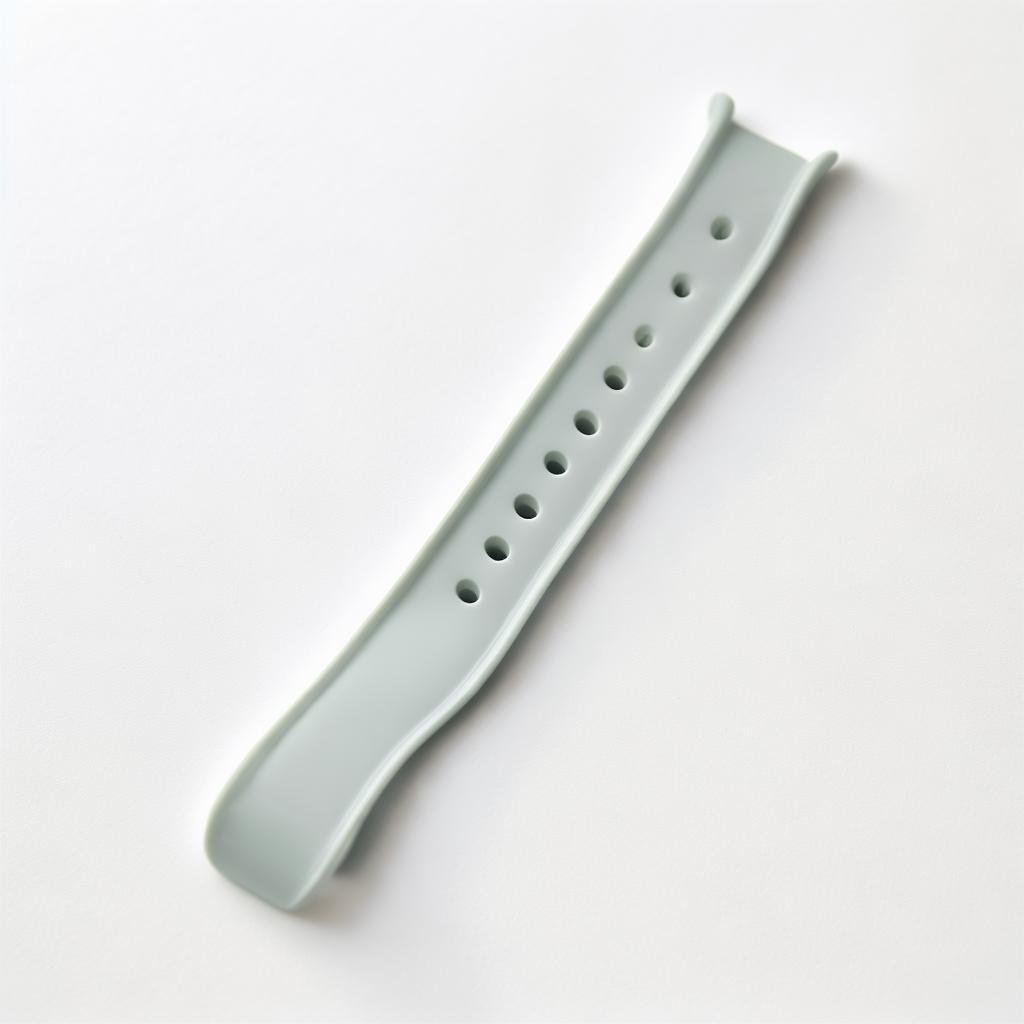
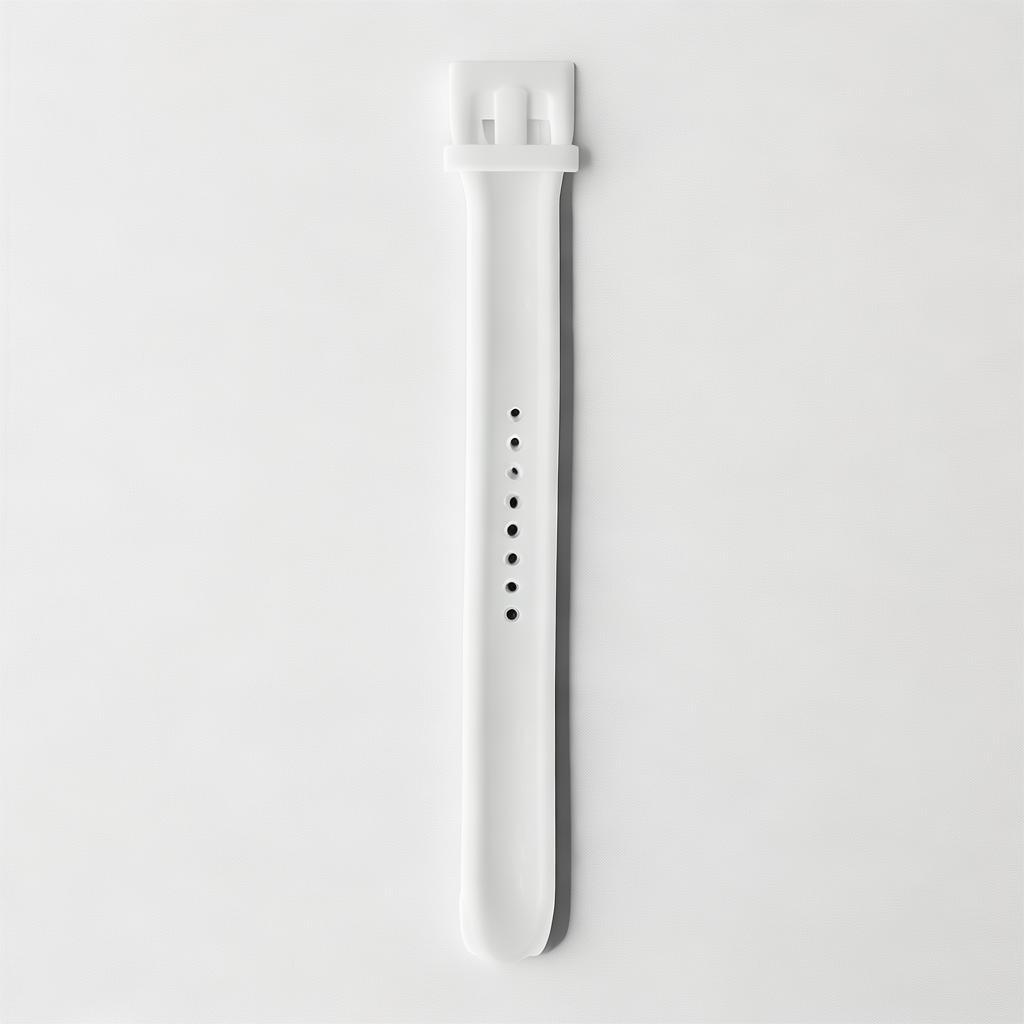
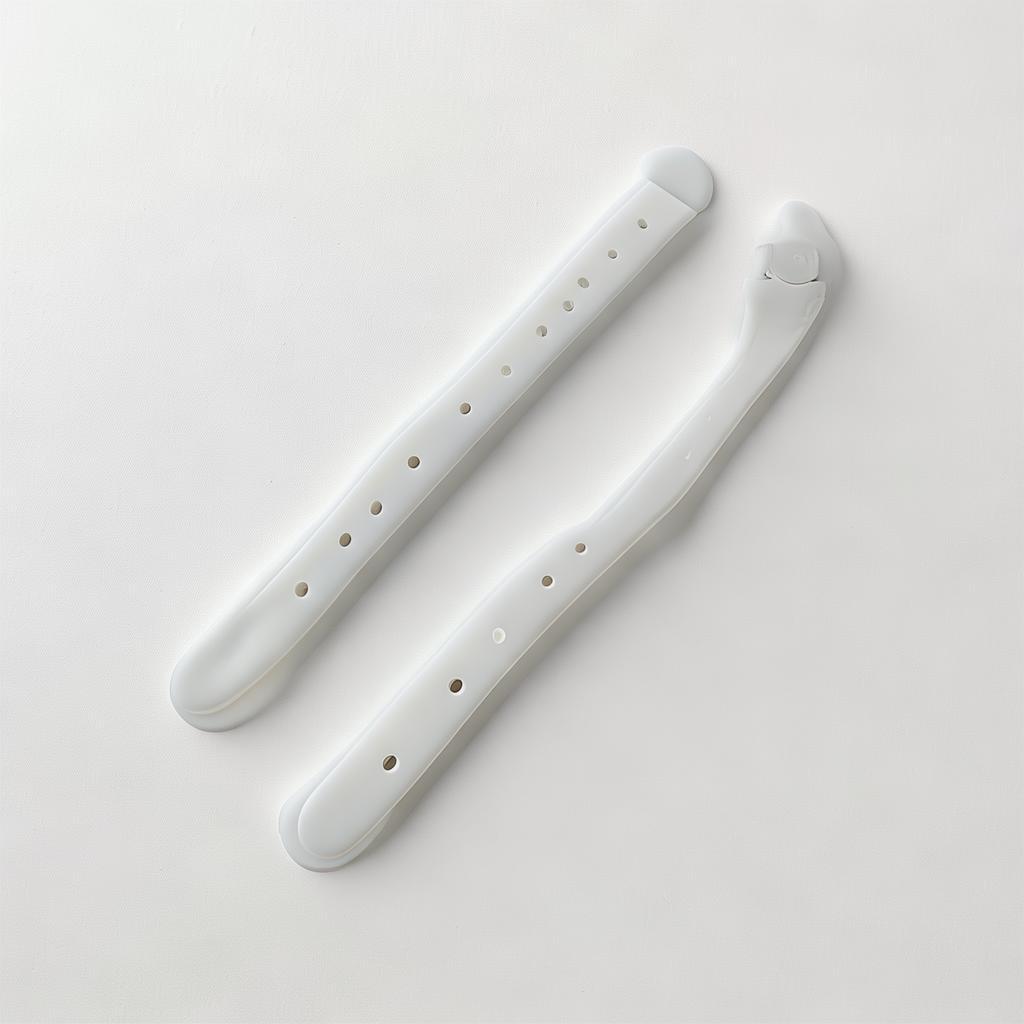
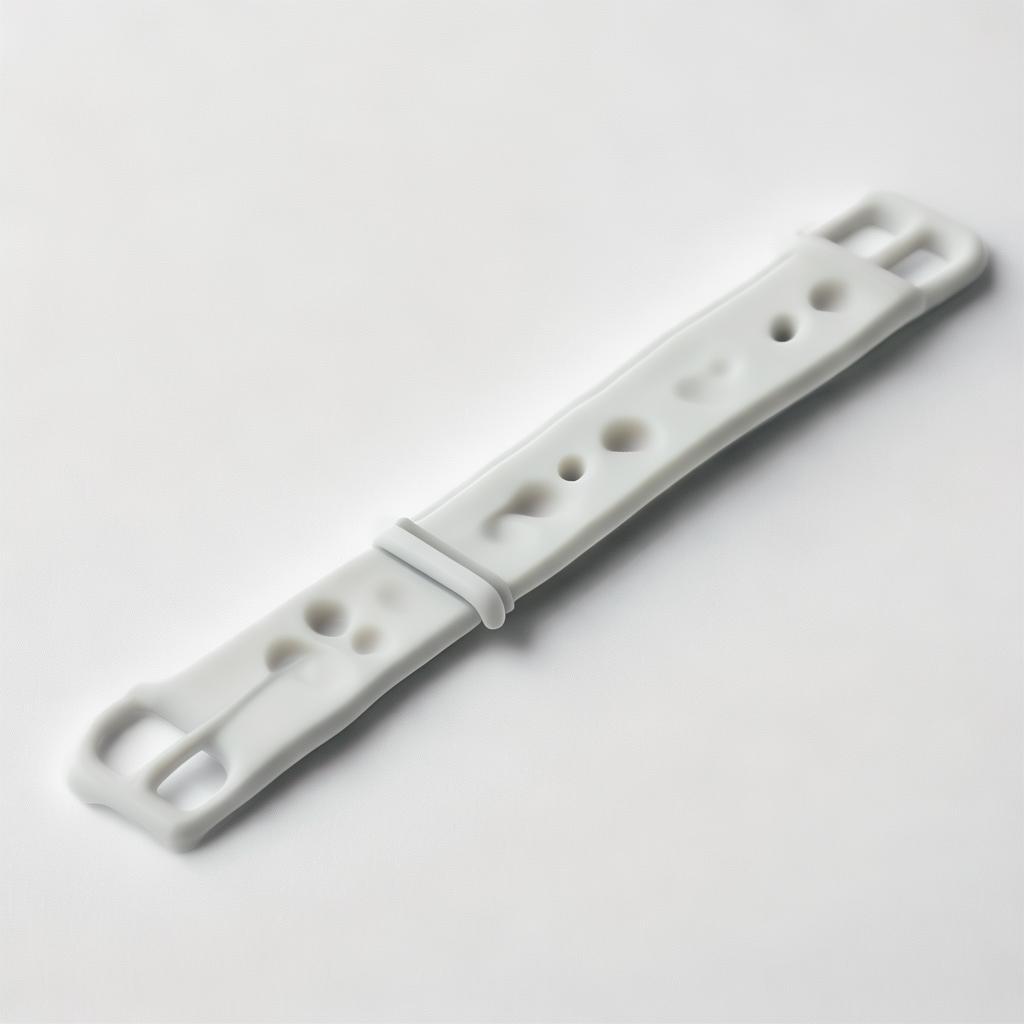
- Consumer Electronics: Overmolded ergonomic grips, waterproof seals, flexible buttons, and wearable bands with medical-grade silicones ensuring tactile quality and compliance.
- Medical Devices: Precision LSR molding for implantable components, catheters, respiratory masks, and sensitive sensor housings requiring biocompatibility and sterilization resistance ([GrandViewResearch][1]).
- Industrial Appliances: Silicone boots, anti-slip backings, dust seals with UV and chemical resistance suitable for harsh environmental conditions.
- Household Goods: Food-safe molded components such as lids, flexible connectors, and shock-absorbers meeting FDA and RoHS requirements.
An insightful case study from Nature Scientific Reports reveals how injection molding technology enables mass fabrication of silicon-based microfluidic devices used in advanced biomedical research — an application that demands repeatability and structural precision beyond traditional methods ([Nature][2]).
Key takeaway for procurement in these sectors: Suppliers must demonstrate not only mold quality but also strict compliance with industry-specific certifications and robust quality management systems. Buyer audits for traceability and process transparency strengthen supply chain risk management.
Factory Strength & Certifications
Guangdong Yingtai High Precision Technology Co., Ltd. embodies a full-scale injection molding ecosystem with:
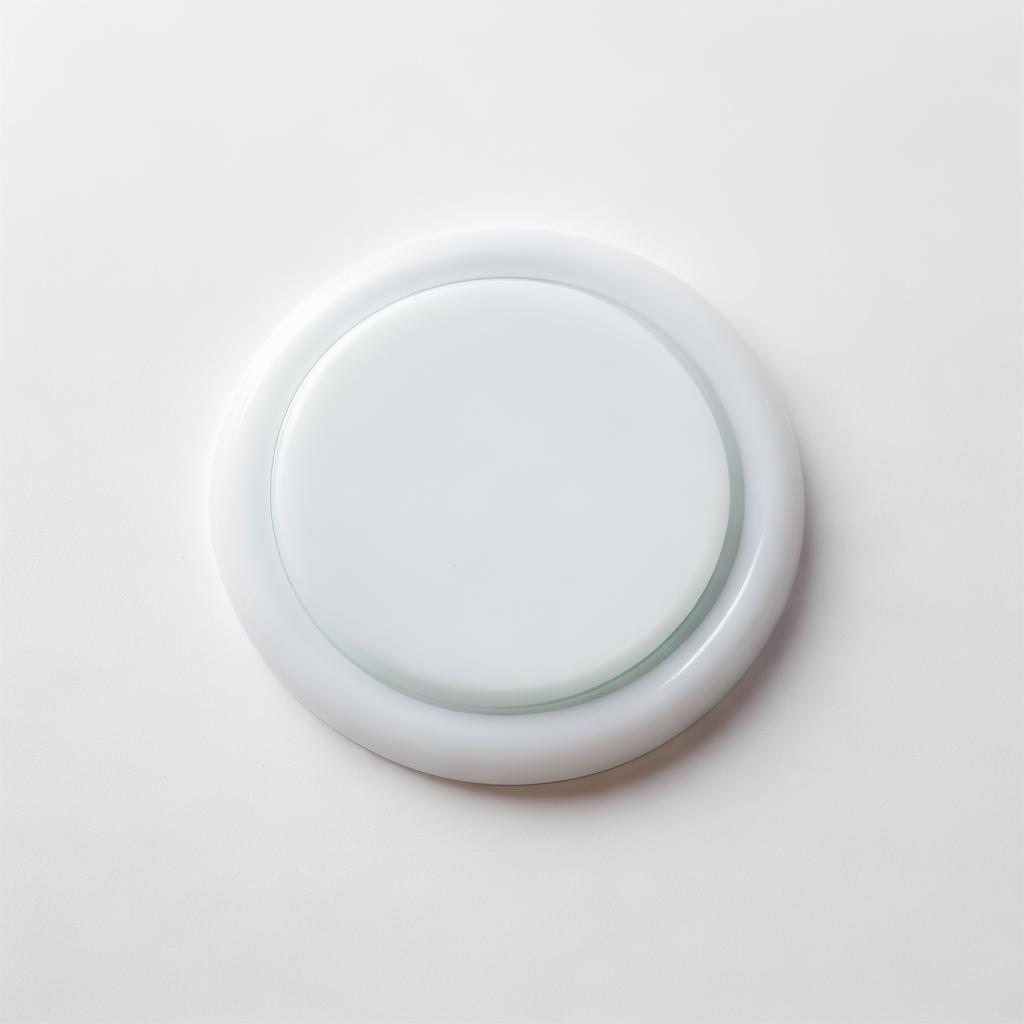
- 55 sets of liquid silicone molding machines tailoring LSR parts with precision and short cycle times.
- 80+ automatic plastic injection machines producing thermoplastic components efficiently.
- 20 high-precision hydraulic presses catering to solid silicone parts.
- Over 30 pieces of mold processing equipment ensuring mold durability and accuracy.
- Advanced testing instruments for dimensional inspection, material integrity, and process validation.
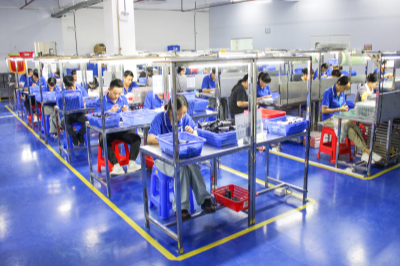
Certified under ISO 9001:2015 quality management systems and compliant with CE, RoHS, and FDA requirements where applicable, the factory continuously advances its production workflow. We have developed an intellectual manufacturing system integrating mold development through to finished product assembly, which aids in reducing lead time and waste. Lean process management and digital parameter tracking make our LSR injection molding suitable for medical devices, automotive parts, and consumer electronics.
We understand the nuances of container loading for optimized volume utilization and safeguard fragile silicone components during trans-oceanic shipments to North America and Europe. Our logistics team coordinates closely with buyers to provide realistic lead time forecasts often ranging between 4 to 8 weeks depending on tooling complexity.
For projects requiring customized solutions, our OEM and ODM services include:
- Prototype development with fast turnaround tooling for validation.
- Multi-shot injection molding combining different materials in single components.
- Secondary operations such as assembly, packaging, and labeling.
If you need a tailored manufacturing plan, talk with our engineer to explore specialized options.
Buyer FAQs & Expert Answers
- Q1: What are typical lead times for LSR injection moulding projects?
- LCM products usually require 4-8 weeks for tooling and initial production runs, depending on mold complexity and part design. Complex multi-shot molds or medical certifications may extend this timeline. Early detailed design review helps optimize lead time.
- Q2: How do I assess the quality of injection molds in overseas factories?
- Request technical documentation, 3D mold flow analysis reports, and photos of tooling stages. Factory visits or third-party audits are advisable. Quality suppliers maintain ISO 9001:2015 certifications and provide transparent quality control data.
- Q3: Can Silicone injection molding meet FDA requirements for food contact?
- Yes, with appropriate material grades and controlled manufacturing environments, LSR components can achieve FDA and EU food contact certifications. Always verify material safety data sheets and production lot traceability.
- Q4: What are common defects in injection molding and how do plants prevent them?
- Typical defects include flash, sink marks, short shots, and warpage. Prevention relies on precise control of mold temperature, injection pressure, material viscosity, and cycle time. Advanced AI-driven process parameter optimization methods are increasingly used to minimize defects (as per arXiv studies [10],[11]).
- Q5: Is multi-component molding (LSR + plastics) recommended for complex parts?
- Yes, this technique allows combining soft-touch silicone and rigid substrates in a single component, enhancing product functionality and aesthetics. Ensure supplier experience with surface activation and bonding processes to avoid delamination.
Customer Reviews & Experiences
Michael Carter (Procurement Manager, Michigan)
"We partnered with Yingtai for high-precision silicone seals used in our automotive battery packs. Their expertise in LSR injection molding and tool validation cut our development cycles significantly. Shipping was on time and the parts passed our ISO TS16949 audits with minimal rework."
Sarah Kim (Operations Director, California)
"The multi-component parts molded with LSR and ABS were challenging, but the factory's engineering team provided insightful feedback and rapid prototyping that saved us potential delays. We're seeing improved product durability and customer satisfaction."
James O’Neill (Technical Engineer, New York)
"Their process control and quality assurance on injection parameters are impressive. We experienced fewer defects and better dimensional control with Yingtai compared to previous suppliers."
Linda Hayes (Supply Chain Manager, Texas)
"What sets Yingtai apart is the transparency in lead time management and logistics. Their packaging methods reduced in-transit damages and optimized container loads, which helped us cut down unexpected costs."
Next Steps & Contact Information
Ready to explore injection moulding solutions that precisely match your product needs? Connect with our export team for tailored advice that considers your industry’s compliance landscape and quality expectations.
Phone: (Miss Zhang) +86 17722437688
Fax: +86 0769-83666863
Email: zmm@yingtai168.com, lh@yingtai168.com
Whatsapp: +86 17722437688
Address: No. 359 Chang'an Bubugao Road, Chang'an Town, Dongguan City, Guangdong Province, China
Request Factory Pricing | Ask About OEM/ODM Options | Request Product Specs